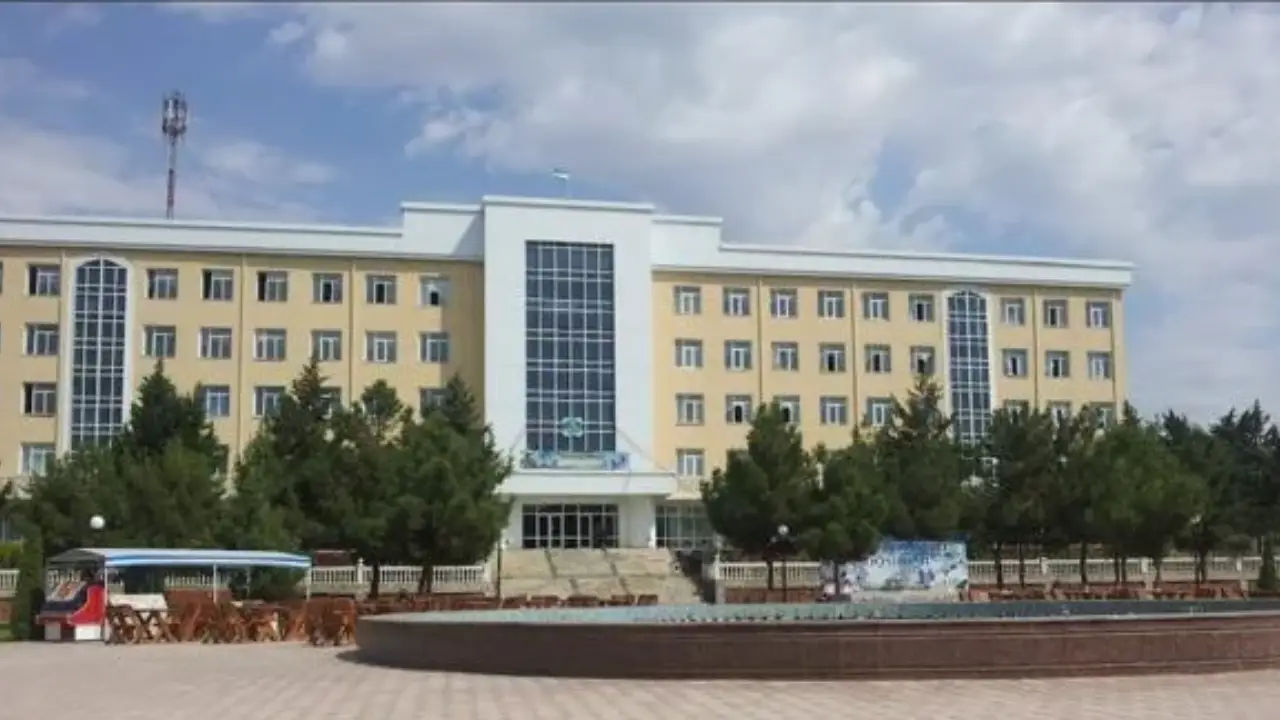
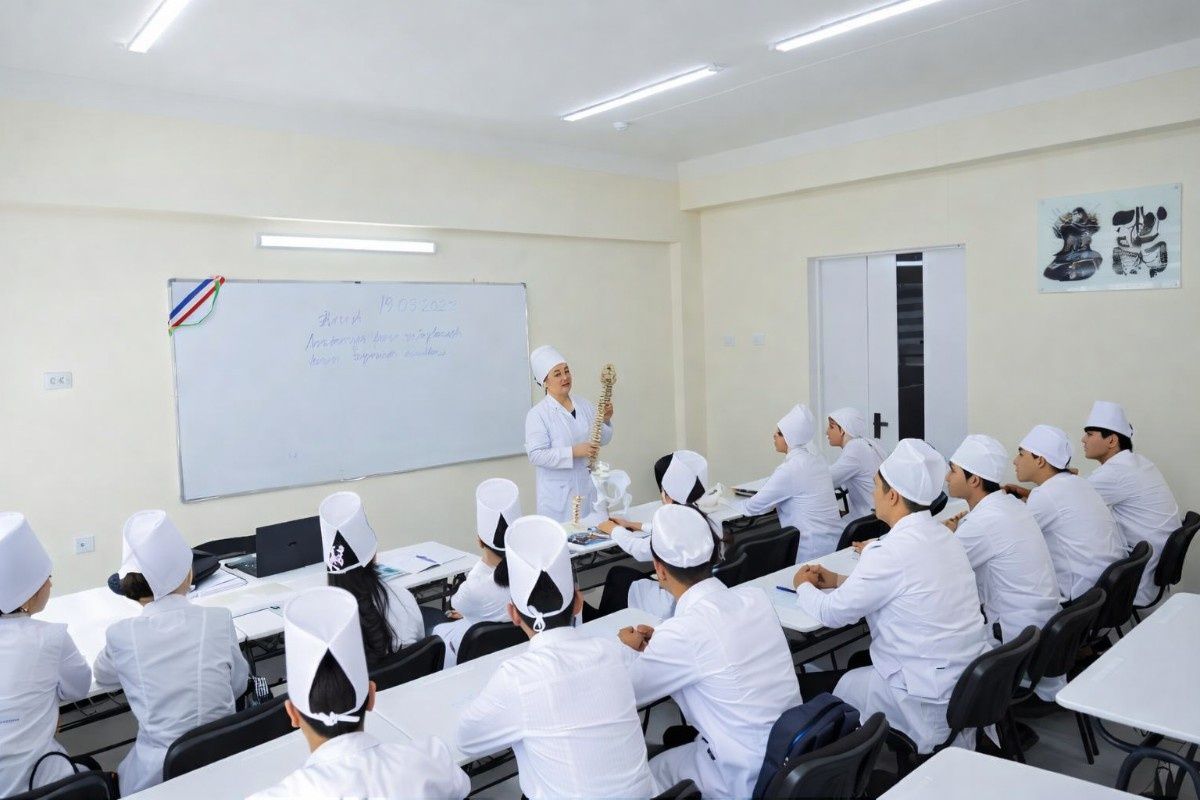
Namangan State Medical University is a government medical institution located in Namangan, Uzbekistan's second-largest city by population, situated in the fertile Fergana Valley in eastern Uzbekistan. The university offers the MD programme (equivalent to MBBS in India) in English for international students over six years and is part of Uzbekistan's network of regional state medical universities that collectively serve the country's healthcare training needs outside the major centres of Tashkent and Samarkand. The Fergana Valley region — of which Namangan is a key hub — is one of the most densely populated and agriculturally productive areas of Central Asia. Namangan itself is a large, established city with a traditional Uzbek urban character, a warm climate, and a cost of living that is markedly lower than Tashkent. These characteristics make Namangan an accessible and affordable study environment for Indian students who may prefer a less metropolitan but fully functional city over the larger capitals. The MD programme follows the standard 5+1 structure required by Uzbekistan's Ministry of Higher Education and the NMC of India. The university is recognised by the NMC, WHO, and is listed in the World Directory of Medical Schools. Clinical training is provided at affiliated hospitals in Namangan, covering all major specialties. Indian food options and hostel facilities are available for international students. As with all Uzbek medical universities, Indian students planning to attend Namangan State Medical University should verify current FMGL Regulations 2021 compliance directly with the NMC before applying. The NMC has issued multiple advisories in recent years about Uzbek institutions, and due diligence on current recognition and compliance status is non-negotiable for students who intend to practise medicine in India. The lower tuition fees at Namangan compared to Tashkent or Samarkand make it an economical option for budget-conscious students, particularly those from the Fergana Valley who may have family connections in the region, or those who simply prefer a smaller-city environment for focused academic work.