
1. Does MEPhI teach medicine in English?
+No. The Institute of Biomedicine teaches general medicine in Russian only
 Russia | Est. 1942
Russia | Ministry of Science and Higher Education of the Russian Federation; Rosobrnadzor state accreditation; Ministry of Health of the Russian Federation; listed in the World Directory of Medical Schools | Russian medium
Expert will call you within 2 hours
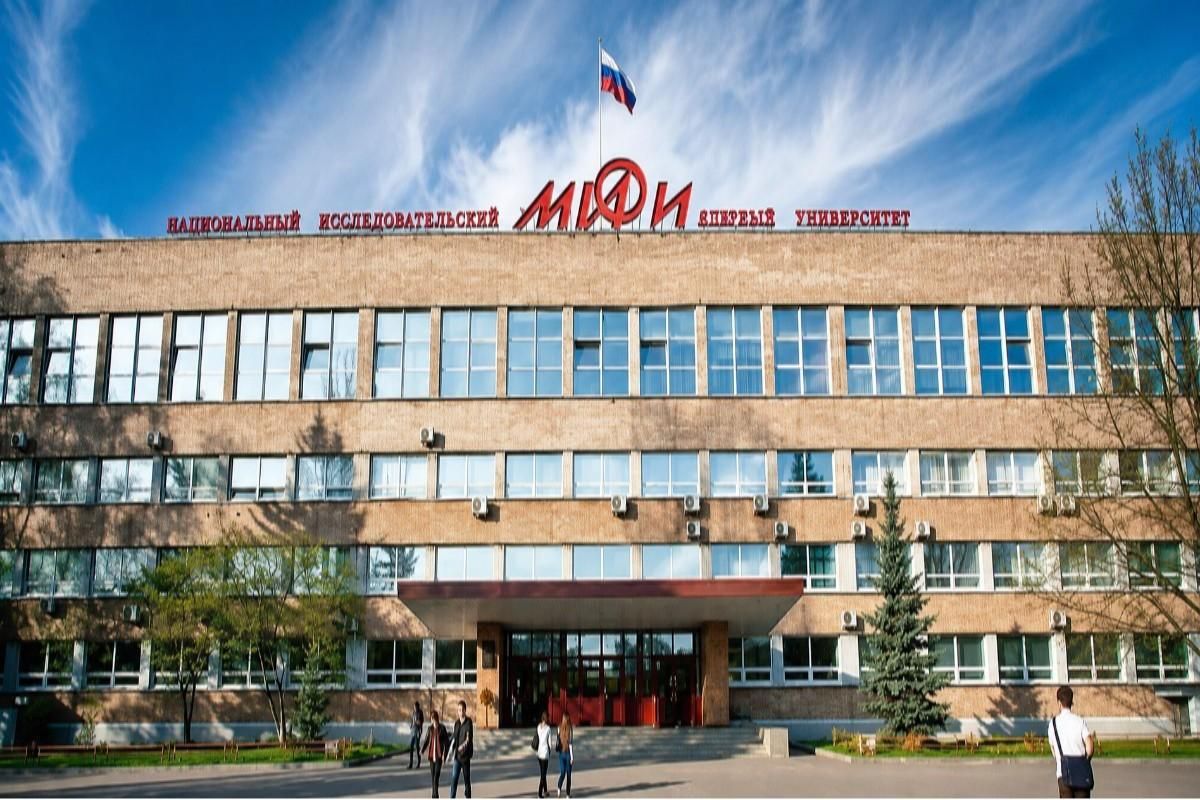
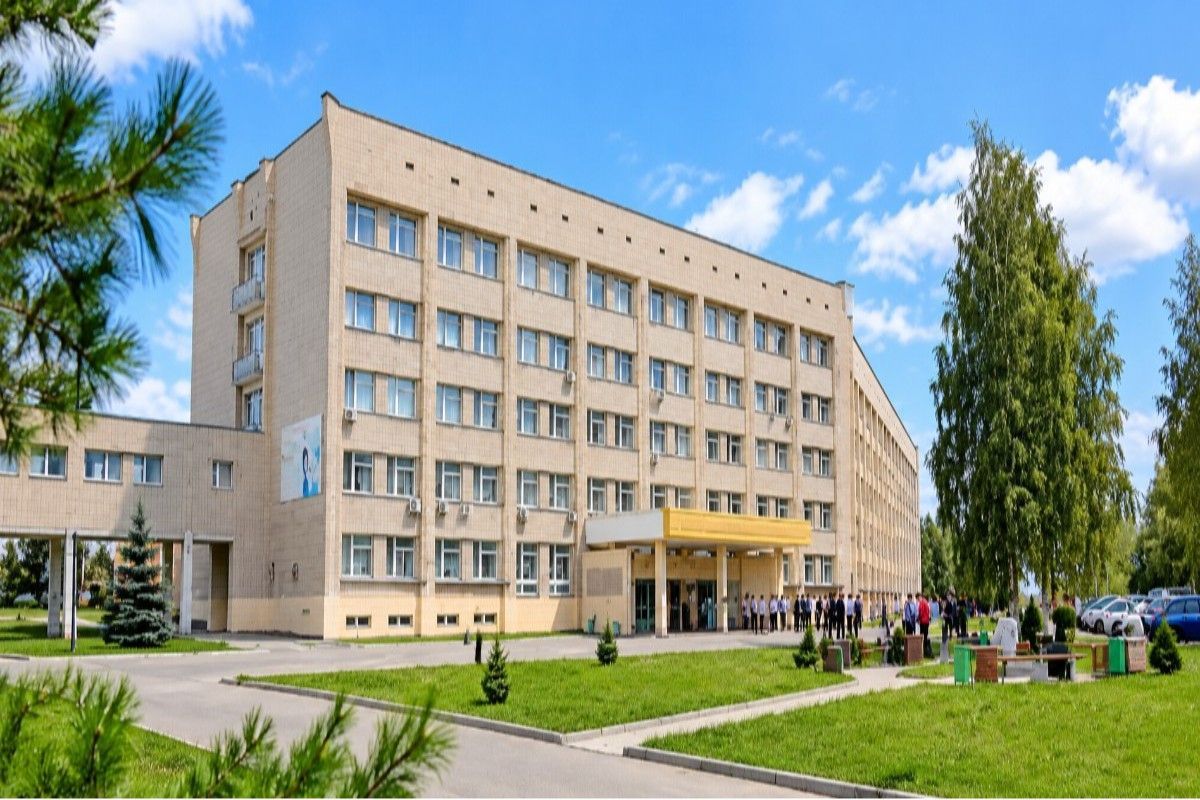
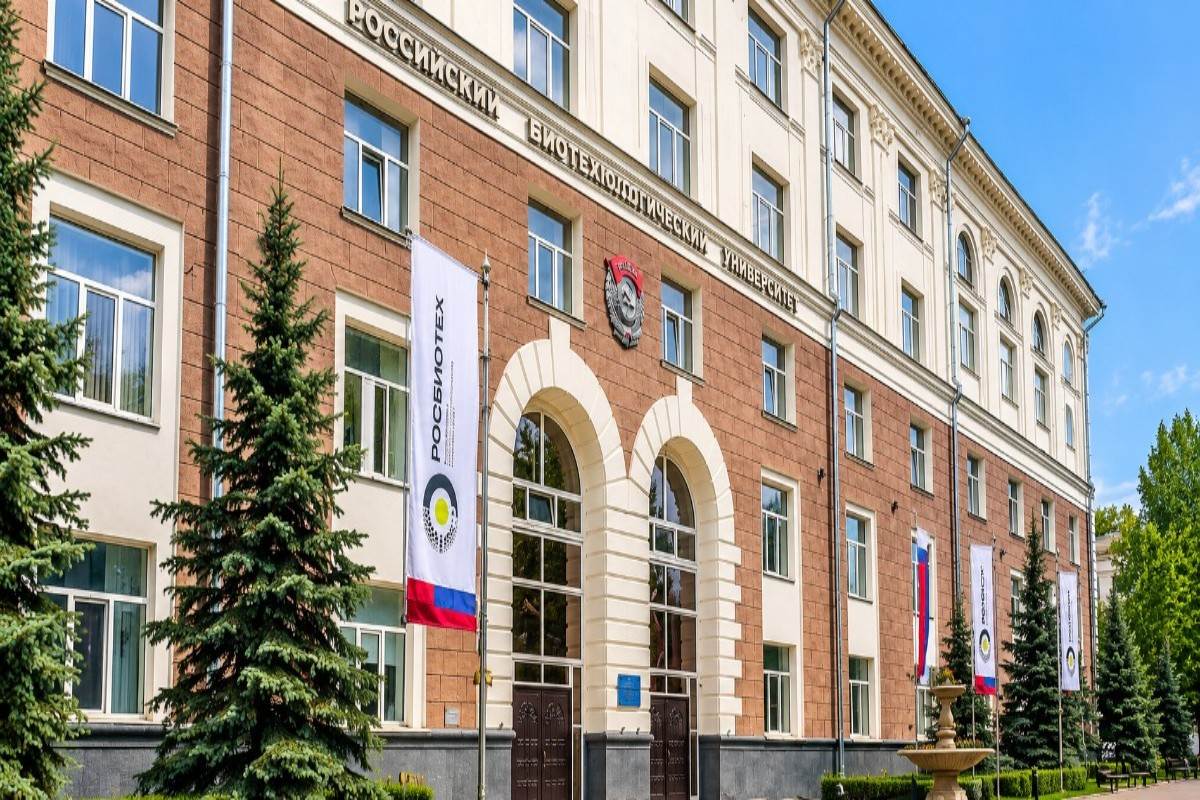
The National Research Nuclear University MEPhI is one of Russia's most selective technical schools, and its Institute of Biomedicine has the same high standards when it comes to teaching medicine. The university began in Moscow in 1942 as an engineering school for the war effort. It has since grown into a national research university that teaches physicists, engineers, and more recently doctors. The general medicine program is run by the Institute of Biomedicine. This program builds on the skills of MEPhI in physics, math, and computers. Radiation physics, medical imaging, and data analysis are some of the subjects that students here learn along with anatomy and physiology. This mix shapes the type of doctor that the institute makes.
The Moscow campus is in the south of the city, in the Kashirskoye Shosse neighbourhood. There is a lot of medical research going on in this area one of the most in Russia. A short walk or metro ride will get you to the Blokhin National Medical Research Centre of Oncology, the Burnasyan Federal Medical Biophysical Centre, and a number of other federal research centres. This geography is used every day at the school. In these centres, teaching staff work, students walk to clinical sessions instead of taking the bus across the city, and research supervisors come from hospital departments that are still open for business. You learn to be a doctor in an area where the best doctors in the country work.
General medicine is taught at MEPhI as a six-year specialist degree. The government standards for this program are set by the Russian Ministry of Science and Higher Education. The clinical content is approved by the Ministry of Health. The Specialist Diploma in General Medicine is what graduates get, and in Russia it is recognized as a valid medical degree. Russian is used as the teaching language. International applicants who don't speak Russian have to go to a preparatory school for one year before they can start the first year of medicine. There, they learn Russian, biology, chemistry, and physics. If you don't speak Russian, plan to stay for seven years.
With a strong technical layer on top, the academic framework is based on the traditional Russian model. You will learn about human anatomy, histology, biochemistry, regular physiology, medical biology, and Latin in the first two years. In these years, MEPhI has added more math and physics than most Russian medical schools. In medical physics, biophysics, computing, and statistics, students learn skills that they will later use when they read imaging studies, figure out what lab data means, or grade research papers. According to the organization, being able to do math is a clinical skill.
Once you reach the third year, you'll learn about anatomy, pharmacology, microbiology, and the practice of internal medicine. Students start structured work at the bedside at hospitals that are connected with the school. They take patient histories while being supervised. In the fourth and fifth years, students learn about the main areas of medicine, such as internal medicine, general surgery, obstetrics and gynecology, pediatrics, neurology, psychology, infectious diseases, dermatology, and ophthalmology. In the sixth year, clinical practice is mainly done through long rotations, and students are prepared for the state final test and the national accreditation process that Russian doctors go through to get their licenses.
Radiation medicine makes the institute's name stand out the most. The medical school takes over the national leadership role that MEPhI has in nuclear science. Students learn more than the required amount about radiation biology, radiation safety, nuclear medicine, and radiodiagnostics. They go to partner sites to see gamma cameras, PET and CT systems, linear accelerators, and dosimetry gear. Graduates who go on to work in radiology, radiotherapy, or nuclear medicine get a head start in those fields that isn't typical. Medical robotics, biosensors, laser medicine, and computational modelling of physiological systems are some of the other research groups that the institute runs. Undergraduates start joining these groups in their second or third year.
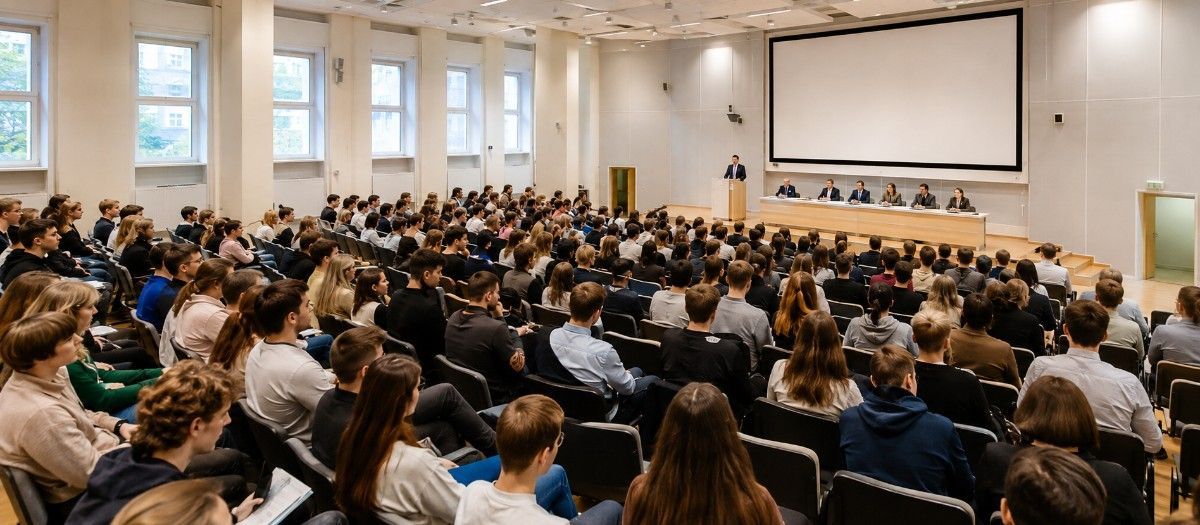
Russian rules say that class groups should stay small. Since there are only a few hundred medical students each year, seminar groups are small enough to handle ten to twelve students, and practical lessons are still manageable. The people who teach know each student's name. That size works well for the program's lab-based style because fewer people have to share the time spent on the equipment. It also makes it harder to get in. MEPhI chooses students based on their academic record, and the institute wants them to do well in biology, chemistry, physics, and math.
Students in both engineering and medicine can use facilities all over campus. There are specialized labs, a server centre, clean rooms, and accelerator facilities at the university. Before they touch a real patient, medical students practice in clinical skills areas with mannequins and monitoring equipment, simulation rooms with anatomy halls, and histology laboratories. They also practice injections, catheterization, suturing, and resuscitation. The library has a lot of medical books and gives people access to sources from around the world. There are also sports halls, a swimming pool, a stadium, a student clinic, and a number of break rooms on campus.
There is student housing close to the school buildings. A college runs a dorm building on Moskvorechye Street. Each room has space for two or three students and shares kitchens, laundry rooms, and study areas. Residents go through a security desk, and the university keeps an eye on the door 24 hours a day. When you compare hostel fees to Moscow rental prices, they stay low, and most foreign students stay at the university for the whole course. The international office takes care of visa applications, immigration paperwork, health insurance, and picking people up at the airport.
Living in Moscow gives you a second chance to learn. It's easy and cheap to get to every part of the city with the metro, and student cards make it even cheaper. The theatre, museums, parks, and sports centres are open all year. People should be ready for temperatures below freezing from November to March, when winter lasts for a long time. A lot of things in Moscow cost more than the average in Russia, but not as much as they do in most Western European cities. On campus, there are active communities of students from India, Africa, the Middle East, and Central Asia. National festivals, sports events, and support networks for newcomers are put together by student associations.
Before they apply, Indian students need to know what the rules are. To become a doctor, the National Medical Commission says you need to get a certain number on the NEET, go to school for five and a half years, do an internship at the same institution for twelve months, and be taught in English the whole time. The Russian six-year specialist degree includes clinical practice as part of the curriculum. After graduating, doctors must pass the Foreign Medical Graduate Examination and do an internship in India before they can become licensed to practice. Before you accept an offer, talk to your counsellor about the most recent NMC Gazette rules. The commission changes these terms all the time.
The results of the research help with teaching. The medical faculty adds to MEPhI's publications in the areas of biomedical engineering, laser technology, nuclear physics, and materials science. They also work on radiation dosimetry, oncological imaging, biosensor design, and physiological modelling. Undergraduates give talks at university workshops, and smart students work together to write papers. The school helps pay for study projects and sends teams to national competitions.
Graduates of the general medicine school can get into the Russian residency program, which is called ordinatura, by going through the national accreditation process. Some people go back to their home countries to take licensing exams. A scientific background opens doors that a regular medical degree doesn't, especially in the fields of medical physics, health technology, diagnostic imaging, and radiation oncology. Some college graduates go to work in research centres or the medical device industry instead of going into clinical practice.
MEPhI is right for a certain applicant. This school is the one for you if you like physics and math, want to learn medicine through research, and are okay with studying in Russian. It's not possible to get an English-language program at this school for general medicine. You should look elsewhere. If you are the right student, a national research university with a history in nuclear science and a medical campus surrounded by government research centres can give you an education that is hard to find anywhere else or in Russia.
No hidden charges, no donation. The full picture of costs at MBBS in National Research Nuclear University MEPhI Institute of Biomedicine.
Tuition Fee
USD 6,450 (INR 5,67,600)
USD 5,700 per year (INR 5,01,600)
Hostel Fee
USD 750 per year (INR 66,000)
USD 750 per year (INR 66,000)
Food & Meals
10,000 to 14,000 RUB per month
per month
Insurance
USD 180 INR 15,840
Per year
Donation
No Donation
No hidden fee
Total Estimated Cost
8,07,840
6 year
25–35%
Average FMGE first-attempt pass rates for students from many overseas medical universities. Students from structured programs consistently score higher.
Students returning to India need to clear the FMGE/NExT exam. MBBS in National Research Nuclear University MEPhI Institute of Biomedicine integrates exam-oriented coaching into the regular curriculum so students are prepared from day one.
A structured program that takes you from foundational sciences to clinical mastery.
history of medicine You build the structural base of medicine and learn the technical language you will use for six years. MEPhI adds extra physics and mathematics in this year
histology, medical biology, medical physics, general chemistry, Latin, Russian language
radiation biology You move from structure to function and start the radiation science thread that defines the institute
biochemistry, microbiology, topographic anatomy, biophysics, medical informatics
radiodiagnostics You enter the hospital. You examine patients, record histories and connect disease mechanisms to bedside findings
pathophysiology, pharmacology, propaedeutics of internal medicine, general surgery
ophthalmology, nuclear medicine You rotate through the major specialities and read imaging studies with a physicist's training behind you
surgical diseases, obstetrics and gynaecology, neurology, psychiatry, dermatology
forensic medicine You take on harder cases, and you spend structured time at the federal oncology and biophysics centres near campus.
infectious diseases, oncology, radiotherapy, anaesthesiology and intensive care, traumatology
public health You work as a sub intern under supervision, then sit the state final examination and the national accreditation procedure
rotations in internal medicine, surgery, obstetrics and gynaecology, emergency medicine

Furnished hostel rooms with Wi-Fi, laundry, 24/7 security, and Indian mess on or near campus.
Indian restaurants and mess facilities serving vegetarian and non-vegetarian home-style food daily.
Strong Indian community with cultural events, festival celebrations, and peer support groups.
Students get hands-on clinical training in government and private hospitals affiliated with the university.
Practical information for students planning to study at MBBS in National Research Nuclear University MEPhI Institute of Biomedicine.
Prepare for all seasons. Thermal wear for winters, light clothing for summers. University provides heating in hostels.
Student visa processed with university invitation letter. Direct and connecting flights from major Indian cities.
Health insurance included in fees. Medical facility on campus plus city hospitals easily accessible.
Local SIM cards available. WhatsApp and video calls keep you connected with family back home.
Average monthly expenses of $150–$250 covering food, transport, and personal needs.
University library, online databases, and study groups. Seniors mentor juniors through academic challenges.
Our team guides you through every step — from application to arriving on campus.
Shortlist 3–5 NMC-approved universities on fees, city, FMGE reputation, and hostel quality.
Submit the application with academic documents and NEET scorecard.
Receive the Admission/Offer Letter from the university.
Pay the initial tuition instalment via the official channel.
Receive the Invitation Letter, issued by Russia's Ministry of Foreign Affairs — your visa depends on this.
Apply for the Student Visa via Embassy/VFS; realistic processing time is 2–4 weeks.
Arrange winter clothing, travel/health insurance, and a 5–8% currency buffer for ruble fluctuation in the final weeks before travel.
Travel, typically late August to early September.
Complete enrollment, a medical check-up, and hostel allotment on arrival.
Attend orientation; classes begin in the first/second week of September.
Admission Helpline — Contact our counsellors for step-by-step assistance.
“The faculty here is incredibly supportive. The clinical training during hospital rotations has given me real confidence in patient care.”
“Affordable fees without compromising on quality. The campus facilities and hostel life made my transition abroad very smooth.”
“English medium instruction and WHO-recognized curriculum were the deciding factors for me. No regrets so far — excellent experience overall.”
“The university helped with everything from visa to accommodation. Hospital exposure from year three has been invaluable for my FMGE prep.”
“Just cleared my licensing exam on the first attempt. The structured coaching and mock exams during final year were a game-changer.”
“Safe campus, good food options, and a strong Indian student community. The teaching methodology is very practical and hands-on.”
No. The Institute of Biomedicine teaches general medicine in Russian only
Six years. Add one preparatory year if you do not speak Russian.
The Specialist Diploma in General Medicine, the qualifying medical degree in Russia.
Yes. The Institute of Biomedicine appears in the World Directory of Medical Schools
Tuition runs about USD 5,700 and hostel about USD 750, so budget around USD 9,180 with living costs
Yes. The National Medical Commission requires a qualifying NEET score before you leave India.
Only after clearing the Foreign Medical Graduate Examination and completing the required internship
It teaches medicine through physics. Radiation medicine, imaging and computational analysis carry far more weight here
At federal research centres and affiliated Moscow hospitals near the Kashirskoye Shosse campus.
Yes. The university runs twenty four hour entrance control at its Moskvorechye Street hostel complex.
Our expert counsellors will guide you through the complete admission process — from documents to airport pickup.