Q1. When was Nguyen Tat Thanh University's Faculty of Medicine founded?
+The university started in 1999; the Faculty of Medicine followed in 2014.
 Vietnam | Est. 1999
Vietnam | A private university recognised by Vietnam's Ministry of Education and Training. | : Vietnamese carries the standard Faculty of Medicine programme medium
Expert will call you within 2 hours
Most people just call it NTTU. There's a real story behind that name, actually, and it's worth knowing before anything else — Nguyen Tat Thanh was the birth name of Ho Chi Minh, Vietnam's founding leader, before he took the name history knows him by. So this isn't some generic school name. It ties straight back to the country's own history.
A lot of write-ups skip right past this next bit. NTTU was founded in 1999, a private, non-profit school in Ho Chi Minh City, and it sits under the Vietnam National Textile and Garment Group — yeah, a textile and garment conglomerate. Genuinely odd parent organisation for a school that now runs a full medical faculty, if you think about it. Says something about how far NTTU has branched out since it started.
Here's another thing worth knowing. Medicine wasn't part of the picture at first. The Faculty of Medicine only came along in 2014, taking in roughly 400 students in its first year — about fifteen years after the university itself opened. So medicine is a fairly recent add-on sitting next to NTTU's older, much broader base.
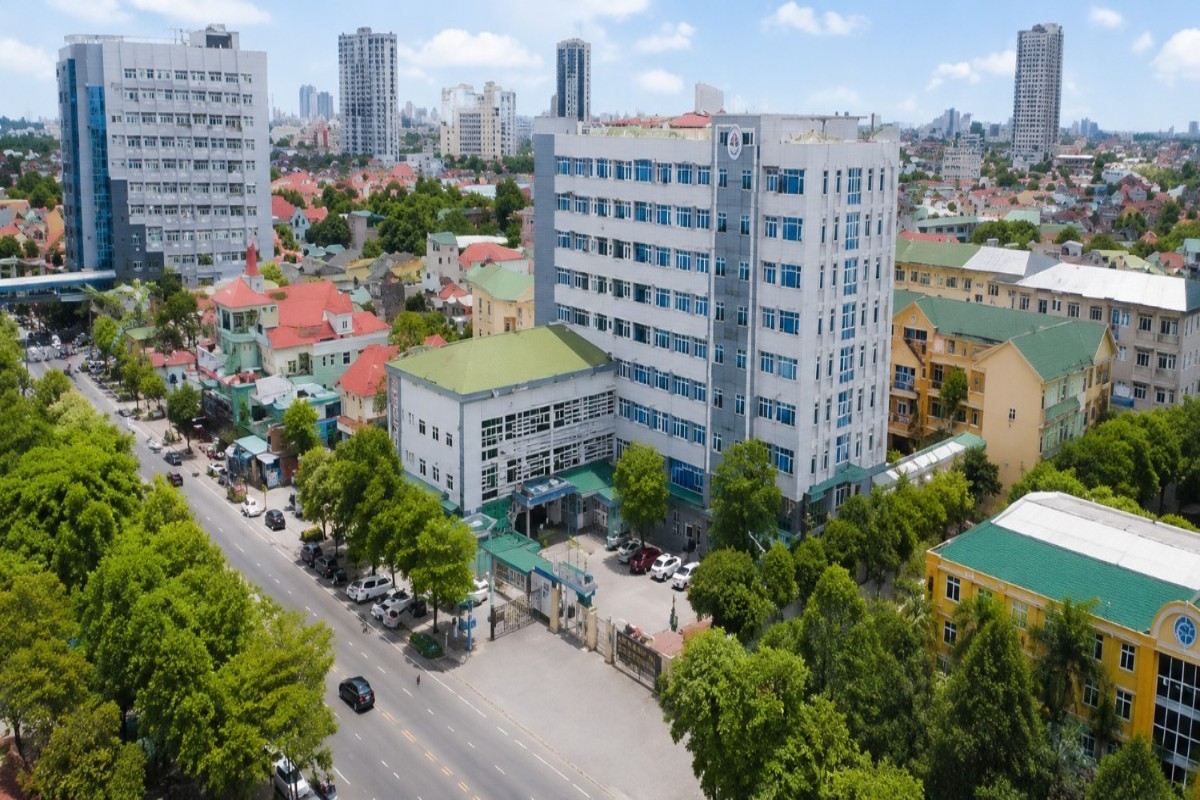
It's a private university, recognised by Vietnam's Ministry of Education and Training. Students train in Ho Chi Minh City itself — the country's biggest city, and its real hub for hospitals, research, and healthcare infrastructure — so medical students here get real access to a genuinely major urban system.
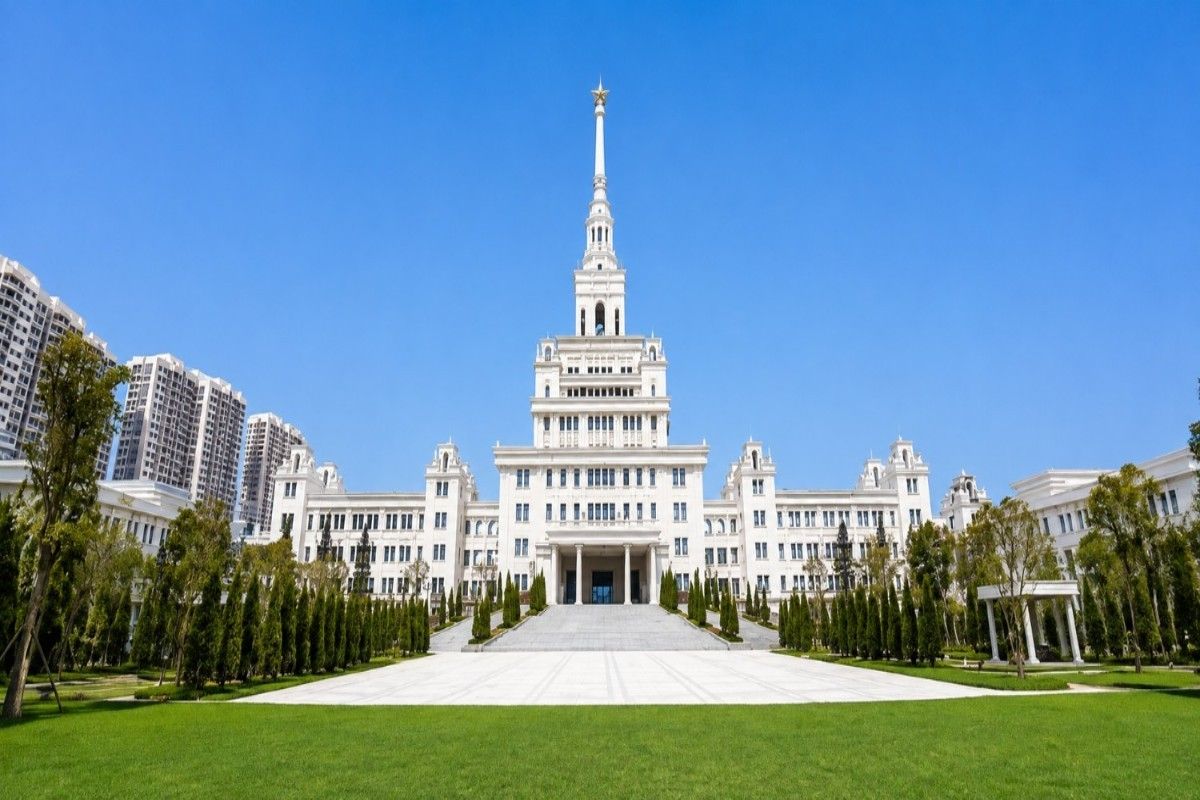
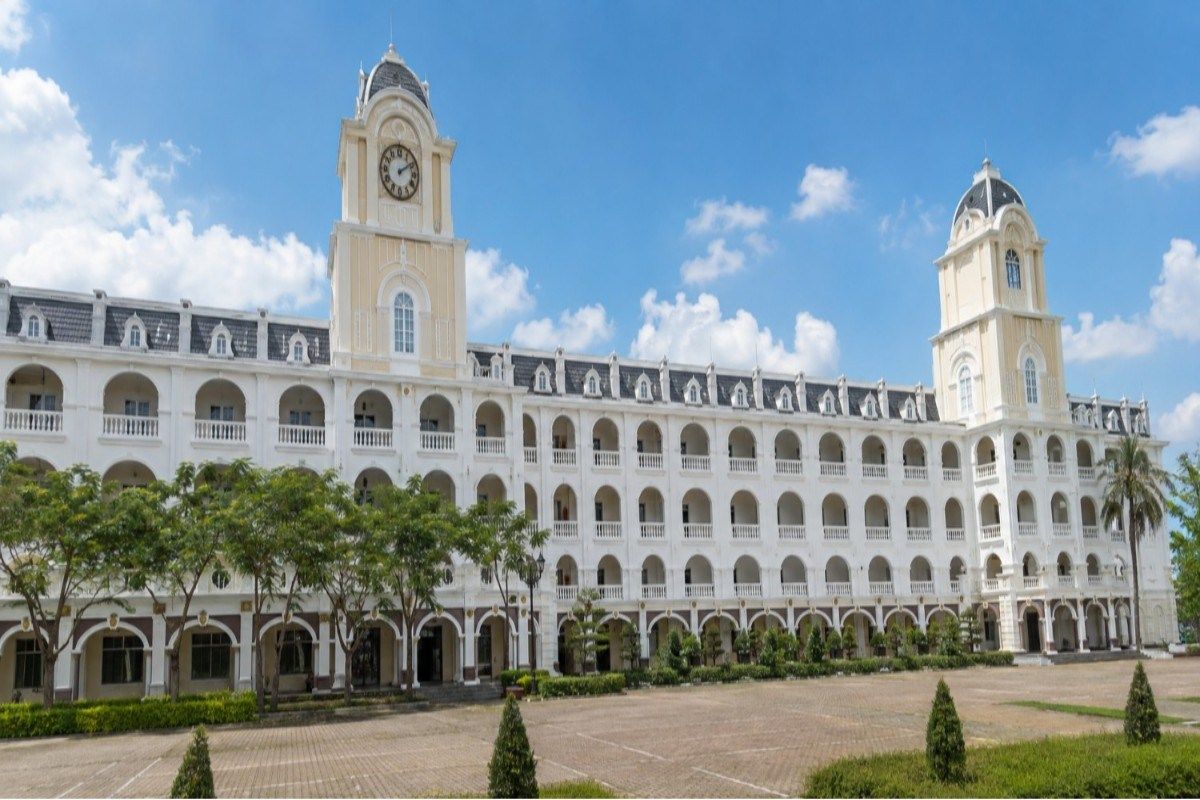
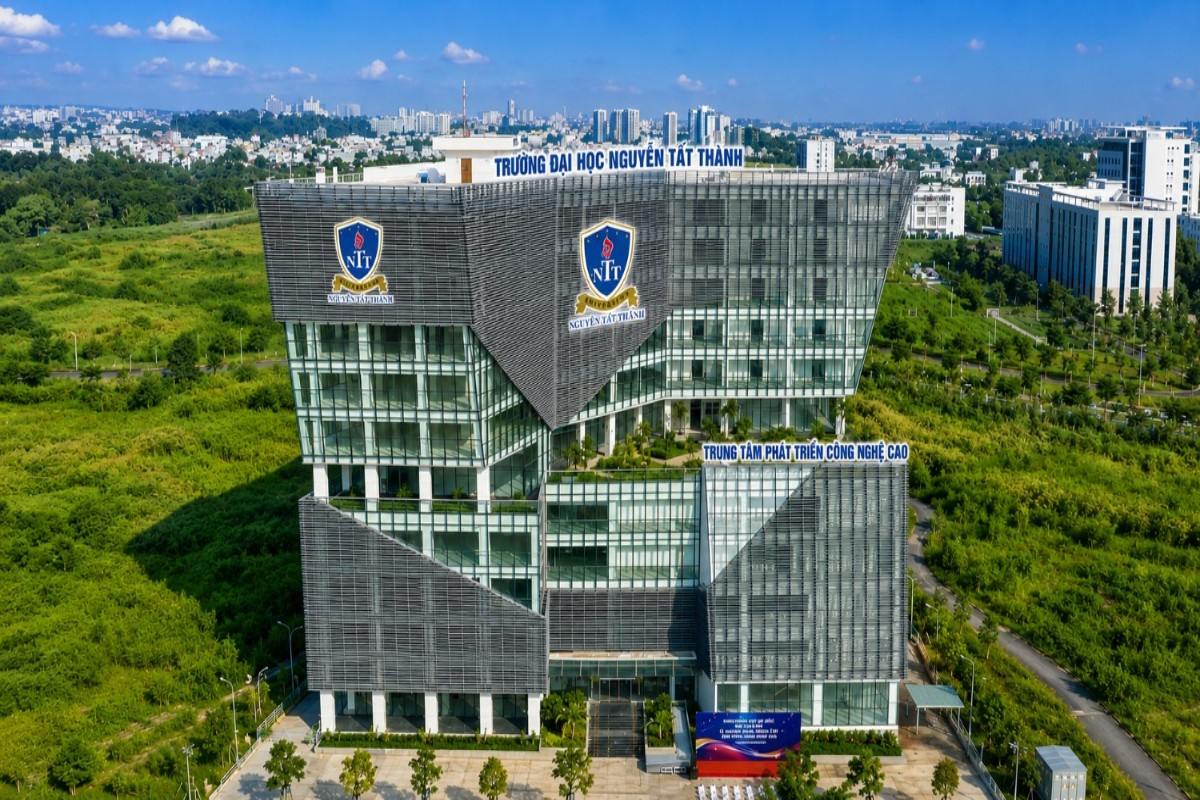
NTTU spreads across four campuses in four different districts of the city, which is a lot of ground for a private university — over 100,000 square metres of floor space, modern labs, big libraries, thousands of computers. Being in Vietnam's largest city means students aren't scrambling to find a decent hospital network; it's right there.
What genuinely stands out is how international NTTU's outlook has become. It's built partnerships with well over 140 institutions across some 20 countries — UK, Australia, Canada, Singapore, that kind of spread — which gives the Faculty of Medicine a more international feel than you'd expect from a purely domestic school.
Let's be straight about this. Medicine at NTTU isn't a Staatsexamen-style degree, and it doesn't follow the American-style curriculum some of the newer private Vietnamese medical schools have picked up. It runs Vietnam's own medical education model, treated as MBBS-equivalent, mixing classroom study with clinical training out in Ho Chi Minh City's hospitals.
Vietnamese carries the standard programme. That said, NTTU's been building out English-taught and international tracks across its wider course lineup, which fits its growing focus on international students generally.
Getting in as a domestic student usually runs through Vietnam's national entrance exam system — medicine and health science programmes are exactly the kind of field where those exam results really matter. If you're an international applicant, India included, you'll want to check directly with NTTU what route actually applies to the Faculty of Medicine specifically.
On cost, NTTU's health sciences tuition for the 2026 intake sits somewhere between roughly 43 and 183 million VND a year, depending on the programme, with dentistry at the top end. The university says fees stay fixed once you're enrolled, for the whole length of your course.
Parameter | Details |
Founded | 1999, in Ho Chi Minh City; Faculty of Medicine established in 2014 |
Institution Type | Private, non-profit university under the Vietnam National Textile and Garment Group |
Location | Ho Chi Minh City, Vietnam, across four campuses in four districts |
Programme | Doctor of Medicine (MBBS-equivalent) |
Duration | Confirm current structure directly, generally 6 years including clinical training |
Medium of Instruction | Vietnamese for the standard programme; English-taught tracks available across the wider university |
Admission Route | Vietnam's national entrance exam system for domestic students; international applicants should confirm the specific route directly |
Teaching Hospital | Hospitals and clinical training sites across Ho Chi Minh City |
Fee Component | Amount | Notes |
Annual Tuition (Health Sciences) | Approx. 43 to 183 million VND per year | Confirm the specific medicine programme rate directly with the university |
Fee Stability | Fixed for the full course duration | NTTU says fees don't rise once you've enrolled |
Living Costs | Approx. USD 300 to 500 per month | Covers rent, food, transport, and leisure in Ho Chi Minh City |
Hostel Accommodation | Available across campuses | Confirm current rate directly with the university |
Registration and Other Charges | Varies | Confirm current one-time and incidental costs directly |
Donation | No Donation | Fees are tuition-based |
Most competing pages don't explain this properly. Nguyen Tat Thanh was literally Ho Chi Minh's own birth name, so this university has a direct link to Vietnam's national history that most institutions just don't have — not named after a generic founder, not named after a town.
A lot of guides skip over who's actually behind NTTU. It sits under the Vietnam National Textile and Garment Group, a state-linked industrial conglomerate — a strange fit on paper for a school that also trains doctors, but it shows how far NTTU's diversified beyond where it started.
Let's be honest about a few things. NTTU's Faculty of Medicine is still fairly young, dating back only to 2014, so it doesn't have the decades of medical teaching history that Vietnam's older public medical schools carry. The main programme runs in Vietnamese too, so international applicants really do need to check what's available in English before committing to anything. So who's this actually for? Students who like NTTU's genuinely wide international partnership network and its location in Vietnam's biggest city, and who don't mind confirming language and admission details directly with the school first. If a long-established, English-medium international track is what you're after, some of the newer Vietnamese private medical schools built specifically for international students might suit you better. Still, if a well-connected, city-based university with a genuinely meaningful name appeals to you, NTTU's worth a proper look.
No hidden charges, no donation. The full picture of costs at MBBS in Nguyen Tat Thanh University Faculty of Medicine.
Tuition Fee
150,000,000 VND to 183,000,000 VND
— 43 to 183 million VND — Per year
Hostel Fee
VND 154.1 million/year
VND 154.1 million/year
Food & Meals
VND 3.2–4.2 million/month for a relatively economical lifestyle
per year
Insurance
VND 683,100/year per student
per year
Donation
No donation
no hidden fee
Total Estimated Cost
VND 1.204–1.312 billion,
6 year
25–35%
Average FMGE first-attempt pass rates for students from many overseas medical universities. Students from structured programs consistently score higher.
Students returning to India need to clear the FMGE/NExT exam. MBBS in Nguyen Tat Thanh University Faculty of Medicine integrates exam-oriented coaching into the regular curriculum so students are prepared from day one.
A structured program that takes you from foundational sciences to clinical mastery.
General education includes English, medical communication, information technology, physical education and national-defence education.
Students establish foundations in general sciences and introductory medical subjects, including chemistry, biology/genetics, anatomy, histology/embryology, biophysics and physiology.
System-based blocks cover cardiovascular, respiratory, digestive, urinary, endocrine/metabolic, musculoskeletal, nervous/behavioural, reproductive and paediatric development.
Core medical sciences expand into biochemistry, pathology/pathophysiology, microbiology-parasitology, pharmacology, haematology/immunology and diagnostic imaging.
Clinical areas progressively include internal medicine, surgery, infectious diseases, pediatrics, obstetrics and gynecology and other major medical specialties. The university describes Years 3–4 as the period in which students begin more specialized medical study.
The curriculum moves from predominantly foundational sciences toward clinical disciplines, with students developing the knowledge required for symptoms, disease mechanisms, diagnosis and treatment.
Clinical reasoning focuses on history-taking, symptoms, syndromes, diagnostic criteria, treatment principles and prevention.
Students deepen their study of internal medicine, surgery, pediatrics, obstetrics and gynecology, infectious diseases and other clinical specialties.
Training covers major clinical areas including internal medicine, surgery, pediatrics, obstetrics and gynecology, infectious disease and other specialties required for general medical practice.
• Students enter the predominantly clinical phase, with substantial practical training under supervising physicians in hospitals and healthcare facilities.
Clinical education brings together internal medicine, surgery, pediatrics, obstetrics/gynecology, infectious diseases and other specialty experiences into preparation for general medical practice.
The final year is centered on advanced hospital-based clinical practice and consolidation of general medical competencies. NTTU describes Years 5–6 as the period of direct hospital clinical work with supervising doctors.
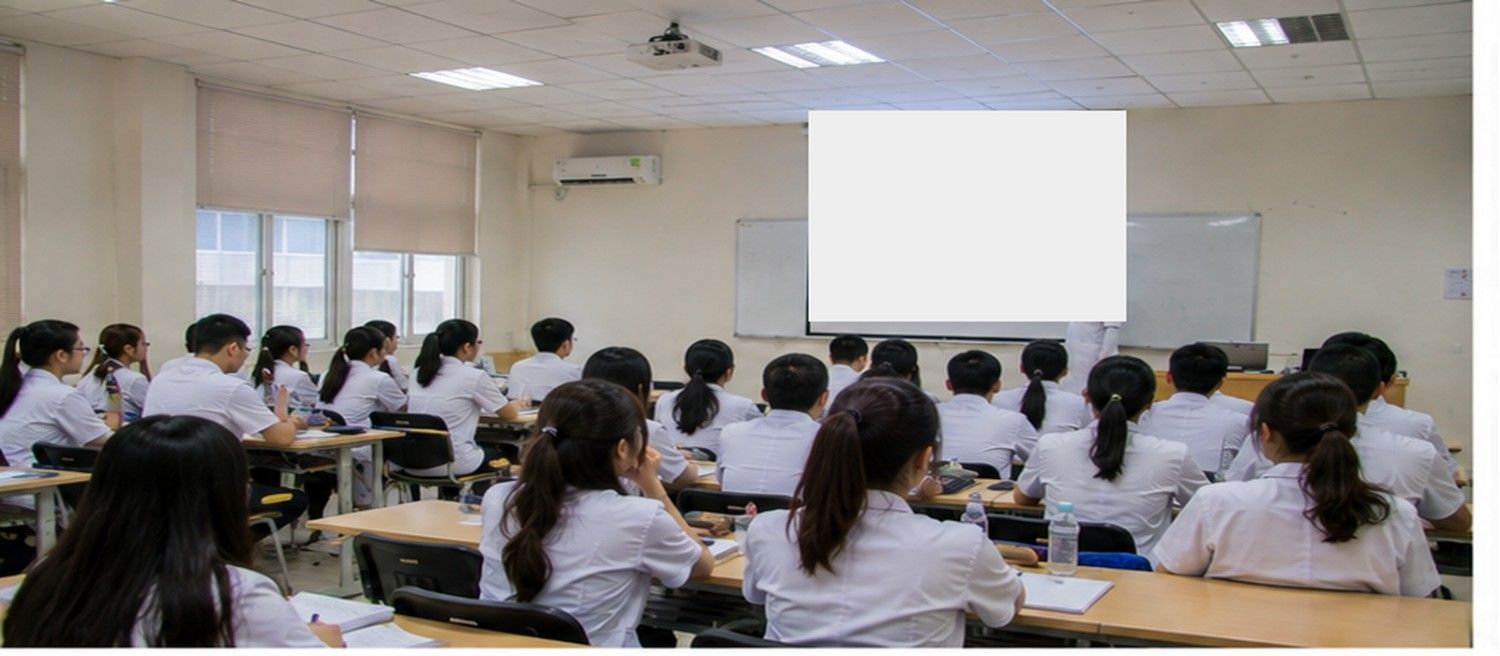
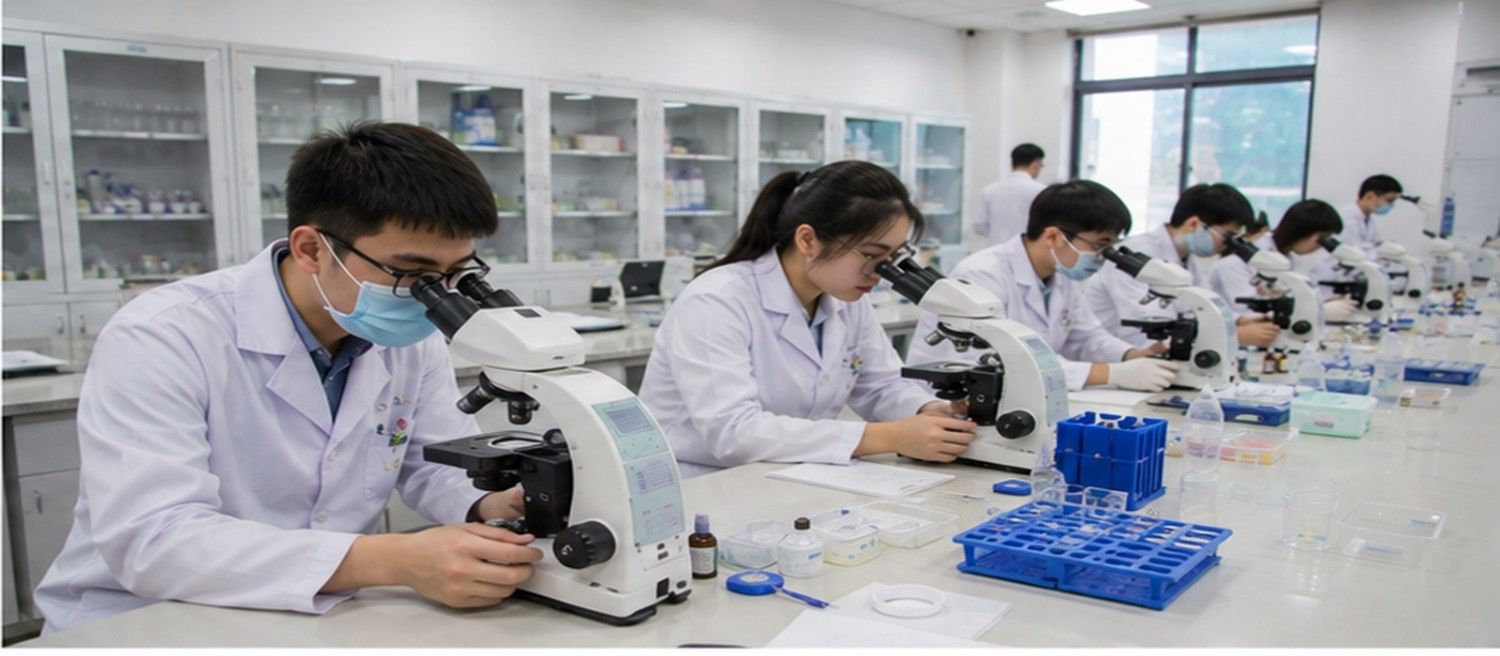
Furnished hostel rooms with Wi-Fi, laundry, 24/7 security, and Indian mess on or near campus.
Indian restaurants and mess facilities serving vegetarian and non-vegetarian home-style food daily.
Strong Indian community with cultural events, festival celebrations, and peer support groups.
Students get hands-on clinical training in government and private hospitals affiliated with the university.
Practical information for students planning to study at MBBS in Nguyen Tat Thanh University Faculty of Medicine.
Prepare for all seasons. Thermal wear for winters, light clothing for summers. University provides heating in hostels.
Student visa processed with university invitation letter. Direct and connecting flights from major Indian cities.
Health insurance included in fees. Medical facility on campus plus city hospitals easily accessible.
Local SIM cards available. WhatsApp and video calls keep you connected with family back home.
Average monthly expenses of $150–$250 covering food, transport, and personal needs.
University library, online databases, and study groups. Seniors mentor juniors through academic challenges.
Our team guides you through every step — from application to arriving on campus.
Compare based on fees, clinical exposure starting year, city, and current NMC/WDOMS status, not just the cheapest headline number. This comparison step is where most of the confusion about MBBS in Vietnam and the fees for Indian students is actually resolved.
Submit academic transcripts and NEET scorecard to the university, either directly or through an authorised admission partner.
The university's international admissions office verifies submitted documents and academic eligibility.
Most universities issue this within 5–10 working days of document approval, though this can take longer during peak intake season.
Pay the first-year fee or an agreed-upon advance to confirm your seat.
The university registers your Letter of Invitation with the relevant Vietnamese education authority before the visa stage begins.
Apply for the student visa at the Vietnamese embassy/consulate in India; realistic processing time is 10–20 working days.
Book travel, confirm arrival dates with the university's international office, finalise documents, and arrange insurance in the final 30 days.
Complete on-arrival registration with local authorities within the required window (commonly 3–5 working days) — this is what legally covers your stay for the semester, not the entry visa alone.
Open a local bank account, get a local SIM card, attend orientation (including basic language sessions where offered), and start building routine and community connections.
Admission Helpline — Contact our counsellors for step-by-step assistance.
“The faculty here is incredibly supportive. The clinical training during hospital rotations has given me real confidence in patient care.”
“Affordable fees without compromising on quality. The campus facilities and hostel life made my transition abroad very smooth.”
“English medium instruction and WHO-recognized curriculum were the deciding factors for me. No regrets so far — excellent experience overall.”
“The university helped with everything from visa to accommodation. Hospital exposure from year three has been invaluable for my FMGE prep.”
“Just cleared my licensing exam on the first attempt. The structured coaching and mock exams during final year were a game-changer.”
“Safe campus, good food options, and a strong Indian student community. The teaching methodology is very practical and hands-on.”
The university started in 1999; the Faculty of Medicine followed in 2014.
It was Ho Chi Minh's birth name, before he took the name Vietnam — and the world — knows him by.
The main Faculty of Medicine programme runs in Vietnamese; check with the university directly about any English-taught options.
Domestic applicants generally go through Vietnam's national entrance exam system; international applicants should confirm the route directly.
Health sciences tuition runs roughly 43 to 183 million VND a year — confirm the exact medicine rate with the university.
A Doctor of Medicine (MD), treated as MBBS-equivalent internationally.
Hospitals and clinical sites spread across Ho Chi Minh City.
Not automatically — international graduates would need to confirm recognition and clear any required exam, like India's NExT, separately.
Private and non-profit, sitting under the Vietnam National Textile and Garment Group.
It runs under a state-linked textile and garment conglomerate — a genuinely odd parent organisation for a school with its own medical faculty.
Our expert counsellors will guide you through the complete admission process — from documents to airport pickup.