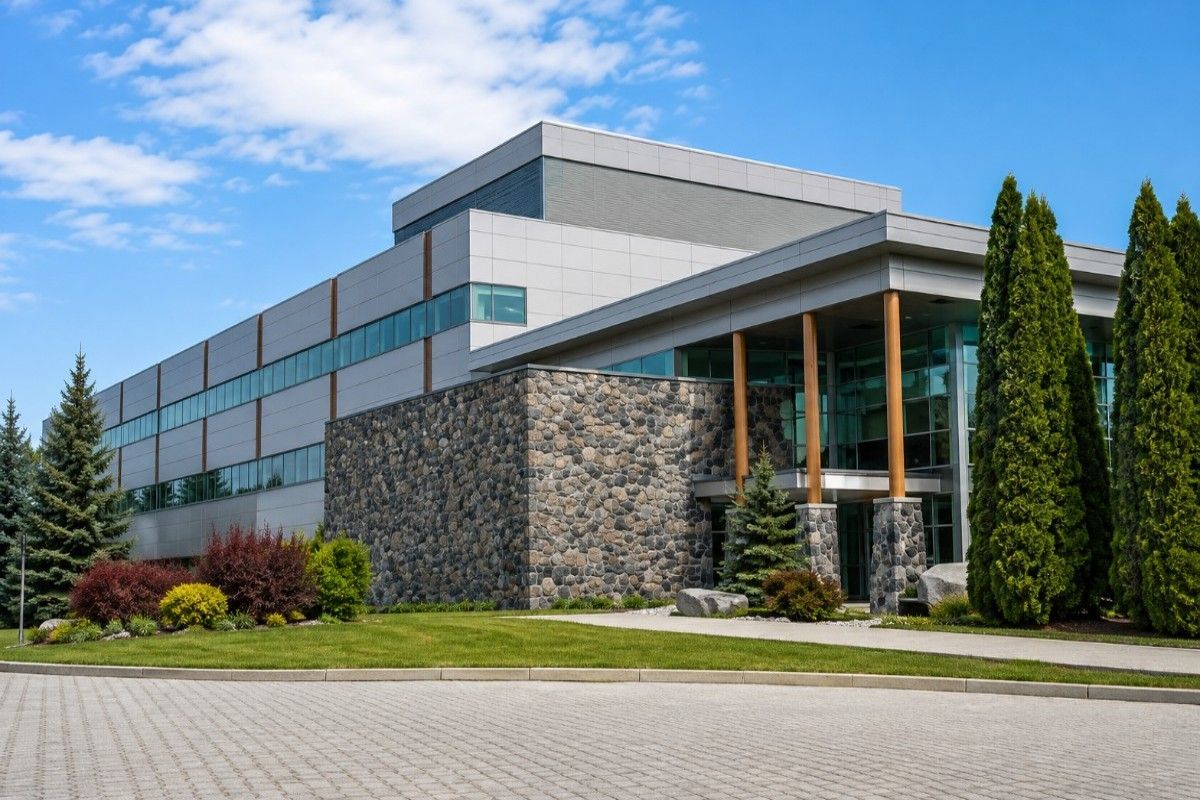
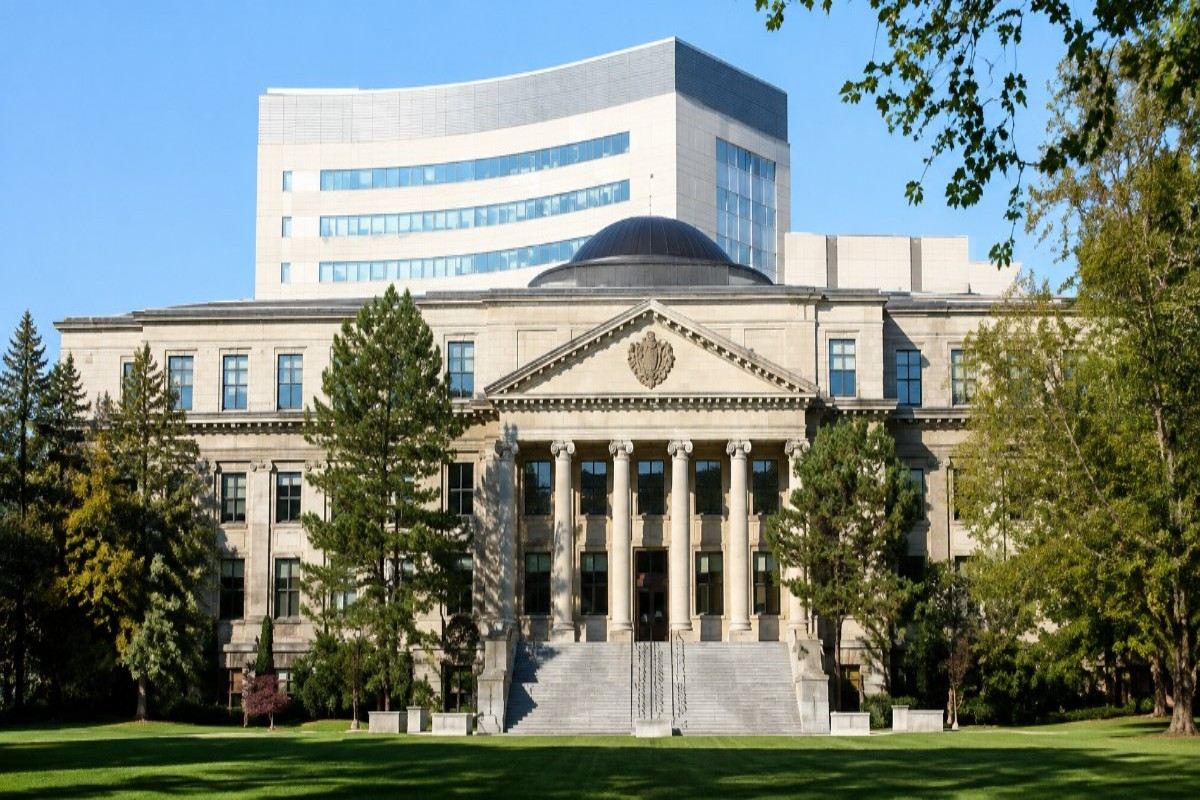
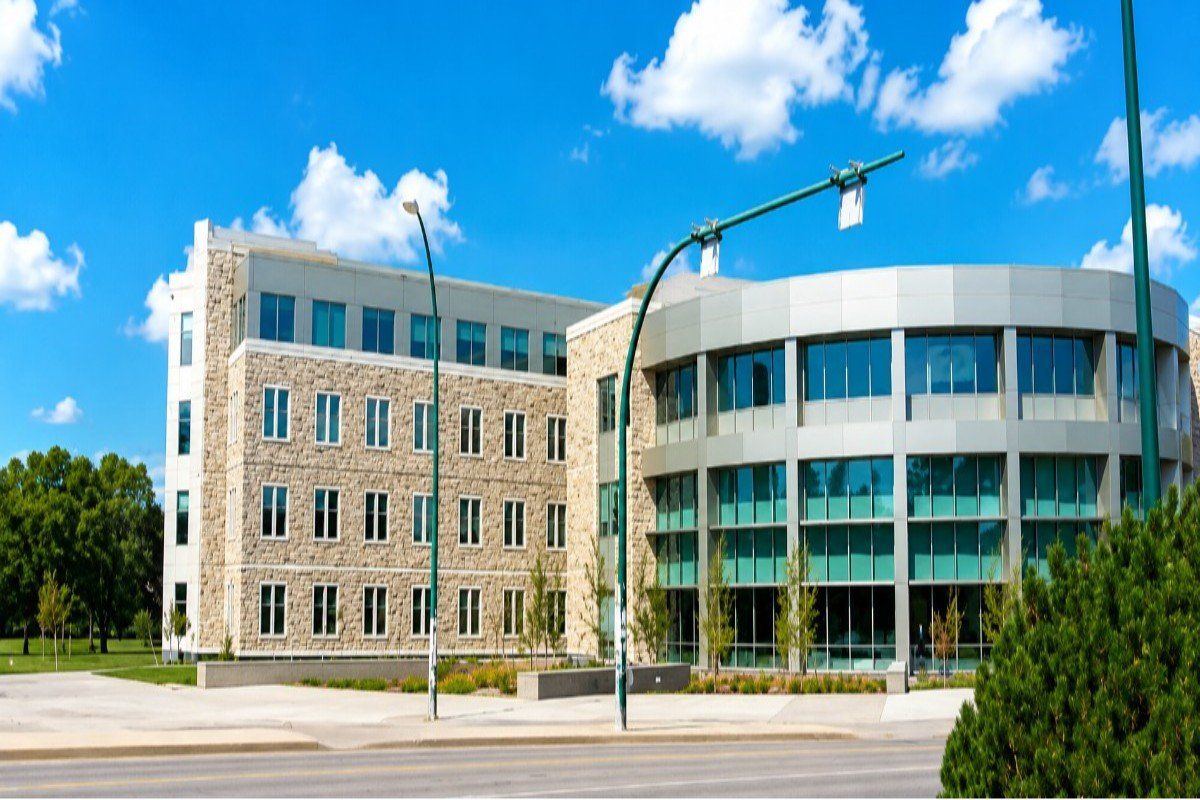
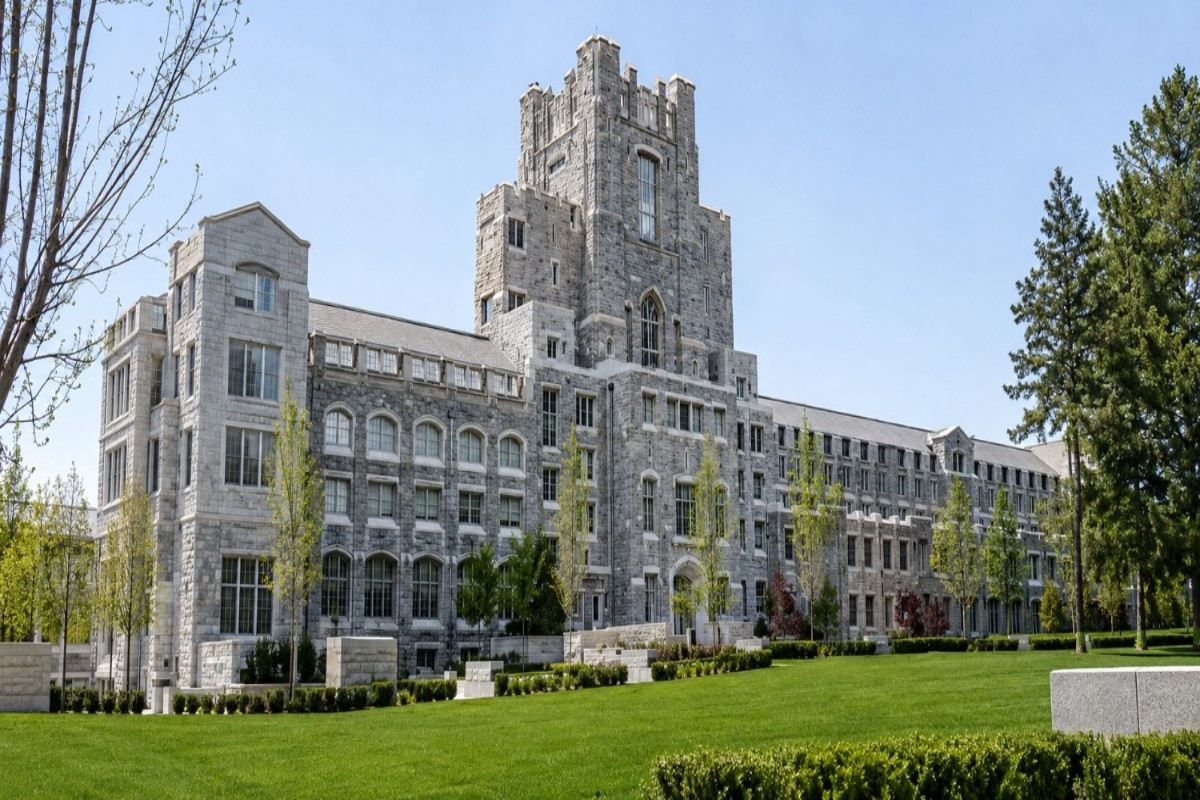
Northern Ontario School of Medicine University (NOSM University) is a public medical university located in Sudbury, Ontario, Canada. It was established to address the shortage of healthcare professionals in Northern Ontario and to improve access to medical education and healthcare services in rural, remote, and Indigenous communities. The university operates with a strong focus on community-based medical education and prepares students to work in diverse healthcare settings.
NOSM University was established in 2005 as the Northern Ontario School of Medicine, a partnership between Lakehead University in Thunder Bay and Laurentian University in Sudbury. In 2022, it became an independent university, making it the first independent medical university in Canada. The institution continues to maintain its commitment to training physicians who understand the healthcare needs of Northern Ontario communities.
The university is publicly funded and has a unique educational model that places students across different communities throughout Northern Ontario. Its main campuses are located in Sudbury and Thunder Bay, while clinical learning takes place in hospitals, clinics, and community healthcare facilities across the region. This distributed education model allows students to gain experience with different patient populations and healthcare challenges.
The School of Medicine offers a Doctor of Medicine (MD) programme designed for students who want to pursue careers as physicians. The curriculum combines classroom learning, clinical exposure, community engagement, and research activities. Students are introduced to medical sciences in the early years and gradually move towards patient-focused learning through clinical placements.
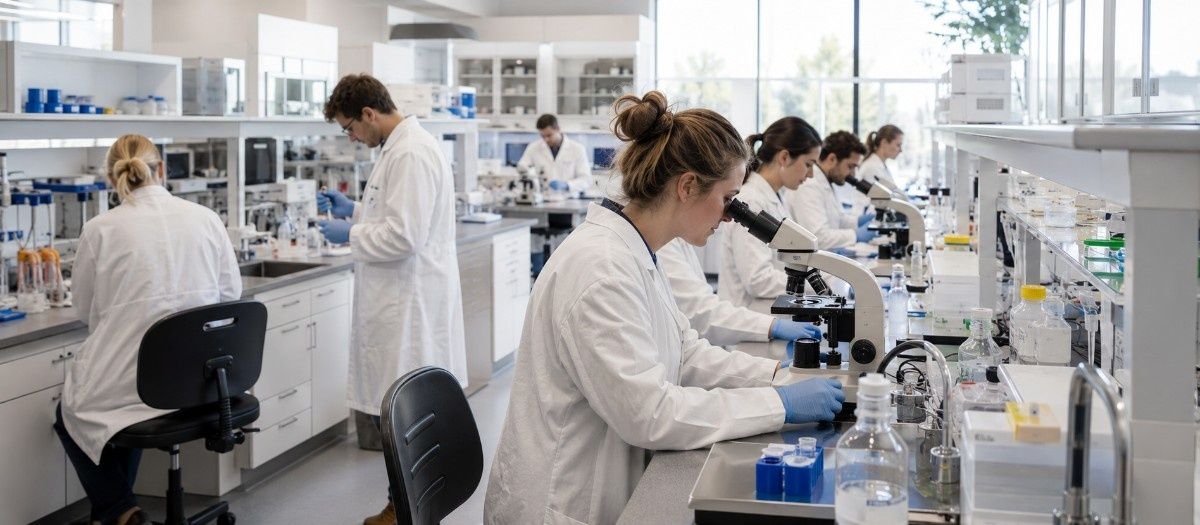
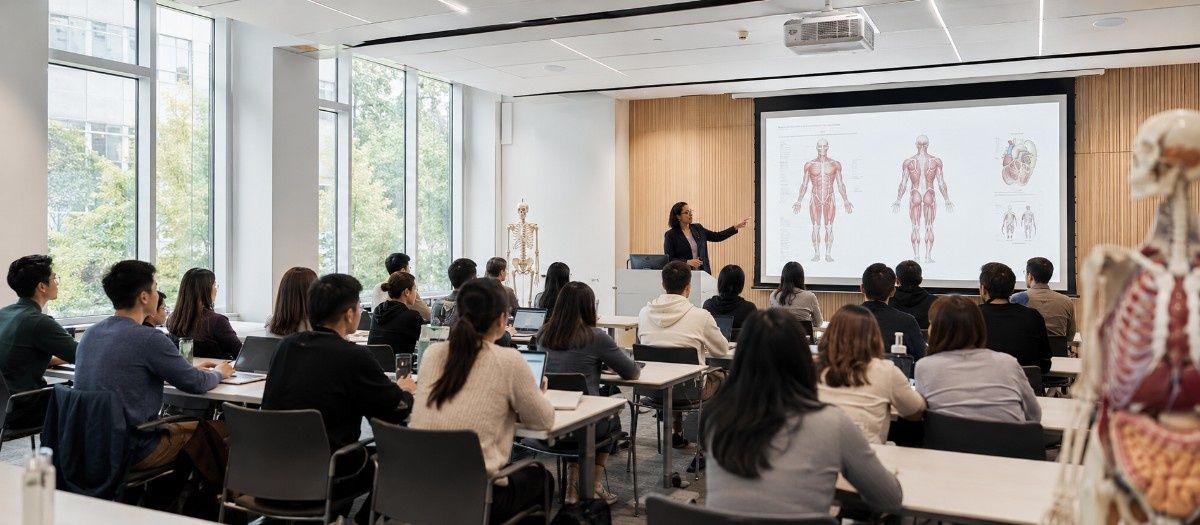
Pre-clinical education includes subjects such as anatomy, physiology, biochemistry, pathology, pharmacology, and other foundational medical sciences. Students learn through lectures, small-group sessions, problem-based learning, and practical activities. The programme also focuses on social accountability, healthcare equity, Indigenous health, and the role of physicians in supporting community wellness.
Clinical education begins early in the programme and continues through multiple years of medical training. Students complete clinical rotations in hospitals, family medicine clinics, and community healthcare settings. These placements provide experience in areas such as internal medicine, surgery, pediatrics, psychiatry, emergency medicine, and obstetrics and gynecology. The university’s rural and remote clinical placements help students understand healthcare delivery outside major urban centres.
NOSM University uses simulation-based learning to help students develop clinical skills in a controlled environment before working directly with patients. Simulation facilities allow learners to practise communication, physical examination techniques, emergency response, and patient management skills. These activities support safe and effective clinical decision-making.
Research is an important part of the university’s academic activities. The institution focuses on research areas connected to Northern health, rural medicine, Indigenous health, population health, and healthcare accessibility. Students have opportunities to participate in research projects, academic activities, and community-based studies that address real healthcare needs.
The university collaborates with healthcare organizations, hospitals, Indigenous communities, and academic partners across Canada. These partnerships support medical education, clinical training, and research development. The university’s community-focused approach helps students gain practical knowledge about healthcare systems and patient care.
International students and learners from different backgrounds benefit from an inclusive academic environment and student support services. The university provides academic guidance, career support, wellness resources, and learning assistance to help students succeed throughout their medical education.
Graduates of NOSM University receive a Doctor of Medicine degree and can continue their medical careers through residency training in Canada or other countries, depending on licensing requirements. The programme prepares students with clinical knowledge, communication skills, and professional responsibilities needed for modern medical practice.
Northern Ontario School of Medicine University has developed a distinct identity through its focus on community-based education, rural healthcare, and socially responsible medical training. Its approach provides students with opportunities to learn medicine while understanding the healthcare needs of different communities. The university continues to expand its role in medical education and healthcare improvement across Northern Ontario and beyond.