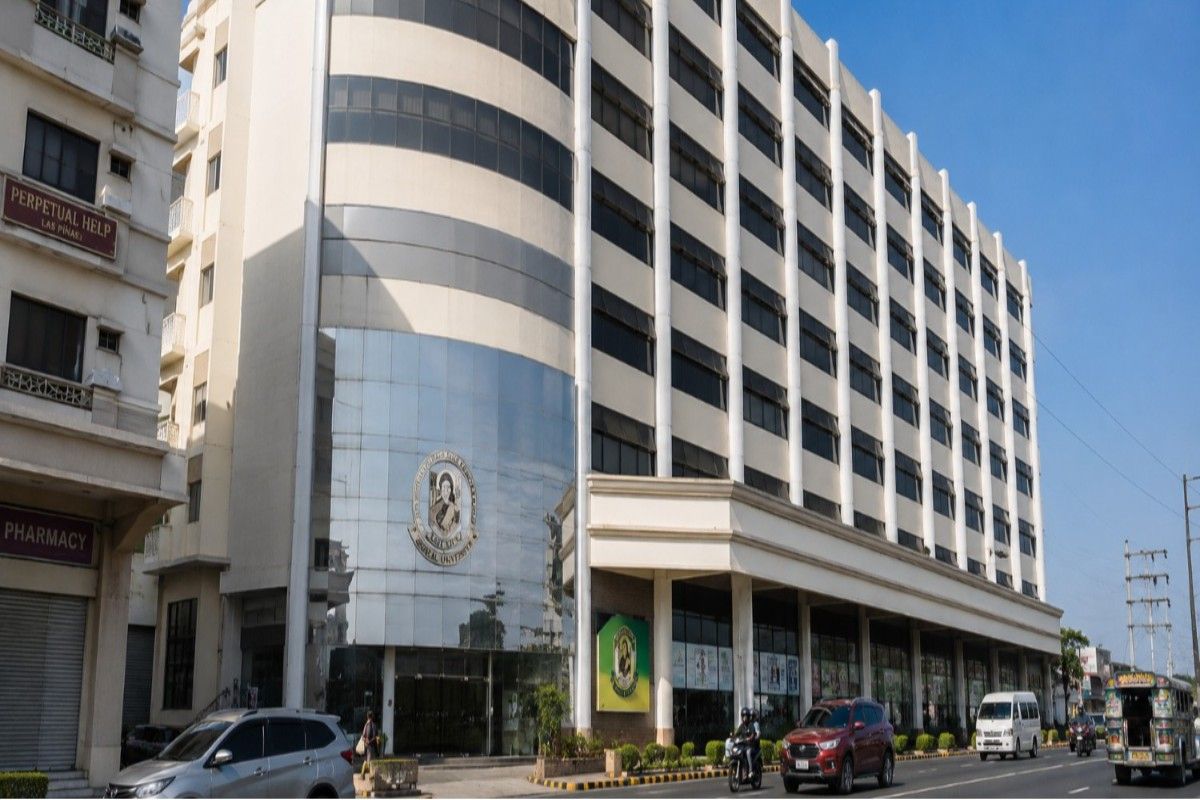
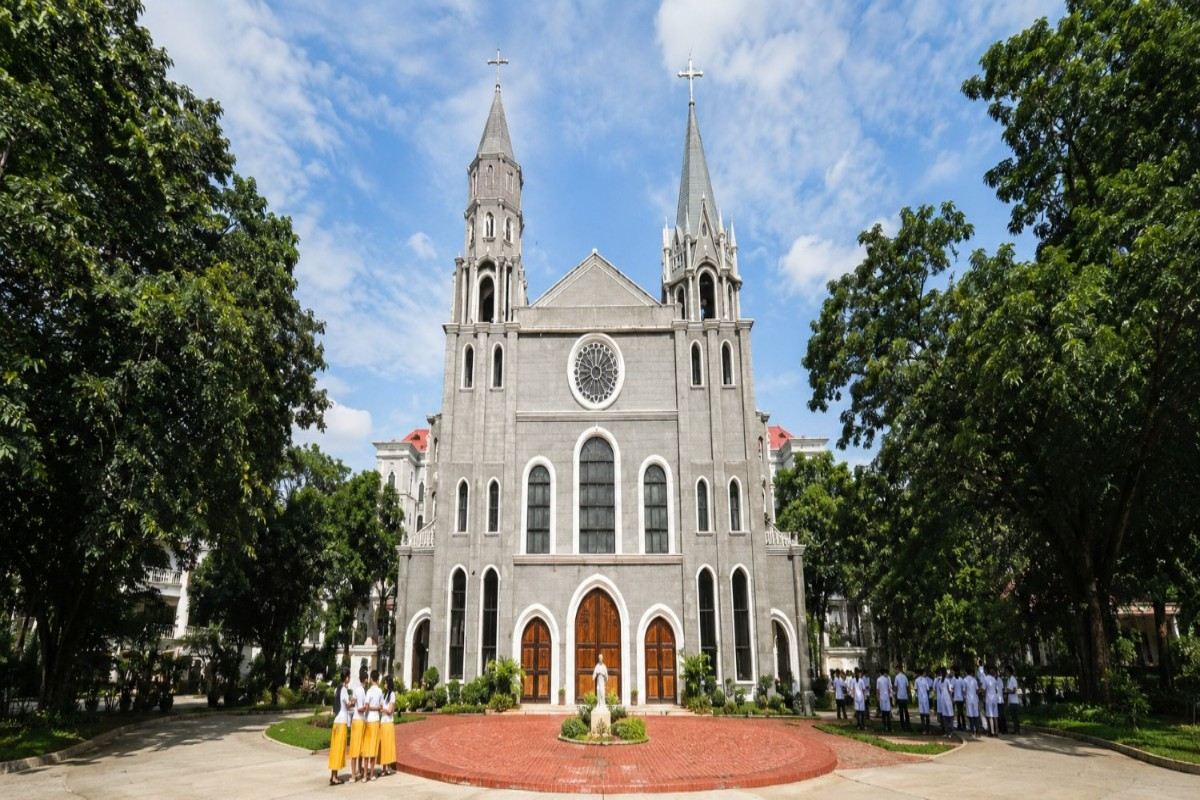
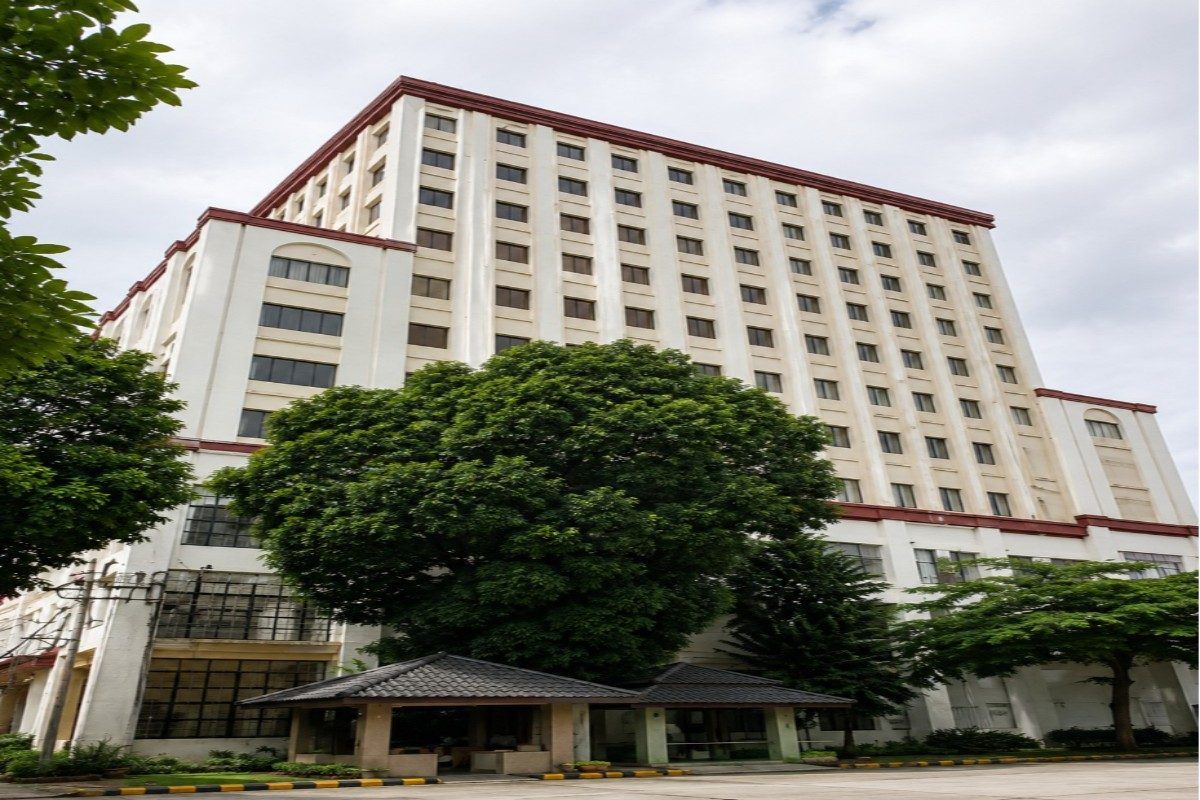
Biñan comes up a lot in Indian MBBS consultancy circles these days. Dr. Jose G. Tamayo Medical University sits inside a sprawling university compound south of Manila, and while it isn't a new institution in the Philippines, it's a fairly new name on Indian shortlists.
The founding year is 1977, when the Tamayo family's education network expanded into Biñan, Laguna, roughly an hour south of Metro Manila by road. It falls under the University of Perpetual Help System JONELTA lineage, a separate branch from the better-known UPHSD campuses in Las Piñas, though both trace back to the same Tamayo mission that started with a nursing college in 1968. Outside researchers mix the two up constantly, so double-check before comparing fee sheets between them.
CHED, the Philippines' Commission on Higher Education, recognizes the Doctor of Medicine program here. That recognition is what lets graduates sit for licensure in the first place. In May 2025, CHED wrote formally to the Embassy of India confirming that its MD curriculum structure (54 months of coursework plus a 12-month internship) matches what India's National Medical Commission expects under its 2021 Schedule-I notification, and an Embassy advisory dated 17 June 2026 restates this alignment. It stops short of guaranteeing FMGE or NExT eligibility outright. Reciprocity guidance from Indian authorities is still pending.
Perpetual Help Medical Center in Biñan is the system's own teaching hospital and handles most clinical training. Promotional materials also mention affiliated hospitals across Metro Manila for rotations, though independent bed-count figures for any of these facilities weren't confirmable through official channels at the time of writing.
Manila's Ninoy Aquino International Airport is the arrival point from India, then about an hour by road to the Biñan campus. That's noticeably shorter than the connecting-flight ordeal some other study-abroad routes involve. Direct and one-stop flights from Delhi, Mumbai, and Hyderabad run regularly enough, and an existing Indian student community around Laguna takes some of the edge off settling in during the first few months.
The university markets itself heavily around board-exam performance. It calls itself the "home of board topnotchers," and its physical therapy program earned a PRC Top 3 School designation in 2017. Whether that record extends equally to the medical program is harder to verify from outside, though it does suggest an institution that treats licensure outcomes as part of its identity rather than an afterthought.
Costs below combine figures published on the university's own fee page with numbers repeated across several Indian MBBS consultancy sites, and the two don't always agree — read the note beneath the table before treating any row as final.
Cost Item | Per Year (USD / local currency) | Total Programme Cost (approx.) |
MD Tuition | approx. $4,750 (about ₹4 lakh) | approx. $21,375 for the full MD program |
Pre-Medicine/BS Phase (if required) | approx. ₱4,20,000 (Philippine pesos) total for the phase | varies by prior qualifications |
Hostel/Accommodation | approx. ₱12,000 per month cited on official fee page | varies by contract length |
Food/Mess | often bundled into hostel cost | confirm separately with admissions |
Visa & Documentation (India-side) | one-time, roughly ₹1,50,000 per consultancy estimates | one-time |
Donation/Capitation Fee | None reported | None reported |
Total Estimated (Program) | — | figures cited range roughly $21,000-$25,000 USD plus India-side costs, unverified against an official master fee schedule |
These numbers come from a mix of the university's fee page and third-party consultancy sites that don't fully match each other, so confirm the exact current fee schedule directly with the admissions office before committing to anything.
Why UPH-DJGTMU Deserves a Harder Look Than You've Given It
The genuinely interesting part about this university isn't the marketing copy. It's the timing. CHED's May 2025 letter to the Indian Embassy, and the June 2026 advisory that followed it, amount to a documented, government-to-government confirmation that Philippine MD structures now mirror what NMC wants. For years, Indian families researching MBBS abroad had to guess whether a Philippine degree would even be structurally compatible back home. There's a paper trail now, and it happens to have landed right as this particular university started actively courting Indian applicants. Probably not a coincidence.
That paper trail deserves a careful read, because it doesn't say quite what some marketing pages imply. The Embassy advisory itself states plainly that reciprocity guidance, the actual green light for FMGE and NExT eligibility, is still awaited from Indian authorities. Structural alignment and exam eligibility are two separate things, and conflating them is precisely the shortcut a cautious applicant should watch for.
The fee picture calls for the same skepticism. One site tied closely to the university quotes roughly $21,000 for the full MD tuition, while other consultancy pages put annual figures in the ₹1.5 to 2 lakh range that don't cleanly add up to that total. Neither source is obviously wrong, but neither is obviously authoritative either. Anyone serious about applying should ask admissions directly for a signed, itemized quote before wiring any money.
On the solid side of the ledger, this university has been operating continuously since 1977, it holds CHED recognition, and its own teaching hospital sits practically on campus. The licensing infrastructure question, the one that actually keeps Indian parents up at night, has real regulatory movement behind it rather than pure sales talk. A brand-new, unaccredited operation wouldn't be in that same position.
So what is this place, honestly? An established, mid-tier Philippine medical school riding a genuine wave of regulatory good news, with fee transparency that still needs to catch up. It isn't a scam. It isn't a slam dunk either. It rewards a family willing to do its own homework before signing anything.