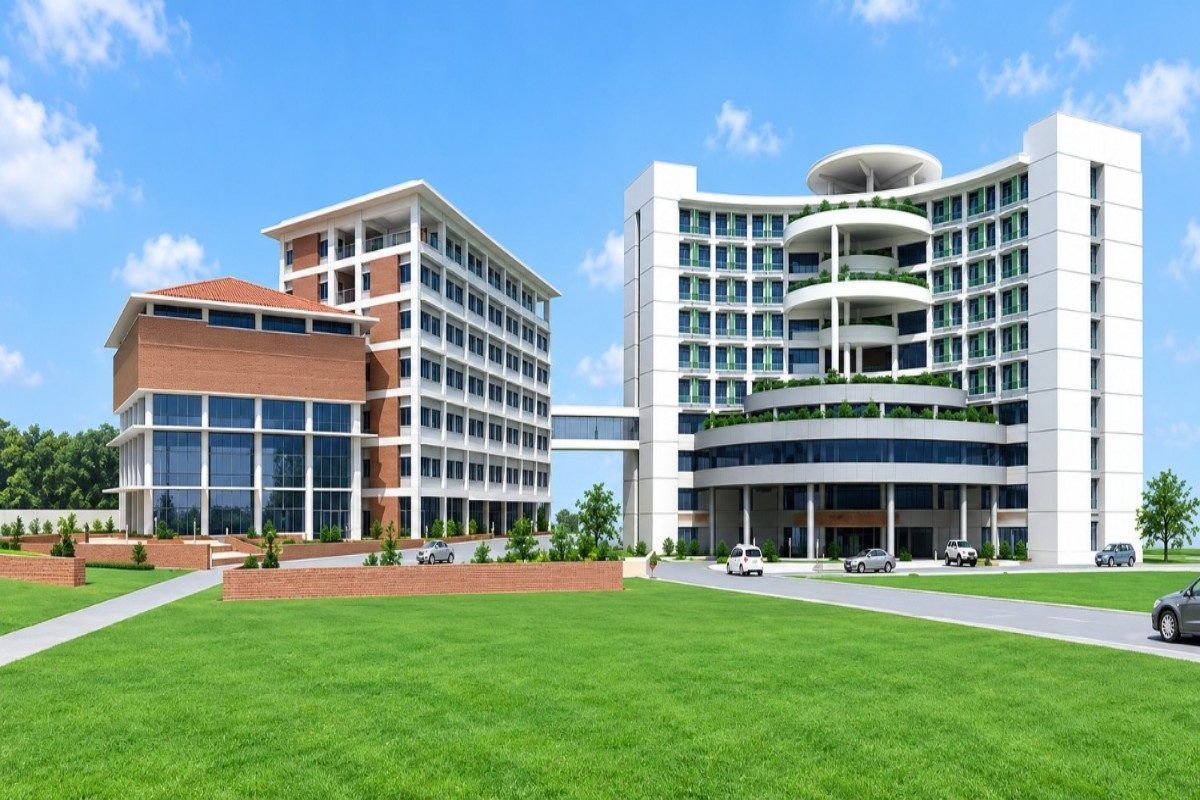
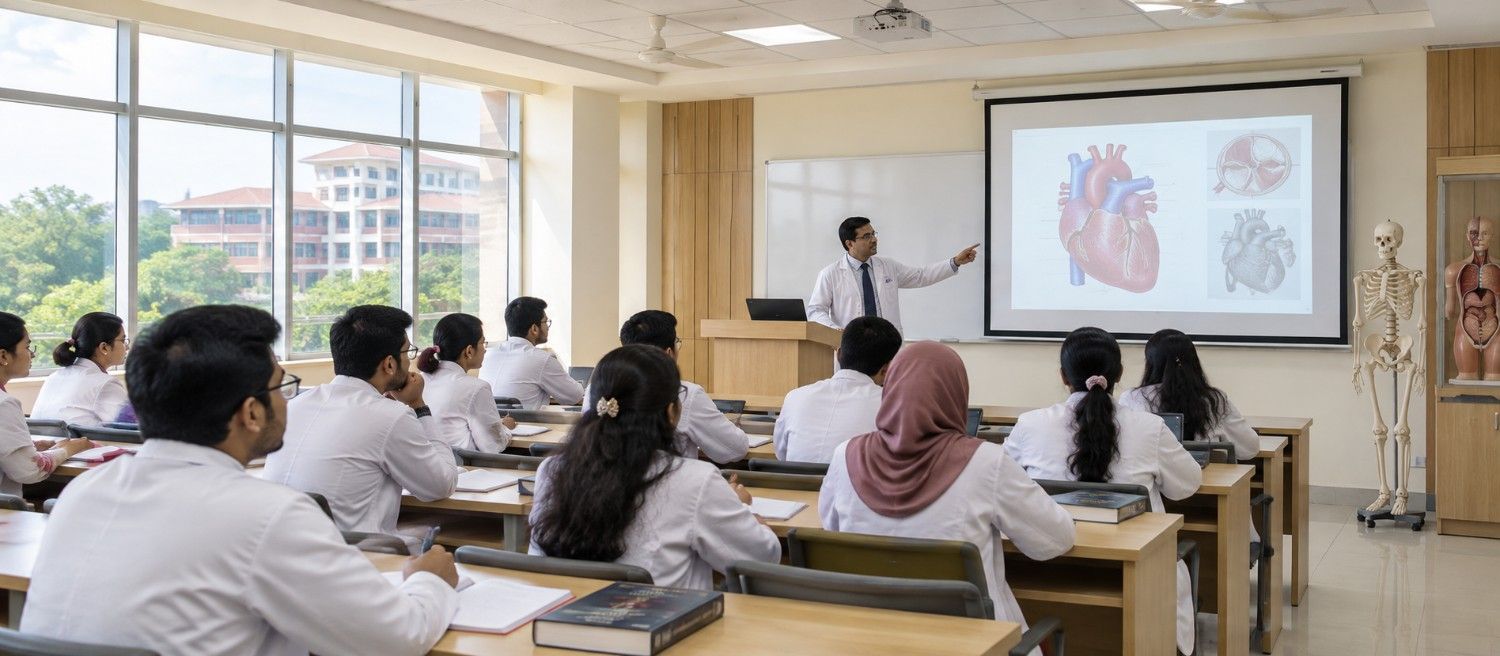
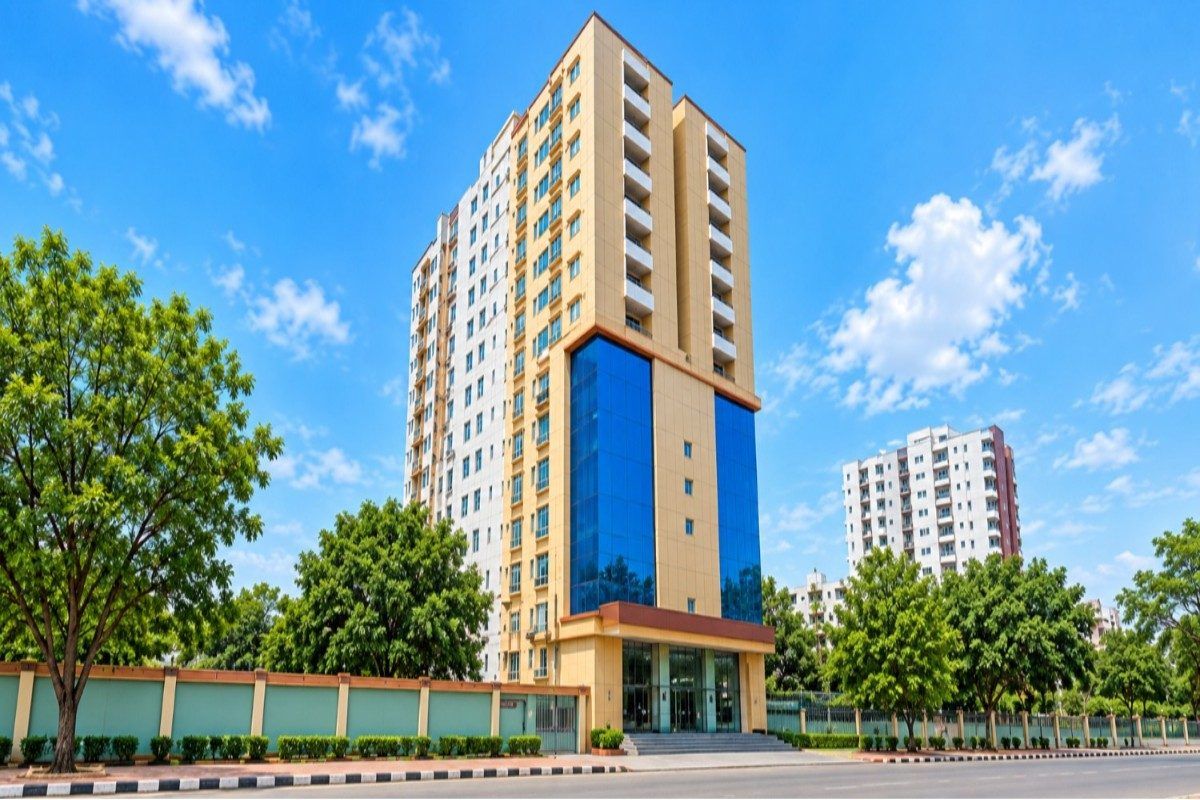
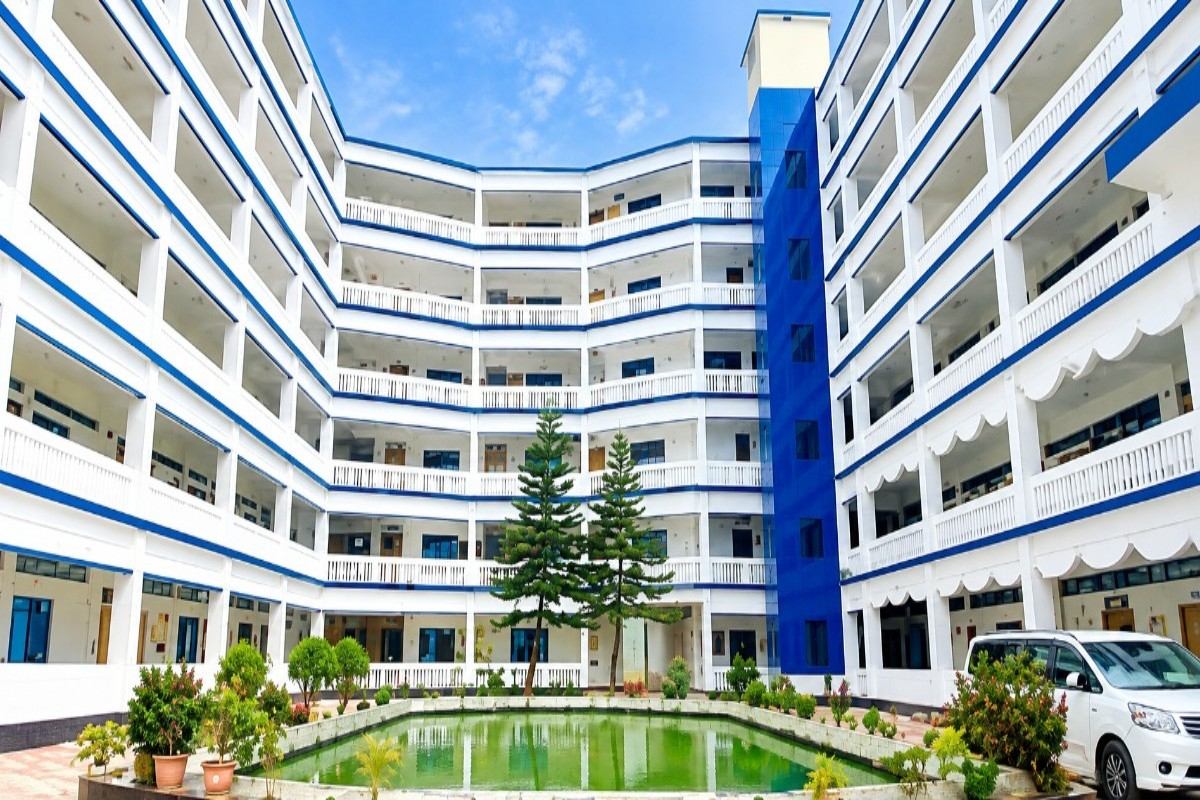
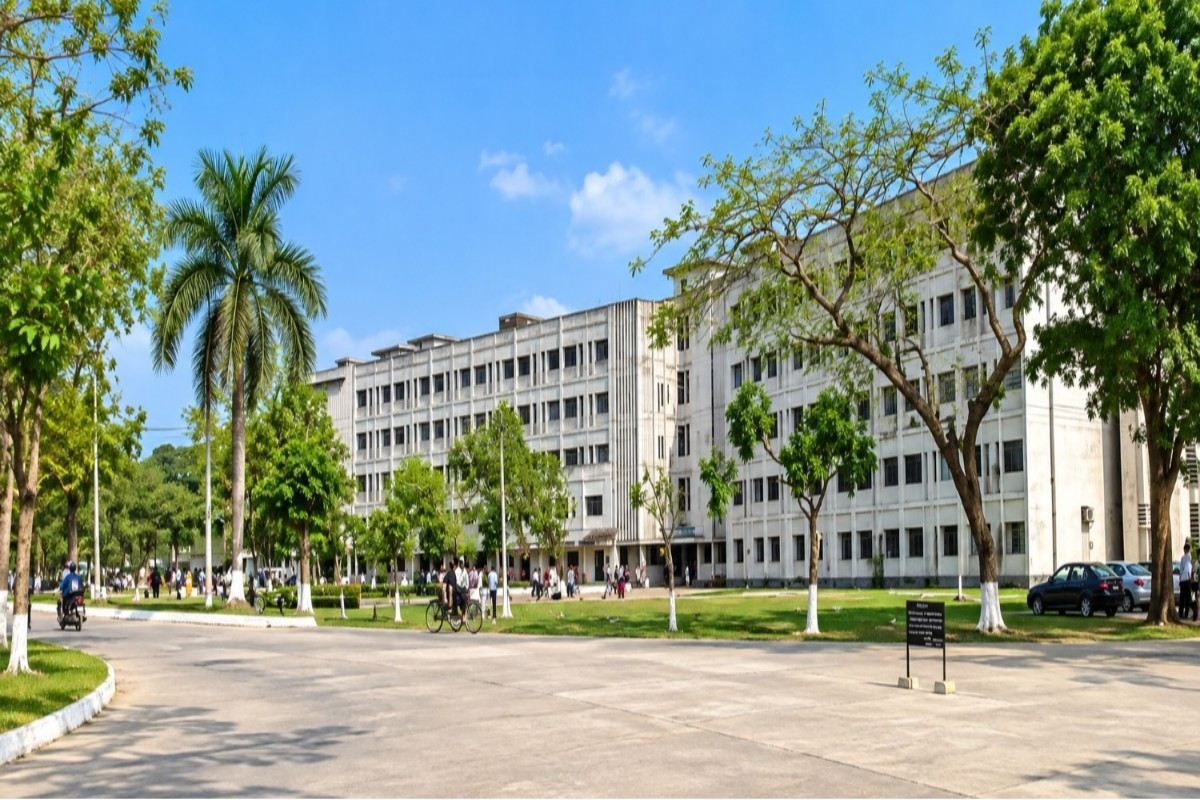
People mostly just call it PAHMC for short. It is a private medical college, established in 2013, located in Dattapara, Boalia, Kishoreganj, Bangladesh, roughly 5 kilometres from Kishoreganj's own regional town centre. Here is a genuine, worth-flagging error caught while researching this profile. At least one detailed source directly contradicts itself, stating in one sentence that PAHMC is "a government medical college," before immediately describing it in the very next sentence as "a private or non-government medical college." Multiple other, independent sources consistently confirm PAHMC is genuinely private, so applicants should treat any claim of government status as a clear error rather than a genuine ambiguity.
PAHMC is named directly after Md. Abdul Hamid, who served as President of Bangladesh from 2013, the exact same year the college itself was founded. The college's own associated teaching hospital, PAHMC Hospital, began operations in 2014, one year after the college's own founding, and now reports 250 beds specifically dedicated to clinical training and healthcare services.
The college's own campus spans 7 acres, supported by 70 highly educated faculty members. Reported total student numbers genuinely vary across sources, from approximately 500 students overall, per one detailed source, to a separately reported figure of more than 1,000 international students specifically, per another; this second figure appears considerably inflated, likely reflecting either a data error or a conflation of cumulative historical enrolment with a current, single-year snapshot, so the more conservative 500-student figure should be treated as the more plausible current total.
PAHMC is recognised by the Bangladesh Medical and Dental Council, BMDC, the World Health Organisation, WHO, and India's own medical regulatory body, referred to inconsistently across sources as either the Medical Council of India, MCI, its former name, or the National Medical Commission, NMC, its current, correct name since 2020; applicants should use NMC as the accurate, current terminology going forward. The MBBS programme runs for 6 years total, comprising 5 years of academic study followed by a compulsory 1-year internship, with English serving as the sole medium of instruction throughout.
PAHMC offers comfortable, well-furnished separate hostel accommodation for boys and girls, located within the university campus itself. Hostel rooms come with attached bathrooms and toilets, shared between students, alongside a common kitchen where students can prepare their own food if preferred. A dedicated mess specifically provides Indian food for Indian students, alongside hot and cold water, central heating, and a common television room. The entire campus is described as safe and secured, with guards and CCTV cameras throughout.
The college maintains a resourceful library accommodating 200 students simultaneously, with a considerable medical book collection and free internet access. Students benefit from free medical operation camps organised from the earliest years of the MBBS course, giving genuine, direct patient interaction experience well before formal clinical rotations begin. The college also promotes indoor and outdoor recreational activities, alongside sports and cultural programmes throughout the academic year.
Kishoreganj itself sits centrally within Bangladesh, in the Dhaka Division, along the banks of the Kundali Khal River, with the wider district also connected to the considerably larger Brahmaputra River, supporting genuinely fertile farmland producing rice and sugarcane. The district carries a genuinely rich cultural heritage, including traditional Baul folk music, alongside historic landmarks including Isha Khan's Jangalbari Fort. The climate is tropical, with monsoonal seasons and average temperatures ranging between 19 and 29 degrees Celsius.
A genuinely useful, specific admission detail worth knowing directly is that IELTS or TOEFL examinations are not required for admission to the medical course. Intake for the current academic cycle is described as beginning in November and December, with classes typically starting in late December or January; a separate source describes a single February intake specifically, so applicants should confirm the exact current intake date directly before finalising travel plans.
NEET remains a genuine requirement for Indian applicants pursuing MBBS study at PAHMC, and Indian graduates would still need to clear the FMGE or NExT exam to practise medicine back in India after completing their degree. Required application documents specifically include a bank receipt confirming payment of the first year's tuition fee, alongside HIV test documentation.
Graduates of PAHMC's own MBBS programme are described as having genuinely broad, global career pathways available to them following their studies. Beyond returning to India and sitting the NExT exam to obtain a domestic practising licence, graduates can pursue postgraduate study routes into the United States via USMLE, the United Kingdom via PLAB, and comparable licensing pathways into Canada and Germany. Others choose to practise medicine directly within Bangladesh itself, after fulfilling the country's own local licensing requirements, or to work within hospitals, NGOs, research institutions, and public health programmes abroad.
Daily life for international students in Kishoreganj is genuinely described as comfortable and budget-friendly, with inexpensive public transportation and Indian food readily available both in hostel mess facilities and nearby restaurants specifically catering to the district's own considerable Indian student population. This combination of affordability and cultural familiarity is repeatedly highlighted across multiple sources as a genuine, practical draw for Indian applicants specifically considering PAHMC over comparable options.
Given how genuinely well the college's own reported total tuition figures reconcile across independent sources, and how directly this profile has caught and corrected the specific government-versus-private self-contradiction found in at least one other detailed source, applicants get a considerably more accurate, trustworthy starting point here than the generic, uncritically repeated claims found across many comparable Bangladeshi private medical college profiles. This genuine care, combined with PAHMC's own specific, dated founding connection to a sitting Bangladeshi president, gives the college a distinctive, well-documented profile worth understanding fully before applying.
Fee figures here are genuinely well-corroborated across multiple sources, with a total programme cost consistently reported in the USD 30,000-38,000 range, giving applicants real, concrete numbers to plan around.
Cost Item | Amount | Notes |
Total Tuition Fee (full programme) | USD 30,000-38,000 | Consistently reported across multiple independent sources; one source specifically breaks this down as approximately USD 5,000/year |
Food and Lodging (total, specific figure) | USD 7,200 total across the programme | A specific, reported total figure, broadly consistent with a separate monthly cost-of-living estimate of INR 10,000 (approx. USD 120/month) |
Hostel/Accommodation | Included within the food and lodging total above | Separate hostels for boys and girls, attached bathrooms, shared rooms, common kitchen, and Indian food mess confirmed as included |
Health Insurance | Approx. USD 100-200/year | Standard estimate for international student health coverage in Bangladesh |
Registration, Application, and Travel Costs | Approx. INR 100,000 or more (approx. USD 1,200+) | Covers registration charges, application fees, and flight tickets, per one detailed source |
Total 6-Year Estimate (tuition + food/lodging + insurance) | Approx. USD 38,000-46,500 | Combined estimate based on the confirmed tuition and food/lodging figures above, plus estimated insurance |
Note: no capitation fee is confirmed at any stage. Fees are reported as approximate and subject to change year to year, though the USD 30,000-38,000 total tuition range is genuinely consistent across the sources reviewed for this profile.
Why PAHMC Deserves a Harder Look Than You've Given It
Most lists mention President Abdul Hamid Medical College only briefly, without catching a real, direct self-contradiction found even within a single detailed source describing its own basic institutional status. However, they do not explain this specific issue directly. The reason is simple. It is about a real, catchable factual error most guides simply repeat without question, and genuinely well-corroborated fee data worth knowing directly.
PAHMC is not like most other Bangladeshi private medical colleges when it comes to how directly one specific source contradicts itself about the college's own basic status. In fact, one detailed source states in one sentence that PAHMC is government-run, before describing it as private in the very next sentence. Furthermore, multiple other, independent sources consistently confirm PAHMC is genuinely private, meaning this specific claim of government status is a clear, catchable error rather than a genuine, unresolved ambiguity.
The college's own reported student numbers also matter more than most guides let on. For example, most guides describing a Bangladeshi medical college's own student population repeat whichever figure appears first without scrutiny. One source specifically claims more than 1,000 international students, a figure considerably higher, and considerably less plausible, than a separate source's own more conservative total of 500 students overall. Moreover, treating the larger, less plausible figure with real scepticism, rather than repeating it uncritically, gives applicants a genuinely more honest picture of the college's own actual scale.
One thing most other blogs miss is how genuinely well PAHMC's own reported total tuition figures actually reconcile once presented carefully. In addition to standard due diligence, a total programme cost of USD 30,000-38,000 is consistently reported across multiple independent sources, with one source's own annual breakdown of USD 5,000 a year multiplying out almost exactly to the lower end of this same range across 6 years. Since this level of cross-source arithmetic consistency is considerably rarer than at some comparable Bangladeshi medical colleges, applicants get a genuinely more reliable cost picture here.