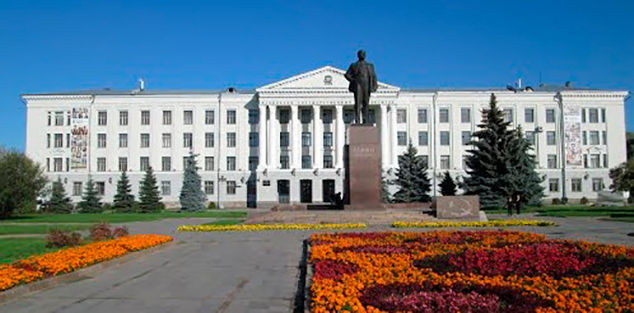
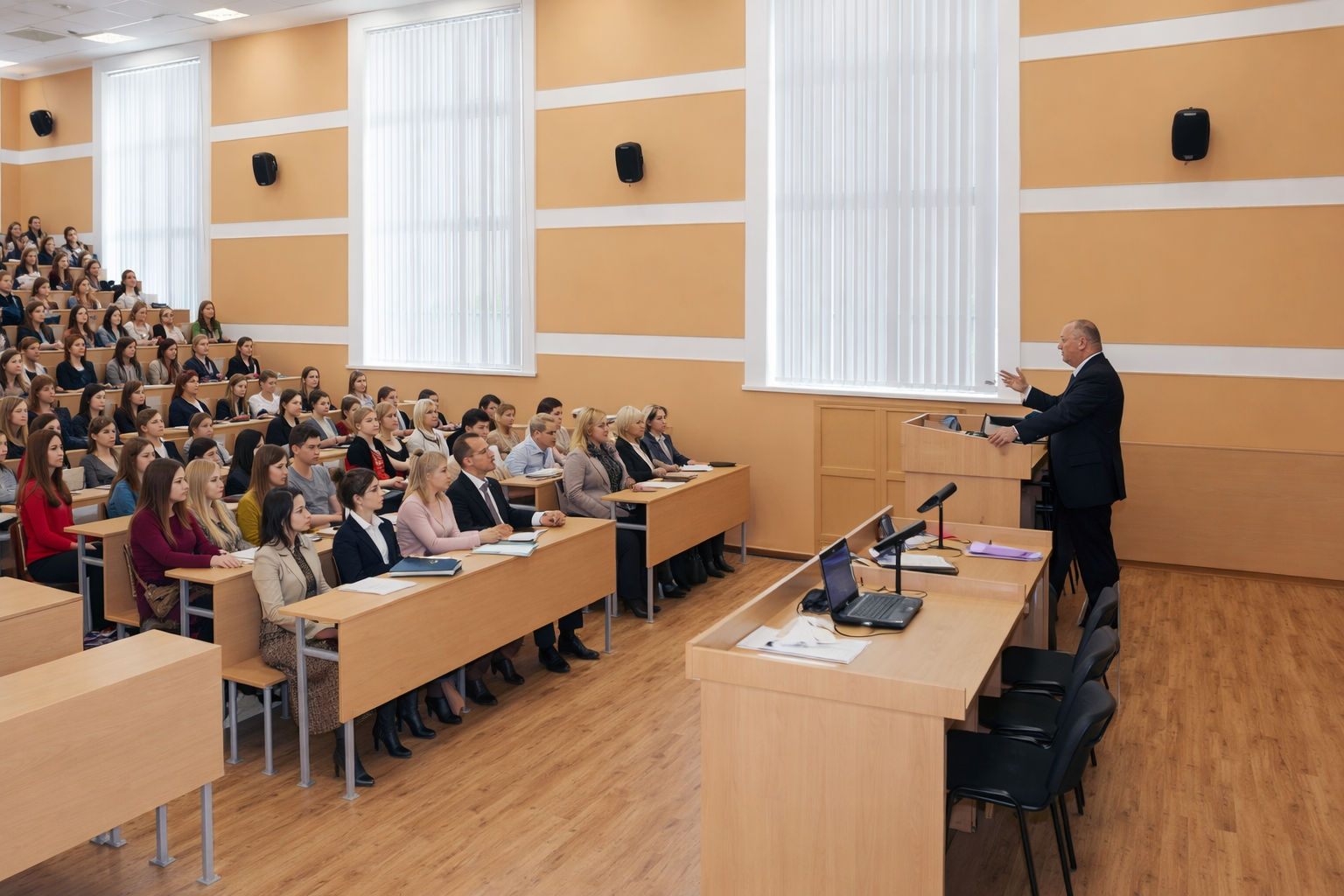
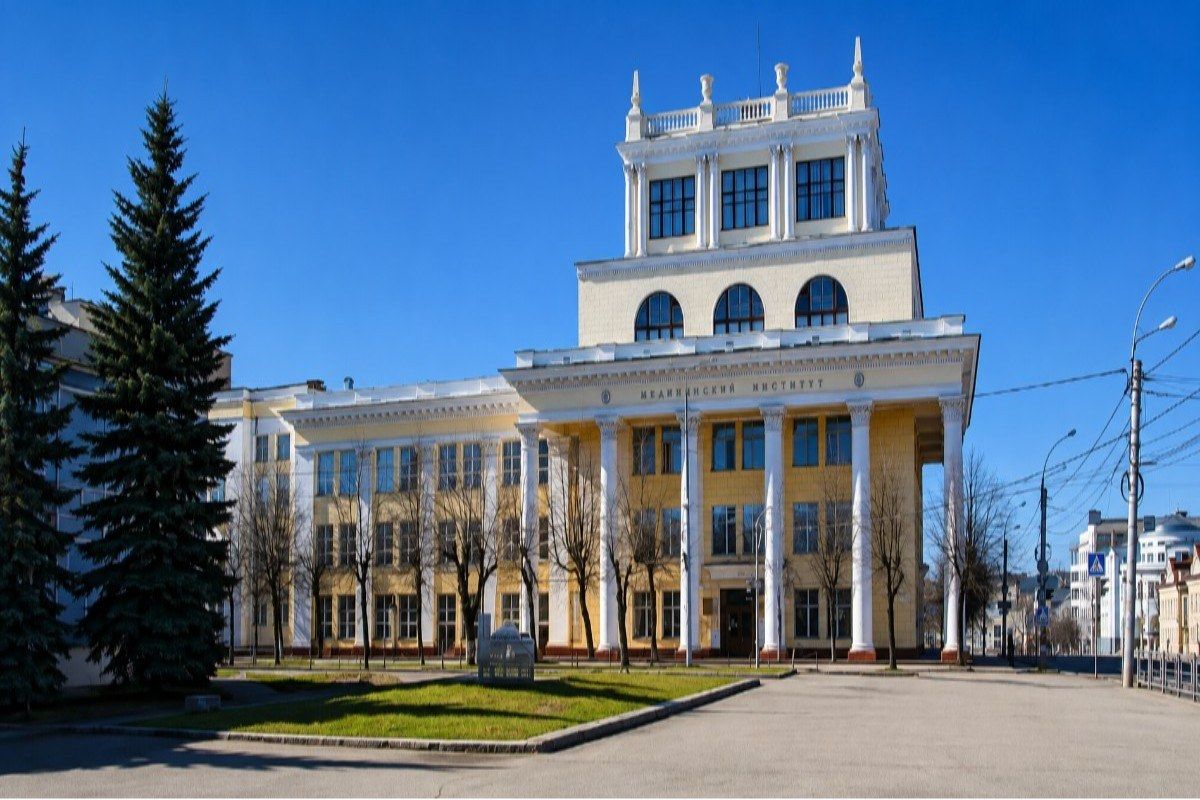
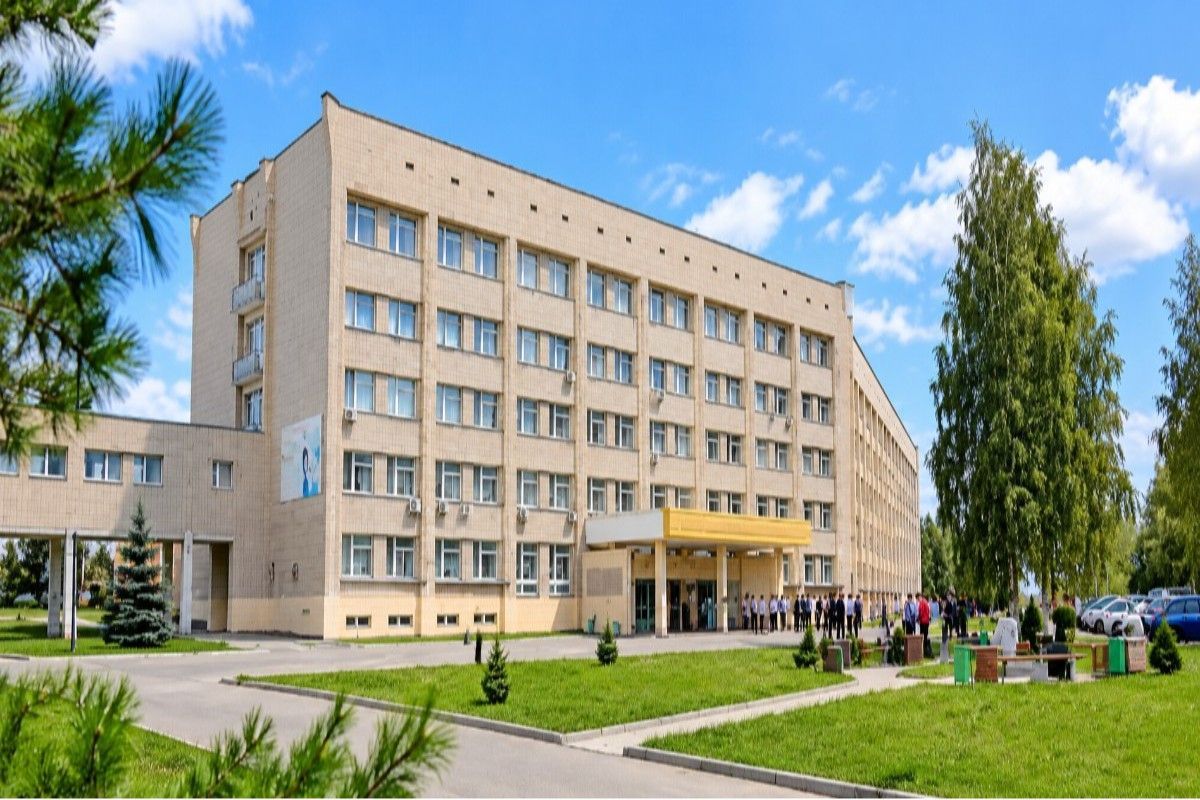
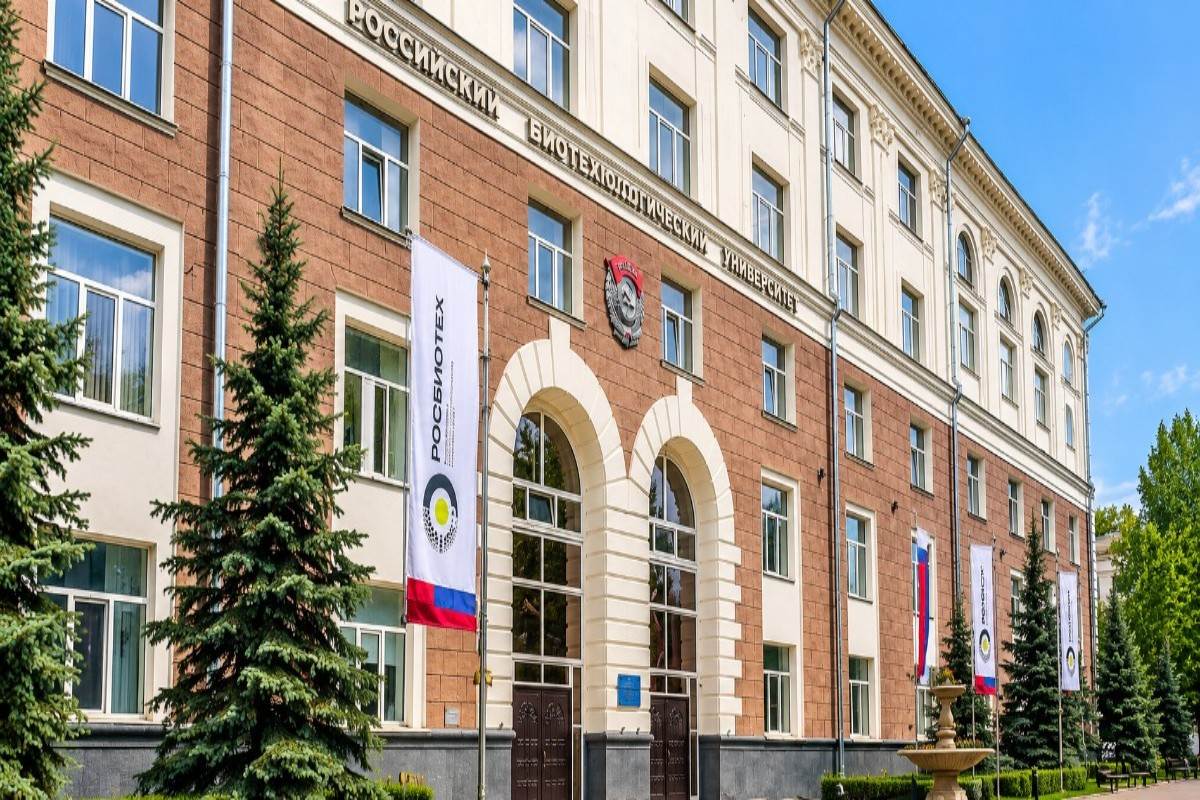
Pskov State University (PskovSU) is a relatively young public university in Russian terms, formally established in 2010 through the merger and reorganisation of several earlier institutions in the Pskov region, though its predecessor institutions date back to 1932. Located in Pskov, one of Russia's oldest and most historically significant cities, situated near the borders with Estonia and Latvia in the northwestern corner of Russia, PskovSU serves as the leading research and higher education centre for the entire northwestern region. Pskov itself is extraordinary by Russian historical standards. One of the oldest cities in Russia, it was an independent medieval republic and major Hanseatic trading city for centuries before becoming part of the Russian state. The Pskov Kremlin, ancient monasteries, and UNESCO World Heritage-listed medieval monuments give the city a depth of historical character that few Russian university cities can match. Its position near the EU borders with Estonia and Latvia means students benefit from genuine European cultural influence and relatively accessible travel to EU countries, an unusual geographic advantage for a Russian MBBS destination. The Institute of Medicine and Experimental Biology at PskovSU offers a six-year MD (MBBS-equivalent) programme in English, following the standard Russian curriculum. PskovSU is recognised by NMC (India), WHO, ECFMG (USA), FAIMER, and MCC (Canada), and is listed in WDOMS, a broad recognition set comparable to that of OSU Turgenev. The university maintains 12 dormitories (10 in Pskov city, 2 in Velikiye Luki), with a combined capacity of over 3,000 students. The campus infrastructure includes 22 educational buildings, a swimming pool, and a medical and rehabilitation centre. Annual tuition at PskovSU is approximately RUB 320,870 (approximately USD 4,500 or ₹4,31,896 lakh), one of the most affordable annual tuition rates in Russia, with hostel costs of approximately USD 400–600 per year and living costs of approximately RUB 32,138 annually. The total 6-year MBBS budget is highly competitive. November intake (unusual among Russian universities, which typically operate September intakes) provides additional flexibility for students finalising their NEET results and applications later in the year.