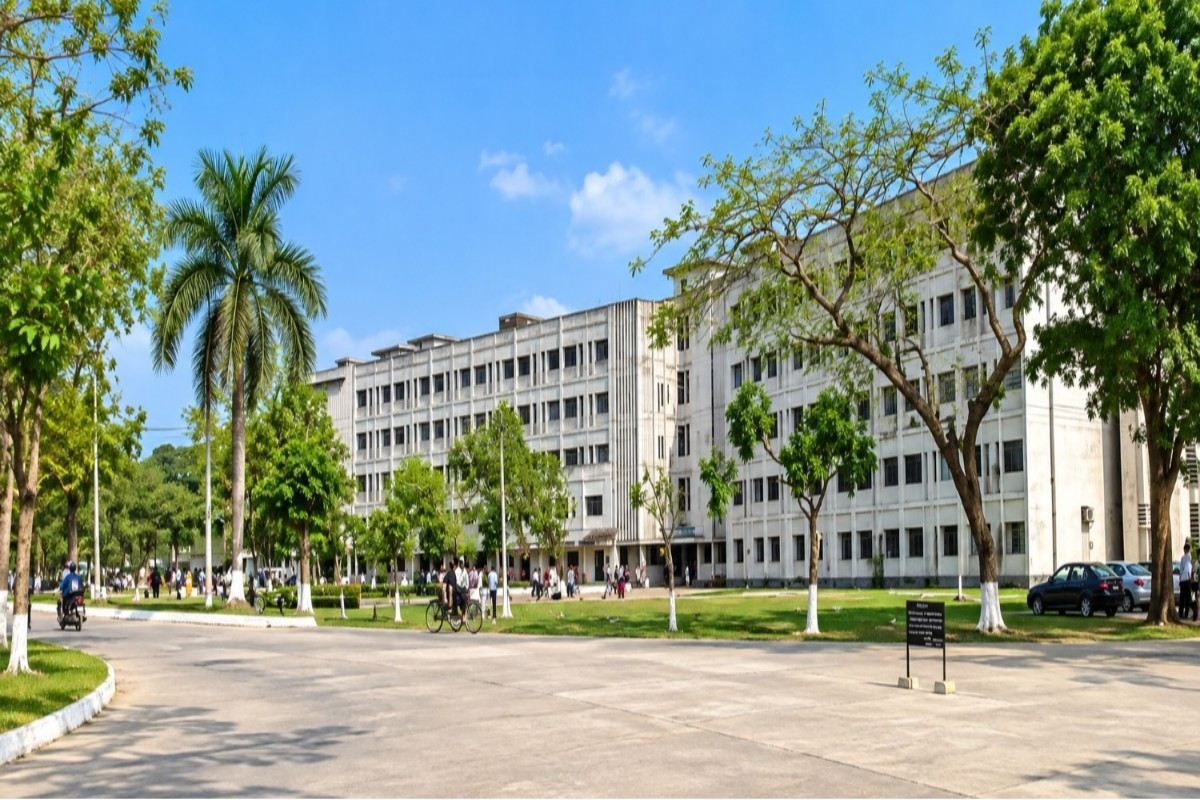
People mostly just call it RpMC for short. It is a government medical school, established on 18 March 1970, located in Dhap, Rangpur, on the east side of Rangpur Cantonment, with its own main gate directly on the Dhaka-Rangpur highway. At least one detailed source specifically notes the college's own general foundation was held a year earlier, in 1969, by Munaim Khan, the then-Governor of East Pakistan, a genuinely specific, dated administrative origin worth knowing directly alongside the college's own official 1970 establishment date.
RpMC's own first cohort of 50 students was admitted in 1971, a year after the college's own formal establishment. Here is a genuinely significant, specific historical detail worth knowing directly. RpMC played a real, documented role during Bangladesh's own 1971 Liberation War, with many students specifically joining the freedom fight, and some sacrificing their own lives for their country, a genuine, considerable point of national historical pride for the institution.
RpMC is affiliated with Rajshahi Medical University, offering a 5-year MBBS programme, alongside a BDS, Dentistry, programme, with a compulsory 1-year internship required of all graduates. The college conducts admissions centrally through a single, nationwide admission test administered by Bangladesh's own Directorate General of Health Services, admitting 250 students annually into MBBS and 50 into BDS, with a specific number of additional seats distributed by government for foreign students each year.
RpMC is associated with the considerable, 1,000-bed Rangpur Medical College Hospital, a genuinely substantial clinical training facility. The college also offers postgraduate residency courses, MD and MS, in Medicine, Surgery, Paediatrics, and Gynaecology, under Bangabandhu Sheikh Mujib Medical University, BSMMU, alongside M.Phil and Diploma courses across various subjects, giving RpMC a genuinely broader academic scope beyond undergraduate MBBS study alone.
Here is a genuine, worth-flagging institutional issue found while researching this profile. In 2018, Bangladesh's own Anti-Corruption Commission formally charged RpMC's own then-principal, Md Nur Islam, alongside five others, with embezzling 45 million taka, approximately USD 530,000 at 2019 exchange rates, through the purchase of unnecessary and poor-quality medical equipment. This is a genuinely documented, serious institutional matter worth knowing about directly, rather than a vague, unconfirmed rumour, though it reflects a specific, dated incident rather necessarily reflecting current institutional practice.
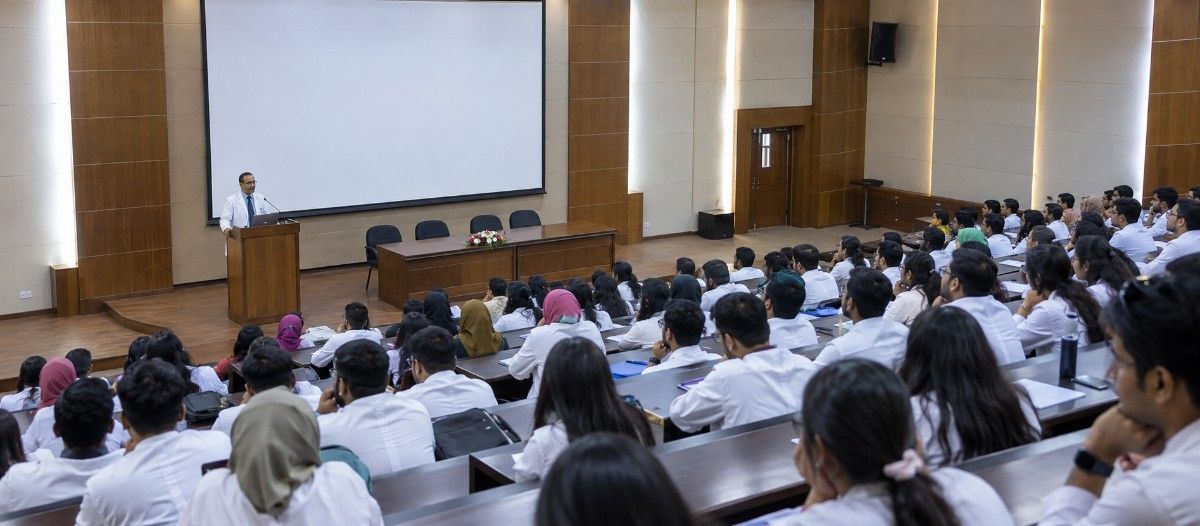
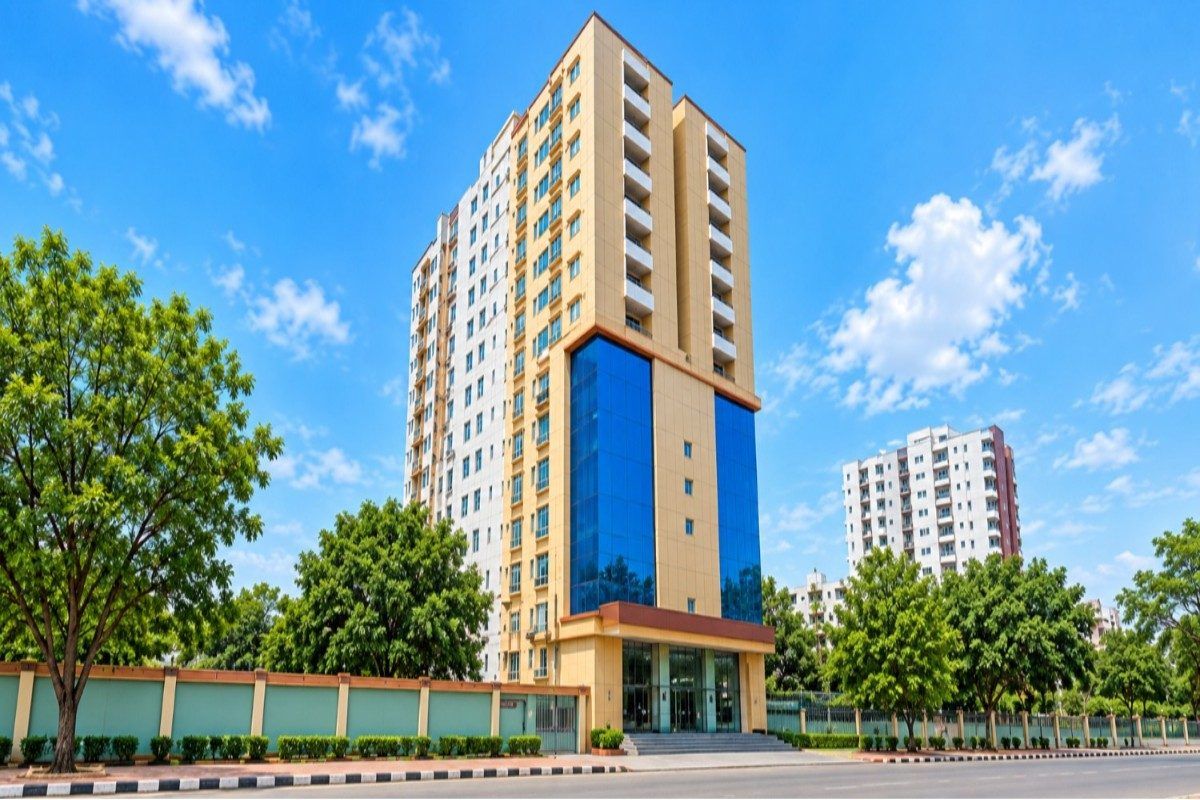
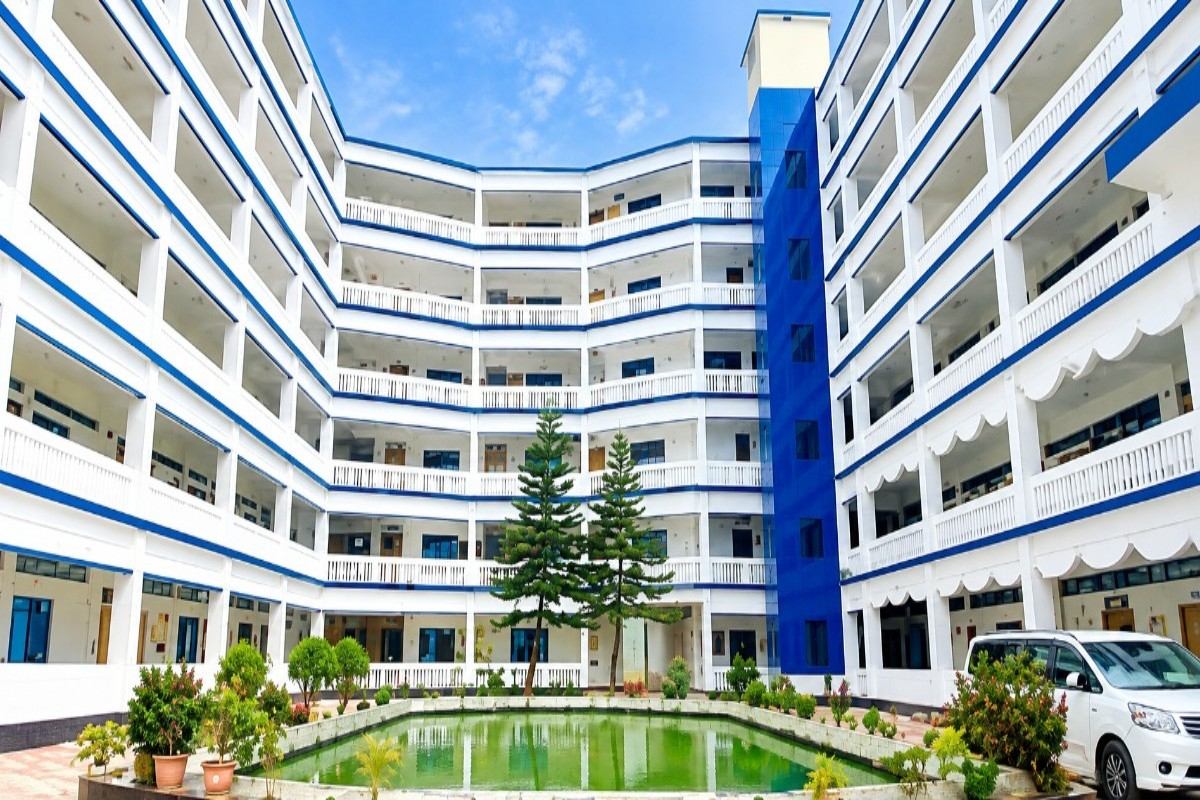
RpMC's own campus infrastructure includes a modernised auditorium, 3 male and 3 female hostels, a dedicated 10-storied postgraduate student hostel, and separate male and female intern hostels, a genuinely comprehensive accommodation structure. RpMC specifically reserves 10 seats for international students from SAARC countries, including India, Pakistan, Nepal, Maldives, and Bhutan, with SAARC students specifically receiving a considerable tuition discount.
NEET remains a genuine requirement for Indian applicants pursuing MBBS study at RpMC, and Indian graduates would still need to clear the FMGE or NExT exam to practise medicine back in India after completing their degree. RpMC is recognised by the World Health Organisation, WHO, India's National Medical Commission, and the Bangladesh Medical and Dental Council, BMDC, and is listed in the World Directory of Medical Schools, WDOMS.
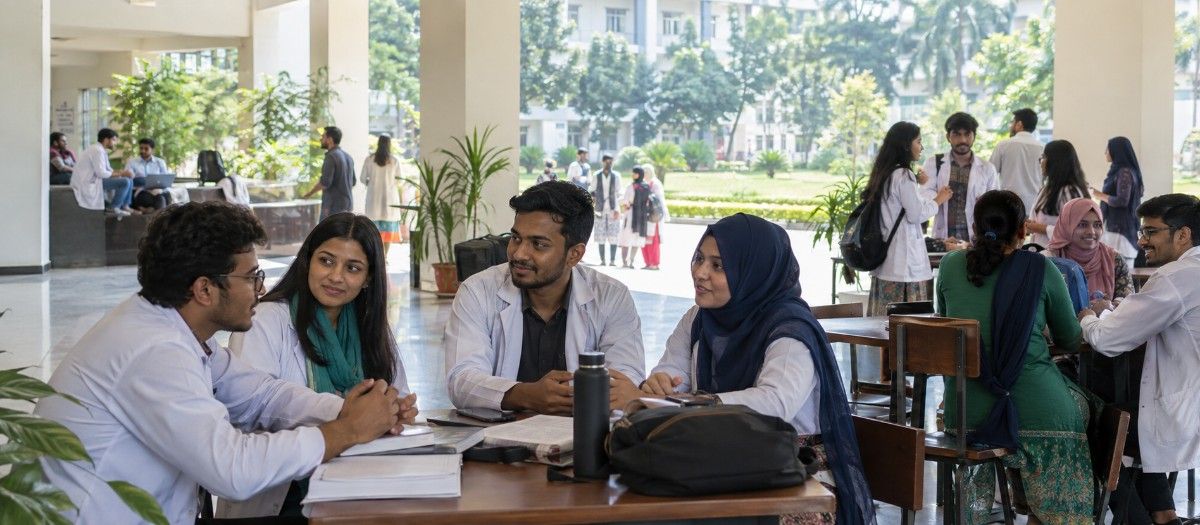
Daily life for international students at RpMC is genuinely well documented. The hostel provides free internet access, alongside nearby libraries, cafes, restaurants, and hospitals within easy reach. A dedicated recreation area within the hostel includes a reading room, storeroom, and guest rooms, alongside laundry, gym, and sports facilities. The canteen specifically confirms good-quality food, with Indian food genuinely available for the college's own international student population.
Bangladesh's own broader cost of living gives RpMC's own students a genuinely affordable base for their studies. Living costs in Bangladesh are reported at approximately USD 463 a month, considerably below the global average, with the country ranked 183rd out of 197 nations for cost of living, and 124th for overall quality of life. While these figures reflect Bangladesh generally rather than RpMC specifically, they give applicants a genuinely useful, broader sense of the country's own affordability as a study destination.
Given how genuinely this profile has both distinguished RpMC from the similarly named Rangpur Community Medical College, and honestly flagged a genuine, documented corruption matter, applicants get a considerably more complete, accurate picture here than the generic, uncritically repeated claims found across some comparable Bangladeshi government medical college profiles.
Fee figures here are based on the confirmed pattern reported at comparable Bangladeshi government medical colleges, since a specific RpMC-only itemised fee schedule was not separately published; the concrete estimates below give applicants real, usable numbers to plan around.
Cost Item | Amount | Notes |
Tuition Fee | Approx. USD 4,000-5,000/year | Based on typical fees at comparable Bangladeshi government medical colleges |
Hostel Fee | Approx. USD 500-1,000/year | Based on typical rates at comparable Bangladeshi government medical colleges; extensive, specific hostel infrastructure confirmed |
SAARC Country Discount | Considerable tuition discount confirmed | A genuinely specific, confirmed benefit for applicants from SAARC countries |
Health Insurance | Approx. USD 100-200/year | Standard estimate for international student health coverage in Bangladesh |
Food/Meal Expenses | Approx. USD 100-150/month | Canteen confirmed with Indian food available |
Total 6-Year Estimate (tuition + hostel + insurance) | Approx. USD 28,200-38,400 | Combined estimate across the full 6-year programme, based on the ranges above held stable year to year |
Note: as a government medical college, RpMC's own fees are typically considerably lower than at Bangladesh's private colleges, including the separate, private Rangpur Community Medical College. Request the college's own current, official, itemised fee schedule directly for the exact current-year rate.
Why RpMC Deserves a Harder Look, and a Considerably More Careful One
Most lists mention Rangpur Medical College without addressing the genuine, easily confused overlap with Rangpur Community Medical College, a separate, private institution, or flagging RpMC's own documented 2018 corruption case. However, they do not explain these specific issues directly. The reason is simple. It is about a real, exact-name overlap most guides skip entirely, and genuinely important institutional history worth knowing directly.
RpMC is not like most other Bangladeshi government medical colleges when it comes to how directly it can be confused with a similarly named, separate institution. In fact, this profile's own research specifically traced a likely explanation for an earlier discrepancy found while researching Rangpur Community Medical College, where one source mistakenly cited a 1970 founding, a date that genuinely belongs to RpMC instead. Furthermore, this real, specific cross-reference demonstrates just how easily these two, genuinely separate Rangpur-based colleges can be confused across different sources.
The college's own documented 2018 corruption case also matters more than most guides let on. For example, most guides describing a Bangladeshi government medical college's own institutional history omit any negative findings entirely. RpMC's own then-principal was specifically charged by Bangladesh's Anti-Corruption Commission with embezzling 45 million taka through poor-quality equipment purchases. Moreover, presenting this real, dated, documented incident honestly, rather than omitting it, gives applicants a genuinely more complete picture of the institution's own history.
One thing most other blogs miss is RpMC's own genuine connection to Bangladesh's 1971 Liberation War. In addition to standard due diligence, students from the college specifically joined the freedom fight, with some making the ultimate sacrifice for their country. Since this reflects a real, specific, and genuinely significant piece of national history tied directly to the institution, applicants get a considerably richer sense of RpMC's own historical significance here.