
Rijksuniversiteit Groningen Faculteit der Medische Wetenschappen

General Information
Founded in 1797, the Faculty of Medical Sciences at the University of Groningen is one of the oldest and most prestigious medical schools in the Netherlands. It is fully integrated with the University Medical Center Groningen (UMCG), forming a massive healthcare city. The faculty is a global leader in Healthy Ageing research and is renowned for its G2020 curriculum, which focuses on developing "competent, compassionate, and curious" doctors through early clinical immersion.
General Info
- The main address is Hanzeplein 1, Groningen, Netherlands (UMCG Campus).
- You will get a B.Sc. in Medicine (3 years) and an M.Sc. in Medicine (3 years). Six years in total.
- Language of Instruction: The Bachelor's degree has two tracks: Dutch and International (English). The Master's (clinical years) is only in Dutch.
- Accreditation: NVAO gives it its stamp of approval, and the WHO and NMC (India) also recognize it.
- Requirements for Admission:
- Selection: Very competitive Numerus Fixus program. A decentralized selection process (cognitive tests and portfolios) is used to decide who gets in.
- Deadlines: You need to turn in your applications by January 15.
- Indian students must pass the NEET exam and have a high PCB percentage to be eligible.
- Intake: About 410 seats each year.
Campus Facilities
The UMCG campus is a lively area where research labs, businesses, and healthcare facilities all work together.
- Healthy Ageing Campus: a special area for new ideas that looks at the biological and social factors that affect how long people live.
- The Central Laboratory for Diagnostics and Research (CLDR) is a state-of-the-art facility that brings together all diagnostic and medical research labs so they can work together easily.
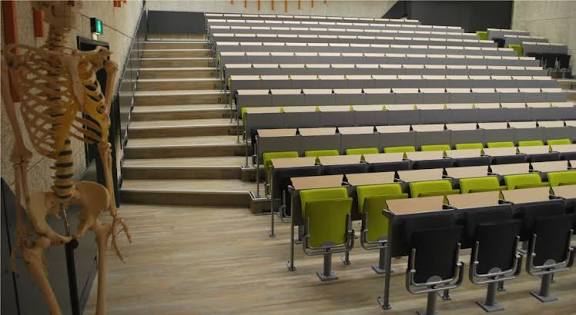
- The Clinical Skills Center has high-fidelity simulation wards where students can practice clinical communication and physical exams starting in Year 1.
- Eriba (European Research Institute for the Biology of Ageing) is a world-class center where students do cutting-edge research on aging and CRISPR.
- The 3D-Printing & Medical Robotics Lab is where they make patient-specific anatomical models and come up with new medical devices.
- Anatomy and Embryology Labs: Use both traditional cadaveric dissection and cutting-edge 3D holographic imaging tools.
- The Medical Library (UMCG) is a digital hub that is open 24/7 and has high-speed Wi-Fi and "focus rooms" for group study.
- The Sustainable Living Campus has green courtyards, solar-powered façades, and community centers that are good for students' health.
- ACLO Sports Center: You can use huge university sports facilities, like gyms, pools, and more than 100 different sports.
- The Innovation Center for Chemistry and Engineering helps medical students and engineering companies work together on health-tech projects.
Hospital & Medical Facilities
Leading tertiary care hospital attached to the institution
University Medical Center Groningen (UMCG) is one of the largest and most advanced hospitals in Europe.
- 1,300+ Bed Capacity: Serving as the primary tertiary referral center for the entire Northern Netherlands.
- Global Expertise in Transplantation: One of the few hospitals in the world capable of performing all types of organ transplants (Heart, Lung, Liver, Kidney, and Bowel).
- Proton Therapy Center: A leading center for precision cancer treatment using proton beam technology.
- Level 1 Trauma Center: Handles the most complex emergency cases in the region.
Fee Structure
State University Affordability
The following estimates are based on the academic session for international students.
Scholarships
- NL Scholarship (formerly Holland Scholarship): A one-time grant of €5,000 for the first year of study, available to talented Non-EEA students.
- Eric Bleumink Fund (EBF): A fully funded scholarship (tuition, travel, and living) primarily for Master's students from developing countries (including India/Nepal).
- GSMS Grants: The Graduate School of Medical Sciences offers specific funding for students pursuing MD/PhD tracks or research-based Master’s programs.
- University of Groningen Talent Grants: Partial tuition waivers awarded to top-ranking international applicants during the selection process.
City Details
- The Vibe: Groningen is a quintessential "Student City" 25% of the population are students. It is known for its vibrant nightlife and the lowest average age in the Netherlands.
- Connectivity:
- Air: Connected via Groningen Airport Eelde and a direct 2-hour train to Schiphol Airport.
- Rail: Central station is highly connected to all major European hubs.
Hostel & Mess
- Accommodation: Provided via SSH XL, with student residences spread across the city. Most are within a 10-minute bike ride of the medical campus.
- Dining: No traditional "mess" system; students typically self-cater in shared kitchens. The campus features several "Grab & Go" healthy cafes and a large central canteen.
- Culture: Student life is centered around "Panacea" (Medical Student Association), which organizes social galas, sports days, and the "White Coat Ceremony."
- ISCOMS: The campus hosts the International Student Congress of (Bio)medical Sciences, the largest student research congress in the world.
Miscellaneous
- Language Note: While the Bachelor's has an English track, C1 Dutch proficiency is mandatory to enter the 3-year Master's (clinical) phase.
- Zoekjaar (Orientation Year): Graduates are eligible for a 1-year residence permit to find work in the Netherlands after their degree.
Collage Images Gallery
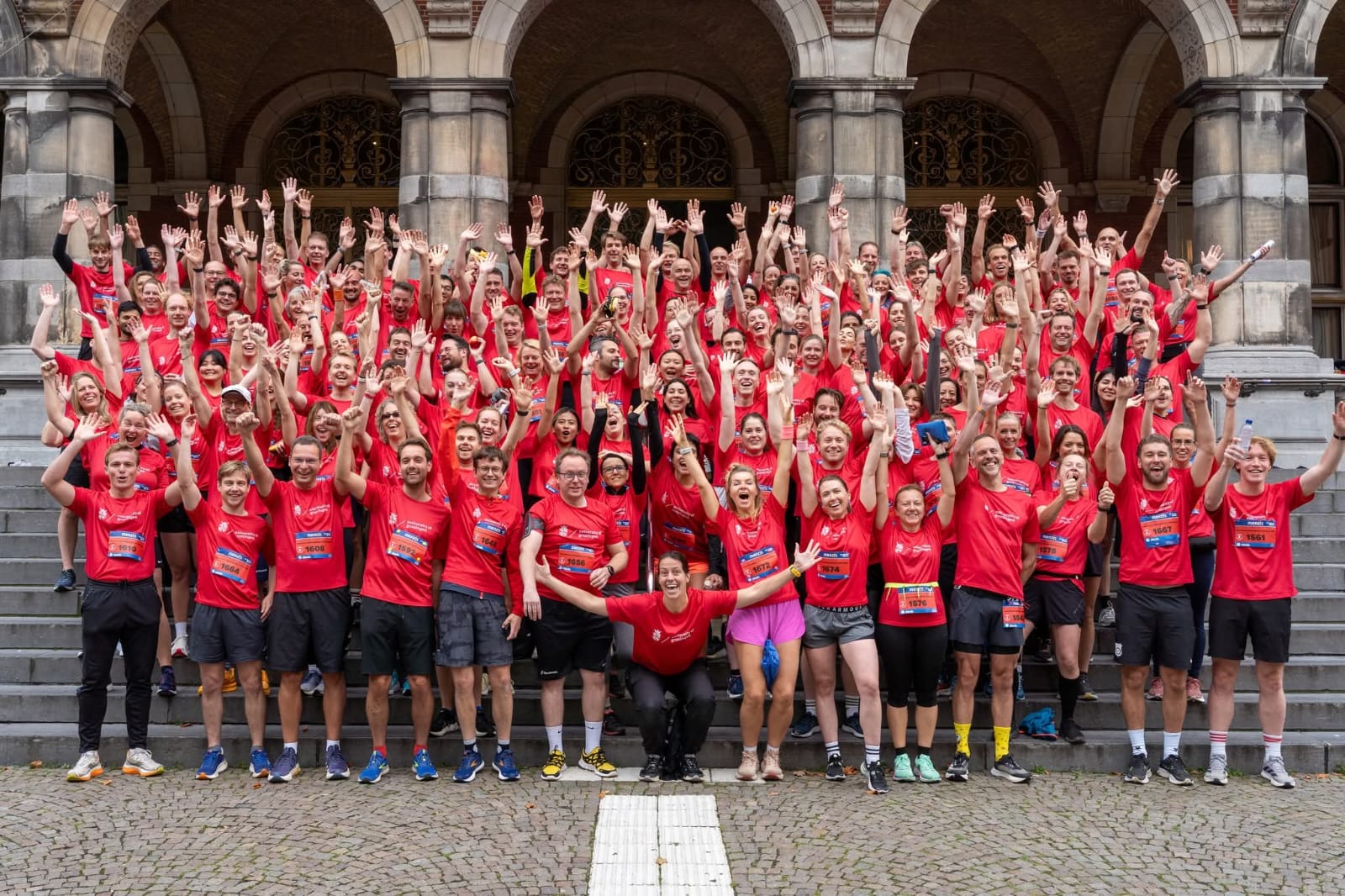
Facilities & Campus Life

Well-equipped Library

Experienced Faculty

Computer Lab

Sports Activities

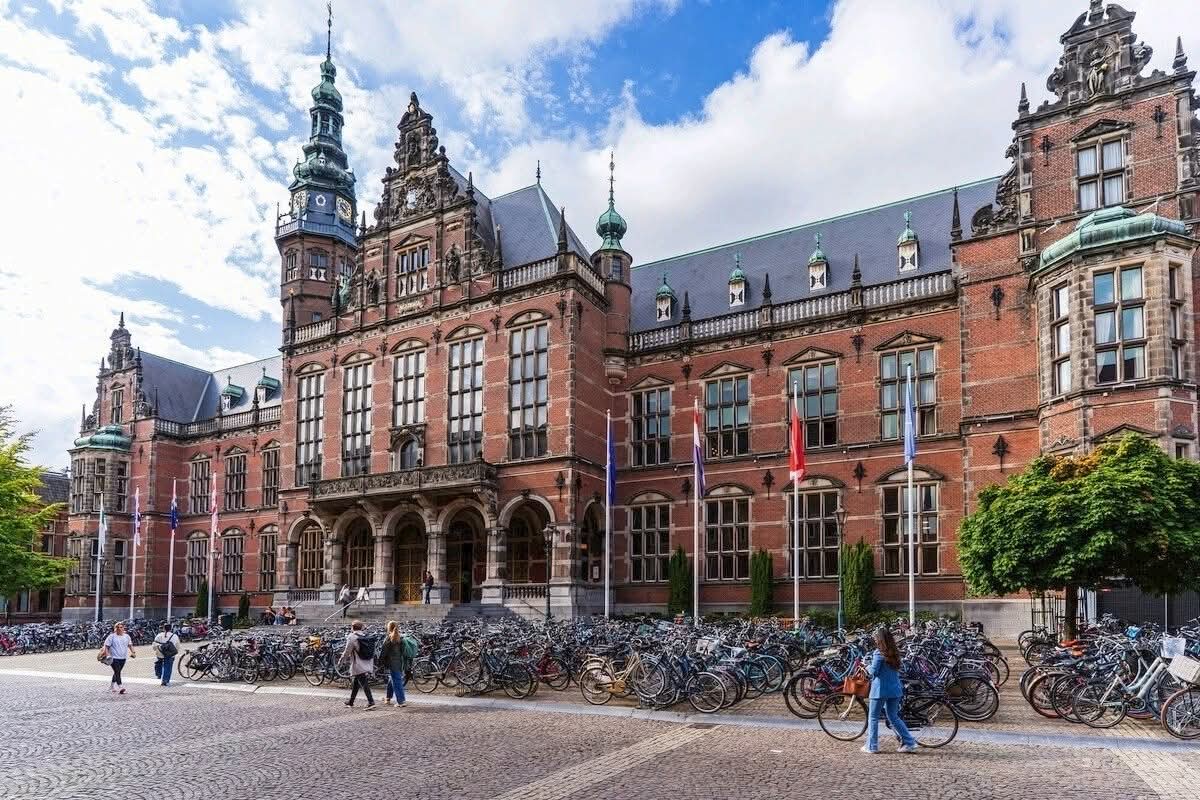
Heritage Campus


Frequently Asked Questions
Why Consult With Us?
- 15+ years of experience in medical education counseling
- 5000+ students successfully guided
- 50+ partner universities worldwide
- Free initial consultation with no obligation