
1. Is this program taught in English?
+No confirmed English-taught track exists for the core Medicine degree; instruction runs in Spanish, with some Catalan.
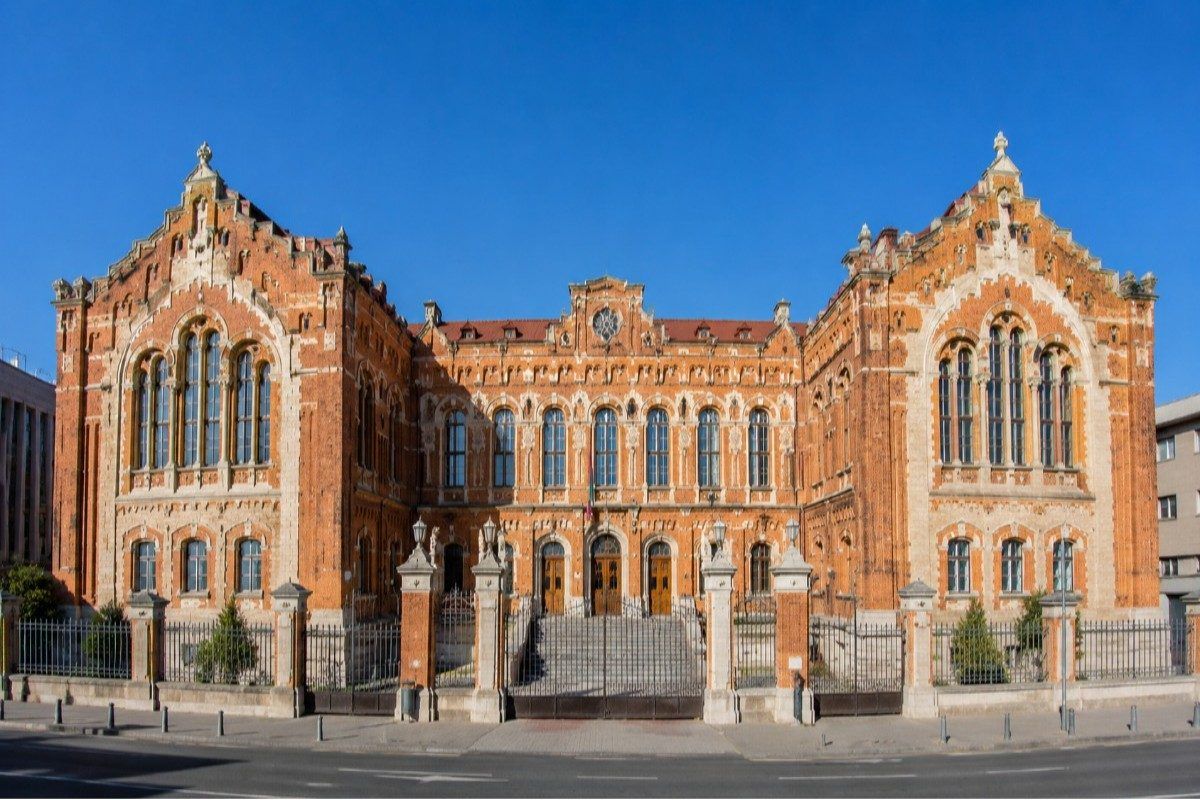
 Spain | Est. 1991
Spain | Fully accredited under Spain's national higher education framework (Ministerio de Universidades); officially recognised Spanish public medical degree. | Spanish (with some Catalan); no confirmed English-taught track for the core Medicine degree specifically. Spanish profic medium
Expert will call you within 2 hours
The URV stands for Universitat Rovira i Virgili. It is a public university in Catalonia that was set up by the Parliament of Catalonia in 1991. In European terms, it is a very new university. The group was made by putting together university departments and schools that were already working in the area. This gave the University of Tarragona, which has been around since the 1600s, a new start on life. Antoni Rovira i Virgili was a Catalan writer, historian, and politician who led the Parliament of Catalonia while he was living in exile in the 1940s. The university is named after him. The university has a name that shows how deeply it is linked to Catalan culture and past.
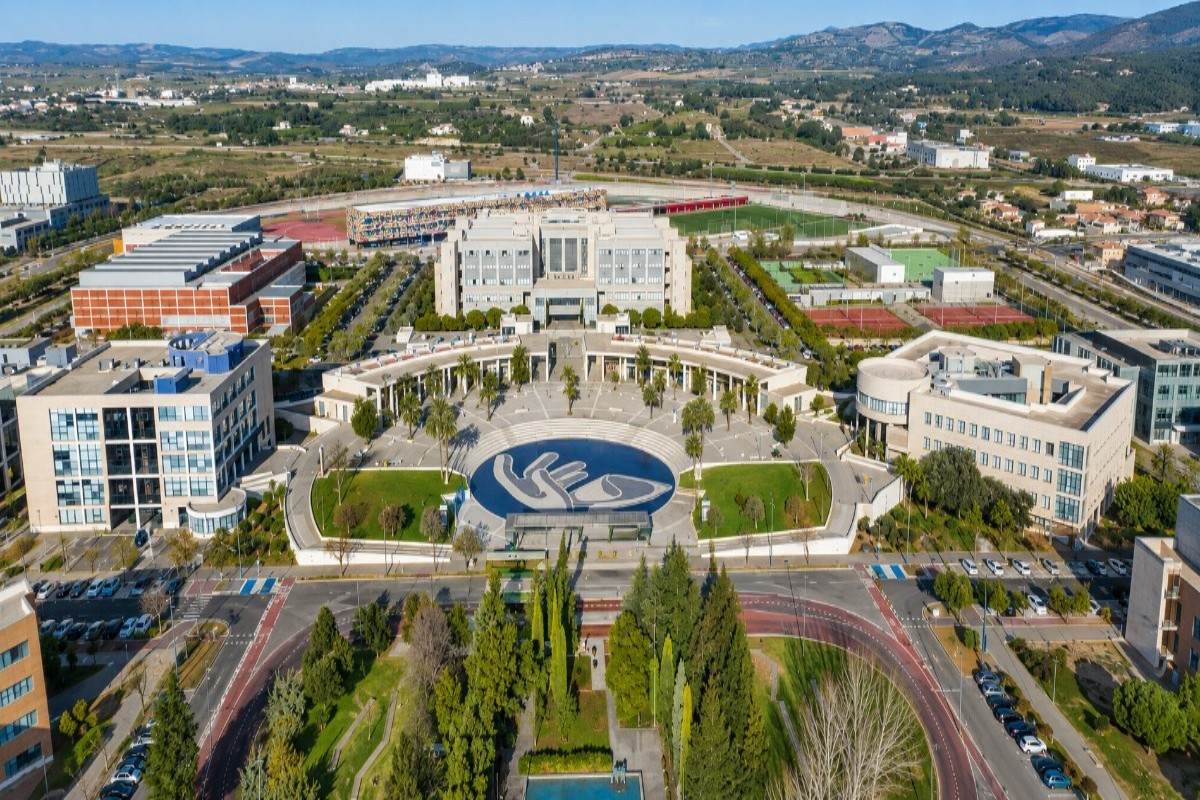
The School of Medicine and Health Sciences is in Reus, which is in the province of Tarragona and not far from Barcelona. It is in a place that European tourists love to visit. Not only is URV in Reus, but it is also in Tarragona, Tortosa, Vila-seca, El Vendrell, and Vilafranca del Penedès. This means that the university has a really spread-out presence in this part of Catalonia, with several campuses. Between 14,000 and 15,000 people attend the university as a whole, and about 1,660 of them are not from Spain. This makes the university feel truly international, even if it is only a small school.
If you are from outside of this country and want to study medicine, language is the most important thing to think about. It should get the same amount of attention as the French schools we've already talked about in this series. The people of Catalonia speak Spanish, but they also have their own language and customs. It is said that some URV classes are taught in a mix of Spanish, English, and Catalan. In some classes, all three languages are used at the same time. Here at URV, people really do have this open, multilingual approach. But this profile couldn't show that the core Medicine degree works in the same flexible way. Classes are taught in Spanish, and students must be able to talk and understand Spanish at a B2 to C1 level. This is a clear and well-documented national trend in Spanish public medical education. This is because working with patients and doing professional training need real fluency, not just skills learned in school.
How people get into medical schools in Spain, including URV, is through the EBAU or PAU system, which is now officially called the EBAU or Selectividad but is still mostly known by its old name, Selectividad. Spanish students take this test after they finish their Bachillerato, which is Spain's high school diploma. To get into college, they need to get good grades in high school and pass the required EBAU exam. They can also get up to four extra bonus points by taking optional subject-specific EBAU exams. The PCE, which is related but different, is generally taken by international students with a diploma from another country. This is done by a group called UNEDasiss. This group also handles the separate but required step of officially recognizing a foreign secondary school diploma as being the same as the Spanish Bachillerato before a student can even be considered.
There are a lot of very smart people in Spain who study medicine. It's better to say this in numbers than in generalities. The nota de corte, or lowest score below which an applicant is not accepted, for medicine is generally very high, between 12.5 and 13.8 out of a possible 14 points. For many other college classes in Spain, you need at least a 5 out of 14 to get in. Because of this, medicine is one of the most difficult courses to get into at any public university in Spain. People from all over the world, not just Spain, have to work very hard to get in.
It's very different from how many English-speaking schools we've talked about so far, where students are accepted through flexible systems like interviews and portfolios. This is because of how Spanish public schools are structured. On a normal public road, you won't find a thesis, a personal statement, or an interview. People who get in are chosen by a single number. A person is almost certain to get in if their score meets the nota de corte for that year. Nothing you do outside of school or your own story will change the result if it doesn't make the cut. This is important to fully understand because it gets rid of some of the more subjective and judgmental factors that many of the schools we've talked about so far use to decide who gets in. It takes their place with a single, clear, and very strict numerical threshold.
The tuition at URV is the same as at any other state university in Spain, which is pretty cheap compared to private universities outside of Spain. A lot of people say it costs about €2,900 a year for international students, but that's the average rate for the whole university, not just Medicine. Non-EU students may also have to pay different amounts at different public universities in Spain, based on the program and the region. It costs less to live in Reus and the area around Tarragona than it does in Barcelona. The RENFE train service also makes it easy to get to other parts of Catalonia.
It's not the same math for Indian students who are thinking about this choice as it is for English-medium schools we've talked about so far. Since medical school in Spain doesn't use English and the EBAU/PCE-plus-nota de corte system isn't directly linked to NEET, the standard NEET-to-FMGE pathway described in other profiles only applies in a limited, indirect way here: NEET is still required by the National Medical Commission for any medical study done abroad, but it doesn't play a part in Spain's own admissions process, and being able to speak Spanish fluently and having a very high nota de corte is a much bigger obstacle to entry here than not having a NEET score.
Simply put, Universitat Rovira i Virgili is a real, recognized Spanish public medical school that is located in a beautiful Catalan area close to Barcelona. The tuition is also very low compared to other European schools. This series is mostly about English-speaking foreign applicants to NEET, but this one wasn't made for them and doesn't help them in any way. URV is a real, if hard, way to get into European medicine if you already speak Spanish very well and are ready to pass one of the hardest undergraduate requirements in Spain. Most people who want to know what this series is about will find an English-taught choice elsewhere in this collection to be a better fit.
No hidden charges, no donation. The full picture of costs at MBBS in Rovira i Virgili University Faculty of Medicine and Health Sciences.
Tuition Fee
USD $2,900 per year
USD 3,132 per year
Hostel Fee
USD $6,500 per year
USD 6,500 per year
Food & Meals
$3,000 USD
per year
Insurance
$500 USD
per year
Donation
No Donation
No Hidden fee
Total Estimated Cost
$78,800 USD
6 Year
25–35%
Average FMGE first-attempt pass rates for students from many overseas medical universities. Students from structured programs consistently score higher.
Students returning to India need to clear the FMGE/NExT exam. MBBS in Rovira i Virgili University Faculty of Medicine and Health Sciences integrates exam-oriented coaching into the regular curriculum so students are prepared from day one.
A structured program that takes you from foundational sciences to clinical mastery.
A 6-year Grado en Medicina programme following Spain’s national medical curriculum, combining basic medical sciences, clinical subjects, and practical training. The programme is primarily taught in Spanish.
Anatomy, Physiology, Biochemistry, Pathology, Pharmacology, Microbiology, Clinical Medicine
Students complete supervised clinical placements during the advanced years at URV-affiliated teaching hospitals and healthcare centres across the Tarragona and Reus region.
nternal Medicine, Surgery, Paediatrics, Obstetrics & Gynaecology, Psychiatry, Emergency Medicine
After graduation, students can enter Spain’s competitive MIR pathway, the national examination and selection process used for admission to specialist medical residency programmes.
MIR Examination, Specialty Selection, Residency Training
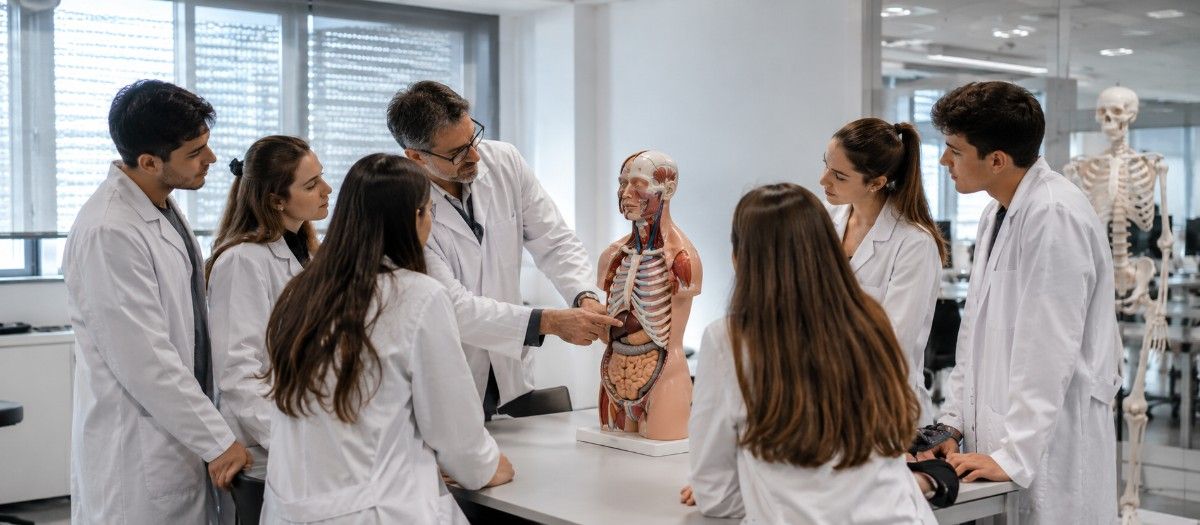
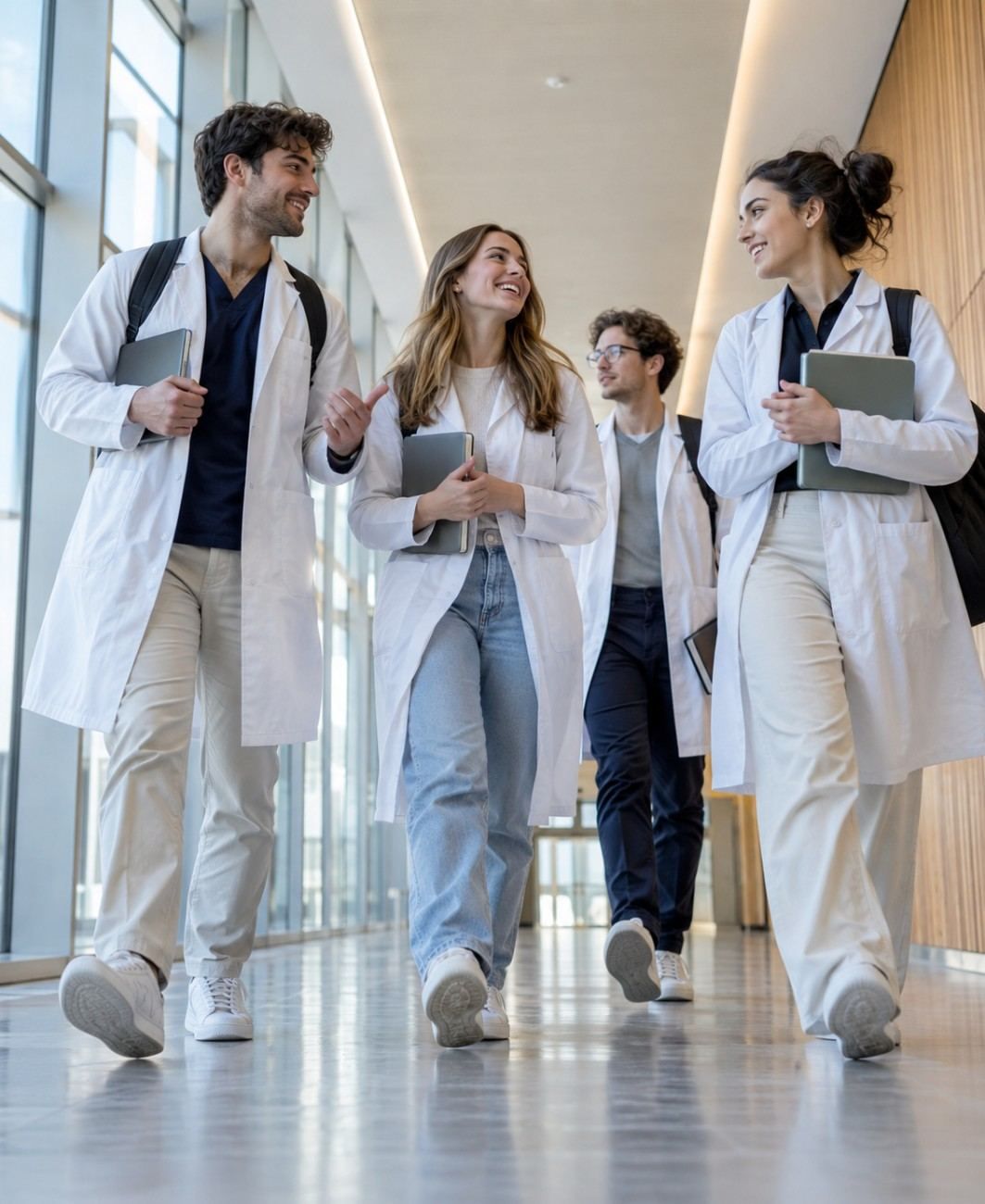
Furnished hostel rooms with Wi-Fi, laundry, 24/7 security, and Indian mess on or near campus.
Indian restaurants and mess facilities serving vegetarian and non-vegetarian home-style food daily.
Strong Indian community with cultural events, festival celebrations, and peer support groups.
Students get hands-on clinical training in government and private hospitals affiliated with the university.
Practical information for students planning to study at MBBS in Rovira i Virgili University Faculty of Medicine and Health Sciences.
Prepare for all seasons. Thermal wear for winters, light clothing for summers. University provides heating in hostels.
Student visa processed with university invitation letter. Direct and connecting flights from major Indian cities.
Health insurance included in fees. Medical facility on campus plus city hospitals easily accessible.
Local SIM cards available. WhatsApp and video calls keep you connected with family back home.
Average monthly expenses of $150–$250 covering food, transport, and personal needs.
University library, online databases, and study groups. Seniors mentor juniors through academic challenges.
Our team guides you through every step — from application to arriving on campus.
Shortlist based on public vs private, the MBBS fee in Spain you’re comfortable with, city, and whether a partial-English track matters to you.
Begin DELE/SIELE B2 preparation well ahead of application deadlines.
Submit application; sit BMAT or a university-specific test where required.
Academic transcripts, NEET scorecard, language certificates, passport, and supporting documents.
Formal offer issued upon successful evaluation.
Initial steps toward having your Indian academic credentials recognised in the Spanish system.
Apply at the Spanish consulate with your offer letter, financial proof, and insurance documentation.
After arrival, register at your local town hall (ayuntamiento), a mandatory municipal registration step that most competitor guides skip entirely, but one you’ll need for everything from opening a bank account to enrolling in local healthcare.
Admission Helpline — Contact our counsellors for step-by-step assistance.
“The faculty here is incredibly supportive. The clinical training during hospital rotations has given me real confidence in patient care.”
“Affordable fees without compromising on quality. The campus facilities and hostel life made my transition abroad very smooth.”
“English medium instruction and WHO-recognized curriculum were the deciding factors for me. No regrets so far — excellent experience overall.”
“The university helped with everything from visa to accommodation. Hospital exposure from year three has been invaluable for my FMGE prep.”
“Just cleared my licensing exam on the first attempt. The structured coaching and mock exams during final year were a game-changer.”
“Safe campus, good food options, and a strong Indian student community. The teaching methodology is very practical and hands-on.”
No confirmed English-taught track exists for the core Medicine degree; instruction runs in Spanish, with some Catalan.
Yes, the EBAU/PAU for Spanish students, or the PCE via UNEDasiss for international students, feeding into a calculated nota de corte score.
Yes, as a separate National Medical Commission requirement, though it plays no role in Spain's own admission process.
A general university-wide international rate is cited around €2,900/year; this is not confirmed as Medicine-specific. Confirm directly with URV admissions.
Extremely, the nota de corte for Medicine commonly runs between 12.5 and 13.8 out of a maximum 14 points, among the highest cutoffs of any subject in Spain.
Effectively yes, at B2-C1 level, since the program is taught in Spanish and clinical training requires genuine patient communication.
Yes, as a standard Spanish public medical degree, automatically recognised across the EU.
There is no essay, portfolio, or interview in the standard public pathway; admission depends entirely on clearing a single, calculated numeric cutoff.
Graduates enter Spain's MIR residency system, a further, separately competitive national process for specialty training.
Students who already hold strong, working Spanish and are prepared to clear one of the most demanding academic cutoffs in the Spanish university system; not a fit for students seeking an English-taught, NEET-adjacent international pathway.
Our expert counsellors will guide you through the complete admission process — from documents to airport pickup.