
1. How long is the medical degree at Jaume I University?
+Six years, 360 ECTS credits, leading to the Spanish Grado en Medicina
 Spain | Est. 1991
Spain | Spanish Ministry of Universities, ANECA quality verification, AVAP regional agency, RUCT title code 2502262, degree qualifies for the regulated profession of physician in Spain and the EU | Valencian and Spanish medium
Expert will call you within 2 hours
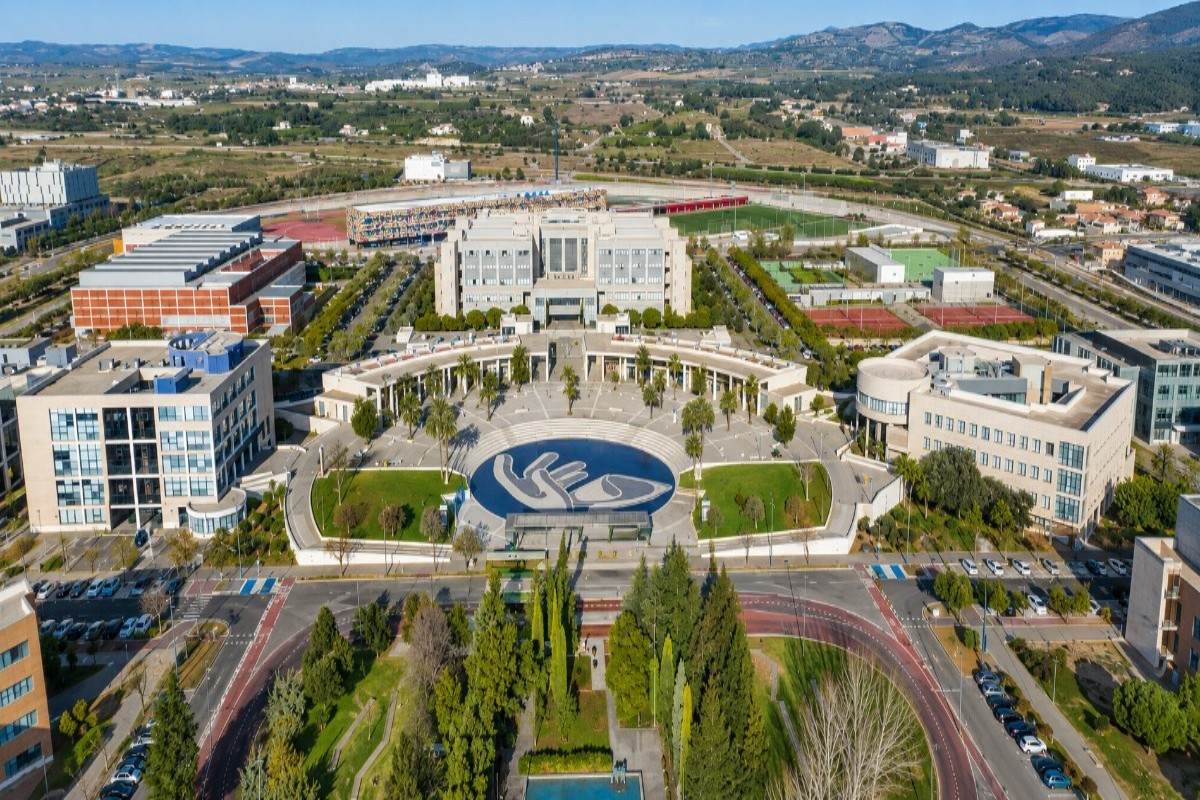
The medical degree from Jaume I University is given by the Facultat de Ciències de la Salut in Castelló de la Plana, a medium-sized city on the Mediterranean coast of Spain. The university opened in 1991, and the Grau en Medicina program began in 2010. This gives the medical school a new feel in a public system that has been around for hundreds of years. The Grado en Medicina program lasts for six years and gives you 360 ECTS credits. It is listed in Spain's official Registro de Universidades, Centros y Títulos under the code 2502262 as a degree that allows you to work as a doctor, which is a regulated job.
The faculty is on the Riu Sec campus, which is a small area with lecture halls, dissection rooms, labs, and the library all close to each other. Jaume I built the health sciences block after the medical degree started, so the anatomy spaces, microscopy labs, and clinical skills rooms are set up in a way that fits how they are used now instead of how they were used in the past. From the first year on, you work in small groups for real work. To protect that group size, the faculty keeps the number of students who can come each year low.
Spanish and Valencian are used for teaching. At the university, being able to speak two languages is seen as normal, and staff members move between the two during classes, seminars, and clinical placements. The degree is not taught in English, but some of the readings are in English, and the teachers expect you to be able to read medical English easily. If you want to go back to India and register with the National Medical Commission, you need to pay close attention to that part because the Foreign Medical Graduate Licentiate Regulations 2021 say that the whole course, training, and employment must be taught in English at one school. That rule is not met by a Valencian-medium degree.
Through the public health network in Valencia, clinical training is given. Hospital General Universitari de Castelló, Hospital Universitari de la Plana in Vila-real, Hospital Universitari de Sant Joan in Vinaròs, and a group of basic care health centers across the province are all places where students can work. The faculty arranges placements at all of these places so that you can learn about both community medicine and medicine in a tertiary hospital. In the middle years, rotations begin early and last through years five and six. During these years, you work on a set of cases while being supervised instead of watching from the edge of a ward.
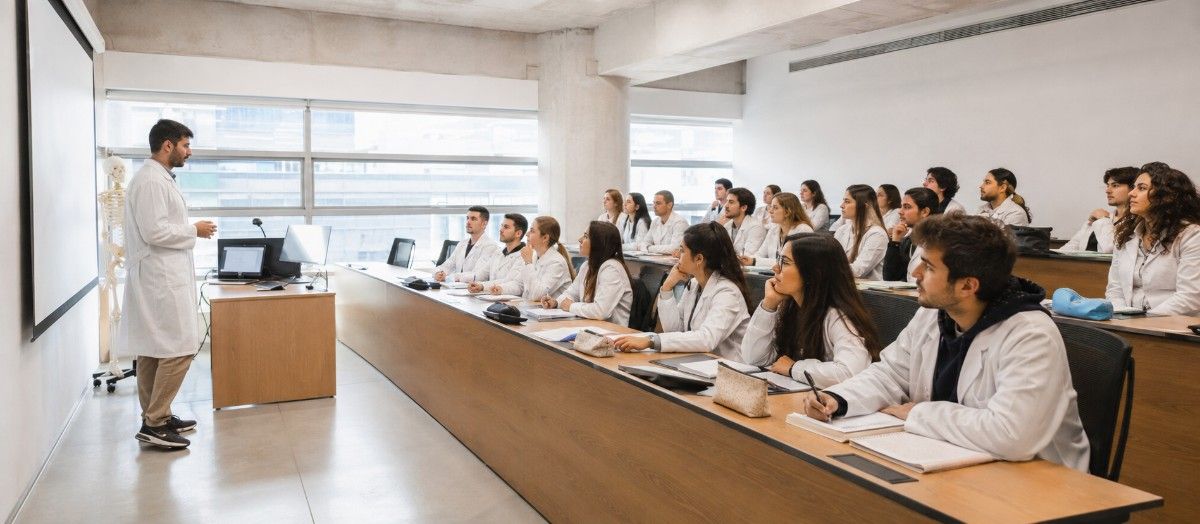
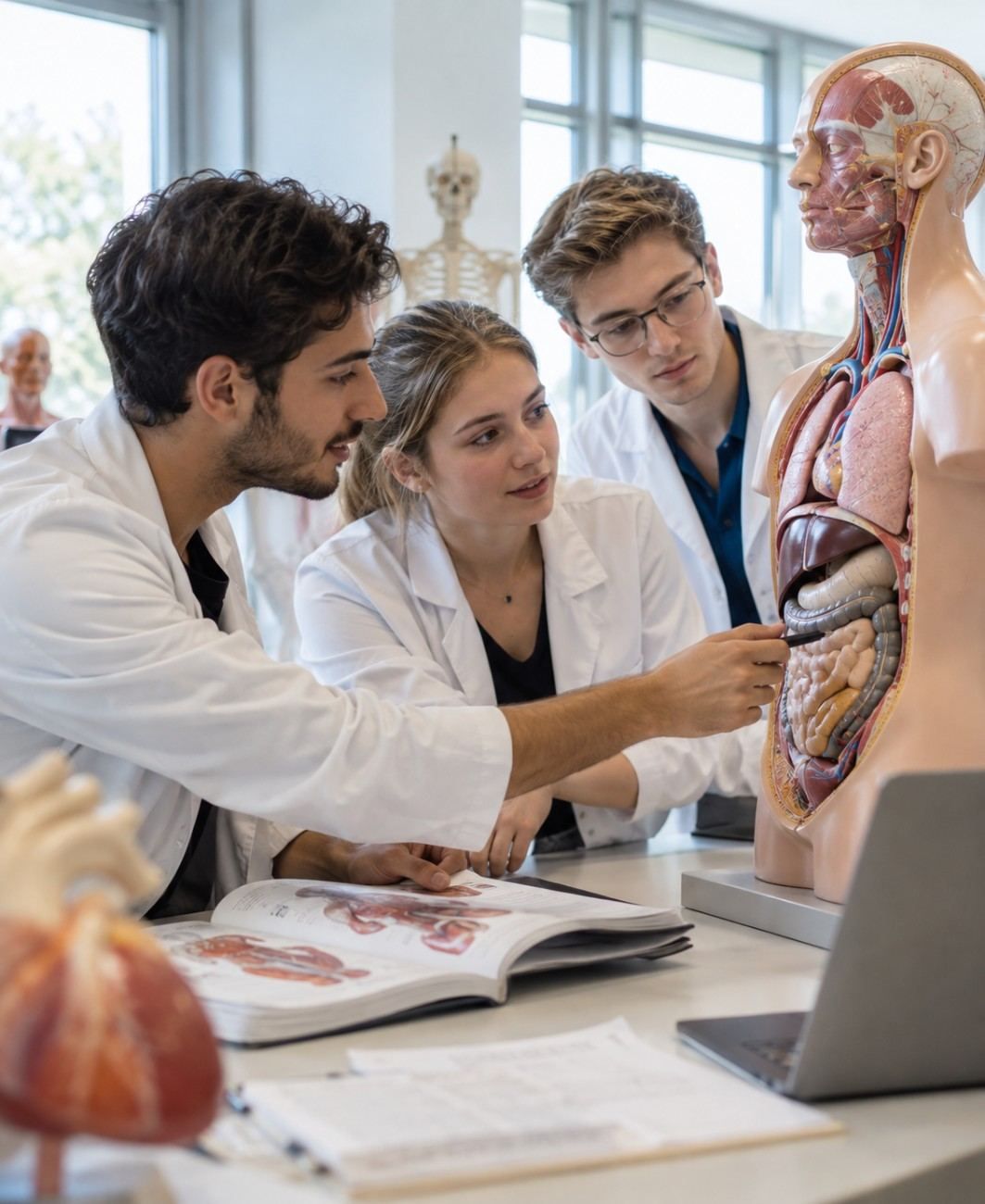
The program is based on the national structure for medicine in Spain. The first two years are all about basic sciences. The third year is about pathophysiology and clinical principles. The last year is all about full clinical rotation. Communication skills, medical ethics, and public health are not just taught in one term in Jaume I. Instead, they are taught throughout the whole span. Simulations are also a part of the sequence, so you can practice on manikins and standardized patients before you meet real patients on the ward.
The ACOE is the last part of the evaluation process. It is an Objective Structured Clinical Examination that the faculty and Hospital General Universitari de Castelló put together every year. Sixth-year students move around a circuit of stations where they are watched as they take a patient's history, do a physical exam, perform procedures, analyze test results, and talk to patients. When it comes to clinical competence, the ACOE is the last word. The school posts its schedule and station framework ahead of time, so you can see what the examiners will be testing.
Neuroscience, mental health, nursing science, medical psychology, nutrition, and predictive medicine are the main areas of research at this school. As part of the required Treball de Fi de Grau, groups work with the university's imaging labs and the provincial hospitals to develop new imaging technologies. This gives students in their last year access to real-life projects. You pick a boss, work on a clear project, and defend it in front of a group of people. Good projects often lead to papers being published.
The Spanish national system is used for admission. Candidates from both inside and outside the EU must have a certain PAU score in order to be accepted. The medicine cut-off score at Jaume I is one of the highest in the Valencian Community because there are so many applicants. The number of applications for medicine is usually twice as high as the next most popular degree at the university. First, you have to make sure that your school leaving certificate is valid through UNEDasiss. Then, you have to take the necessary subject exams and then fight in the same pre-registration round.
The Generalitat Valenciana sets the fees every year in a public price order. The fees are set per credit based on the experimental level of the degree. Taking 60 credits for the first year is about the same price as 1,050 euros for medicine, which is in the most experimental group. In the past few years, the Valencian government has lowered the cost of public credit, making it one of the cheapest ways to get medicine in Europe. Since you pay per credit, taking the same test more than once will raise your bill, but getting good grades will keep it low.
It costs more to live than to go to school. The Jaume I residence is on campus, and there is a big private rental market for students in the nearby neighborhoods. A room in a shared flat or a residence place costs between 300 and 450 euros a month, depending on the building and the services that come with it. Castelló prices are much lower than those in Barcelona or Madrid. Since the city is still easy to get around on foot or by bike, most students don't buy a car and don't spend much on transportation.
Castelló is a good place to study. About 180,000 people live in the city. The beach at Grau de Castelló is only fifteen minutes from campus, and the Mediterranean climate makes winters mild. There are over one hundred student groups at the university, as well as a language service that teaches Valencian and Spanish to newbies for free or at a low cost. To work in rooms and clinics, you will need to be able to speak and understand Spanish. The language service is the fastest way to get there.
The first time Jaume I was included in the QS World University Rankings was in 2025, and it was ranked among the top 1,200 universities in the world. The university is also ranked in the top 100 in the world for affordable and clean energy for the sixth year in a row by the Times Higher Education Impact Rankings. These jobs are for the whole institution, not just for medicine, and the faculty doesn't put out a subject ranking for its medical degree.
Graduates have a Spanish Grado en Medicina, which is recognized by the government all over the European Union as a professional degree. Then, to get into specialty training in Spain, you have to take the MIR national test. Your score on the MIR determines both the specialty and the hospital you go to. The degree can also help you get into other systems to study further or take professional exams, though the requirements are different in each country. Before you decide to follow this path for six years, check with your home authority to see what the language rules and licensing rules are.
No hidden charges, no donation. The full picture of costs at MBBS in Jaume I University Faculty of Health Sciences.
Tuition Fee
€910 to €2,280 per year
Approx. EUR 1,050 per year (60 credits), approx. USD 1,134 / INR 99,800
Hostel Fee
Approx. EUR 3,900 per year, approx. USD 4,212 / INR 3,70,600
Approx. EUR 3,900 per year, approx. USD 4,212 / INR 3,70,600
Food & Meals
EUR3,000 USD 3,240 INR 2,85,100
PER MONTH
Insurance
EUR 500 USD 540 INR 47,500
PER YEAR
Donation
No donation
No Hideen fees
Total Estimated Cost
EUD9,350 USD 10,098 INR 8,88,600
6-YEAR
25–35%
Average FMGE first-attempt pass rates for students from many overseas medical universities. Students from structured programs consistently score higher.
Students returning to India need to clear the FMGE/NExT exam. MBBS in Jaume I University Faculty of Health Sciences integrates exam-oriented coaching into the regular curriculum so students are prepared from day one.
A structured program that takes you from foundational sciences to clinical mastery.
You build the structural and molecular base of medicine and start early contact with health centres so clinical thinking begins in the first months.
biochemistry, histology, biostatistics, medical psychology, introduction to clinical practice
You move from structure to function and learn how organ systems behave in health before you study their failure
immunology, pharmacology basics, epidemiology, communication skills
You start reading investigations and connecting symptoms to mechanisms, with supervised hospital sessions in small groups
diagnostic imaging, laboratory diagnosis, clinical pharmacology, public health
You enter the core clinical specialties and carry a rotation timetable across the provincial hospitals
paediatrics, obstetrics and gynaecology, psychiatry, medical ethics
You rotate through subspecialties and clinics, present cases and manage patients under direct supervision
dermatology, ophthalmology, otolaryngology, traumatology, family medicine
You work as part of clinical teams for most of the year, defend your final project and pass the structured clinical examination
emergency medicine, primary care, legal medicine, Treball de Fi de Grau, ACOE examination
Furnished hostel rooms with Wi-Fi, laundry, 24/7 security, and Indian mess on or near campus.
Indian restaurants and mess facilities serving vegetarian and non-vegetarian home-style food daily.
Strong Indian community with cultural events, festival celebrations, and peer support groups.
Students get hands-on clinical training in government and private hospitals affiliated with the university.
Practical information for students planning to study at MBBS in Jaume I University Faculty of Health Sciences.
Prepare for all seasons. Thermal wear for winters, light clothing for summers. University provides heating in hostels.
Student visa processed with university invitation letter. Direct and connecting flights from major Indian cities.
Health insurance included in fees. Medical facility on campus plus city hospitals easily accessible.
Local SIM cards available. WhatsApp and video calls keep you connected with family back home.
Average monthly expenses of $150–$250 covering food, transport, and personal needs.
University library, online databases, and study groups. Seniors mentor juniors through academic challenges.
Our team guides you through every step — from application to arriving on campus.
Shortlist based on public vs private, the MBBS fee in Spain you’re comfortable with, city, and whether a partial-English track matters to you.
Begin DELE/SIELE B2 preparation well ahead of application deadlines.
Submit application; sit BMAT or a university-specific test where required.
Academic transcripts, NEET scorecard, language certificates, passport, and supporting documents.
Formal offer issued upon successful evaluation.
Initial steps toward having your Indian academic credentials recognised in the Spanish system.
Apply at the Spanish consulate with your offer letter, financial proof, and insurance documentation.
After arrival, register at your local town hall (ayuntamiento), a mandatory municipal registration step that most competitor guides skip entirely, but one you’ll need for everything from opening a bank account to enrolling in local healthcare.
Admission Helpline — Contact our counsellors for step-by-step assistance.
“The faculty here is incredibly supportive. The clinical training during hospital rotations has given me real confidence in patient care.”
“Affordable fees without compromising on quality. The campus facilities and hostel life made my transition abroad very smooth.”
“English medium instruction and WHO-recognized curriculum were the deciding factors for me. No regrets so far — excellent experience overall.”
“The university helped with everything from visa to accommodation. Hospital exposure from year three has been invaluable for my FMGE prep.”
“Just cleared my licensing exam on the first attempt. The structured coaching and mock exams during final year were a game-changer.”
“Safe campus, good food options, and a strong Indian student community. The teaching methodology is very practical and hands-on.”
Six years, 360 ECTS credits, leading to the Spanish Grado en Medicina
No. Teaching runs in Valencian and Spanish, with some English reading material.
Not under current rules. FMGL 2021 requires English-medium instruction and training, which this degree does not provide
Around 1,050 euros a year for a 60-credit load, set by the Generalitat Valenciana each year
The faculty keeps intake tight and admits well under 100 students each year, with demand far exceeding supply
Hospital General Universitari de Castelló, Hospital Universitari de la Plana, Hospital Universitari de Sant Joan de Vinaròs and provincial primary care centres.
You validate your school certificate through UNEDasiss, sit the required subject examinations and then join the national pre-registration round.
The Objective Structured Clinical Examination that sixth-year students pass before graduation.
Between 300 and 450 euros a month for a residence place or a room in a shared flat.
? You sit the MIR national examination, and your score decides your specialty and training hospital.
Our expert counsellors will guide you through the complete admission process — from documents to airport pickup.