
 Partner
📍Spain, reus
 Study destination: Spain
MBBS in Spain offers an opportunity for worldwide students to undergo medical education in Europe, gain clinical experience and seek work in the health sector. This country is famous throughout the world for its reputed medical colleges, advanced teaching hospitals and well organized six year MBBS courses.
For MBBS in Spain for Indian students, important factors include university admission requirements, tuition fees, Spanish-language proficiency, clinical training and eligibility for medical registration in India.
The medical degree offered in Spain is officially known as Grado en Medicina (Degree in Medicine) rather than MBBS.
Generally, Spain does not fall under the typical category of MBBS courses in an English-speaking country and many medical universities may also use other dialects, such as Catalan, the bulk of medical courses take place in Spanish. Therefore Indian students wishing to come back home after completing the course in Spain need to know about the rules of NMC regarding this aspect of MBBS in Spain.
Spain offers several advantages for students who are interested in pursuing medical education in Europe. Its universities combine scientific knowledge, clinical practice, medical research and patient-centred healthcare education.
Spain has a long history of medical education, with several public and private universities offering undergraduate medicine programmes.
The standard MBBS course duration in Spain is 6 years(Including internship), comprising of 360 ECTS credits.
The programme generally includes:
Basic medical sciences
Laboratory and practical training
Para-clinical subjects
Clinical medicine
Supervised hospital rotations
Advanced clinical placements
Final degree project
Spain follows the European Credit Transfer and Accumulation System, allowing academic workloads and qualifications to be described consistently across participating European universities.
Clinical learning is an important part of medical education in Spain. Depending on the university, students may receive supervised practical training in affiliated teaching hospitals.
Clinical activities may include:
Hospital ward rounds
Patient history taking
Physical examination
Clinical case discussions
Diagnostic procedures
Surgery observation
Emergency medicine
Community healthcare
The quality and duration of clinical exposure vary between institutions.
Spain follows the European Higher Education Area framework, providing students with a structured academic environment.
Medical students may have opportunities to participate in:
Academic research
Medical conferences
Clinical simulation training
University research groups
International academic activities
Medical workshops
Student exchange programmes
However, a Spanish medical degree does not automatically permit medical practice in other European countries.
Spain has a developed healthcare system supported by public and private medical facilities.
Established universities may provide access to:
Teaching hospitals
Medical laboratories
Clinical simulation centres
Diagnostic imaging facilities
Research departments
Specialist healthcare units
Students should verify the facilities available at their chosen university before admission.
Some major benefits of pursuing medical education in Spain include:
Six-year undergraduate medical degree
European higher education framework
Established public and private universities
Clinical learning in affiliated hospitals
Research and academic opportunities
Modern medical infrastructure
International student communities
Exposure to European healthcare practices
Opportunities to learn Spanish
Developed public transportation
Diverse cultural experiences
Postgraduate medical education pathways
Access to university libraries and laboratories
Opportunities for academic exchange
Students should also consider tuition expenses, language requirements and Indian medical licensing regulations before choosing Spain.
Spain is located on the Iberian Peninsula, in the southwestern parts of Europe. It is famous for its history and historical architecture, multicultural existence, Mediterranean lifestyle, its educational and healthcare systems etc. The capital of Spain is Madrid.
Major educational cities include:
Madrid
Barcelona
Valencia
Granada
Seville
Salamanca
Zaragoza
Pamplona
Valladolid
Santiago de Compostela
Murcia
Students planning to study medicine in Spain should compare cities based on university options, accommodation costs, climate, public transportation and lifestyle.
Spanish culture reflects a combination of historical traditions, regional customs, festivals, music and community activities. White studying here the medical students may experience celebrations such as:
Semana Santa
Las Fallas
San Fermín
Christmas celebrations
Regional cultural festivals
University events
Cultural traditions and local languages may vary between regions.
The climate of Spain changes based on its location. There is hot summer and cold winter weather in Madrid, but Valencia is milder in terms of temperature and precipitation because of its Mediterranean climate.
Barcelona has a milder coastal climate, and cities in the north such as Santiago de Compostela are rainy. Therefore, students need to know about the respective city climate where there university is located, before admission.
Spain offers a wide variety of local and international cuisines.
Indian students may find food options including:
Rice dishes
Vegetarian meals
Spanish tortillas
Pasta
Salads
Seafood
Chicken dishes
Indian cuisine
International meals
Self-cooked food
Indian restaurants and grocery stores are more accessible in major cities such as Madrid, Barcelona and Valencia.
Students studying medicine in Spain may participate in:
Medical conferences
Academic clubs
Research projects
Sports activities
Cultural programmes
Language exchange activities
Community volunteering
University festivals
International student societies
Healthcare awareness programmes
Learning Spanish can help international students communicate effectively and adjust to everyday life.
Particular | Details |
Course Name | Grado en Medicina |
Equivalent Qualification | Undergraduate medical degree commonly searched as MBBS |
Course Duration | 6 Years |
Academic Credits | 360 ECTS |
Medium of Instruction | Primarily Spanish; regional languages at some universities |
English-Medium Options | Limited or bilingual programmes |
Eligibility | Recognised secondary education and university-specific criteria |
Relevant for Indian students under applicable Indian regulations | |
Entrance System | Academic evaluation, UNEDasiss/PCE or private university admission tests |
Public University Tuition | Varies by region and student category |
Private University Tuition | Approximately €15,000–€25,000+ annually(₹16.09 lakh–₹26.81 lakh+ per year) |
Living Expenses | Approximately €700–€1,200+ monthly(₹75,100–₹1.29 lakh+ per month) |
Main Intake | September–October |
Clinical Training | Supervised hospital placements |
Student Visa | Spanish long-stay study visa |
Medical Specialisation | MIR residency pathway |
Indian Medical Registration | Subject to applicable NMC regulations |
Tuition fees and living expenses are approximate planning figures. Actual costs depend on the institution, city, admission category and academic year.
Students frequently ask, what is the course duration for MBBS in Spain? You must know that, he standard medical degree in Spain takes 6 years(including internship) and it includes 360 ECTS credits.
Unlike the Indian MBBS structure, Spain generally integrates hospital placements and supervised clinical training into the six-year undergraduate medical programme.
The first two years focus on understanding the human body and developing a foundation in medical sciences.
Students generally study:
Human Anatomy
Physiology
Biochemistry
Cell Biology
Genetics
Histology
Embryology
Biostatistics
Medical Psychology
Introduction to Clinical Medicine
Some universities also introduce basic clinical communication and early hospital observation.
During the middle phase, students begin studying diseases, diagnostic methods and treatment principles.
Common subjects include:
Pathology
Pharmacology
Microbiology
Immunology
Internal Medicine
General Surgery
Diagnostic Imaging
Clinical Examination
Medical Ethics
Public Health
Students may also begin supervised clinical activities depending on their university's curriculum.
The final years generally concentrate on advanced clinical subjects and practical hospital placements.
Students may study:
Internal Medicine
General Surgery
Pediatrics
Obstetrics and Gynaecology
Orthopaedics
Psychiatry
Dermatology
Ophthalmology
ENT
Neurology
Emergency Medicine
Family Medicine
Students may also complete a final degree project and have to go through several supervised hospital rotations.
Spain has a completely different medical education setup when compared with India's MBBS internship requirements. The Grado en Medicina consists of a six-year curriculum, and during this training, the medical student is exposed to clinical placements.
However, one must note that these clinical placements in Spain are not the same as the mandatory 12-month rotating internship that is needed in India as per the Foreign Medical Graduate Licentiate regulations.
Upon finishing their studies, the students who want to pursue specialization must complete the MIR residency route in Spain. It is essential for Indian students to confirm the nature of clinical placements and internships with the university concerned before applying.
The language used in teaching is said to be one of the most important aspects for Indian students who plan to pursue a medical degree in Spain.
The majority of the medical schools offer their programs in Spanish. Some schools have courses in regional languages such as Catalan, while others even offer courses in both Spanish and English. However, some universities offer selected medical subjects in English, but students should not assume that an entire six-year medical degree is available completely in English.
For pursuing MBBS abroad in Spain, Spanish proficiency is particularly important during clinical placements because students need to communicate with patients, understand medical histories and interact with healthcare professionals. Before applying, students should obtain written confirmation of the teaching language for all academic years, examinations and hospital training.
Indian students intending to return to India must also consider the English-medium instruction requirement under the applicable NMC regulations. A programme taught primarily in Spanish may create significant eligibility concerns for future medical registration in India.
Medical universities in Spain generally begin their academic year in September or October.
The MBBS admission in Spain 2026–27 process differs between public and private universities.
Public university admissions typically involve academic qualification recognition and admission-score evaluation.
Private universities may organise their own entrance examinations, interviews and selection procedures.
Students should prepare for:
Academic verification
Recognition of foreign qualifications
Language proficiency requirements
Entrance examinations
University application
Admission confirmation
Fee payment
Student visa processing
Accommodation arrangements
Application deadlines and admission requirements vary by university.
The total cost of studying medicine in Spain depends on the university, student nationality, tuition category and accommodation arrangements.
Many times people ask a question, is Spain expensive for Indian students? It must be noted that the Public universities generally charge lower standard tuition fees than private universities.
Approximately €750 to €3,500 per year (roughly ₹70,000 to ₹3.2 lakhs annually). Because public universities are heavily subsidized by the Spanish government, total course tuition is very low, though seats for international students are limited. However, non-EU students may be charged higher tuition depending on the university and regional regulations.
On the other hand, the estimated total cost of MBBS in Spain for Indian students ranges from €140,400–€236,400 (approximately ₹1.40 crore–₹2.36 crore) for 6 years, including tuition fees and living expenses.
Some universities charge above this range, while others may offer comparatively lower tuition.
Students should consider a monthly budget of approximately:
€700–€900 in some smaller cities
€1,000–€1,200 or more in Madrid and Barcelona
Expenses vary according to housing, food, transportation and personal lifestyle.
The MBBS in Spain eligibility criteria depend on the institution and the admission route.
Indian applicants generally need:
Class 12 or equivalent qualification
Recognised secondary education credentials
Relevant science subjects
Required academic grades
Recognition of foreign academic qualifications
Applicable university entrance requirements
Required language proficiency
Physics, Chemistry and Biology provide a suitable academic foundation for medicine.
However, individual universities may specify additional subject requirements or minimum admission scores.
Indian students may need to obtain homologación, which involves official recognition of foreign educational qualifications.
Some applicants may also require UNEDasiss accreditation to establish eligibility for university admission.
It must be noted that, UNEDasiss accreditation is an official digital certificate issued by the Spanish National University of Distance Education (UNED) that evaluates and converts international high school qualifications into the Spanish university grading scale
Depending on the university, students may need to appear for the Pruebas de Competencias Específicas (PCE) examinations. These examinations can contribute to the university admission score.
Spanish-language proficiency is essential for MBBS in Spain, with many universities requiring at least B2-level Spanish, particularly for clinical training. Indian students applying to public medical universities may also need UNEDasiss accreditation and PCE examinations.
UNEDasiss evaluates foreign academic qualifications and admission eligibility, while PCE assesses subject knowledge, especially Biology and Chemistry, to improve admission scores. Non-EU students are generally advised to take at least four PCE subjects. Additionally, homologación may be required to recognise Indian Class 12 qualifications as equivalent to the Spanish Bachillerato. Requirements vary by university, and PCE examinations are not mandatory at every institution.
Indian students planning to pursue MBBS in Spain (Grado en Medicina) may need UNEDasiss accreditation and PCE examinations for admission to Spanish universities, particularly public medical institutions. Both are administered through Spain's National University of Distance Education (UNED), but their purposes are different.
UNEDasiss evaluates foreign academic qualifications and provides university admission accreditation, while PCE (Pruebas de Competencias Específicas) consists of subject-specific examinations that can improve admission scores.
Particular | UNEDasiss | PCE |
Purpose | Academic qualification assessment | Subject-based examination |
Type | Digital accreditation | Entrance examination |
Conducted By | UNED | UNED |
Eligibility | Eligible international secondary school graduates | Applicants meeting the relevant university access requirements |
Requirement | Depends on university | Depends on admission criteria |
Result | Academic accreditation and admission information | Subject examination scores |
Below we have listed major eligibility crieterio for taking this examination:
Indian students generally need:
Class 12 from CBSE, CISCE or a recognised State Board.
Relevant academic qualifications for university admission.
Physics, Chemistry and Biology for medical education.
Academic grades meeting university requirements.
Spanish-language proficiency where required.
Recognition of educational qualifications through homologación, where applicable.
There is no universal minimum Class 12 percentage for UNEDasiss accreditation. However, medical universities may require highly competitive admission scores.
Students who have completed or are completing an eligible secondary education qualification may apply through the appropriate admission route.
For applicants from non-EU educational systems, including India, UNEDasiss generally recommends taking at least four PCE subjects. Students may register for up to six subjects, depending on the applicable examination rules.
The exact requirements depend on the university.
Event | Dates |
UNEDasiss Application Opens | 4 February 2026 |
UNEDasiss Application Closes | 1 December 2026 |
PCE May/June Registration | 16 March–28 April 2026 |
PCE May/June Examinations | 25–29 May 2026 |
PCE September Registration | 1–22 July 2026 |
PCE September Examinations | 2–8 September 2026 |
Important: Both 2026 PCE sessions have ended. Students planning admission in 2027 should check the new examination calendar when officially released.
Fees depend on the accreditation services and number of examination subjects selected.
Fee Component | Approximate Cost |
UNEDasiss Academic Access-Score Service | €70 |
PCE Examination – One Subject | €35 |
PCE Examinations – Up to Six Subjects | Up to €140 |
Application Administration | Additional charges |
Homologación | Separate government fee |
Estimated Combined Budget | €200–€300 |
The total is an indicative planning estimate rather than a fixed examination package. Translation, legalisation and travel expenses are additional.
Students should verify the final fees displayed during registration.
PCE examinations take place at authorised UNED examination centres in Spain and selected international locations.
Major locations include:
Madrid
Barcelona
Seville
Málaga
Córdoba
Pamplona
Tenerife
Palma de Mallorca
Selected 2026 examination locations included:
Abu Dhabi, UAE
Doha, Qatar
London, United Kingdom
Berlin and Frankfurt, Germany
Paris, France
Rome, Italy
Lisbon, Portugal
Beijing, China
Cairo, Egypt
India was not listed among the published September 2026 PCE examination centres. Indian students may therefore need to travel to an authorised centre abroad.
Examination centre availability changes between sessions and should be confirmed before registration.
The application process is completed online through the official UNEDasiss system.
Select the intended Spanish university and confirm whether it requires UNEDasiss accreditation, PCE examinations, homologación or language certification.
Collect Class 10 and 12 certificates, academic transcripts, passport details and necessary translations or legalisations.
Register through the official application portal using personal information and an active email address.
Choose the academic accreditation services required by the university.
Choose the appropriate subjects according to the university's admission requirements and subject weightings.
Select an available examination session and authorised examination centre.
Upload the required documents, verify the application details and complete payment.
Download the examination registration receipt and confirm the final examination schedule and location.
Appear for the selected PCE subjects and check results after their official release.
Students should ideally begin the process well before university admission deadlines.
Indian applicants may need:
Class 10 and 12 marksheets
Passing certificates
Academic transcripts
Valid passport
Certified Spanish translations where required
Homologación certificate or accepted application evidence
Language proficiency certificate where applicable
UNEDasiss application confirmation
Fee payment receipt
Requirements may vary depending on the applicant's education system and selected university.
PCE examinations assess academic knowledge in selected subjects. The question format and examination duration vary.
Subject | Importance |
Biology | Highly relevant |
Chemistry | Highly relevant |
Mathematics II | May be required or useful |
Physics | May be required or useful |
Spanish Language | Depends on admission route |
Foreign Language | University-dependent |
PCE subjects are generally graded from 0 to 10, with 5 considered a passing score.
However, merely passing the examination does not guarantee medical admission.
Some Spanish public university admission systems use scores reaching a maximum of 14 points, including academic access scores and weighted examination results.
Medicine is highly competitive, so applicants generally need excellent academic and examination performance.
UNEDasiss accreditation is generally valid for two years.
PCE score validity depends on the university's admission calculation and how the results are being used.
Previous PCE results may not remain valid for every component of a new accreditation application. Students applying in a later year should verify the applicable rules.
Not for every university. Public medical universities commonly use competitive admission systems involving academic accreditation and entrance examination scores.
Private medical universities may conduct their own entrance tests, interviews, academic evaluations and language assessments.
Students should verify the admission requirements of their preferred institution before registering for PCE examinations.
Indian students pursuing MBBS in Spain should understand that UNEDasiss accreditation and successful PCE examinations do not guarantee admission.
Medical universities may require high admission scores, Spanish-language proficiency and recognition of foreign academic qualifications.
Students planning to return to India must also verify NMC regulations, English-medium instruction requirements, clinical training and internship eligibility before selecting a medical university.
For the 2027 intake, students should begin academic recognition procedures early, confirm university-specific entrance requirements and prepare for the appropriate PCE examination session.
Any Indian student wishing to go abroad for medical studies and come back to India for registration must fulfill NEET requirements. Spanish universities do not consider NEET as the primary medical entrance examination.
Different universities have different methods of admission. There are some university specific academic assessments, language proficiency requirements, and other selection procedures. Therefore, just a score in NEET does not guarantee a seat in a medical university in Spain.
Indian students intending to practise medicine in India must carefully review the National Medical Commission's Foreign Medical Graduate Licentiate Regulations, 2021, and subsequent applicable instructions.
Important requirements include:
Minimum 54 months of medical education
At least 12 months of internship at the same foreign medical institution
English as the medium of instruction
Required medical subjects
Appropriate clinical training
Eligibility for professional licensing in the country awarding the qualification
Applicable Indian licensing examination requirements
Required supervised internship in India
Students should verify:
Total course duration
Complete internship structure
Teaching language
Clinical subjects
Hospital training
Degree-awarding institution
Eligibility for local medical registration
Compliance with applicable Indian regulations
The six-year duration of a Spanish medical programme does not automatically establish NMC compliance. Two major concerns require particular attention:
Teaching Language: Most medical programmes in Spain are delivered primarily in Spanish or regional languages.
Internship Structure: Hospital placements integrated into the six-year degree may not satisfy India's requirement for a separate 12-month foreign internship.
Students should obtain programme-specific written documentation and authoritative clarification before paying admission fees.
Students searching for NMC-recognised medical colleges in Spain should understand that academic recognition and Indian medical registration eligibility are separate matters.
Students should confirm that their chosen university offers an officially recognised Grado en Medicina. The university and qualification should be checked through Spain's official university recognition system.
Students may verify medical school information through the World Directory of Medical Schools (WDOMS). However, WDOMS listing does not automatically establish eligibility for medical registration in India.
Indian students should verify the entire medical programme against applicable NMC requirements. Students should not rely solely on statements such as "NMC approved university" when choosing a medical institution.
Students searching for the best medical universities in Spain, top medical colleges in Spain or medical universities in Spain for international students may consider several established institutions.
Medical University | Location | University Type |
Barcelona | Public | |
Madrid | Public | |
Madrid | Public | |
Valencia | Public | |
Granada | Public | |
Salamanca | Public | |
Zaragoza | Public | |
Santiago de Compostela | Public | |
Pamplona | Private | |
Valencia/Castellón | Private | |
Madrid | Private | |
Madrid | Private | |
Madrid | Private | |
Autonomous University of Barcelona | Barcelona | Public |
University of Seville | Seville | Public |
The institutions listed above offer medical education, but their admission requirements, teaching languages, fee structures and Indian regulatory suitability must be assessed individually.
Public universities generally have regulated tuition systems and established academic programmes.
However, medicine is highly competitive, especially for international applicants.
Students may need:
Strong academic grades
Recognised qualifications
Competitive admission scores
Relevant entrance assessments
Required language proficiency
Private medical universities often conduct independent admission procedures.
Selection may include:
Academic evaluation
Entrance examinations
Personal interviews
Language assessments
Document verification
Private universities may offer alternative admission routes, but their tuition fees are generally substantially higher.
The MBBS fees in Spain for Indian students depend on the institution and applicable tuition category. Public universities may offer lower standard tuition rates, while private institutions typically charge higher fees.
University / Category | Approximate Annual Tuition |
University of Barcelona | Around €1,061 (approximately ₹1,13,792) at the standard first-enrolment credit rate; non-EU fees require separate verification |
University of Navarra | €20,400 (approximately ₹21,87,900 or ₹21.88 lakh) |
CEU Cardenal Herrera – Medicine English + Spanish | €22,350 (approximately ₹23,97,038 or ₹23.97 lakh) new-student total |
Universidad Europea de Madrid | Around €21,480 (approximately ₹23,03,730 or ₹23.04 lakh) |
Other Private Medical Universities | €15,000–€25,000 (approximately ₹16.09 lakh–₹26.81 lakh) |
These are indicative or previously published university fee examples. Students must confirm the final 2026–27 fee schedule for their nationality and admission category.
For budgeting purposes, using an illustrative exchange rate of €1 = ₹100:
Annual Tuition | Approximate INR |
€10,000 | ₹10 lakh |
€15,000 | ₹15 lakh |
€20,000 | ₹20 lakh |
€22,500 | ₹22.5 lakh |
€25,000 | ₹25 lakh |
Actual Indian rupee amounts will depend on exchange rates at the time of payment.
For private medical programmes charging €15,000–€25,000 annually:
Six-year tuition: €90,000–€150,000 (₹96.53 lakh–₹1.61 crore)
Six-year living expenses: Approximately €50,400–€86,400 (₹54.05 lakh–₹92.66 lakh)
The approximate total cost of MBBS in Spain may range between €140,400–€236,400 (₹1.40 crore–₹2.36 crore) approximately, excluding additional administrative charges, insurance and travel expenses.
All the fees given here are at the illustrative exchange rate of €1 = ₹100(It may change). Therefore, we advise the students to calculate the complete programme cost before applying.
Students searching for low-cost MBBS in Spain should understand the difference between public and private university fee structures.
Public universities may charge comparatively lower tuition, but admission to medicine is highly competitive.
Students should compare:
Admission eligibility
Non-EU tuition fees
Entrance examination scores
University recognition
Clinical training
Internship arrangements
Total living expenses
Indian licensing requirements
Choosing a university only because of lower tuition can create difficulties if the medical qualification does not meet the student's future licensing requirements.
Accommodation options vary according to the university and location. You should know one more thing : not every university offers conventional on-campus hostel facilities.
Students may choose:
University residences
Student dormitories
Shared apartments
Private rented rooms
Homestays
Independent accommodation
Depending on the accommodation, facilities may include:
Furnished bedrooms
Study tables
Internet access
Shared kitchens
Laundry facilities
Heating
Security arrangements
Common areas
Students should verify rental conditions, security deposits, utility charges and transportation access before booking.
Food arrangements in Spain differ from the hostel-mess system commonly available in some Asian medical education destinations.
Students generally use university cafeterias, restaurants or self-cooking facilities.
Food options may include:
Rice
Dal
Vegetables
Roti
Pasta
Salads
Chicken dishes
Vegetarian meals
Spanish cuisine
International food
Indian restaurants and grocery stores are more commonly available in larger cities.
The cost of living in Spain for Indian students depends on the city, accommodation type and lifestyle.
Expense | Typical Consideration |
Accommodation | Student residence or shared apartment |
Food | Groceries, cafeteria or restaurants |
Transportation | Metro, bus, tram or train |
Mobile/Internet | SIM card and internet plan |
Health Insurance | Policy and visa requirements |
Study Materials | Books, printing and equipment |
Clothing | Seasonal requirements |
Personal Expenses | Recreation and everyday needs |
Travel | International and domestic transportation |
Madrid and Barcelona generally involve higher living expenses than many smaller university cities.
Scholarships for medical education in Spain may be available through selected universities, foundations and funding programmes.
Scholarship eligibility may depend on:
Academic performance
Financial circumstances
Entrance examination results
Nationality
University policies
Available funding
Scholarship category
Students should verify whether a scholarship is available to non-EU undergraduate medical applicants.
Full scholarships covering tuition and living expenses for six years should not be assumed.
Indian students can travel to Spain through major international airports.
Common departure cities include:
Delhi
Mumbai
Bengaluru
Hyderabad
Chennai
Kolkata
Major arrival airports include:
Madrid-Barajas Airport
Barcelona-El Prat Airport
Valencia Airport
Travel costs depend on airline schedules, route availability and the booking season.
Indian citizens generally require a Spanish long-stay study visa to undertake a six-year medical programme.
Documents may include:
Valid passport
University admission letter
Proof of financial resources
Health insurance
Academic documents
Medical certificate
Police clearance certificate where required
Visa application form
Other consular documents
Students staying for more than six months may also need to obtain a Foreigner Identity Card (TIE) after arrival.
Visa conditions should be confirmed through the relevant Spanish consular authority.
Spain has a developed public transportation system connecting major cities and university centres.
Students may use:
Metro services
Public buses
Trams
Regional trains
High-speed trains
Taxis
Cycling facilities
University transportation
Madrid and Barcelona have extensive metro networks, while some smaller university cities are convenient for walking.
Madrid is Spain's capital and a major centre for medical education.
The city offers established universities, teaching hospitals, medical research facilities and extensive public transportation.
However, accommodation costs can be relatively high.
Barcelona is an important university and healthcare centre.It offers established medical institutions and an international student environment. Students should remember that Catalan is widely used alongside Spanish.
Valencia is a Mediterranean coastal city with universities and healthcare institutions.Students may find comparatively manageable living expenses in some areas.
Granada is known for its historic architecture, university culture and large student population.It offers a traditional academic environment.
Salamanca is one of Spain's established university cities.It is known for its historic educational institutions and student-focused atmosphere.
Pamplona is home to the University of Navarra and associated medical education facilities.
Seville offers university education, medical institutions and a distinctive Andalusian cultural environment.
Medical students can participate in extracurricular activities alongside their academic schedules.
Popular activities include:
Football
Basketball
Volleyball
Swimming
Cycling
Gym activities
University societies
Cultural programmes
Research presentations
Medical workshops
Language exchange activities
Community volunteering
These activities can help international students develop social connections and adjust to university life.
Students comparing MBBS in Spain vs MBBS in India should understand the differences in degree structure, teaching language, admission and medical licensing.
Feature | MBBS in Spain | MBBS in India |
Course Duration | 6 Years | Generally 5.5 Years |
Degree | Grado en Medicina | MBBS |
Medium of Instruction | Mainly Spanish/regional languages | English |
NEET | Relevant under applicable Indian regulations | Required |
Admission | Spanish university admission system | |
Clinical Training | Integrated hospital placements | Hospital and clinical postings |
Internship | Clinical placements within degree; separate 12-month equivalent not assured | 12-month compulsory rotating internship |
Tuition | University-dependent | Government/private college-dependent |
Indian Registration | Foreign graduate pathway, subject to eligibility | Domestic graduate pathway |
The Spanish medical education system differs from India's academic and licensing structure.
Indian students planning to return home should prioritise NMC compliance when evaluating universities.
Country | Typical Duration | Tuition Level | Teaching Language |
Spain | 6 Years | Lower at some public universities; high at private institutions | Mainly Spanish/regional |
Around 6 Years | Moderate | English/Russian | |
Around 6 Years | Moderate | English at selected universities | |
Around 5–6 Years | Moderate | English/local languages | |
Around 6 Years | Lower–Moderate | English at selected universities | |
Around 5–6 Years | Lower–Moderate | English/local languages | |
Around 5.5 Years | Moderate–High | English | |
Around 6 Years | Variable | Italian or English |
Spain offers European medical education, but language barriers and licensing considerations may make other destinations more suitable for some Indian students.
The MBBS syllabus in Spain generally progresses from basic medical sciences to advanced clinical education.
Academic Stage | Common Subjects |
Years 1–2 | Anatomy, Physiology, Biochemistry, Histology, Genetics |
Years 3–4 | Pathology, Microbiology, Pharmacology, Clinical Medicine |
Years 4–5 | Internal Medicine, Surgery, Pediatrics, Obstetrics and Gynaecology |
Years 5–6 | Specialist Medical Subjects, Hospital Rotations, Clinical Practice |
Final Stage | Clinical Placements and Final Degree Project |
The sequence of subjects differs by university.
Students may study:
Human Anatomy
Physiology
Medical Biochemistry
Immunology
Microbiology
Pharmacology
Pathology
Internal Medicine
General Surgery
Pediatrics
Psychiatry
Dermatology
Radiology
Orthopaedics
Ophthalmology
ENT
Anaesthesiology
Emergency Medicine
Public Health
Family Medicine
You should know that clinical training is an important part of medical education in Spain. While pursuing MBBS in Spain the international students may participate in supervised activities such as:
Patient interviews
Physical examinations
Diagnostic discussions
Hospital ward rounds
Case presentations
Laboratory investigations
Surgery observation
Emergency care
Community healthcare
Clinical placements
Hospital training generally requires proficiency in Spanish or the regional language used at the institution. Students should verify the timing, duration and assessment of clinical placements at their selected university.
There are several advantages of studying MBBS in Spain, below we have listed some of the major ones, please read:
Spain has several universities offering structured undergraduate medical education.
The six-year medical degree follows the European higher education credit system.
Students may receive supervised practical experience in affiliated teaching hospitals.
Universities may offer medical research projects, scientific workshops and academic conferences.
Students can interact with people from different cultures and educational backgrounds.
Graduates may explore specialist medical training and research programmes, subject to applicable eligibility requirements.
There are many important points which must be kept in mind before deciding to pursue MBBS in Spain, some of the major ones are listed below:
Confirm whether the medical programme is taught in Spanish, Catalan, English or a combination of languages.
Do not assume that clinical rotations within the six-year programme automatically satisfy India's internship requirements.
Verify the institution's official status and the recognition of its medical degree.
Check the academic qualification, language and entrance examination requirements.
Include tuition, accommodation, food, insurance, transportation and administrative expenses.
Students planning to practise in India should confirm whether the programme meets the Indian regulations applicable to their admission batch.
Understand admission deposits, tuition refunds, withdrawal policies and cancellation charges.
Graduates of medical universities in Spain may explore different career options, subject to professional licensing requirements.
Students planning to practise medicine in Spain must meet the applicable professional registration conditions.
Additional requirements may depend on the intended medical role and employment setting.
The Médico Interno Residente (MIR) pathway is Spain's principal system for specialist medical residency training.
Eligible medical graduates compete for residency positions through the applicable national selection process.
Specialties may include:
Internal Medicine
General Surgery
Pediatrics
Orthopaedics
Radiology
Psychiatry
Dermatology
Obstetrics and Gynaecology
The duration of specialist training varies according to the selected discipline.
Indian medical graduates must fulfil applicable NMC requirements before seeking registration and medical practice in India.
Eligibility may involve qualification verification, the prescribed screening or licensing examination and supervised internship requirements.
A Spanish medical degree does not automatically guarantee eligibility for the Indian licensing pathway.
Graduates interested in the UK must fulfil the General Medical Council's qualification, language and registration conditions.
Students pursuing medical careers in the United States must assess their eligibility for ECFMG certification, USMLE examinations and residency programmes.
Graduates may also pursue research, public health and other healthcare-related postgraduate programmes.
The MBBS admission process in Spain for Indian students depends on the university's selection system. AMW Career Point can assist students in understanding the admission process, comparing universities and preparing their applications.
Below we have told the complete admission process and the steps in which we help the students:
Confirming:
Academic qualifications
Relevant science subjects
Required grades
Language proficiency
University admission conditions
Applicable Indian regulatory requirements
Comparing:
University recognition
Teaching language
Tuition fees
Admission requirements
Hospital facilities
Clinical training
Internship arrangements
Total expenses
Indian students may need recognition of their Class 12 qualifications through the applicable Spanish education authorities.
Students applying to public universities may need UNEDasiss accreditation and PCE examinations.
Private universities may conduct separate tests or interviews.
Complete the university application and submit the required documents.
Participate in the university's admission assessments where applicable.
Successful applicants receive an official admission letter or offer containing enrolment conditions.
Complete the required payment through authorised university channels.
Keep official payment receipts and admission documents.
Prepare the Spanish long-stay study visa application according to current consular instructions.
Select university residence accommodation, shared housing or other suitable arrangements.
Complete travel bookings, health insurance arrangements and required documentation.
After arrival, complete:
Final enrolment
Document verification
University orientation
Accommodation formalities
Applicable residence registration
Indian students may need:
Class 10 marksheet
Class 10 certificate
Class 12 marksheet
Class 12 certificate
Valid passport
Passport-size photographs
Academic transcripts
Recognised educational certificates
Certified document translations
Language proficiency certificate
UNEDasiss accreditation where applicable
PCE results where applicable
University entrance examination results
NEET scorecard for applicable Indian requirements
Admission letter
Proof of funds
Health insurance
Medical certificate where required
Police clearance certificate where required
Visa application form
Additional university-specific documents
Document requirements may change by university and academic session.
Explore active university options with fee, duration, and accreditation details before you shortlist your preferred campus.
PartnerChoose the right country, shortlist the right university, and understand your next steps with one clear plan built around your NEET score and budget.
Arrange a free counselling sessionMBBS in Uzbekistan 2026-27: Fees, Universities, NMC Advisory & Everything Else Nobody Tells You Upfront
Lowest-Cost NMC-Compliant MBBS Abroad | English Medium | No Donation | ₹15-35 Lakh Total | National FMGE Average 25%
MBBS in Russia 2026 Affordable Fees, NMC-Compliant Universities & Global Recognition
● Government-owned universities across all four main cities (Minsk, Vitebsk, Grodno, Gomel); WDOMS-listed, though NMC/FMGL 2021 eligibility must be verified for your specific course before paying any fee
● NMC, WHO/WDOMS, and EU/ECTS-recognized universities are available; always verify your specific university's current standing directly rather than relying on a blanket "NMC approved" claim
MBBS in Spain offers established medical universities, European academic education and clinical learning opportunities. However, Indian students should carefully assess teaching language, internship arrangements and NMC eligibility before admission.
The standard duration of MBBS in Spain is six academic years and it comprises of 360 ECTS credits.
Private medical universities commonly charge approximately €15,000–€25,000 or more annually. Public university fees may be lower, but international tuition categories vary.
Indian students planning to pursue medical registration in India must satisfy the applicable Indian NEET requirements. Spanish universities generally follow their own medical admission criteria.
Expert will call you within 2 hours
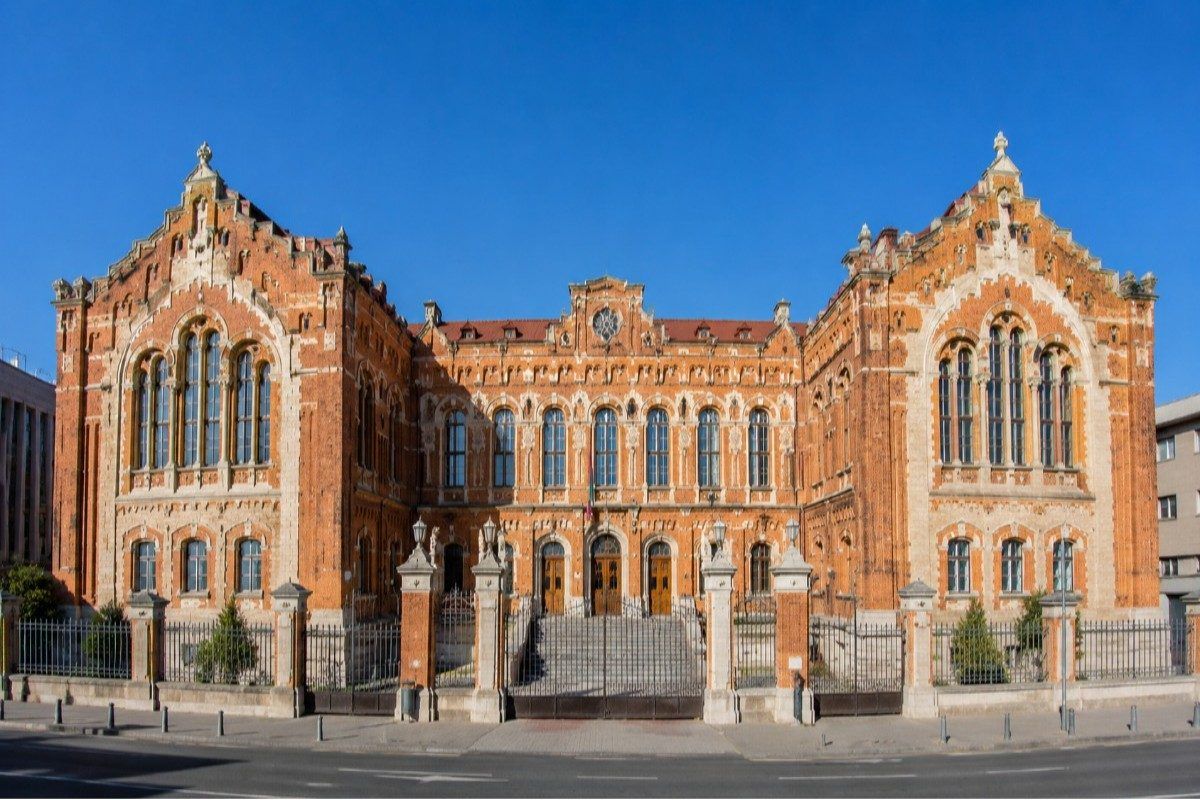
Explore fees, eligibility, and admission guidance for MBBS in Rovira i Virgili University Faculty of Medicine and Health Sciences in Spain.
 Partner
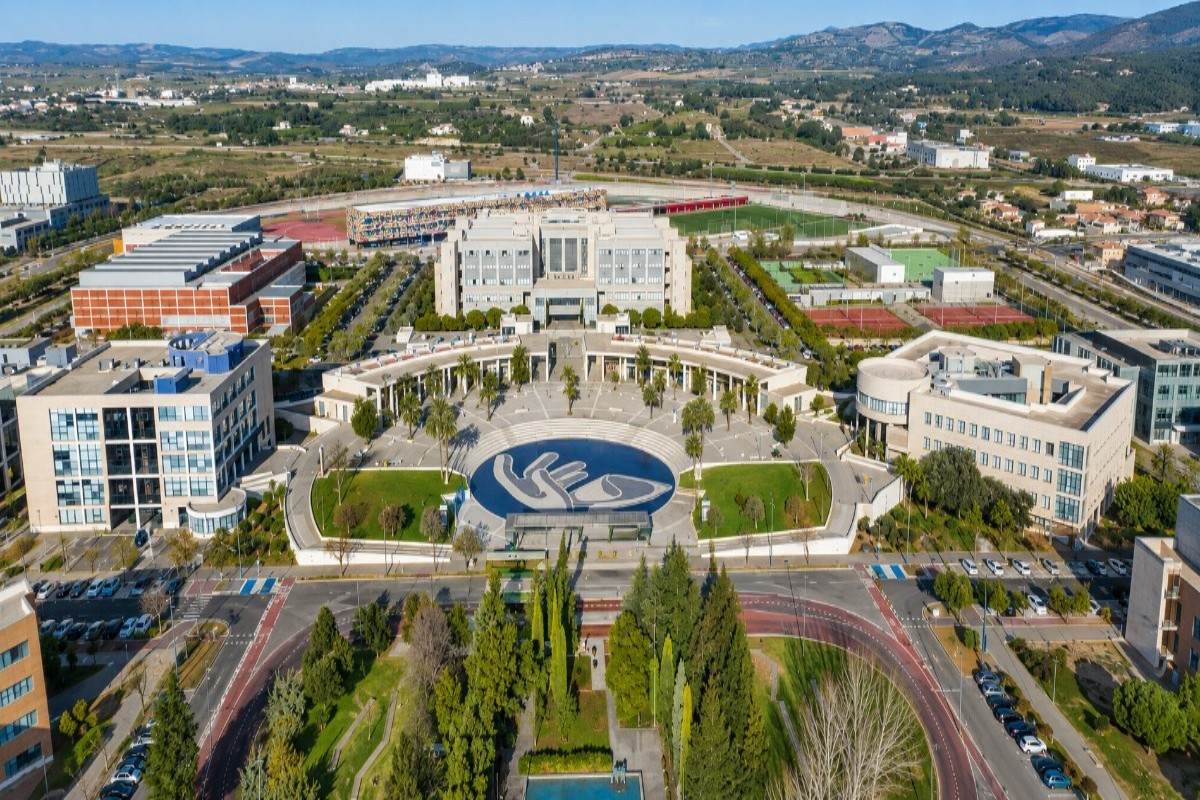
Explore fees, eligibility, and admission guidance for MBBS in Jaume I University Faculty of Health Sciences in Spain.
 Partner
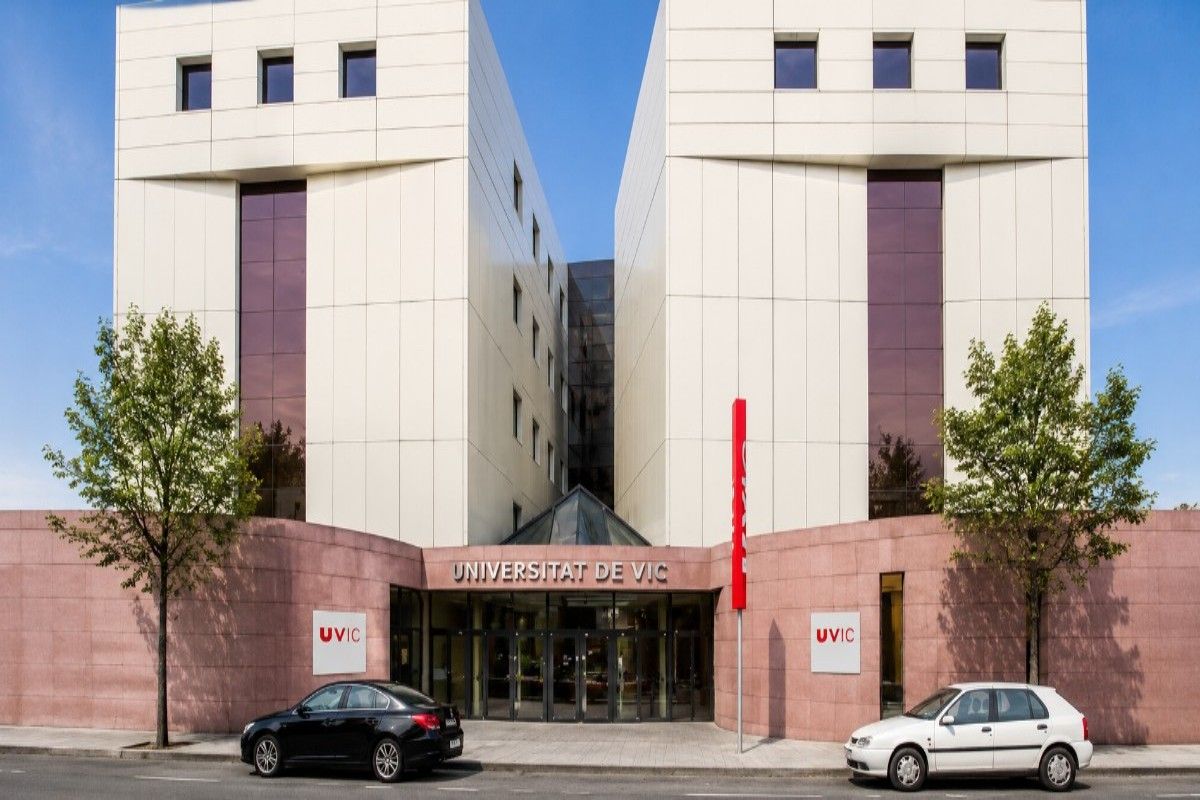
Explore fees, eligibility, and admission guidance for MBBS in University of Vic Central University of Catalonia Faculty of Medicine in Spain.
 Partner
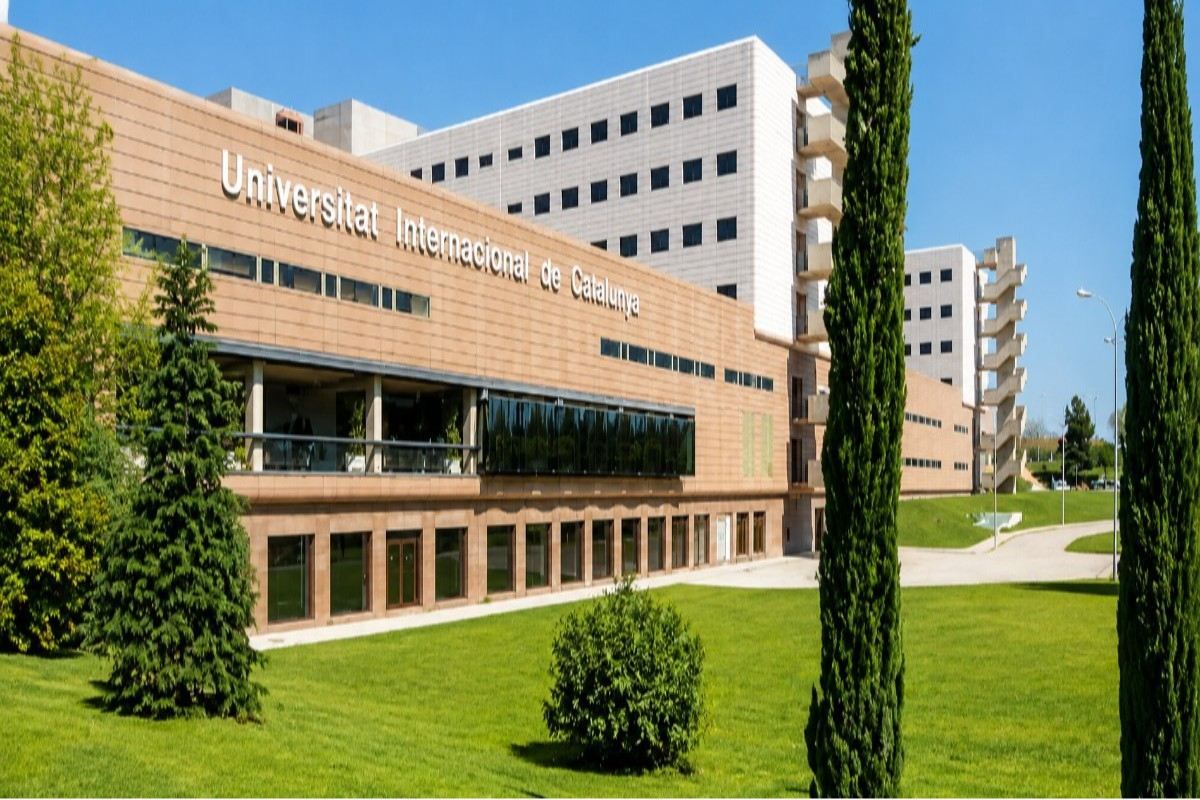
Explore fees, eligibility, and admission guidance for MBBS in Universitat International de Catalunya (UIC Barcelona)Faculty of Medicine and Health Sciences in Spain.
 Partner
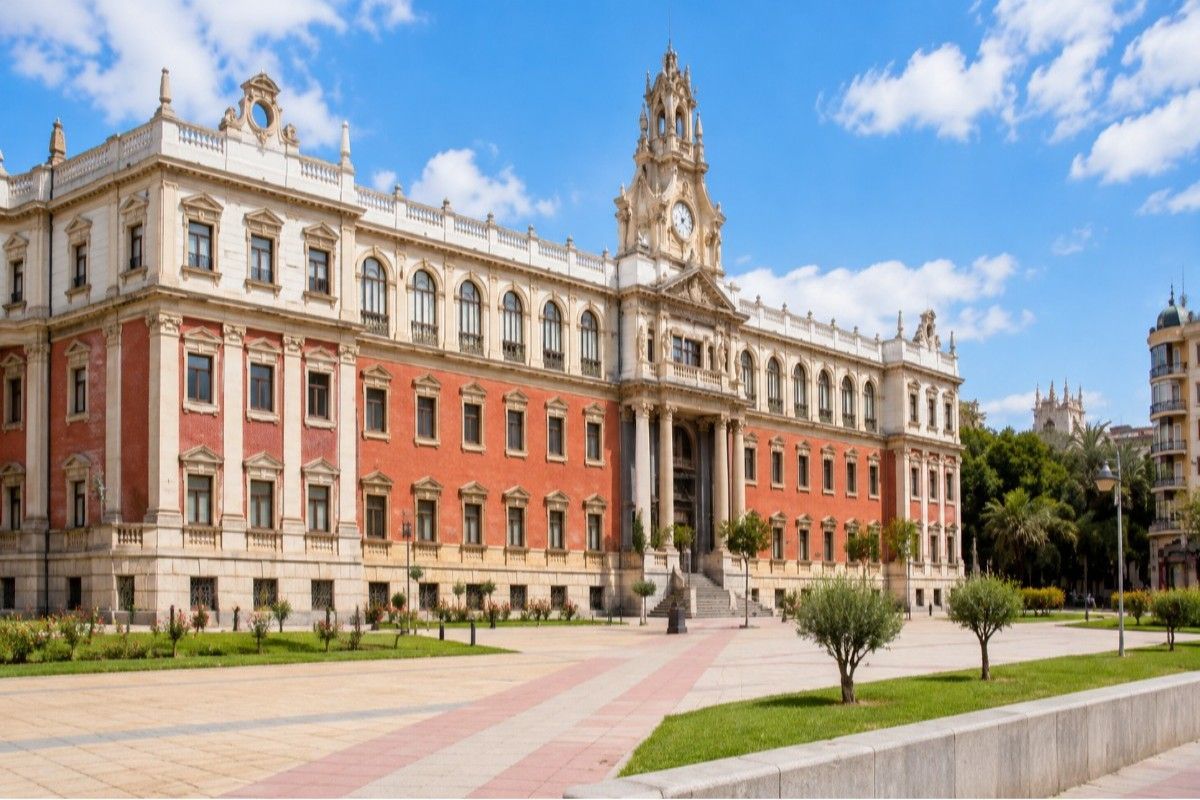
Explore fees, eligibility, and admission guidance for MBBS in University of Murcia Faculty of Medicine in Spain.
 Partner
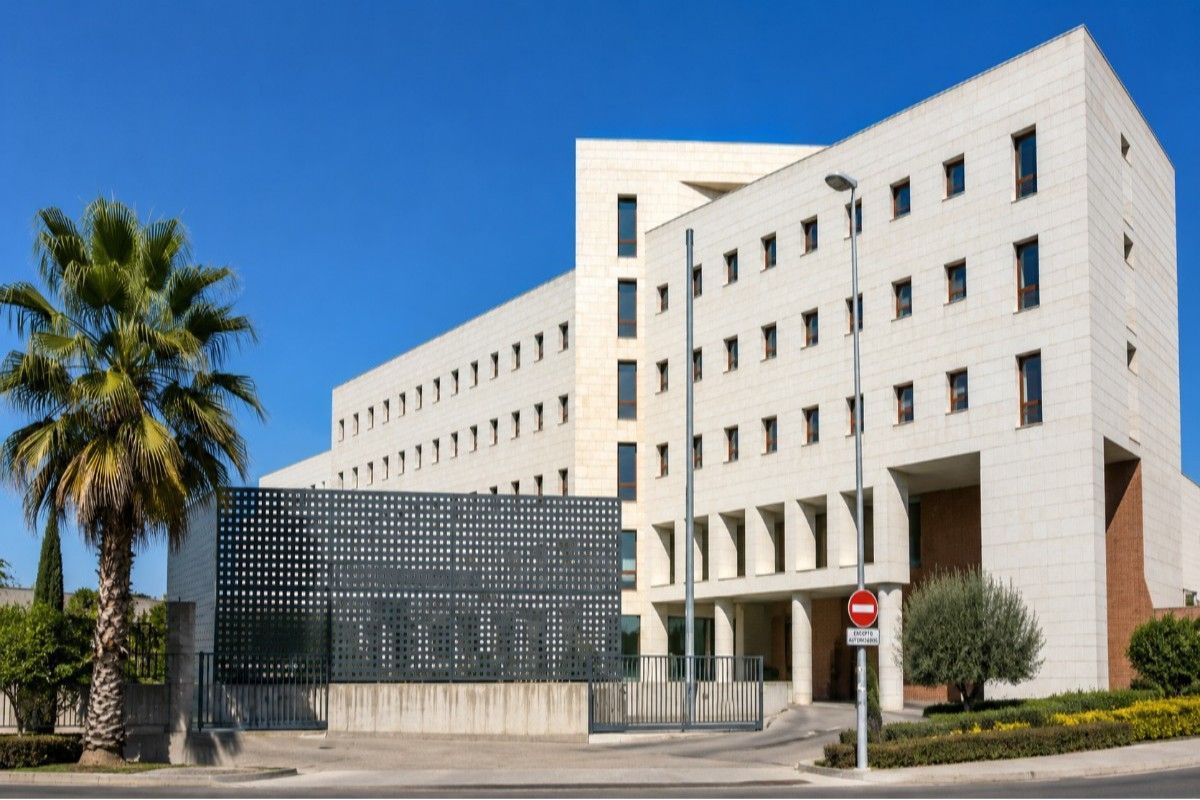
Explore fees, eligibility, and admission guidance for MBBS in University of Granada Faculty of Medicine in Spain.
Our team provides university-specific guidance and a full Spain context briefing at every intake. Book a free counselling session →
Some Spanish universities may admit international students without using NEET scores. However, Indian students planning to return to India must comply with the applicable Indian regulations.
Most medical programmes are taught mainly in Spanish or regional languages. Some universities offer bilingual or partially English-taught subjects, but a complete six-year English-medium programme should not be assumed.
A Spanish medical qualification does not automatically qualify a graduate for medical registration in India. Students must satisfy all applicable NMC requirements, including language, internship and clinical training conditions.
Well-known medical universities include the University of Barcelona, Complutense University of Madrid, Autonomous University of Madrid, University of Valencia, University of Navarra and CEU Cardenal Herrera University.
Normally the public universities located have comparatively low standard tuition fees. However, medicine admission is competitive, and private medical education can be expensive.
Students generally need a recognised secondary qualification, suitable academic performance, required language proficiency and applicable university entrance or admission assessments.
Yes. Indian students generally need a Spanish long-stay study visa for a six-year medical degree and must complete applicable residence formalities.
Eligible international students may undertake permitted employment compatible with their studies, subject to Spanish immigration rules and applicable working-hour limitations.