
Is the MBBS at Zaragoza taught in English?
+A: No. Instruction is entirely in Spanish, and the university does not offer an English-medium track or bridge year.
 Spain | Est. 1542
Spain | ANECA-accredited; automatically recognised under EU Directive 2005/36/EC. | Spanish medium
Expert will call you within 2 hours
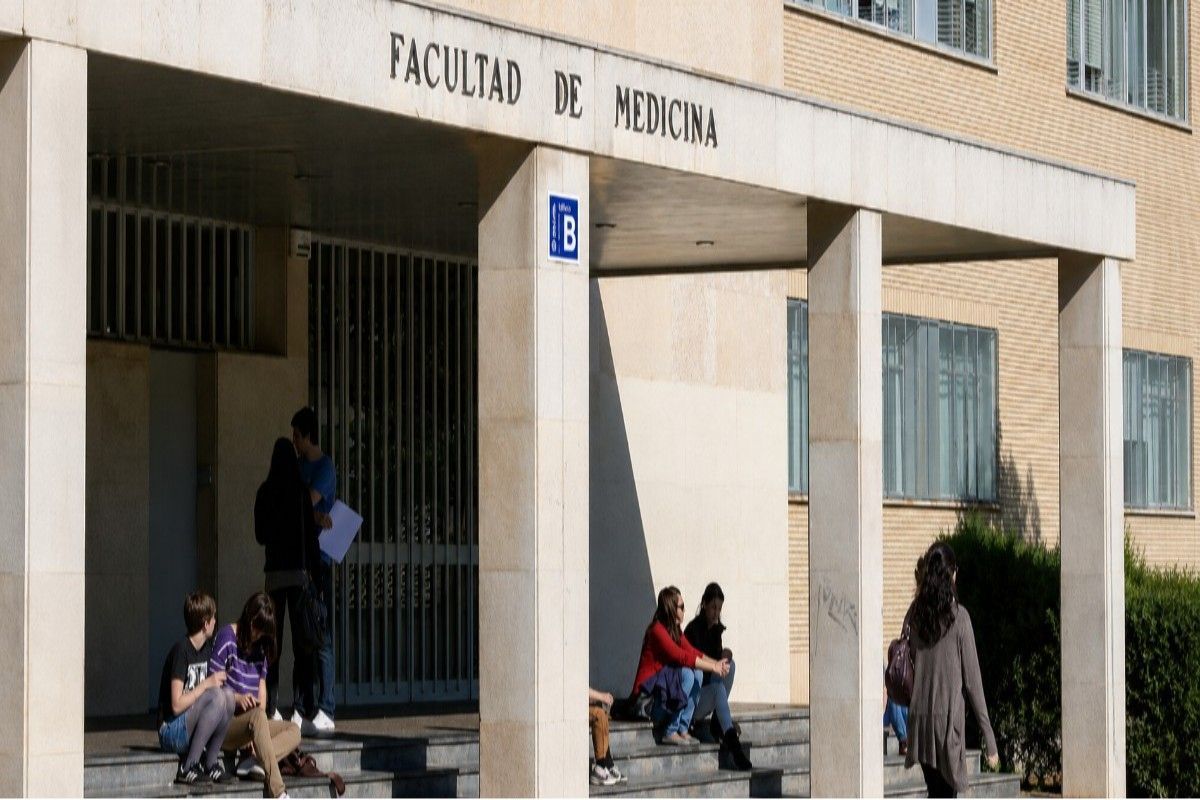
The Faculty of Medicine at the University of Zaragoza is connected to one of the top Spanish scientists. As a matter of fact, in the early 1880s Santiago Ramón y Cajal, who won the 1906 Nobel Prize in Physiology or Medicine for creating the neuron doctrine, served here as Professor of Histology and Pathological Anatomy. However, despite the impressive list of achievements, Zaragoza tends to be less well-known compared to such Spanish cities as Madrid, Barcelona, or Pamplona when international medical students search for Spanish MBBS options.
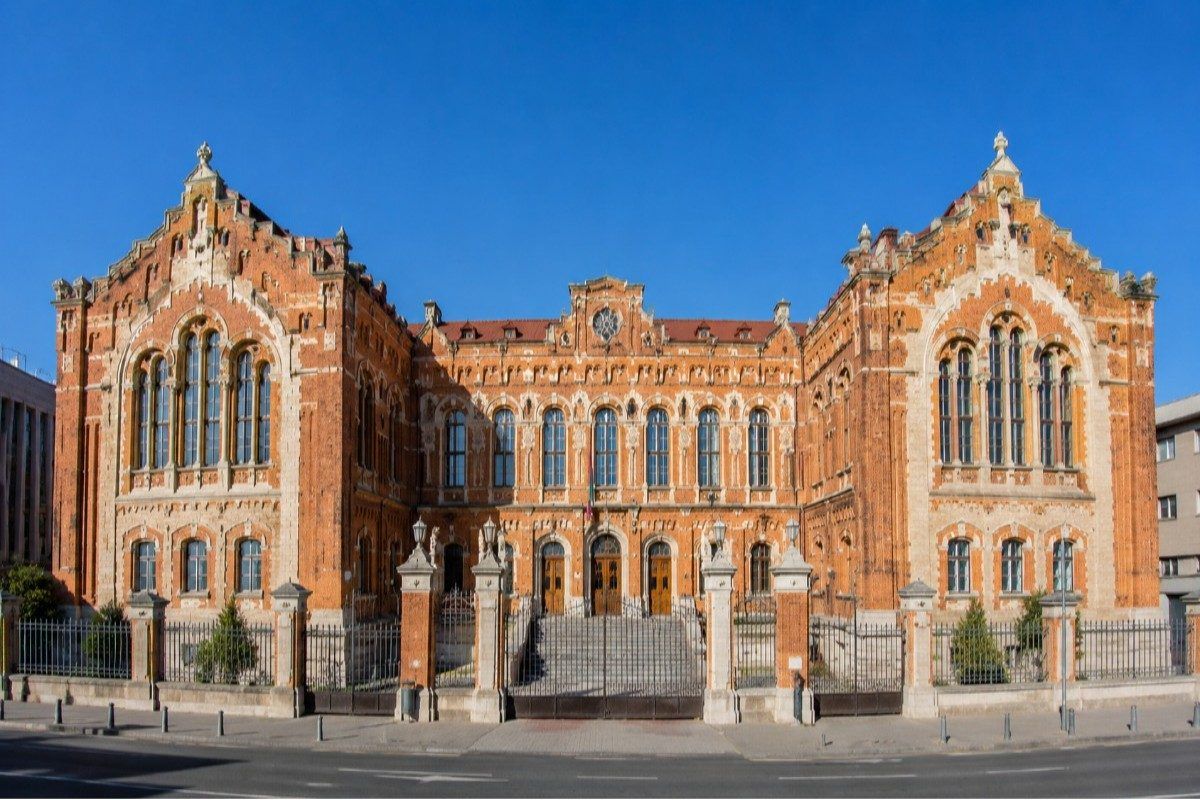
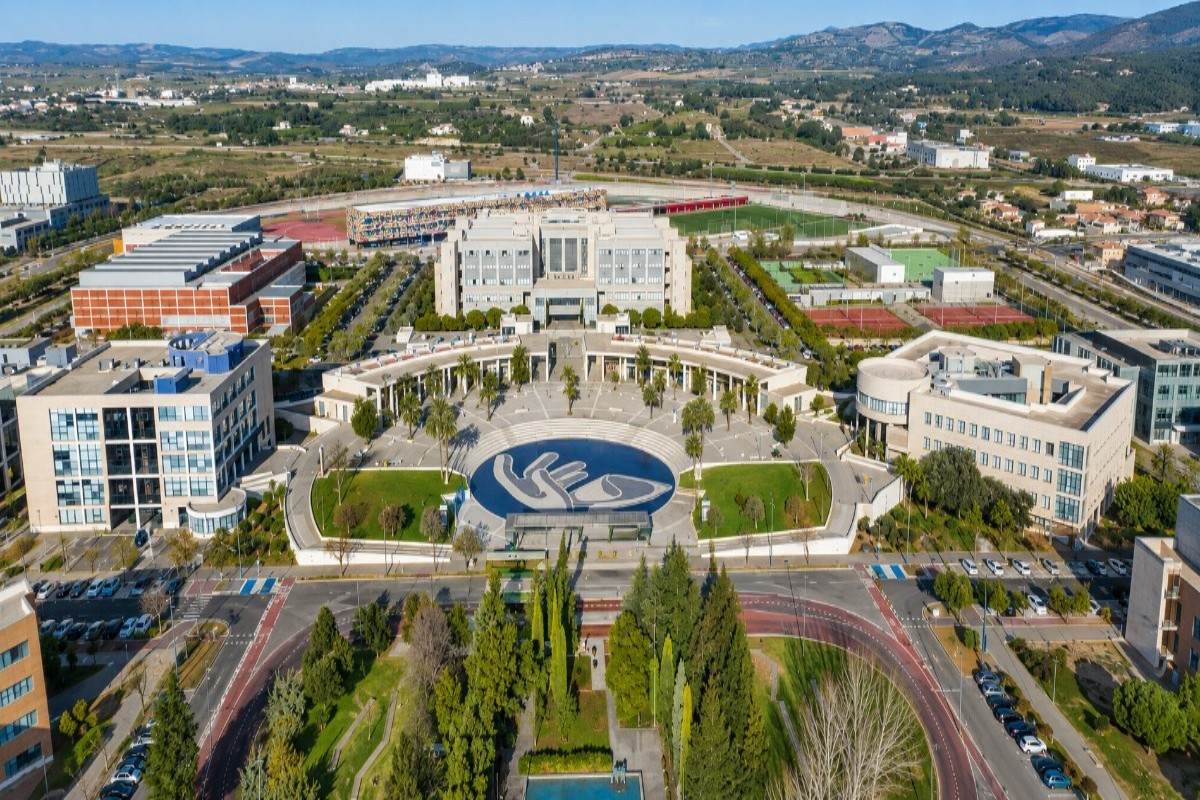
Founded in 1542, the University of Zaragoza is one of Spain's oldest universities. Moreover, it works at several campuses in Zaragoza, Huesca, and Teruel. Being a reputable institution, the university is consistently rated as one of the best universities in Spain. In contrast to many private universities that actively recruit international medical students, Zaragoza is aimed at attracting mostly domestic and European candidates. Hence, it is not popular in the international MBBS abroad market.
It is important to note that the Grado en Medicina programme is taught in Spanish without the English pathway option. All the lectures, practical sessions, clinical training, and exams are held in Spanish. The University of Zaragoza does not provide any preparation year for foreign students.
As one can see, language requirement has a great impact on admission chances. Domestic and EU applicants enrol in the university via EBAU exam, and Zaragoza medicine has one of the highest admission cut-offs in the country. For instance, for the 2025–26 admission cycle, the required score is about 13 out of 14, making it one of the most competitive programmes.
As for non-EU candidates educated in countries where secondary education is not provided in Spanish, they have to participate in the UNED's Credencial de Acceso system evaluating their secondary-school diploma and calculating the equivalent score. There is high competition for places because the university has limited seats for international applicants, hence admission will be decided according to academic merits rather than tuition fees.
Although B2 level of Spanish is usually considered to be the minimum requirement, it is recommended to obtain the C1 proficiency before starting the programme. Medical lectures, practicals, and dealing with patients require fluent speaking and listening skills. Therefore, students with intermediate Spanish can face difficulties during the first years. Hence, language preparation is critical for successful studies.
Medical programme has a standard duration of six years and includes 360 ECTS credits. Starting from the 2024–25 academic year, the faculty implemented a new curriculum in accordance with the Real Decreto 822/2021. In case of phased implementation, the first-year students are enrolled in the updated programme, while senior students continue their studies according to the previous programme.
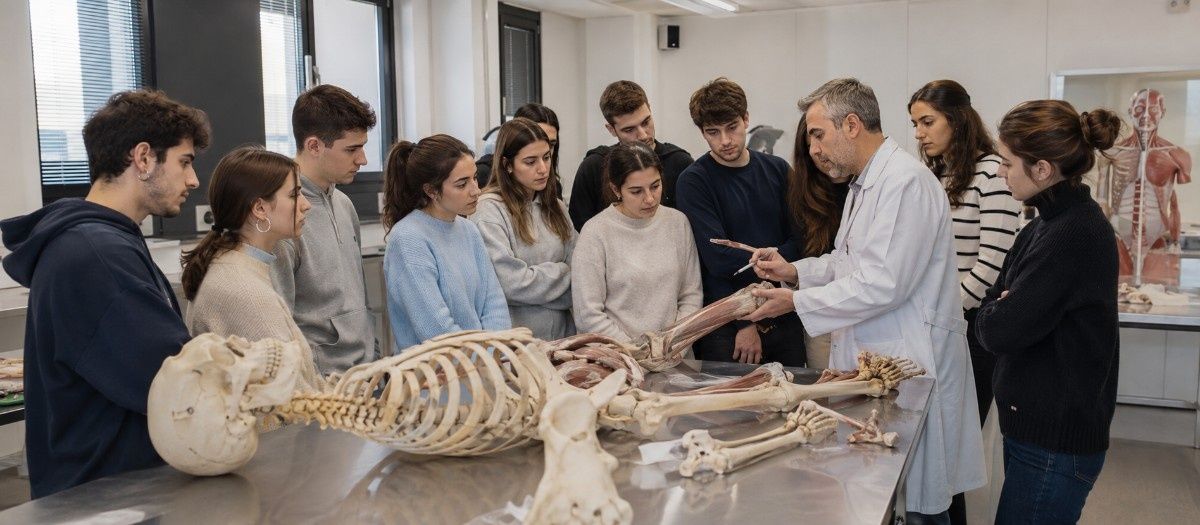
Clinical training takes place in Hospital Clínico Universitario Lozano Blesa, which is the main hospital of the university, and in regional health-care centres. Students gain hands-on experience in numerous medical fields throughout the entire programme. The curriculum includes scientific basics and gradual development of clinical skills according to Spanish standards of medical education. Hospitals play an important role in the later years of the programme.
The programme is accredited by ANECA and provides a medical degree recognized in all countries of the European Union and European Economic Area according to Directive 2005/36/EC. The graduates have an opportunity to become doctors in all EU member states in accordance with their national licensing requirements. Nevertheless, the Faculty of Medicine at the University of Zaragoza does not have the WFME International Quality Label which is granted by some Spanish medical universities. This distinction matters for students who want to undertake their residency training in the USA through certain ECFMG pathways.
One of the biggest strengths of Zaragoza is its affordable tuition fees. Although Medicine belongs to the category of higher laboratory tuition fees, the annual tuition of non-EU students is estimated to be €3,600 based on the cost of about €60 per ECTS credit. In comparison with many private medical universities in Europe and other countries, Zaragoza's tuition fee is much lower. Funding of public universities makes it possible to have relatively affordable fees.
Nevertheless, there are also other expenses that one should take into account. They include language preparation, evaluation of credentials through UNED, translation of documents, visa processing, as well as possible extra time for reaching the required language proficiency. Such hidden costs are often omitted when comparing universities' tuition fee. The admission itself is very competitive, no matter what the cost of studying is.
Zaragoza is a city with the population of about 700,000 people located on the banks of the Ebro River. Its cost of living is lower compared to such big cities as Madrid or Barcelona, but it still has a good transport system and student infrastructure. There is a huge Erasmus student community in Zaragoza making it an exciting and vibrant place to live but still less crowded compared to other big cities. Accommodation fees are also lower than in the largest Spanish cities.
All things considered, the University of Zaragoza is best suited for academic students who have C1 proficiency in Spanish or are willing to prepare. The university provides a reputable public medical education with full European recognition at an affordable price. However, it is not an English-speaking MBBS destination or a programme providing guaranteed admission for international applicants.
No hidden charges, no donation. The full picture of costs at MBBS in Facultad de Medicina Universidad de Zaragoza.
Tuition Fee
Approximately USD 1,400–2,000 per year
EUR 60.06 ≈ INR 5,600
Hostel Fee
EUR 3,603.60 ≈ INR 3,36,000
EUR 3,603.60 ≈ INR 3,36,000
Food & Meals
Approximately USD 6,000–9,000 per year
per month
Insurance
Approximately USD 300–700 per year
per year
Donation
No Donation
No Hidden Fee
Total Estimated Cost
EUR 3,700 – 3,750 ≈ INR 3,45,000 – 3,50,000
6 year
25–35%
Average FMGE first-attempt pass rates for students from many overseas medical universities. Students from structured programs consistently score higher.
Students returning to India need to clear the FMGE/NExT exam. MBBS in Facultad de Medicina Universidad de Zaragoza integrates exam-oriented coaching into the regular curriculum so students are prepared from day one.
A structured program that takes you from foundational sciences to clinical mastery.
- Biochemistry and Molecular Biology - Human Physiology (foundational) - Medical Psychology and Communication Skills - Biostatistics and Introduction to Research Methods
Histology and Cell Biology
General and Systemic Pathology Microbiology and Parasitology Immunology Medical Genetics
Human Physiology (advanced systems)
Clinical Propaedeutics and Semiology Introduction to Diagnostic Imaging Microbiology applied to Infectious Disease Early clinical skills practicals in hospital settings
General and Clinical Pharmacology
- Fundamentals of Pediatrics - Psychiatry and Mental Health - Public Health and Preventive Medicine - Medical Ethics and Legal Medicine
General and Systemic Surgery
Clinical rotation in Obstetrics and Gynaecology Clinical rotation in Pediatrics Clinical rotation in Psychiatry Supervised hospital practicals at Lozano Blesa and affiliated centres
Clinical rotation in Surgery
- Practicas Externas (supervised external clinical placements) - Trabajo Fin de Grado (final-year research or clinical project) - Preparation for the MIR (Spanish residency entrance exam), for those pursuing specialisation in Spain
Elective clinical rotations

Furnished hostel rooms with Wi-Fi, laundry, 24/7 security, and Indian mess on or near campus.
Indian restaurants and mess facilities serving vegetarian and non-vegetarian home-style food daily.
Strong Indian community with cultural events, festival celebrations, and peer support groups.
Students get hands-on clinical training in government and private hospitals affiliated with the university.
Practical information for students planning to study at MBBS in Facultad de Medicina Universidad de Zaragoza.
Prepare for all seasons. Thermal wear for winters, light clothing for summers. University provides heating in hostels.
Student visa processed with university invitation letter. Direct and connecting flights from major Indian cities.
Health insurance included in fees. Medical facility on campus plus city hospitals easily accessible.
Local SIM cards available. WhatsApp and video calls keep you connected with family back home.
Average monthly expenses of $150–$250 covering food, transport, and personal needs.
University library, online databases, and study groups. Seniors mentor juniors through academic challenges.
Our team guides you through every step — from application to arriving on campus.
Shortlist based on public vs private, the MBBS fee in Spain you’re comfortable with, city, and whether a partial-English track matters to you.
Begin DELE/SIELE B2 preparation well ahead of application deadlines.
Submit application; sit BMAT or a university-specific test where required.
Academic transcripts, NEET scorecard, language certificates, passport, and supporting documents.
Formal offer issued upon successful evaluation.
Initial steps toward having your Indian academic credentials recognised in the Spanish system.
Apply at the Spanish consulate with your offer letter, financial proof, and insurance documentation.
After arrival, register at your local town hall (ayuntamiento), a mandatory municipal registration step that most competitor guides skip entirely, but one you’ll need for everything from opening a bank account to enrolling in local healthcare.
Admission Helpline — Contact our counsellors for step-by-step assistance.
“The faculty here is incredibly supportive. The clinical training during hospital rotations has given me real confidence in patient care.”
“Affordable fees without compromising on quality. The campus facilities and hostel life made my transition abroad very smooth.”
“English medium instruction and WHO-recognized curriculum were the deciding factors for me. No regrets so far — excellent experience overall.”
“The university helped with everything from visa to accommodation. Hospital exposure from year three has been invaluable for my FMGE prep.”
“Just cleared my licensing exam on the first attempt. The structured coaching and mock exams during final year were a game-changer.”
“Safe campus, good food options, and a strong Indian student community. The teaching methodology is very practical and hands-on.”
A: No. Instruction is entirely in Spanish, and the university does not offer an English-medium track or bridge year.
A: Yes, through UNED's credencial de acceso for foreign-system students, which converts a Class 12 transcript into a Spanish-equivalent score.
A: Very. Seats under the foreign quota are limited and awarded by score against other international applicants, not on a first-come basis.
A: A B2 certificate is typically the minimum for the application, but C1 is strongly advisable before classes begin.
A: It can be, subject to NMC screening test requirements applicable to any foreign medical degree, as with graduates of any country.
A: No, unlike some other Spanish faculties such as Complutense Madrid or Navarra; this mainly affects the ECFMG Pathway 1 route to US residencies.
A: Roughly EUR 10,300-12,700 all-in for tuition and living costs, excluding one-time costs like language preparation and visa fees.
A: No. The university does not run a preparatory or bridge year; students join directly into the six-year programme.
A: Primarily at Hospital Clinico Universitario Lozano Blesa in Zaragoza, alongside smaller regional teaching placements.
A: No. Like all Spanish medical graduates, they must pass the MIR exam before entering a specialty residency.
Our expert counsellors will guide you through the complete admission process — from documents to airport pickup.