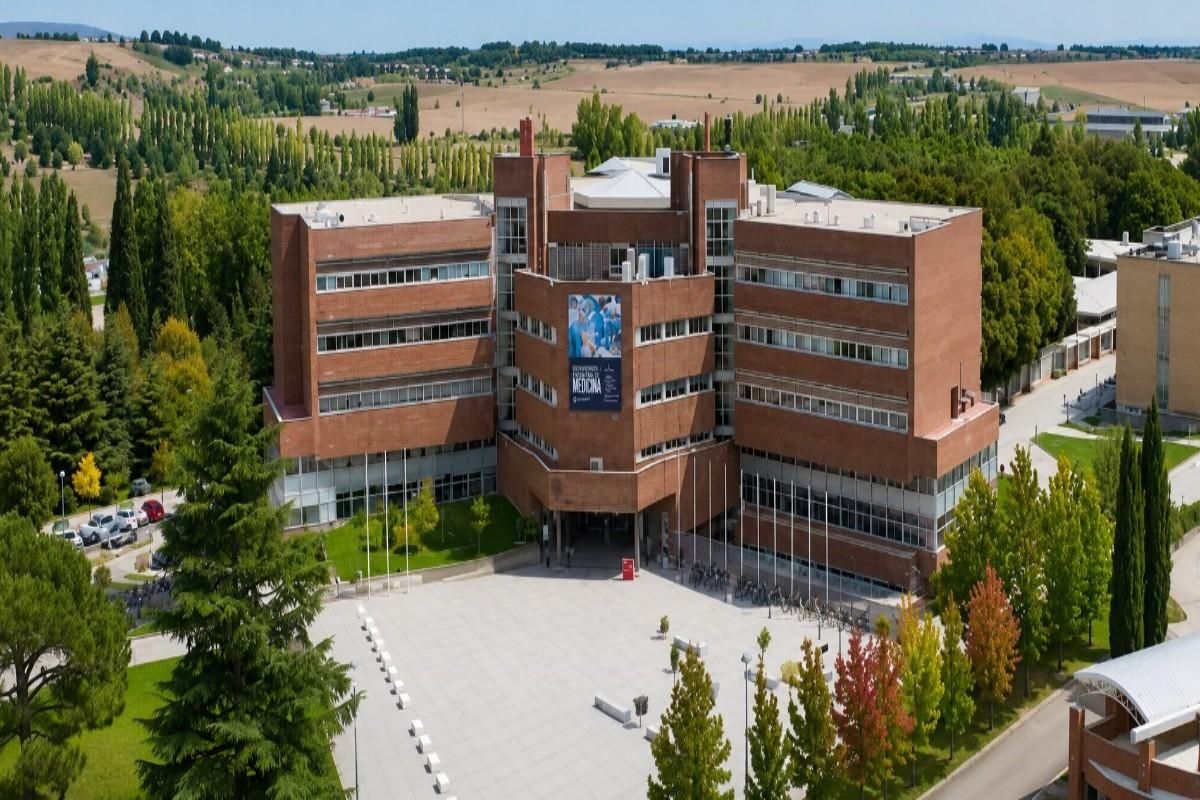
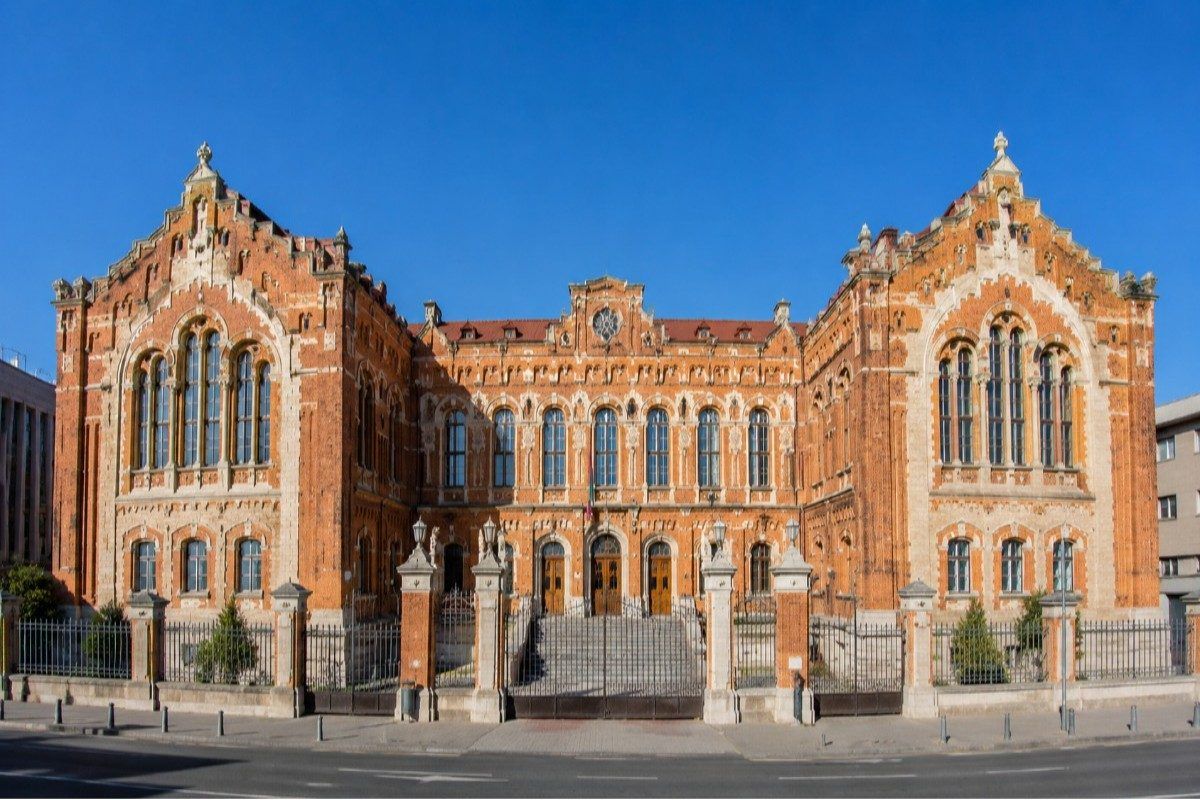
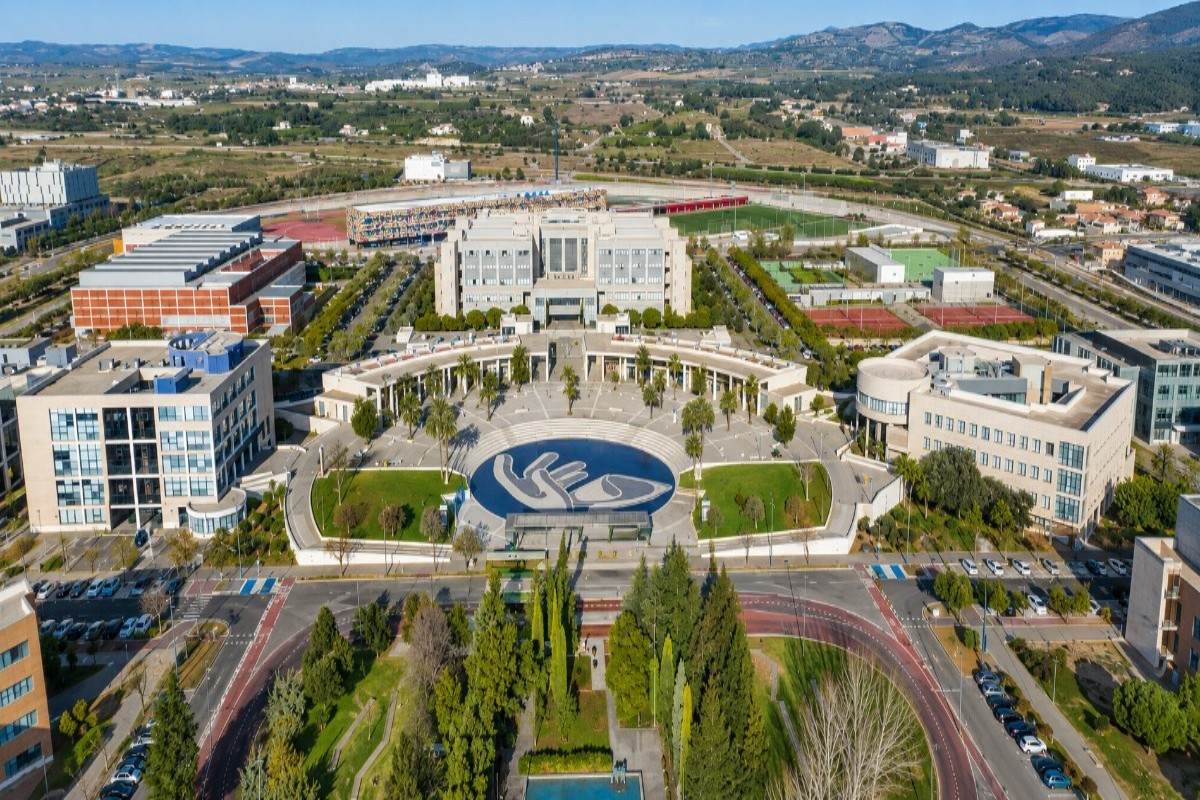
The Faculty of Medicine at the University of Navarra is one of Europe's most prestigious private medical schools, internationally recognised for excellence in medical education, biomedical research, clinical training, and healthcare innovation. Located in Pamplona, Spain, the faculty has earned a global reputation for producing highly skilled physicians, researchers, and healthcare leaders through its rigorous academic curriculum, advanced research programmes, and close integration with one of Spain's leading university hospitals. Combining academic excellence with personalised education and patient-centred values, the University of Navarra consistently ranks among Spain's top institutions for medicine.
Founded in 1952, the University of Navarra has grown into one of Europe's most respected universities, attracting students and researchers from over 100 countries. The Faculty of Medicine was established shortly after the university's founding and has since become a benchmark for medical education in Spain. Throughout its history, the faculty has remained committed to combining scientific knowledge, clinical excellence, ethical responsibility, and compassionate patient care.
The six-year Doctor of Medicine programme is carefully designed to prepare future physicians capable of practising medicine in increasingly complex healthcare environments. The curriculum integrates fundamental biomedical sciences with extensive clinical experience, research participation, and professional development. Students develop not only medical knowledge but also communication skills, ethical reasoning, leadership abilities, and lifelong learning habits essential for modern healthcare professionals.
Medical education begins with a comprehensive study of anatomy, physiology, biochemistry, molecular biology, histology, embryology, genetics, pathology, microbiology, immunology, pharmacology, and behavioural sciences. These foundational subjects provide students with an in-depth understanding of normal human biology and disease mechanisms while introducing the scientific principles that underpin modern medicine.
Teaching at the University of Navarra follows an integrated curriculum that combines lectures with case-based learning, problem-based learning, laboratory practicals, anatomy dissections, clinical simulations, digital learning platforms, and small-group tutorials. This interactive approach encourages analytical thinking, teamwork, clinical reasoning, and evidence-based decision-making throughout the educational journey.
One of the faculty's greatest strengths is its early integration of clinical education. Students begin developing clinical communication and examination skills during the initial years of the programme before progressing to extensive hospital-based training. This gradual transition enables students to build confidence while applying theoretical knowledge in real patient care settings.
Clinical training is centred at the internationally renowned Clínica Universidad de Navarra, one of Spain's leading academic hospitals. The hospital is recognised for delivering highly specialised healthcare while serving as a major centre for medical education and biomedical research. Students complete supervised clinical rotations in internal medicine, general surgery, paediatrics, obstetrics and gynaecology, psychiatry, neurology, cardiology, oncology, emergency medicine, orthopaedics, anaesthesiology, dermatology, ophthalmology, radiology, intensive care, and numerous subspecialties.
The Clínica Universidad de Navarra is equipped with advanced diagnostic technologies, robotic surgical systems, transplant programmes, comprehensive cancer centres, cardiovascular institutes, precision medicine facilities, and state-of-the-art intensive care units. Exposure to such advanced healthcare infrastructure enables students to gain experience in managing both common and highly complex medical conditions while learning from internationally respected clinicians.
Research forms an essential pillar of the university's academic mission. Faculty members conduct internationally recognised research in oncology, neuroscience, cardiology, genetics, immunology, molecular medicine, regenerative medicine, infectious diseases, endocrinology, transplantation, precision medicine, artificial intelligence in healthcare, and biomedical engineering. The university actively promotes translational medicine, ensuring that laboratory discoveries are translated into practical clinical applications that improve patient care.
Students are encouraged to participate in research throughout their medical education. Opportunities include laboratory placements, scientific societies, faculty-led research projects, international conferences, publications, and collaborative studies with global research institutions. Early exposure to scientific investigation strengthens critical thinking while preparing students for academic medicine and future innovation.
Internationalisation is a defining characteristic of the University of Navarra. The faculty maintains partnerships with leading universities, hospitals, and research centres throughout Europe, North America, Latin America, Asia, and Australia. Student exchange programmes, international electives, dual research collaborations, and visiting faculty initiatives provide valuable global exposure while encouraging intercultural understanding.
Medical education follows European Higher Education Area standards under the Bologna Process. The curriculum emphasises evidence-based medicine, patient safety, healthcare ethics, communication, professionalism, multidisciplinary teamwork, healthcare innovation, digital medicine, and continuous professional development.
Simulation-based education also plays an important role within the programme. Modern simulation centres equipped with high-fidelity patient simulators allow students to practice emergency medicine, surgical procedures, communication, teamwork, and clinical decision-making before entering hospital environments. These facilities significantly improve clinical competence while enhancing patient safety.
Pamplona offers an outstanding environment for higher education. Famous worldwide for the San Fermín Festival, the city combines centuries of history with modern infrastructure, excellent public services, and a safe, welcoming atmosphere. Students benefit from affordable living costs compared with larger Spanish cities while enjoying beautiful parks, cultural attractions, sports facilities, restaurants, museums, and efficient public transportation.
Accommodation options include university residences, student apartments, shared housing, and private rentals located near the campus and hospital. The university provides comprehensive support services for international students, including orientation programmes, academic advising, language assistance, counselling, career guidance, student organisations, and extracurricular activities that facilitate successful integration into university life.
Graduates of the University of Navarra are highly respected for their academic excellence, clinical competence, ethical professionalism, and research capabilities. Many continue into competitive residency programmes, postgraduate research, academic medicine, and leadership positions within healthcare systems around the world.
Today, the Faculty of Medicine at the University of Navarra continues to strengthen its international reputation by combining world-class education, pioneering biomedical research, outstanding clinical training, and personalised student development. Its commitment to academic excellence and compassionate healthcare has firmly established it among Europe's leading medical schools.