
1. Who awards the medical degree at Pompeu Fabra University?
+UAB and UPF award it jointly as the UAB-UPF Grado en Medicina.

 Spain | Est. 1998
Spain | Spanish Ministry of Universities, ANECA verification, AQU Catalunya, registered in RUCT, EU professional recognition for physicians | Catalan and Spanish, with English in selected subjects medium
Expert will call you within 2 hours
The Faculty of Medicine and Life Sciences at Pompeu Fabra University in Barcelona is where medical students learn. It used to be called the Facultat de Ciències de la Salut i de la Vida. The school opened in 1990, and the medical degree program began in 2008–2009 as a joint effort between the school and Universitat Autònoma de Barcelona. You get a Grado en Medicina from both UAB and UPF. It's worth 360 ECTS credits and takes six academic years to complete. The present study plan starts in 2021.
A very small number of people are accepted each year. UPF has 64 spots for first-year students, and the UAB-UPF medical degree has an admissions mark above 13 on a 14-point scale in Catalan. This makes it one of the most competitive degrees in Spain. Over the six years, the total number of students stays close to 380. The way they teach is affected by the size of the class because seminars, lab work, and clinical sessions are run in small enough groups that each teacher knows every student's name.
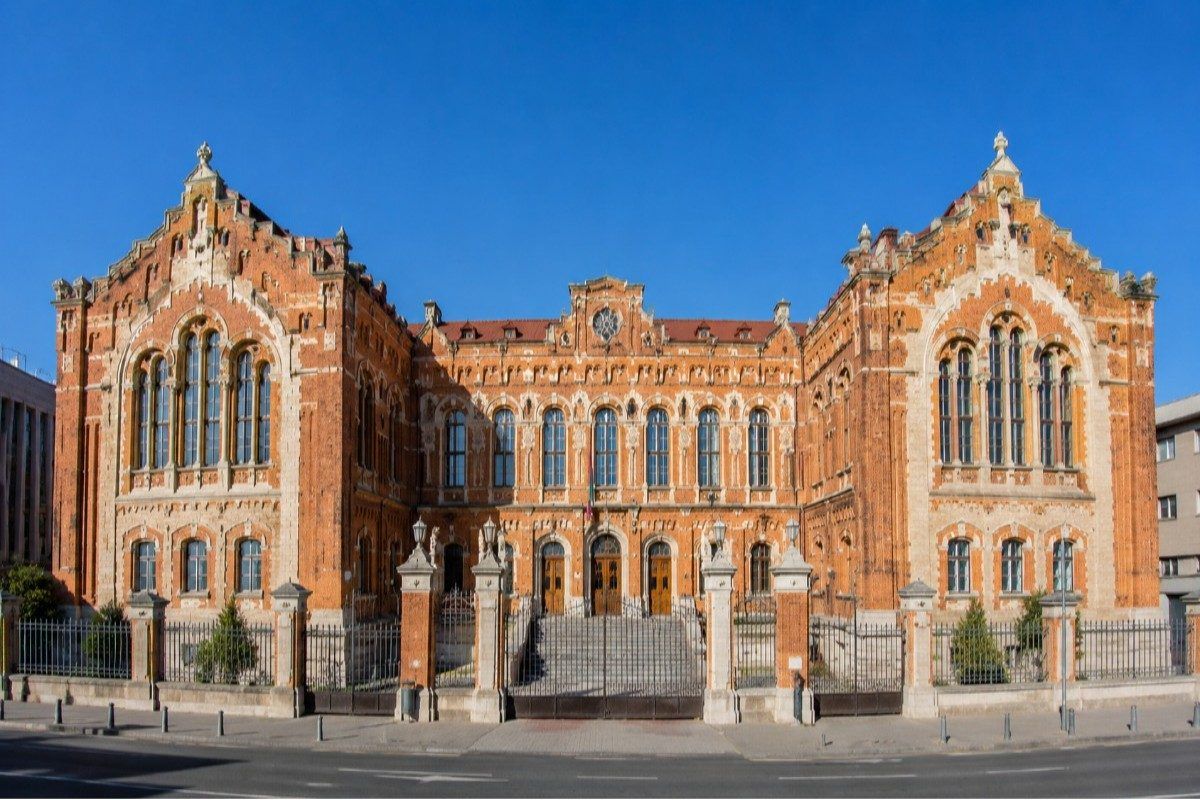
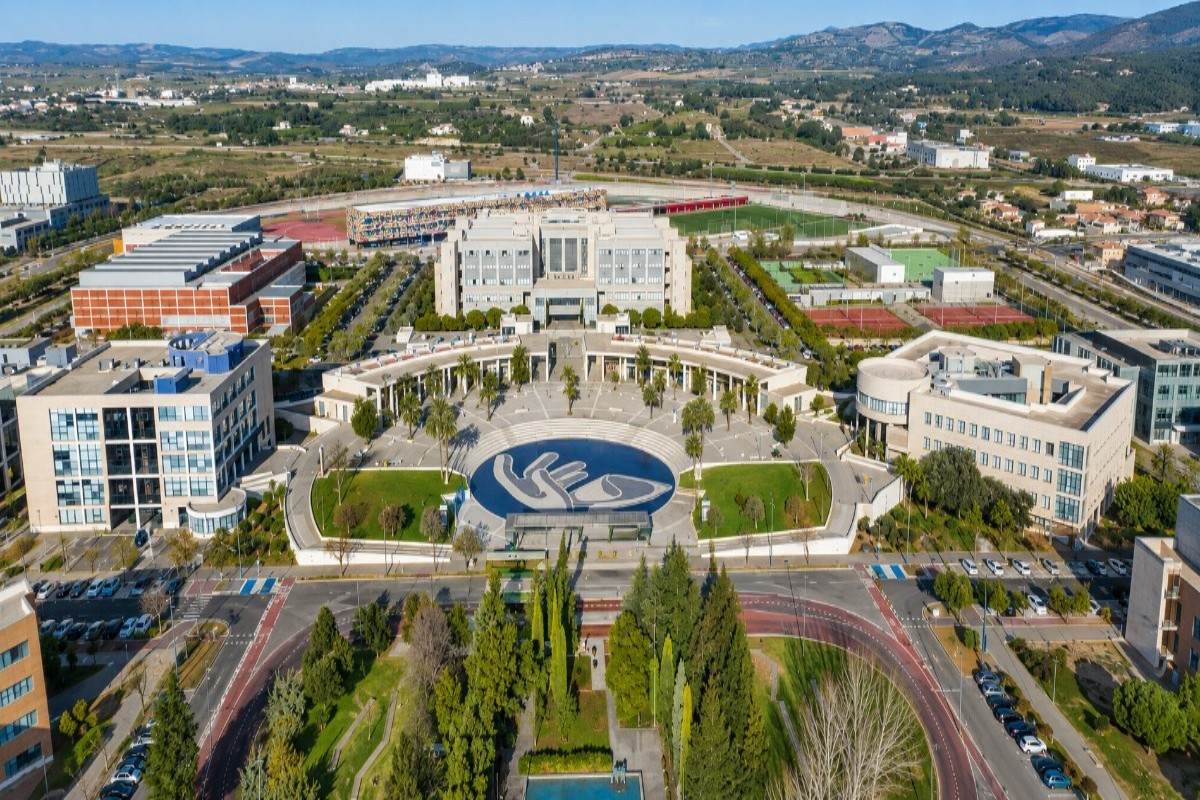
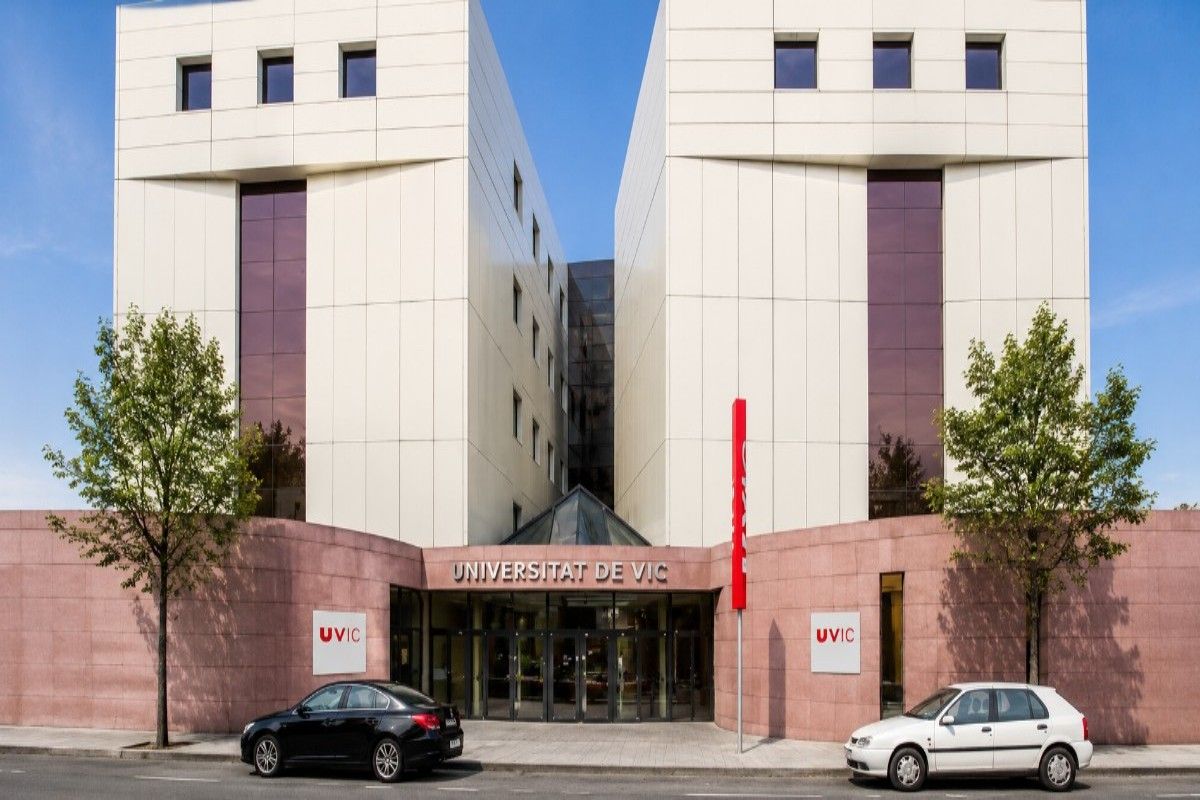
The Mar campus is in the Barceloneta neighborhood, right next to Hospital del Mar, and that's where classes take place. The faculty, the Barcelona Biomedical Research Park, and shared laboratories are all on campus. This means that basic science research, hospital medicine, and teaching for first-year students all happen in the same block of streets by the water. It only takes minutes to get from a lecture hall to a study lab or a hospital ward, and the faculty makes good use of this.
Clinical training is based at Hospital del Mar. UPF and the hospital worked together to change the medical curriculum so that practical experience starts early in the program instead of waiting until the end. Students in their second year already go to supervised practice sessions, and internal medicine staff at the hospital teach at the university. Students also visit other public hospitals in Catalonia, such as Parc de Salut Mar, Hospital Universitari Vall d’Hebron, Hospital de la Santa Creu i Sant Pau, and primary care centers integrated into the program.
The program is a mix of the Spanish national medical framework and UPF's own way of teaching integration and simulation. Basic sciences are taught along with patient care, not separately. Pathophysiology and diagnosis take up most of the middle years, and the last two years are spent doing guided clinical work all the time. The staff teaches using simulations, standardized patients and case-based learning, and assesses clinical competence through structured practical exams rather than written tests.
Languages matter here. The UAB says the joint medical degree will be taught in Catalan, Spanish and English. Catalan and Spanish are the main languages of instruction. English is used for some classes and scientific literature. They use the local languages for clinical placements because that's what the patients speak. It’s a degree that is taught in Catalan and Spanish and a little bit of English. As per FMGL 2021 all instruction and training must be in English for getting your NMC registered in India.
The research strength of the faculty is indicative. UPF is ranked 187 in the Times Higher Education World University Rankings 2026, and also has one of the best records of research per academic in Spain. Some of the fields that have groups at the medical school and the Barcelona Biomedical Research Park are genomics, systems biology, evolutionary biology, neuroscience, biomedical computing and clinical epidemiology. Undergrads join these groups to do the final project they have to do, and a lot of them publish or show their work before they graduate.
Fees are based on the price decree that the Generalitat de Catalunya sends out every year for all public universities in Catalonia. They are calculated per credit by the experimental level of the degree. There are two different prices for medical school. UPF says the first year costs 1,202.32 euros for students from the EU, and UAB says it costs 27.67 euros per credit. Non-EU students who don't live in Spain may have to pay more than the standard public rate. Check with the admissions office to make sure you know what category you fall into before you make your budget.
The real cost of school is driven by Barcelona. In the city, a room in a shared flat costs between 500 and 750 euros a month, and a place to live costs at least that much. Plan to spend about 7,200 euros a year on housing, food, transportation, and insurance. The metro and busses go all over the city, and student travel cards make them cheaper. The Mar site is also close enough to walk to both the beach and the center of Barcelona.
The Catalan pre-registration system is used to get people in. Applicants from the EU have to get a certain PAU score, and every year, the cut-off for the UAB-UPF medical degree is very close to the top of the national list. Applicants from outside the EU must first verify their credentials through UNEDasiss, then take the necessary subject tests, and then enter the same competitive round. According to UPF, there is no agency, whether public or private, responsible for student admissions and the application must be made through the official channels.
The student life at UPF revolves around a small, urban university with three buildings dotted around Barcelona. There are sports facilities, more than fifty student groups, a lively exchange program and language services that teach Spanish and Catalan at the university. Most of the time, medicine students are on the Mar campus. As there are only a few of them, they form a tight-knit year group that learns and moves around with each other for six years.
The degree is fully recognized by the government. It is recognized by the European Union under the professional recognition guidelines for physicians and registered by the Spanish Ministry in RUCT. It is also quality-verified by ANECA and by the Catalan agency AQU . You take the MIR national exam after graduation, and your score tells you both your specialty and the hospital where you will train. There is a lot of competition for the best specialties, and UPF graduates usually do well because the program has a lot of clinical work and teaches in small groups.
If you want to study medicine in a big European city and do a lot of research, this is the school for you. You can study in Catalan or Spanish, and there are 64 seats available. Do not choose it if you need a degree taught in English to get a license to work from home, because the language of instruction will not let you go that way, no matter how good the university is at teaching. Read the rules of your authority first, then make up your mind.
No hidden charges, no donation. The full picture of costs at MBBS In Pompeu Fabra University Faculty of Health and Life Sciences.
Tuition Fee
EU / EEA €1,202 per year Non-EU / ~€6,800
EUR1,202 USD1,298 INR1,14,200
Hostel Fee
Approx. EUR 7,200 per year, approx. USD 7,776 / INR 6,84,300
Approx. EUR 7,200 per year, approx. USD 7,776 / INR 6,84,300
Food & Meals
EUR 4,200 USD4,536 INR3,99,200
per month
Insurance
EUR550 USD594 INR 52,300
Per Year
Donation
No Donation
No Hidden Fees
Total Estimated Cost
EUR 14,282 USD15,424 INR13,57,400
(6-Year Total)
25–35%
Average FMGE first-attempt pass rates for students from many overseas medical universities. Students from structured programs consistently score higher.
Students returning to India need to clear the FMGE/NExT exam. MBBS In Pompeu Fabra University Faculty of Health and Life Sciences integrates exam-oriented coaching into the regular curriculum so students are prepared from day one.
A structured program that takes you from foundational sciences to clinical mastery.
You build the scientific base of medicine and meet the clinical environment early through structured introductory practice
biochemistry, histology, biostatistics, introduction to the medical profession
You link normal function to early clinical reasoning and start ward-based sessions in small supervised groups
immunology, foundations of diagnosis, supervised hospital practice at Hospital del Mar
You interpret investigations, study mechanisms of disease and expand clinical practice across teaching hospitals
pharmacology, imaging and laboratory diagnosis, epidemiology, public health
You rotate through the core specialties and take responsibility for case presentation and clinical documentation
obstetrics and gynaecology, psychiatry, medical ethics and law
You work across subspecialty units and outpatient clinics and manage patients under direct supervision
infectious disease, dermatology, ophthalmology, otolaryngology, family medicine
You function as part of the clinical team for most of the year, complete a research project and pass the final competence examination
primary care, elective rotation, final degree project and structured clinical assessment
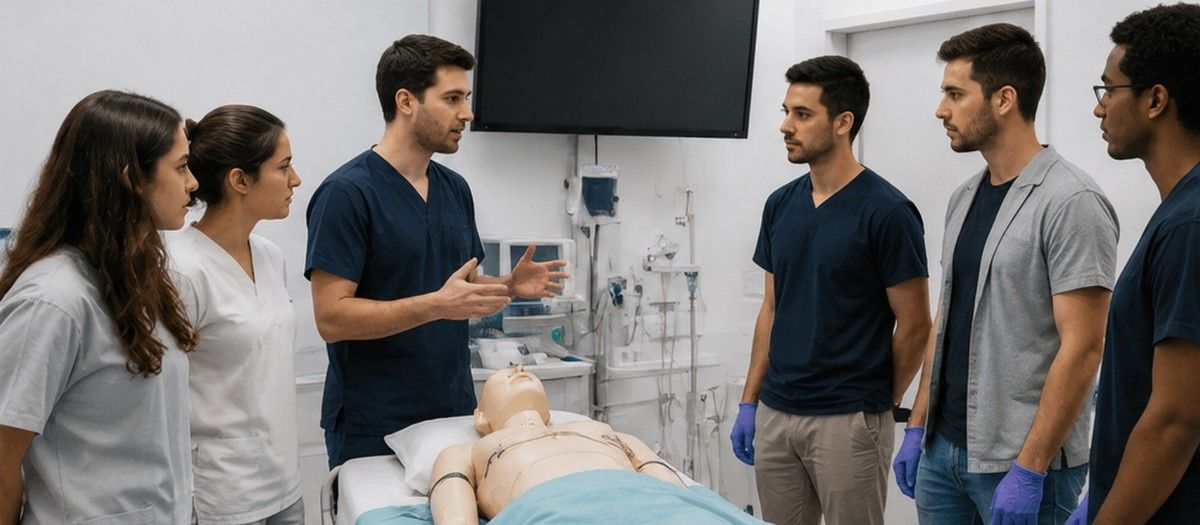

Furnished hostel rooms with Wi-Fi, laundry, 24/7 security, and Indian mess on or near campus.
Indian restaurants and mess facilities serving vegetarian and non-vegetarian home-style food daily.
Strong Indian community with cultural events, festival celebrations, and peer support groups.
Students get hands-on clinical training in government and private hospitals affiliated with the university.
Practical information for students planning to study at MBBS In Pompeu Fabra University Faculty of Health and Life Sciences.
Prepare for all seasons. Thermal wear for winters, light clothing for summers. University provides heating in hostels.
Student visa processed with university invitation letter. Direct and connecting flights from major Indian cities.
Health insurance included in fees. Medical facility on campus plus city hospitals easily accessible.
Local SIM cards available. WhatsApp and video calls keep you connected with family back home.
Average monthly expenses of $150–$250 covering food, transport, and personal needs.
University library, online databases, and study groups. Seniors mentor juniors through academic challenges.
Our team guides you through every step — from application to arriving on campus.
Shortlist based on public vs private, the MBBS fee in Spain you’re comfortable with, city, and whether a partial-English track matters to you.
Begin DELE/SIELE B2 preparation well ahead of application deadlines.
Submit application; sit BMAT or a university-specific test where required.
Academic transcripts, NEET scorecard, language certificates, passport, and supporting documents.
Formal offer issued upon successful evaluation.
Initial steps toward having your Indian academic credentials recognised in the Spanish system.
Apply at the Spanish consulate with your offer letter, financial proof, and insurance documentation.
After arrival, register at your local town hall (ayuntamiento), a mandatory municipal registration step that most competitor guides skip entirely, but one you’ll need for everything from opening a bank account to enrolling in local healthcare.
Admission Helpline — Contact our counsellors for step-by-step assistance.
“The faculty here is incredibly supportive. The clinical training during hospital rotations has given me real confidence in patient care.”
“Affordable fees without compromising on quality. The campus facilities and hostel life made my transition abroad very smooth.”
“English medium instruction and WHO-recognized curriculum were the deciding factors for me. No regrets so far — excellent experience overall.”
“The university helped with everything from visa to accommodation. Hospital exposure from year three has been invaluable for my FMGE prep.”
“Just cleared my licensing exam on the first attempt. The structured coaching and mock exams during final year were a game-changer.”
“Safe campus, good food options, and a strong Indian student community. The teaching methodology is very practical and hands-on.”
UAB and UPF award it jointly as the UAB-UPF Grado en Medicina.
Six years, 360 ECTS credits, with a study plan updated in 2021.
No. Core teaching runs in Catalan and Spanish, with English used in selected subjects and literature.
Not under FMGL 2021, which requires fully English-medium instruction and training.
64 first-year places, one of the smallest medical intakes in Spain.
? A very high admission score, above 13.0 on the Catalan 14-point scale in recent rounds.
1,202.32 euros for the first year for EU students, at 27.67 euros per credit. Non-EU non-residents may pay a surcharge
Hospital del Mar leads the training, supported by Parc de Salut Mar sites, other Barcelona teaching hospitals and primary care centres
No. UPF states that admission never goes through public or private agencies, so you apply directly
You sit the MIR national examination, and your score sets your specialty and training hospital.
Our expert counsellors will guide you through the complete admission process — from documents to airport pickup.