
1. Is this program taught in English?
+No. Teaching runs in Catalan and Spanish, consistent with most Catalan universities. Strong proficiency in both languages is genuinely necessary before applying.
 Spain | Est. 1997
Spain | Recognised by the Spanish Ministry of Universities and AQU Catalunya (the Catalan University Quality Assurance Agency); degree recognised across the EU and EEA under standard Bologna Process mutual recognition frameworks for medical qualifications | Catalan and Spanish medium
Expert will call you within 2 hours
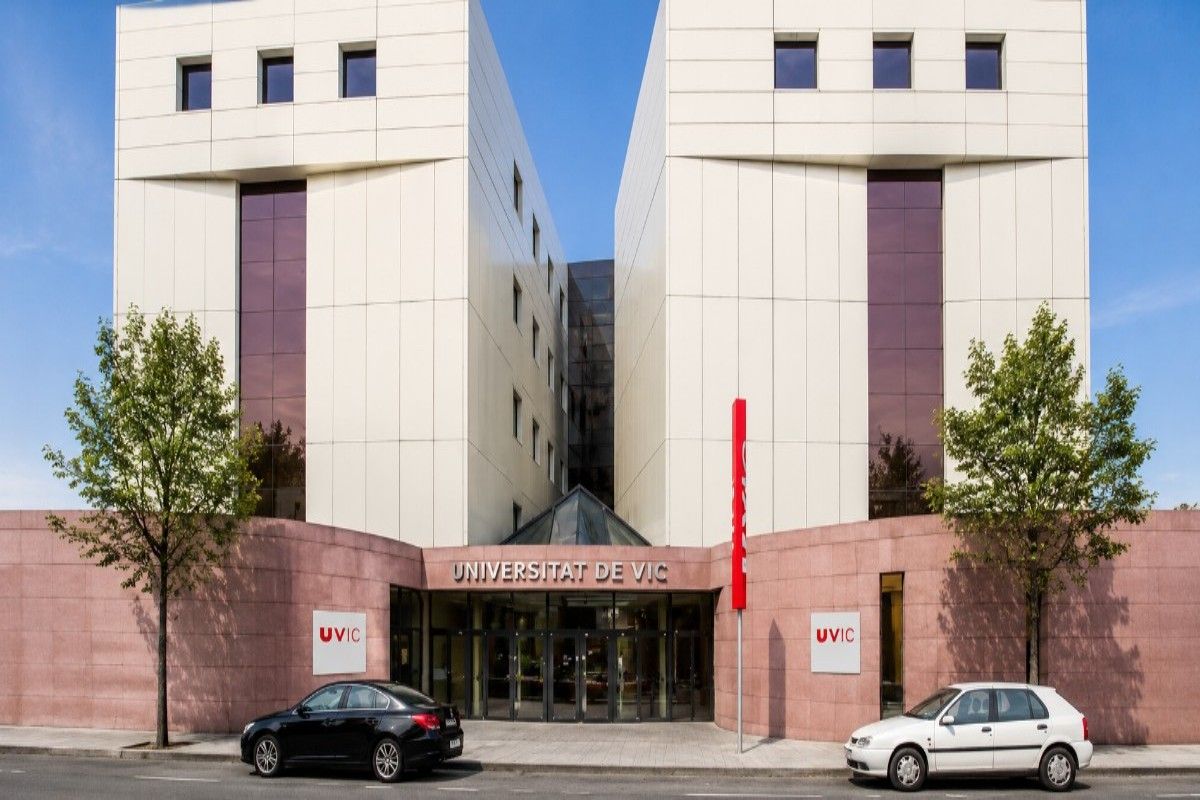
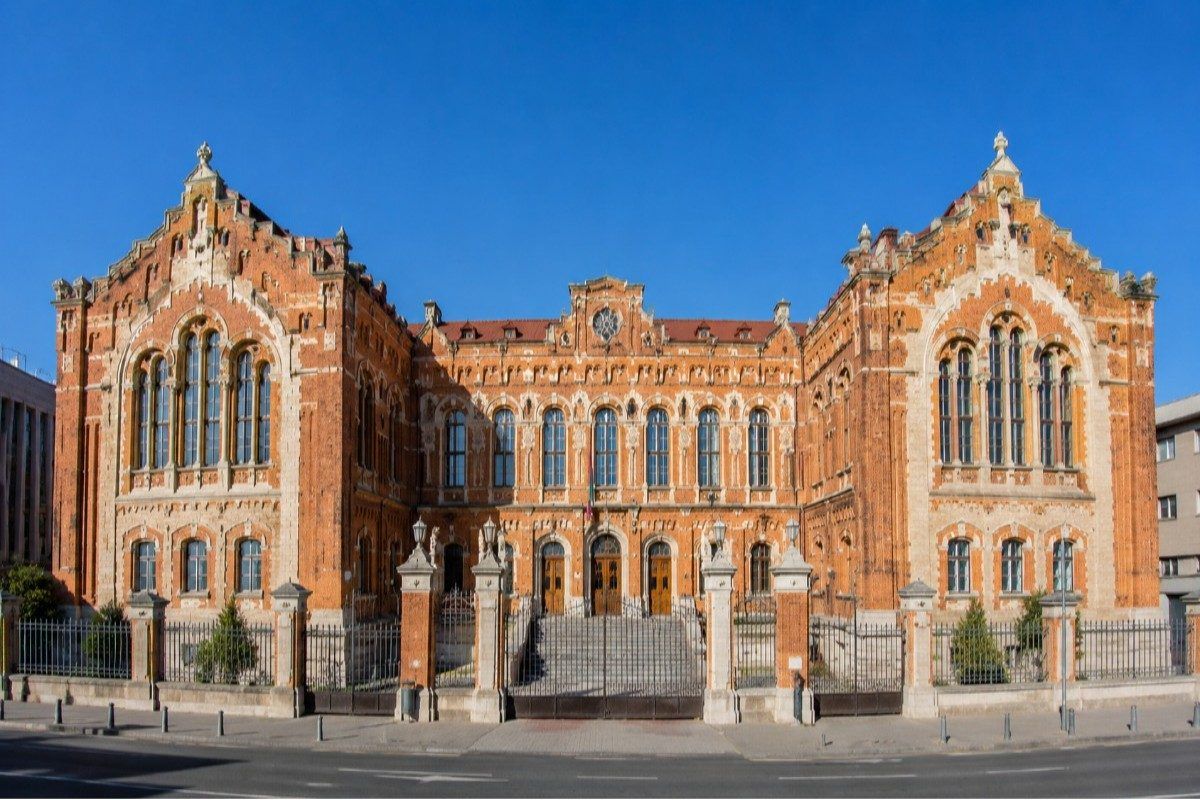
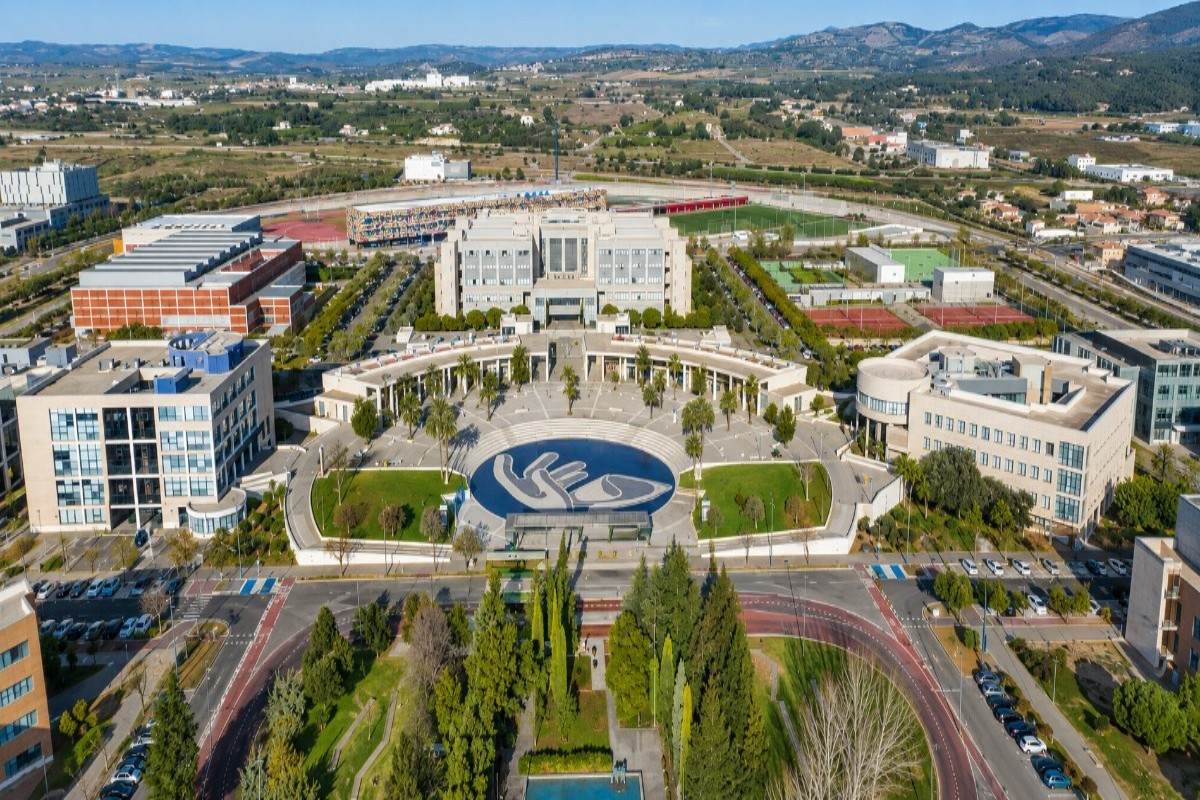
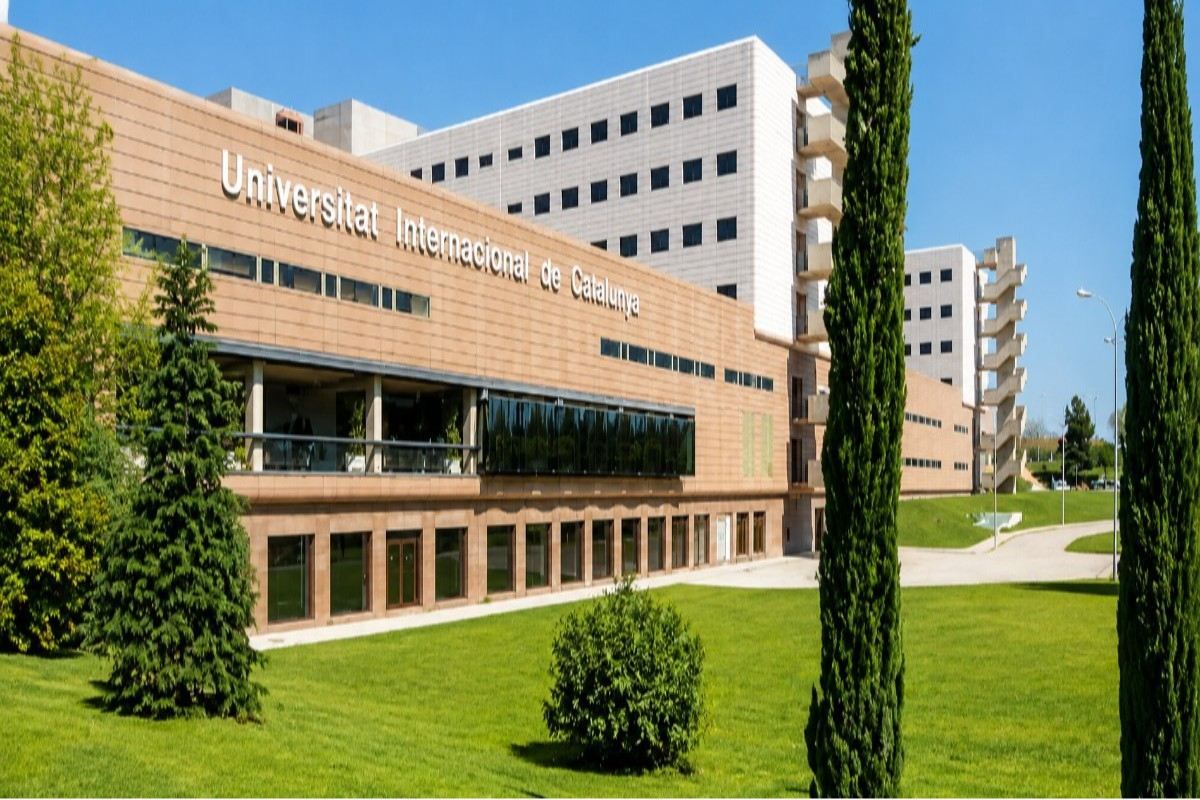
Vic is a famous market town in Spain's Catalonia region, about an hour's drive north of Barcelona. It is home to the University of Vic Central University of Catalonia, or UVic-UCC. The first Universitat de Vic opened in 1997, so the school has been around since then. It became the school it is today when it joined with the Universitat Central de Catalunya in 2014. The best teachers from several schools in central Catalonia came together when these schools merged. This made the university really reach across a region, not just one city. However, Vic would still be its historic and administrative hub.
It is one of the newest medical schools in Catalonia. It is part of UVic-UCC. This is part of a larger trend of medical education growth in Spain over the last ten years, as the country has worked to get more doctors to live there. Schools of medicine in Spain, like those in Barcelona and Madrid, have been around for a very long time. That being said, UVic-UCC's medical program doesn't use an older model for its curriculum. Instead, it was built from the ground up to meet the needs of modern medical education in Europe. This can be very helpful, since medical schools that aren't very old usually have to start from scratch when they set up simulation labs, interdisciplinary courses, and clinical relationships. They don't try to fix buildings and ways of teaching that were put in place many years ago.
The degree is based on Spain's normal medical education structure, the Grado en Medicina. This is in line with the Bologna Process framework that is used across the European Union. This is a six-year program that combines basic science, training before becoming a doctor, and clinical rotations into a single degree. In places like Australia and the Philippines, where this isn't the case, most people need another bachelor's degree before they can start medical school. If a student in Spain passes the national PAU (Prueba de Acceso a la Universidad) or EvAU access exam, or an exam recognized by the university as equivalent for international applicants, they can go straight to college after secondary school. They must also meet the specific admission cut-off score needed for medicine, which has historically been one of the most competitive university programs in Spain.
At UVic-UCC, most classes are taught in both Catalan and Spanish. This is how it is at most state and private Catalan colleges. Catalonia is a bilingual area where both Spanish and Catalan are official languages. Make sure you fully understand this before you apply. But teaching at the university level, especially in a field with a lot of terms like medicine, usually requires strong language skills in both, or at least a strong background in Spanish, with the expectation that Catalan skills will improve as the degree progresses. Applicants from outside the US who don't speak this language should make learning it a real priority, not just something they do as an extra. This is because clinical years require direct contact with Catalan and Spanish-speaking patients.
Through relationships with hospitals across Catalonia, students get to work with Spain's public health care system. When medical students from Spain come to study in Spain, they learn how to use this method. When graduates start their postgraduate training, they already know a lot about how the Spanish public hospital system works, how it is run, and how doctors treat patients. This integration is important for their job prospects in Spain because it gives them a big edge.
All medical school graduates in Spain must take the MIR test, which stands for Médico Interno Residente. This is after they finish their six-year Grado en Medicina. It doesn't matter if they went to UVic-UCC or another med school in Spain. This national, standardized, and very competitive exam ranks graduates based on their test scores. It determines their residency field and which hospital they are sent to. The MIR system is used for all of Spain's medical schools, so a graduate from UVic-UCC can compete with graduates from Spain's oldest and most prestigious medical schools. In Spain, things are fair in this very helpful way: the name of your medical school doesn't get you out of this test faster; how well you study and do on it does.
Any country in the European Union or the European Economic Area will accept a Spanish Grado en Medicina. Since the EU's Bologna Process and certain sectoral directives rule medical qualifications, this is the case. If someone graduates from UVic-UCC, they should be able to work or go to school anywhere in the EU, as long as they follow the rules for language and paperwork in that country. This is very useful for students who want to study in more than just Spain. If students want to go back to India or another non-EU country, they need to get a foreign medical graduate license, which is a must. Indian students still need to pass the NEET exam before they can enroll. After that, they need to pass either the FMGE or NExT exam to get their license, as long as they follow the rules set by the National Medical Commission for degrees from outside of India that are not taught in English.
The price at UVic-UCC is high because it is a private school in Spain. It's not as good as the public medical schools in Spain, which are much cheaper but only let students in if they meet very strict PAU/EvAU standards. There are not many spots for people from other countries to apply. It is easier for international students to get into private universities, even though the cost is much higher than at public universities. A lot of private medical schools in Spain and other parts of Southern Europe make this trade-off between lower costs and easier entry. When you make this choice, you should think about your costs and goals.
Vic has a very different way of life than Barcelona. It's a small, historic Catalan town famous for its well-kept medieval old town and its weekly market that has been going on for hundreds of years. Additionally, living there is less noisy and costs less than in Spain's bigger cities. Vic is a great place for students to study in Catalonia if they want to live and learn while not having to pay as much or deal with as much stress as living in Barcelona. Not only that, but it's close enough for weekend trips.
It's clear that UVic-UCC is best for students who are ready to put in a lot of work to learn Spanish and Catalan, who want a modern, purpose-built medical curriculum over an older one, and who want to live in a quiet, historic Catalan town instead of a big city. Students from outside of Spain can get in more easily because it is private than Spain's public medical schools. The cost of tuition is much higher, though, so you should carefully weigh this trade-off based on your own needs and long-term goals.
No hidden charges, no donation. The full picture of costs at MBBS in University of Vic Central University of Catalonia Faculty of Medicine.
Tuition Fee
USD Approx. USD 14,000-17,000 per year INR (approx. INR 11.72-14.23 lakh)
USD 14,000-17,000 INR 11.72-14.23 lakh
Hostel Fee
USD Approx. USD 6,500-8,500 per year INR (approx. INR 5.44-7.12 lakh)
USD Approx. USD 6,500-8,500 per year INR (approx. INR 5.44-7.12 lakh)
Food & Meals
USD 3,500-4,500 INR 2.93-3.77 lakh
per month
Insurance
USD 500-700 INR 0.42-0.59 lakh
per year
Donation
No Donation
No Hideen fees
Total Estimated Cost
USD24,500-30,700 INR 20.51-25.71 lakh
6-YEAR
25–35%
Average FMGE first-attempt pass rates for students from many overseas medical universities. Students from structured programs consistently score higher.
Students returning to India need to clear the FMGE/NExT exam. MBBS in University of Vic Central University of Catalonia Faculty of Medicine integrates exam-oriented coaching into the regular curriculum so students are prepared from day one.
A structured program that takes you from foundational sciences to clinical mastery.
biochemistry, and histology, alongside introductory clinical skills training
Foundational science subjects, including anatomy, physiology
with increasing hospital and community exposure.
Pathology, pharmacology, microbiology, and applied clinical sciences
obstetrics and gynaecology, and psychiatry, conducted through hospital partnerships across the wider Catalonia region
Full clinical rotations across major specialties, internal medicine, surgery, paediatrics,
applying equally to all Spanish medical graduates regardless of which university they attended
a national, competitive exam determining residency specialisation and hospital placement
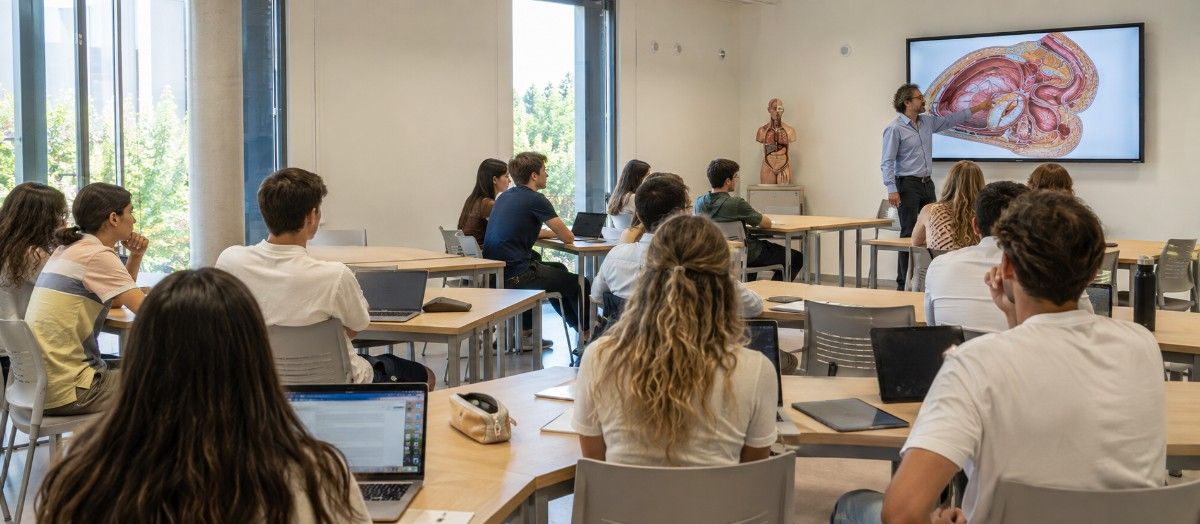
Furnished hostel rooms with Wi-Fi, laundry, 24/7 security, and Indian mess on or near campus.
Indian restaurants and mess facilities serving vegetarian and non-vegetarian home-style food daily.
Strong Indian community with cultural events, festival celebrations, and peer support groups.
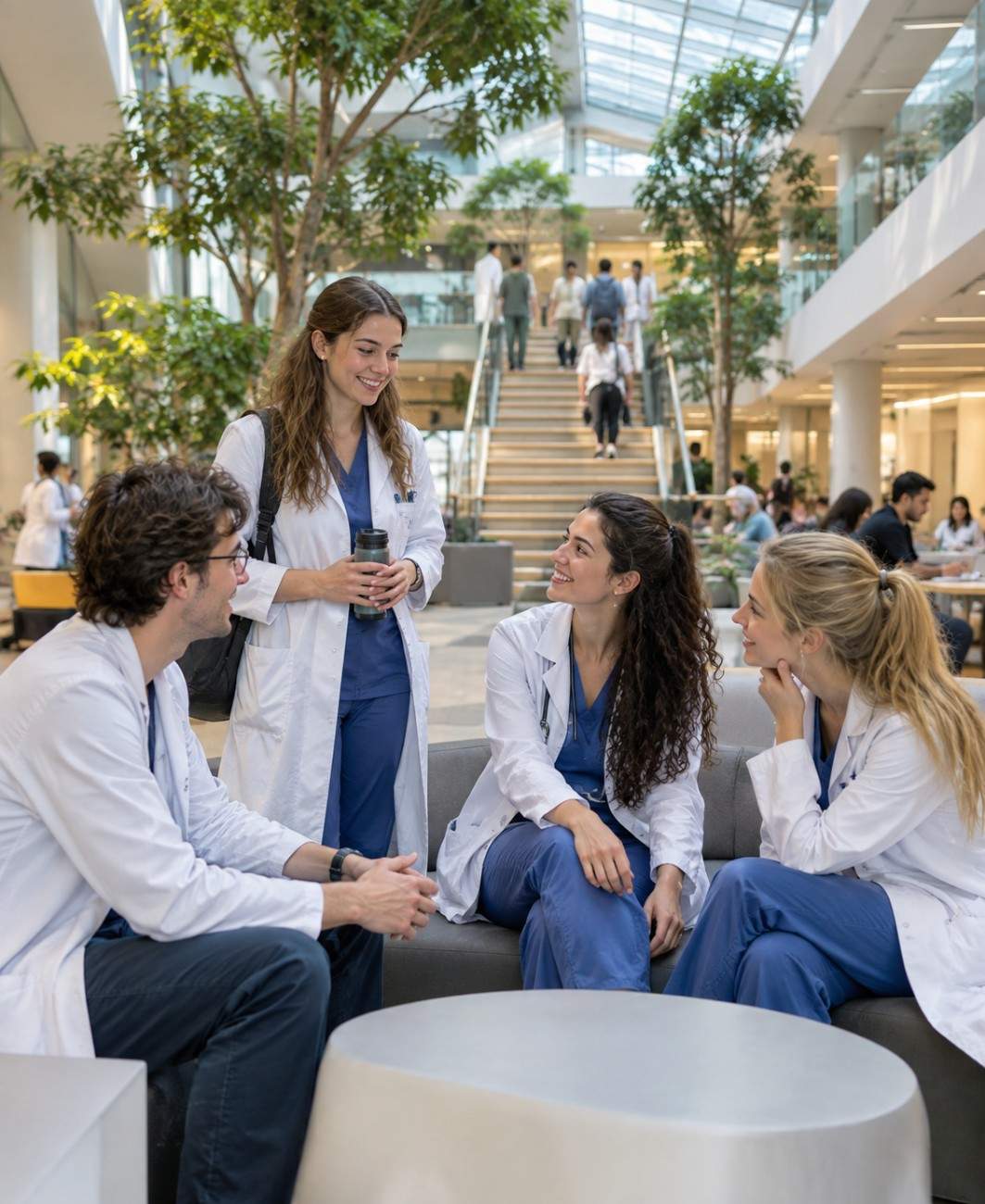
Students get hands-on clinical training in government and private hospitals affiliated with the university.
Practical information for students planning to study at MBBS in University of Vic Central University of Catalonia Faculty of Medicine.
Prepare for all seasons. Thermal wear for winters, light clothing for summers. University provides heating in hostels.
Student visa processed with university invitation letter. Direct and connecting flights from major Indian cities.
Health insurance included in fees. Medical facility on campus plus city hospitals easily accessible.
Local SIM cards available. WhatsApp and video calls keep you connected with family back home.
Average monthly expenses of $150–$250 covering food, transport, and personal needs.
University library, online databases, and study groups. Seniors mentor juniors through academic challenges.
Our team guides you through every step — from application to arriving on campus.
Shortlist based on public vs private, the MBBS fee in Spain you’re comfortable with, city, and whether a partial-English track matters to you.
Begin DELE/SIELE B2 preparation well ahead of application deadlines.
Submit application; sit BMAT or a university-specific test where required.
Academic transcripts, NEET scorecard, language certificates, passport, and supporting documents.
Formal offer issued upon successful evaluation.
Initial steps toward having your Indian academic credentials recognised in the Spanish system.
Apply at the Spanish consulate with your offer letter, financial proof, and insurance documentation.
After arrival, register at your local town hall (ayuntamiento), a mandatory municipal registration step that most competitor guides skip entirely, but one you’ll need for everything from opening a bank account to enrolling in local healthcare.
Admission Helpline — Contact our counsellors for step-by-step assistance.
“The faculty here is incredibly supportive. The clinical training during hospital rotations has given me real confidence in patient care.”
“Affordable fees without compromising on quality. The campus facilities and hostel life made my transition abroad very smooth.”
“English medium instruction and WHO-recognized curriculum were the deciding factors for me. No regrets so far — excellent experience overall.”
“The university helped with everything from visa to accommodation. Hospital exposure from year three has been invaluable for my FMGE prep.”
“Just cleared my licensing exam on the first attempt. The structured coaching and mock exams during final year were a game-changer.”
“Safe campus, good food options, and a strong Indian student community. The teaching methodology is very practical and hands-on.”
No. Teaching runs in Catalan and Spanish, consistent with most Catalan universities. Strong proficiency in both languages is genuinely necessary before applying.
Yes, in principle, following Spain's standard direct-entry structure, though strong language proficiency and meeting the national access requirements (PAU/EvAU or equivalent) are essential prerequisites.
A mandatory, national, highly competitive exam every Spanish medical graduate must sit after finishing their six-year degree, determining their residency specialisation and hospital placement. It applies equally regardless of which Spanish medical school a student attended.
Yes, mandatory, consistent with National Medical Commission rules for studying medicine abroad.
Yes. As a Spanish Grado en Medicina, it carries automatic mutual recognition across the EU and EEA, subject to each destination country's own additional language and administrative requirements.
Private. This generally means a more accessible admissions pathway for international students than Spain's public medical faculties, balanced against meaningfully higher tuition.
Through hospital partnerships across the wider Catalonia region, giving students direct exposure to Spain's public healthcare system.
A smaller, historic Catalan town with a well-preserved medieval quarter, offering a quieter and more affordable alternative to Barcelona, while still remaining close enough for regular visits.
Not automatically. Since the degree is not taught in English, Indian applicants should independently confirm current NMC recognition status for this specific university before enrolling.
Standard pathways include pursuing the MIR residency system within Spain, seeking further training or practice elsewhere in the EU, or returning to India to sit the FMGE/NExT exam, subject to current NMC rules.
Our expert counsellors will guide you through the complete admission process — from documents to airport pickup.