Description
Negros Island had no medical school of its own until 2002. USLS filled that gap, and today it trains doctors in a city that most Indian applicants have never heard of but that locals will tell you is the cultural heart of the Visayas.
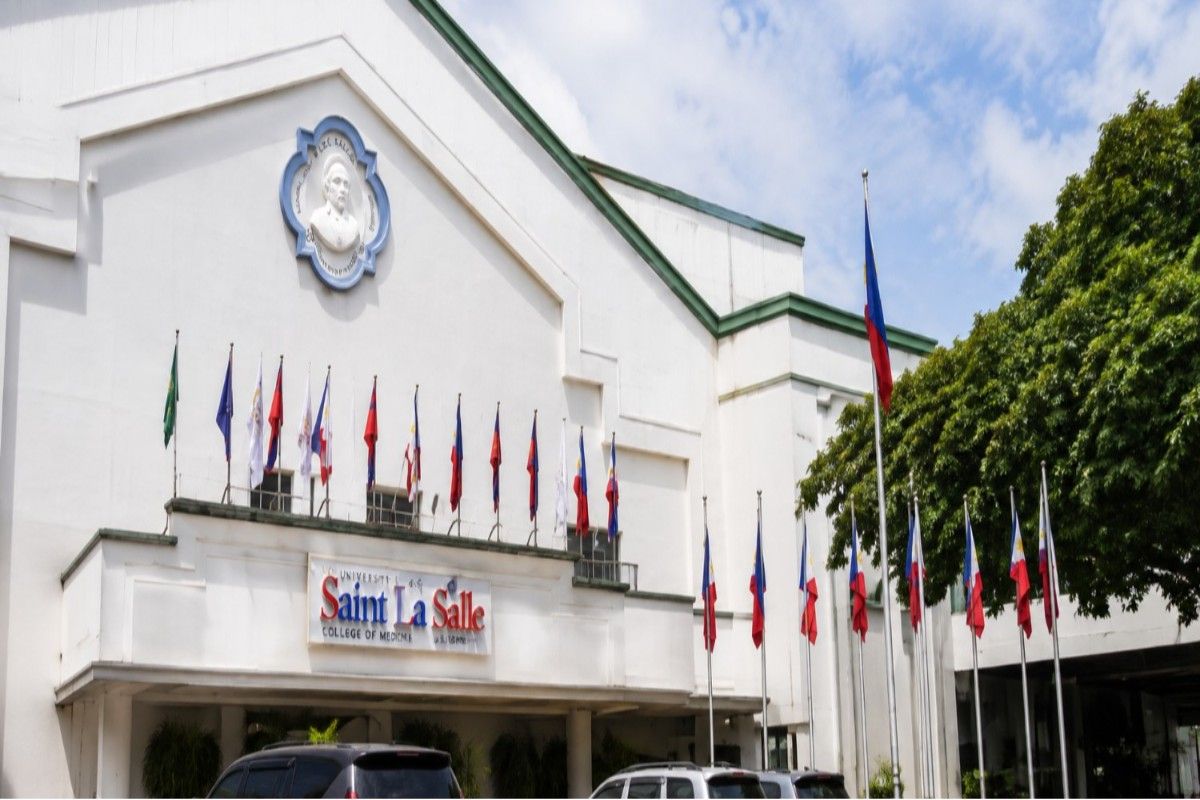
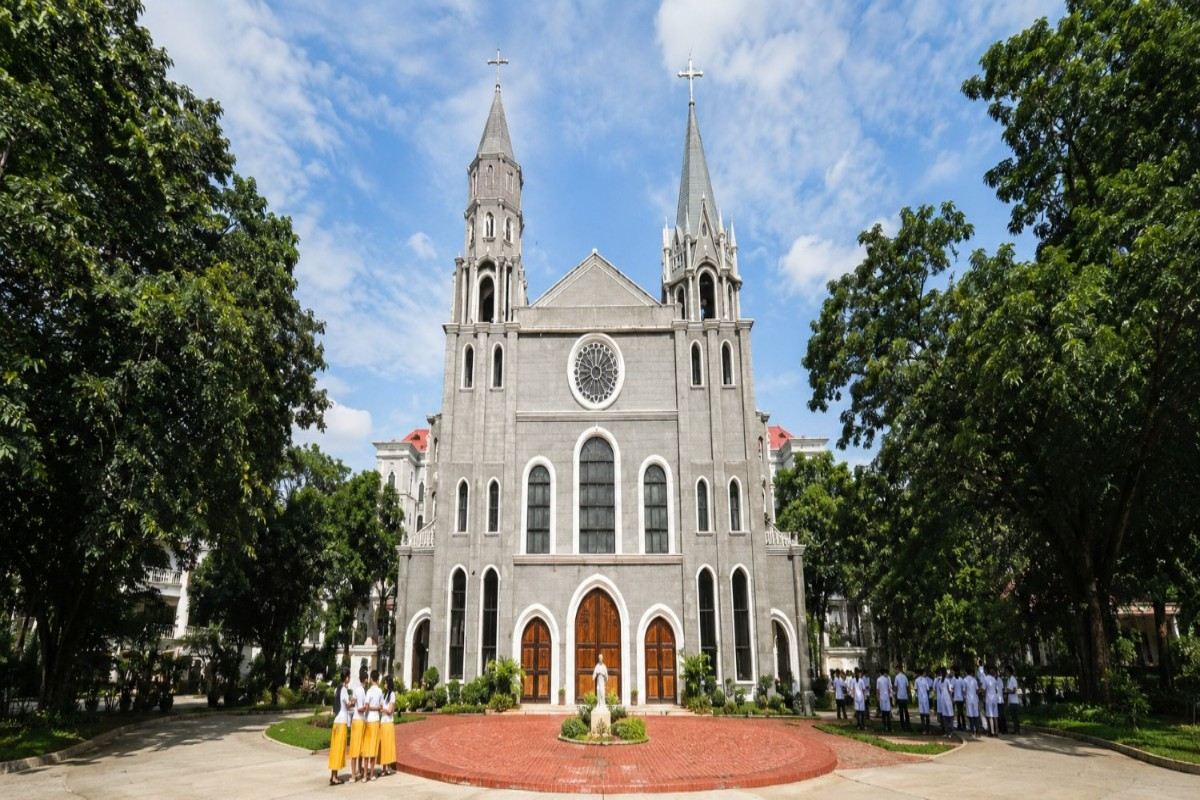
The University of St. La Salle traces back to 1952, founded by the De La Salle Brothers as the congregation's first campus outside Manila. Its College of Medicine came five decades later, launched as a joint undertaking with the Provincial Government of Negros Occidental under the leadership of Bro. Gus Boquer FSC, with Dr. Greg Anthony Medalla serving as founding dean.
The college grants the Doctor of Medicine degree, the Philippine equivalent of MBBS, under the regulatory authority of the Commission on Higher Education. As a CHED-recognized MD program housed inside a PAASCU-accredited university, it sits within the same governance framework that every legitimate Philippine medical school must answer to before its graduates can sit licensure exams or pursue practice abroad.
Three hospitals carry the clinical workload here: the Corazon L. Montelibano Memorial Regional Hospital, a large government facility with roughly 1,500 beds, alongside the private Dr. Pablo O. Torre Memorial Hospital and Doctor's Hospital, Inc. That mix of public volume and private specialty care gives students exposure to both a packed regional referral hospital and smaller, better-resourced wards.
Bacolod City connects to Manila by frequent short domestic flights, and Manila itself is a direct haul from Delhi, Mumbai, and several other Indian metros. It's not a one-hop journey the way some Manila-based schools are, but the routing is well-worn and budget carriers cover most of it.
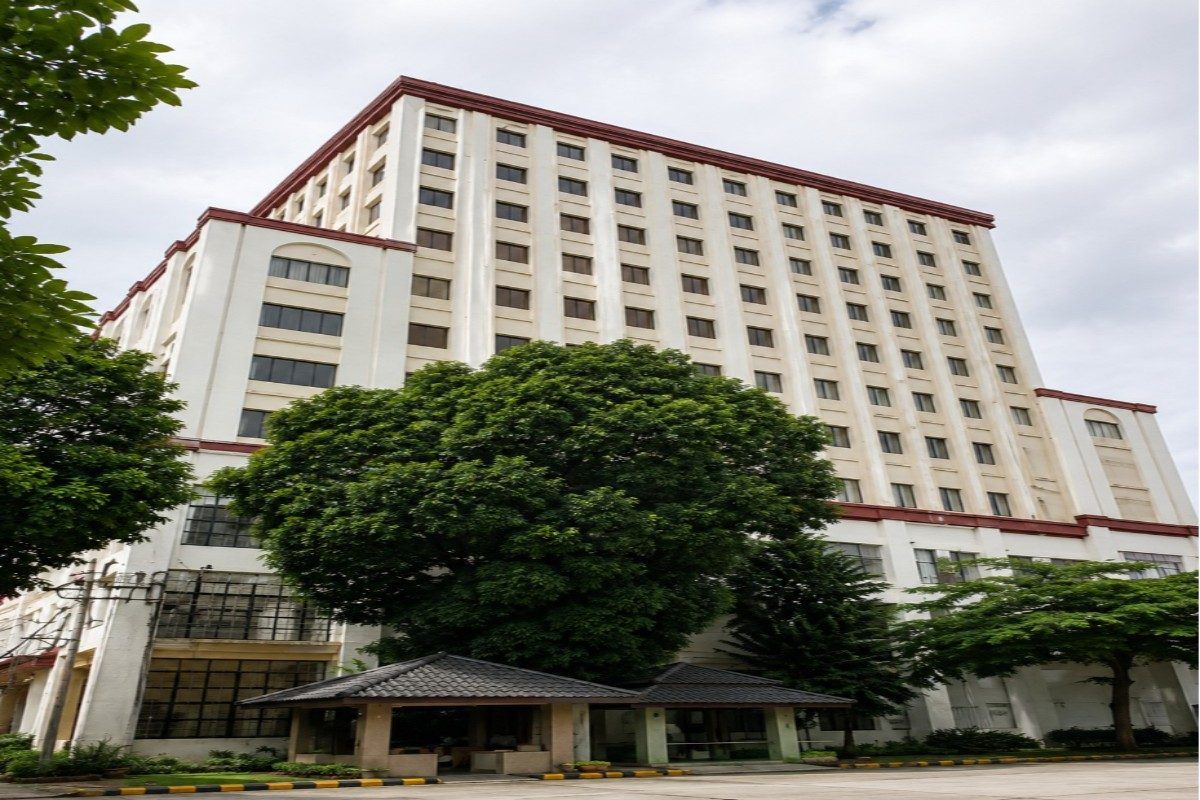
One detail that sets USLS apart from many of its peers: its medical students belong to the same Lasallian university system that runs law, engineering, and business colleges on the same grounds, so the campus doesn't feel like a standalone med-school compound bolted onto a city. It's an actual university, medicine included.
Official, itemized fee schedules for foreign students are not published in detail on the university's own site, so the figures below are compiled from Philippine-MBBS consultancy sources and should be treated as estimates pending direct confirmation from the college's admissions office.
Cost Item | Per Year (USD / local currency) | Total Programme Cost (approx.) |
Tuition (MD program) | Approx. ₹1.5 lakh (consultancy estimate) | Approx. ₹6 lakh over 4 years |
Admission/Booking Fee | Not independently confirmed | Not independently confirmed |
Hostel/Accommodation | Moderate; on-campus or nearby options cited, exact figure unconfirmed | Unconfirmed |
Food & Living Expenses | Approx. ₹1.8-2.4 lakh (₹15,000-20,000/month per consultancy estimates) | Approx. ₹7.2-9.6 lakh over 4 years |
Application Fee | Not independently confirmed | Not independently confirmed |
Donation/Capitation Fee | None reported | None reported |
Total Estimated (Tuition + Living) | Approx. ₹3.3-3.9 lakh | Approx. ₹13-16 lakh over 4 years |
Treat every rupee figure here as a planning estimate rather than a quote; consultancy numbers on this school vary more than usual, so get a written fee schedule from USLS admissions before committing money.
Why USLS College of Medicine Deserves a Harder Look Than You've Given It
Being the first and, four years, the only medical school on Negros Island counts for something. USLS didn't have to compete for clinical placements or hospital access the way a tenth medical school in Metro Manila might, and its 1,500-bed government hospital affiliation means students aren't fighting each other for patient contact hours.
The fee picture is genuinely murkier here than at bigger-name Philippine schools. Multiple consultancy sites quote different numbers, several admit they don't have hostel or application-fee figures, and the university's own site doesn't publish a foreign-student fee matrix. That's not necessarily a red flag, plenty of smaller colleges just don't market themselves the way DLSU or UV Gullas do, but it does mean an applicant has real homework to do before wiring any money.
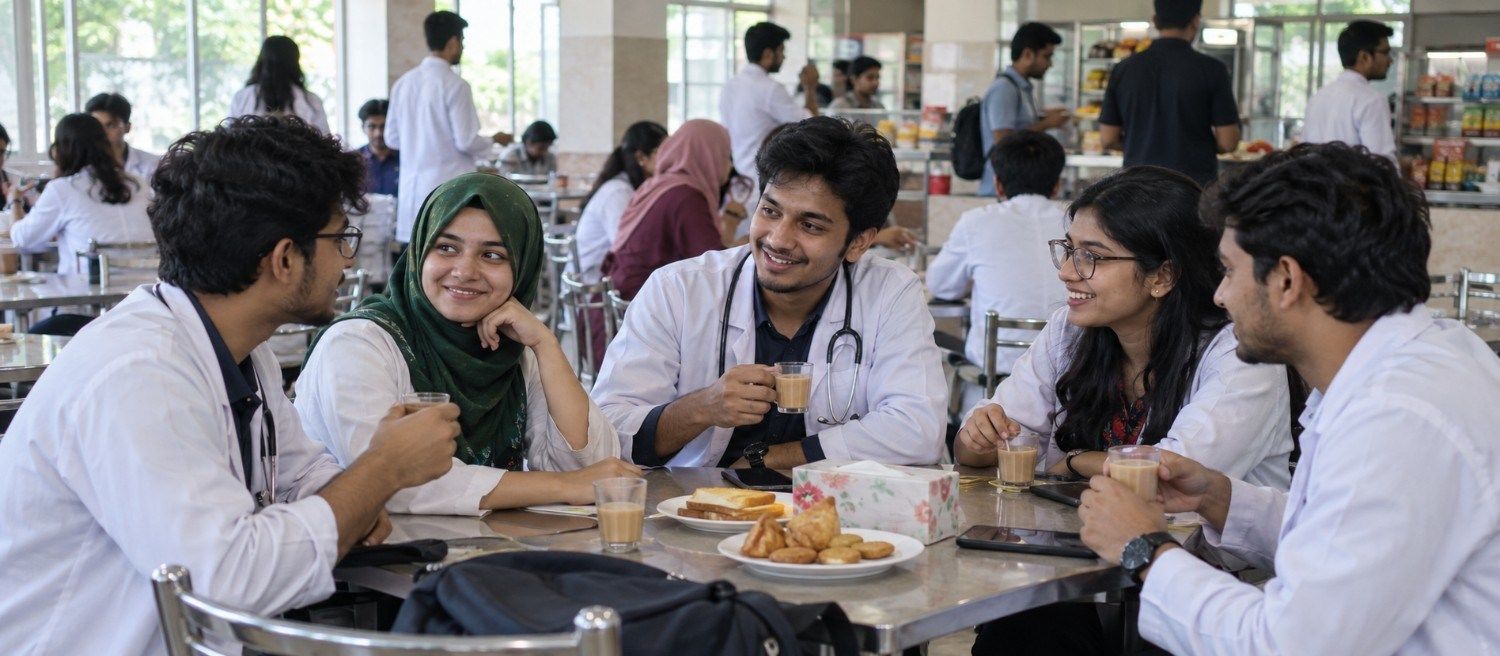
USLS being embedded in a full university, rather than existing as a standalone medical institute, changes the texture of student life. You share a campus with law and business students, there's an established student government and church-affiliated community life going back to 1952, and the Lasallian identity runs through everything from mission statements to how classes talk about ethics alongside anatomy.
Indian applicants should also budget for the reality that any Philippine MD, USLS included, requires clearing NEET and then the FMGE or NExT screening test back home before licensure. None of that is unique to this college, but it's worth saying plainly since some marketing material glosses over it.
On balance, this is a legitimate, CHED-regulated medical college with a real teaching hospital and a five-decade parent institution behind it, not a diploma mill trading on a famous city. The honest caveat is that it's a quieter, less internationally marketed choice than some competitors, so due diligence on fees and hostel logistics matters more here than it would at a school with a slicker international-admissions operation.