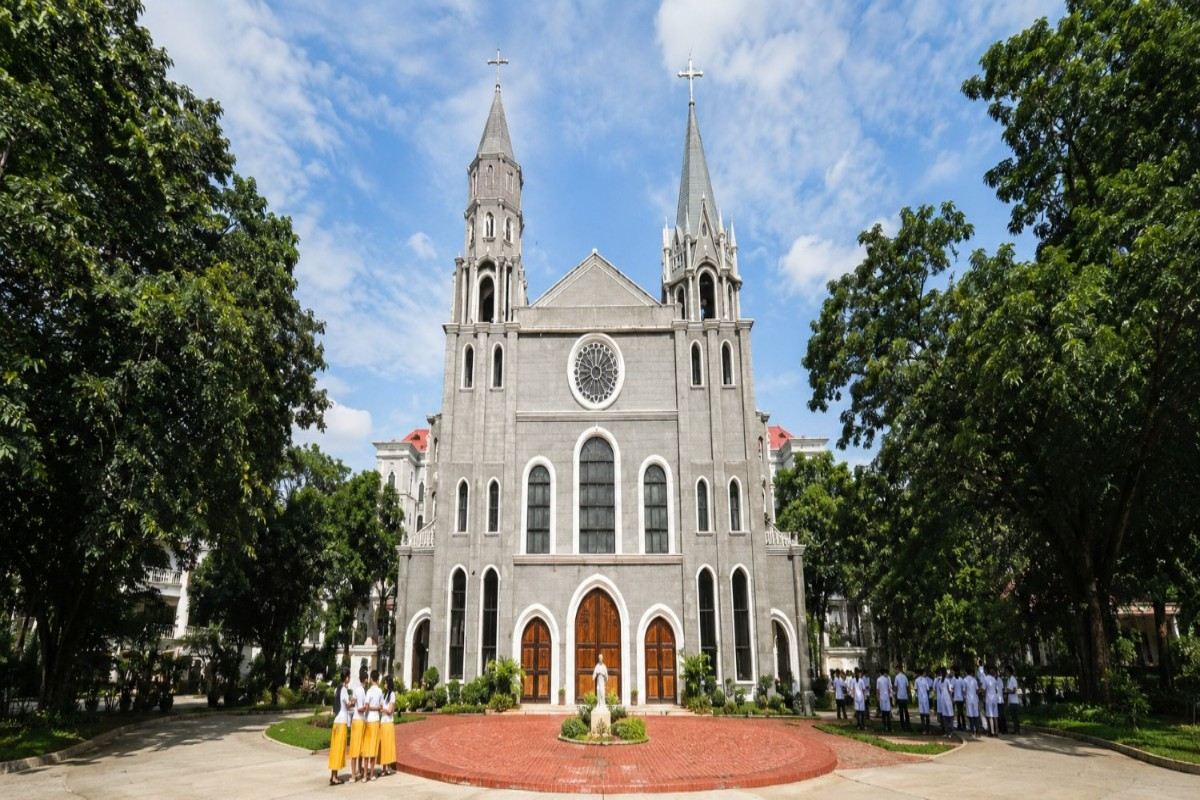
Walk through the arch at UST's Sampaloc campus and you're standing on ground that has trained doctors since before germ theory was settled science. The Faculty of Medicine and Surgery here is the oldest medical school in the Philippines. For Indian families weighing where to send a child for MBBS-equivalent study abroad, that kind of institutional depth is genuinely rare on the shortlist.
The founding year for the university is 1611. The Dominican friar Miguel de Benavides established it, and that makes it Asia's oldest existing university, holding the oldest extant university charter on the continent. Medicine came much later. The Facultad de Medicina y Farmacia opened its doors on May 28, 1871, by government decree, at a time when the Philippines had barely a dozen practicing physicians. José Rizal, the country's national hero, studied medicine here from 1878 to 1882 before switching paths entirely, a detail every UST medical student learns early on.
Today the faculty operates as a degree-granting body under the Commission on Higher Education, offering the Doctor of Medicine (MD) program, the Philippine equivalent to MBBS. It carries Level III accreditation from PAASCU, the Philippine Accrediting Association of Schools, Colleges and Universities, first granted in May 2009. That's the top tier for basic medical education. CHED has separately named it a Center of Excellence.
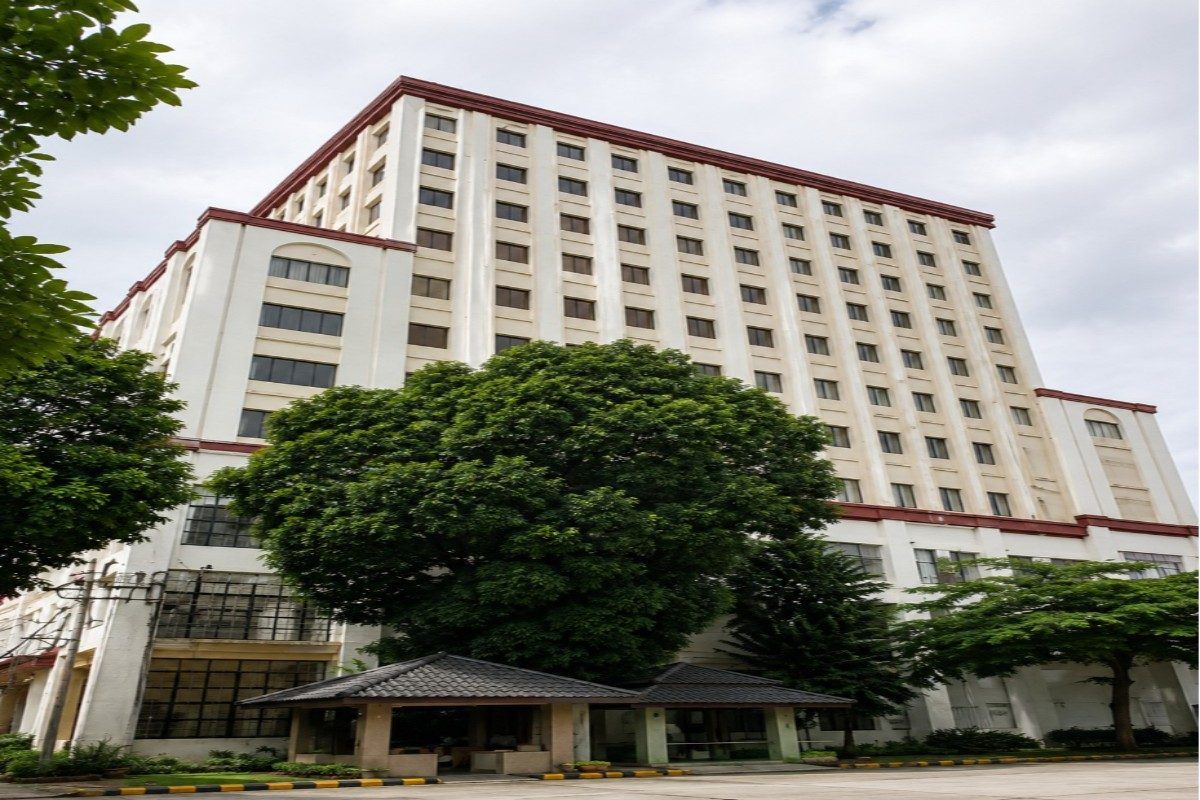
Clinical training happens at the University of Santo Tomas Hospital, which runs in two linked divisions: a charity/clinical service handling high patient volumes, and a private division that helps fund it. Bed-count figures vary between sources, from around 460 up to a combined figure closer to 800, so any single number quoted should be treated as approximate rather than exact.
Manila sits within direct flight range of most major Indian cities, which helps. The compact Sampaloc campus keeps lecture halls, labs, dormitories, and the hospital a short walk apart, genuinely useful once clinical rotations begin and the schedule gets less forgiving. Indian students form a visible minority on campus, and some nearby accommodation caters specifically to South Asian dietary needs.
UST is a Catholic, Dominican-run institution. Its Pontifical University status, granted by Pope Leo XIII in 1902, isn't just ceremonial. Religious studies and community service thread through campus life even for science students, though the curriculum itself stays secular and is taught entirely in English.
The figures below come mainly from MBBS-abroad consultancy sources rather than a single official UST fee schedule, so treat them as a planning range and confirm exact numbers with the admissions office before committing.
Cost Item | Per Year (USD / local currency) | Total Programme Cost (approx.) |
Tuition (Year 1, MD) | Approx. $15,000 (~₹12.5 lakh) | Approx. $15,000 |
Tuition (Years 2-4, MD) | Approx. $3,000/year (~₹2.5 lakh) | Approx. $9,000 over 3 years |
Hostel/Accommodation | Approx. $200/month (~₹2.4 lakh/year) | Varies by duration of stay |
Food (Indian mess options available) | Approx. ₹1.26 lakh/year (~₹10,500/month) | Varies by duration of stay |
Application Fee | Not consistently published | Confirm with UST FMS admissions |
Donation/Capitation Fee | None reported | None reported |
Total Estimated (4-year MD) | — | Approx. $27,000 (~₹18-21 lakh), excluding living costs |
Consultancy websites quote somewhat different tuition figures for UST. One lists roughly ₱331,000 (about ₹5 lakh) per year; another breaks it down as a higher first-year charge followed by lower annual fees. Read the numbers above as an estimate range, not a locked-in schedule.
Why UST Faculty of Medicine and Surgery Deserves a Harder Look Than You've Given It
What's genuinely rare here is the combination. A 150-year-old medical faculty attached to a 415-year-old university, still functioning as a live, degree-granting institution rather than a museum piece. Most Philippine medical schools marketed to Indian students opened in the last few decades. UST's faculty predates the Philippine Republic itself, and its PAASCU Level III accreditation backs that history with active status, not just a founding date printed on a brochure.
Cost transparency is the real weak spot, honestly. Unlike newer Philippine medical colleges that publish one clean fee table for foreign applicants, UST's figures come filtered through consultancy sites that don't always agree with each other, and there's no authoritative schedule covering application or hostel costs. Get fee confirmation in writing from the FMS admissions office before wiring any money. That's sound advice anywhere, but especially true here.
Program length is a real tradeoff too. UST commonly runs a combined track of 5.5 to 6 years for students without a prior bachelor's degree, since the MD itself is technically a four-year post-baccalaureate program. Pre-medical work comes first for most Indian applicants, and that stretches total time abroad well beyond a straight 4-year MBBS. Not a flaw exactly, but it changes the budget and timeline math considerably.
Weigh all of that against the actual payoff. A WDOMS-listed degree, NMC recognition status that consultancies consistently cite, and a teaching hospital with genuine patient volume rather than a boutique setup. For a family that values pedigree, UST earns a serious look on those grounds alone.
It isn't the cheapest option in the Philippines. It isn't the newest or the most aggressively marketed either. What it offers instead is institutional weight, the kind that shows up decades later when a hospital or licensing board recognizes the name without a second glance.