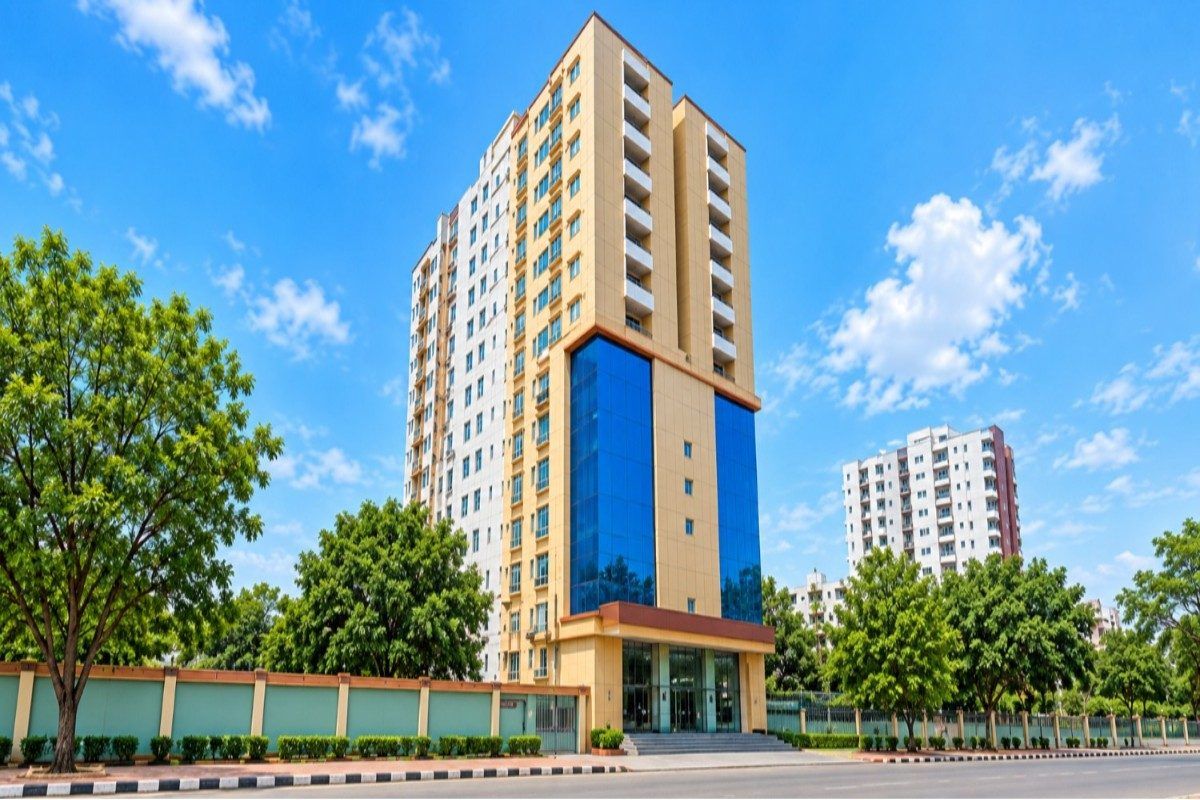
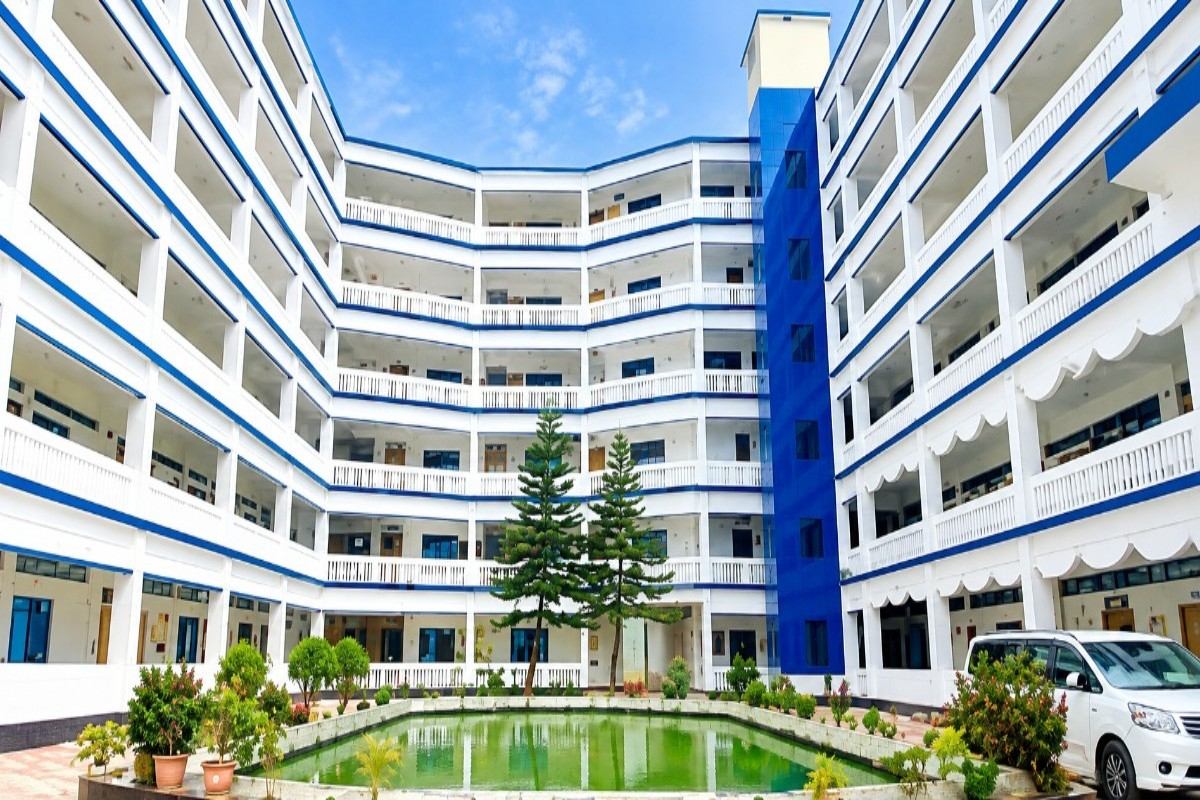
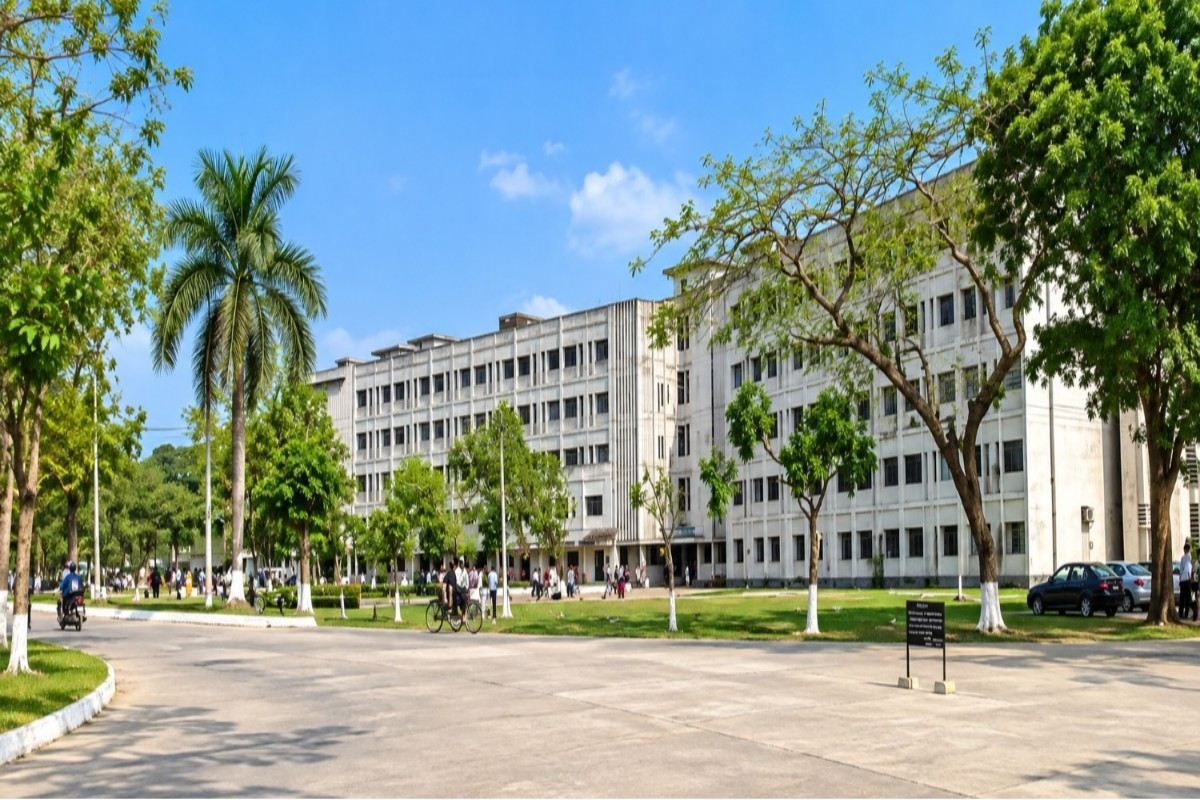
People mostly just call it ShSMC for short. Here is genuinely one of the most architecturally remarkable histories covered in guides like this one. The college's own original hospital building was established in 1963 as Ayub Central Hospital, in Sher-e-Bangla Nagar, then part of Dacca, East Pakistan, spanning 19 acres. The hospital building was specifically designed by Louis I. Kahn, one of the 20th century's own most celebrated architects, also renowned for designing Bangladesh's own National Parliament House, Jatiya Sangsad Bhaban, a genuinely remarkable architectural pedigree for a medical college's own founding facility.
On 5 September 2005, Bangladesh's own government decided to upgrade Shaheed Suhrawardy Hospital into a full medical college, with educational activities officially beginning on 6 May 2006, inaugurated by the then-Health Minister, Khandakar Mosharof Hossain. Here is a genuinely notable, specific detail worth knowing directly. The medical college was initially named Begum Khaleda Zia Medical College, honouring the then-serving Prime Minister of Bangladesh, with a genuinely small founding cohort of 100 students.
On 1 June 2009, the college was formally renamed to its current title, Shaheed Suhrawardy Medical College, honouring Huseyn Shaheed Suhrawardy instead, a genuinely significant historical figure who served as Prime Minister of Pakistan and, before that, as the last Prime Minister of undivided Bengal. This specific political renaming, from a serving Prime Minister's name to a historical, deceased statesman's name, genuinely mirrors a broader pattern of Bangladeshi institutional political renamings documented at several other colleges covered elsewhere in this whole series, reflecting real, considerable political change within the country over that period.
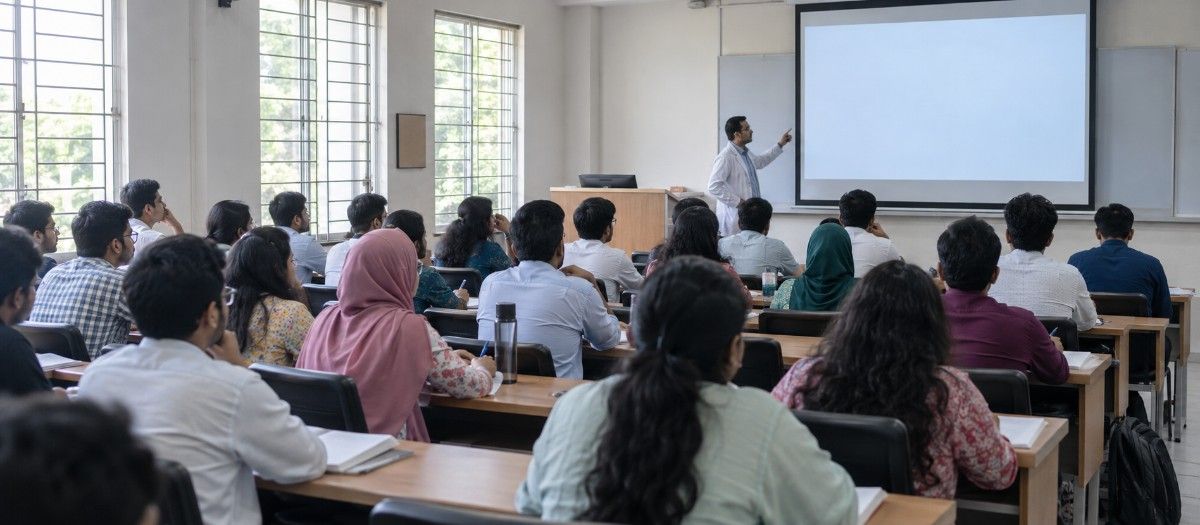
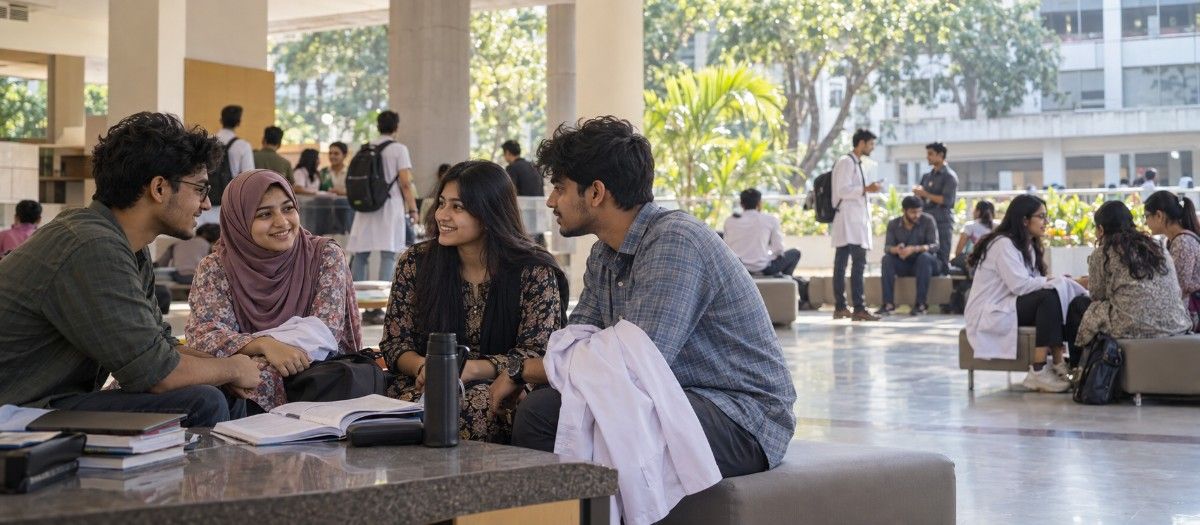
ShSMC is affiliated with the University of Dhaka, currently teaching 900 students across 6 batches. The college's own attached hospital handles approximately 970 outpatients daily, offering a genuinely comprehensive range of inter-departmental facilities, including Medicine, Ophthalmology, Surgery, ENT, Paediatrics, Dermatology, Gynaecology, Physiotherapy, and Dentistry.
The college offers a standard Bangladeshi MBBS structure, with admission for Bangladeshi students conducted centrally by the Directorate General of Health Services, DGHS, through a simultaneous, nationwide multiple-choice examination, a genuinely competitive process, with over 143,000 students applying for roughly 4,350 total public medical college seats nationally in 2022 alone.
ShSMC's own broader clinical facilities reflect its own origins as a considerable general hospital before its 2005 conversion into a medical college. The hospital's own inter-departmental structure specifically spans nine distinct clinical areas, giving students genuinely broad exposure across multiple specialities within a single, unified campus, rather than requiring rotations across several, more widely dispersed facilities.
NEET remains a genuine requirement for Indian applicants pursuing MBBS study at ShSMC, and Indian graduates would still need to clear the FMGE or NExT exam to practise medicine back in India after completing their degree. ShSMC's own degree is recognised by the Bangladesh Medical and Dental Council, BMDC.
Louis I. Kahn's own architectural legacy in Bangladesh extends well beyond this specific hospital building. His own work on the National Parliament House, completed after his death in 1974, is widely regarded as one of the greatest works of modern architecture anywhere in South Asia, drawing architecture students and scholars from around the world to study its own considerable design. This means ShSMC's own students train within a building genuinely connected to this same, celebrated architectural tradition, a distinctive backdrop rarely found at comparable medical colleges.
Sher-e-Bangla Nagar itself, where ShSMC is located, is genuinely one of Dhaka's own most significant administrative and civic districts, home to the National Parliament House itself alongside various government ministries and institutions. This gives ShSMC's own students a genuinely central, well-connected location within the capital, quite different from studying at a medical college in one of Dhaka's more purely residential or commercial neighbourhoods.
Given how genuinely remarkable ShSMC's own architectural and political-naming history actually is, tracing through a Louis I. Kahn-designed hospital building, an initial naming after a serving Prime Minister, and a subsequent renaming honouring a historical statesman, applicants get a considerably more concrete, historically grounded picture here than the generic "established in [year]" framing many comparable Bangladeshi government medical colleges rely on.
Fee figures here are based on the confirmed pattern reported at comparable Bangladeshi government medical colleges, since a specific ShSMC-only itemised fee schedule was not separately published; the concrete estimates below give applicants real, usable numbers to plan around.
Cost Item | Amount | Notes |
Tuition Fee | Approx. USD 4,000-5,000/year | Based on typical fees at comparable Bangladeshi government medical colleges |
Hostel Fee | Approx. USD 500-1,000/year | Based on typical rates at comparable Bangladeshi government medical colleges |
Health Insurance | Approx. USD 100-200/year | Standard estimate for international student health coverage in Bangladesh |
Food/Meal Expenses | Approx. USD 150-250/month | Based on typical Dhaka living costs, a considerably larger, more expensive city than Bangladesh's smaller provincial towns |
Examination and Miscellaneous Fees | Nominal charges per semester | Standard, itemised cost confirmed across comparable Bangladeshi government medical colleges |
Total 6-Year Estimate (tuition + hostel + insurance) | Approx. USD 30,600-42,000 | Combined estimate across the full 6-year programme, based on the ranges above held stable year to year |
Note: as a government medical college, ShSMC's own fees are typically considerably lower than at Bangladesh's private colleges. Request the college's own current, official, itemised fee schedule directly for the exact current-year rate.
Why ShSMC Deserves a Harder Look Than You've Given It
Most lists mention Shaheed Suhrawardy Medical College only briefly among Bangladesh's government medical colleges. However, they do not explain its own genuinely remarkable architectural pedigree, or the specific, dated political renaming that shaped its own current identity. The reason is simple. It is about a real, specifically documented institutional history most guides skip entirely.
ShSMC is not like most other Bangladeshi government medical colleges when it comes to the architectural significance of its own founding building. In fact, the original 1963 hospital structure was specifically designed by Louis I. Kahn, the same architect responsible for Bangladesh's own National Parliament House, one of the country's most recognisable modern buildings. Furthermore, this genuine architectural connection is a real, verifiable, and genuinely distinctive detail rarely found at comparable Bangladeshi medical colleges covered in this whole series.
The college's own specific political renaming history also matters more than most guides let on. For example, most guides describing a Bangladeshi medical college's own naming present only its current title. ShSMC was specifically named Begum Khaleda Zia Medical College at its own 2006 founding, honouring the then-serving Prime Minister, before being renamed to its current title in 2009, honouring Huseyn Shaheed Suhrawardy instead. Moreover, this genuine, dated political renaming reflects a real, documented pattern of institutional identity change tied directly to Bangladesh's own shifting political landscape, similar to renamings found at several other colleges covered elsewhere in this whole series.
One thing most other blogs miss is just how competitive Bangladesh's own centralised medical college admission process genuinely is. In addition to standard due diligence, more than 143,000 students specifically applied for roughly 4,350 total public medical college seats nationally in 2022 alone. Since this is a real, specific, quantified competitiveness figure rather than a vague claim of "selective admission," applicants get a genuinely more concrete sense of just how demanding Bangladesh's own government medical college admissions landscape actually is.