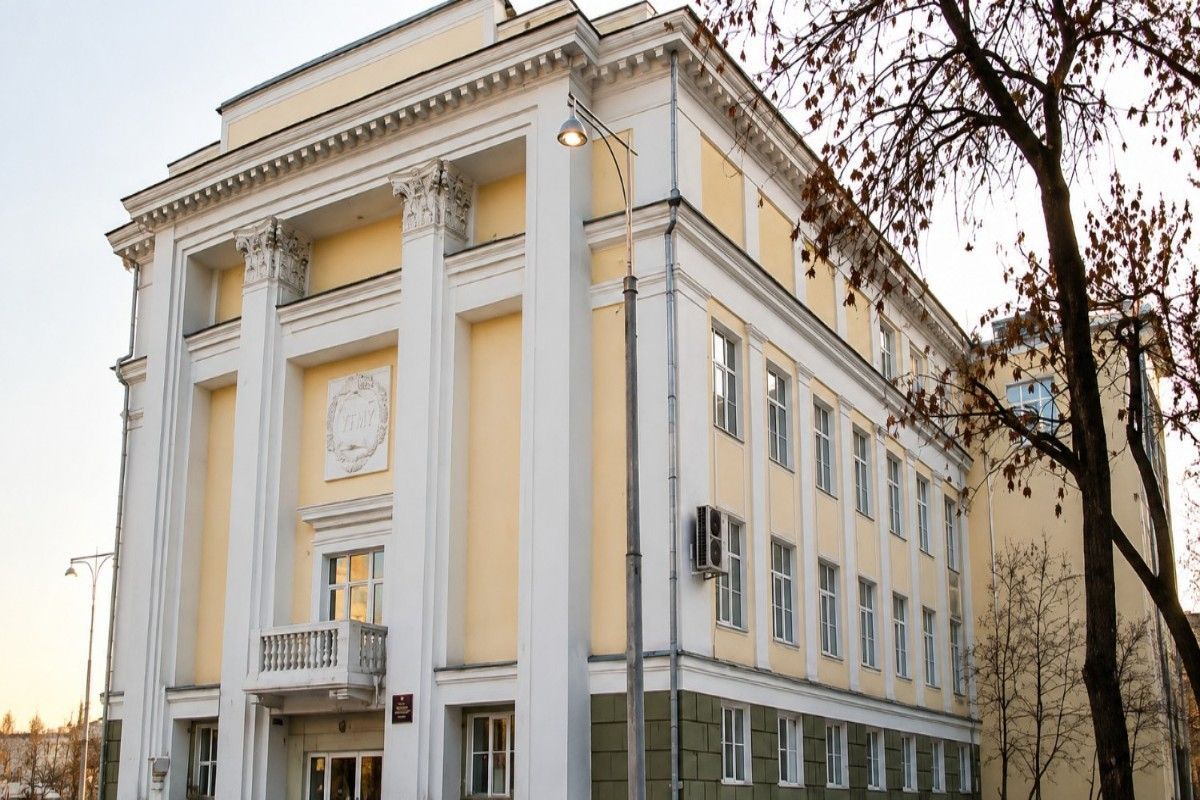
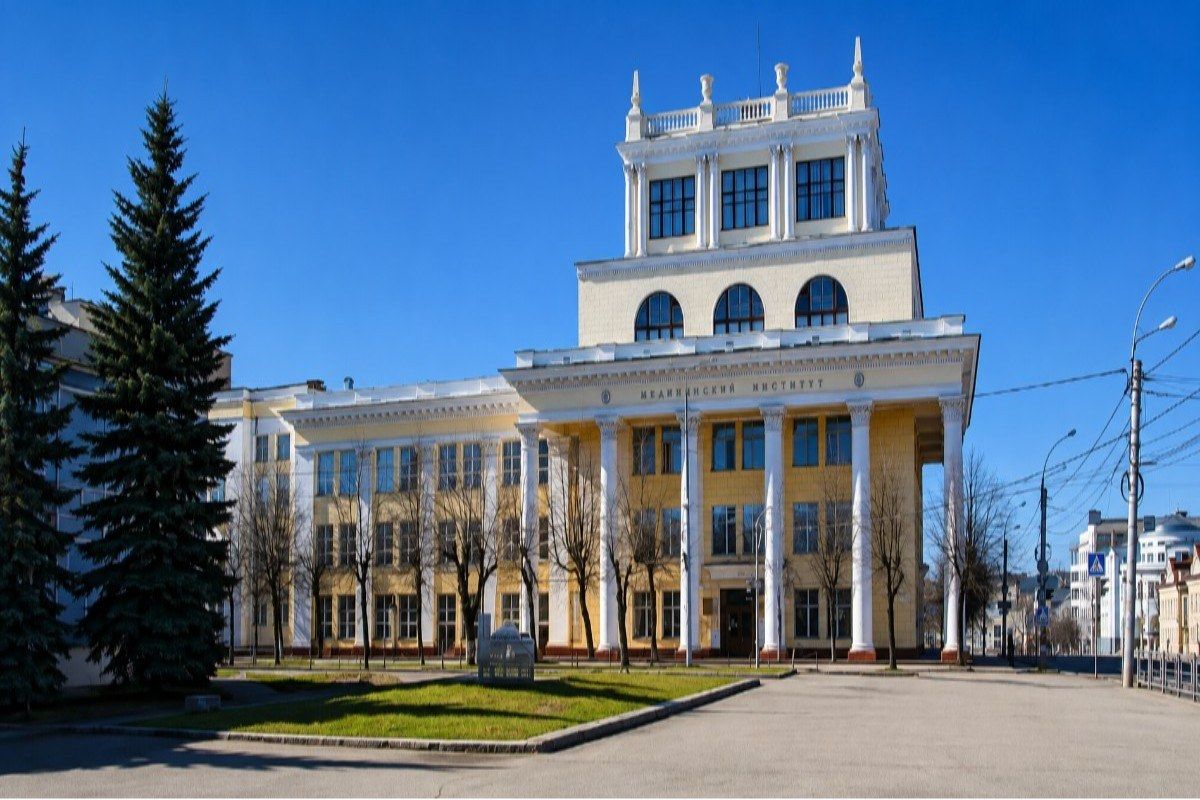
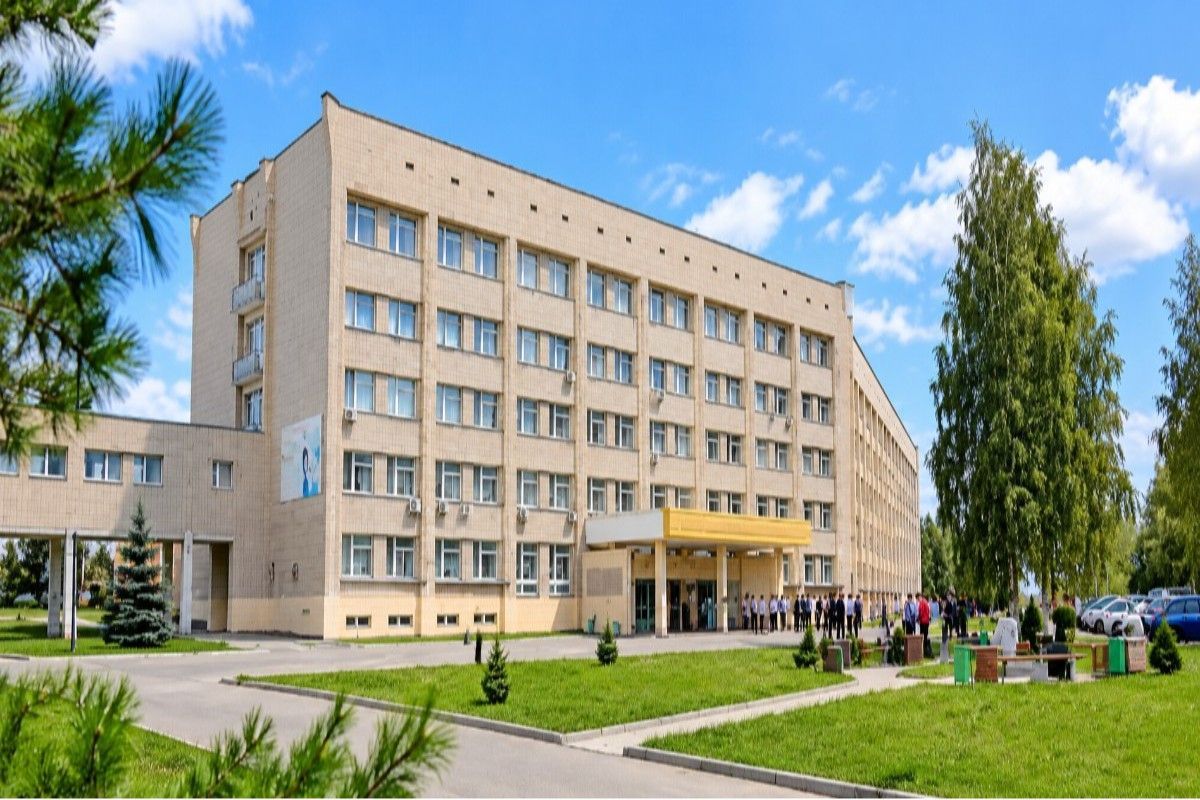
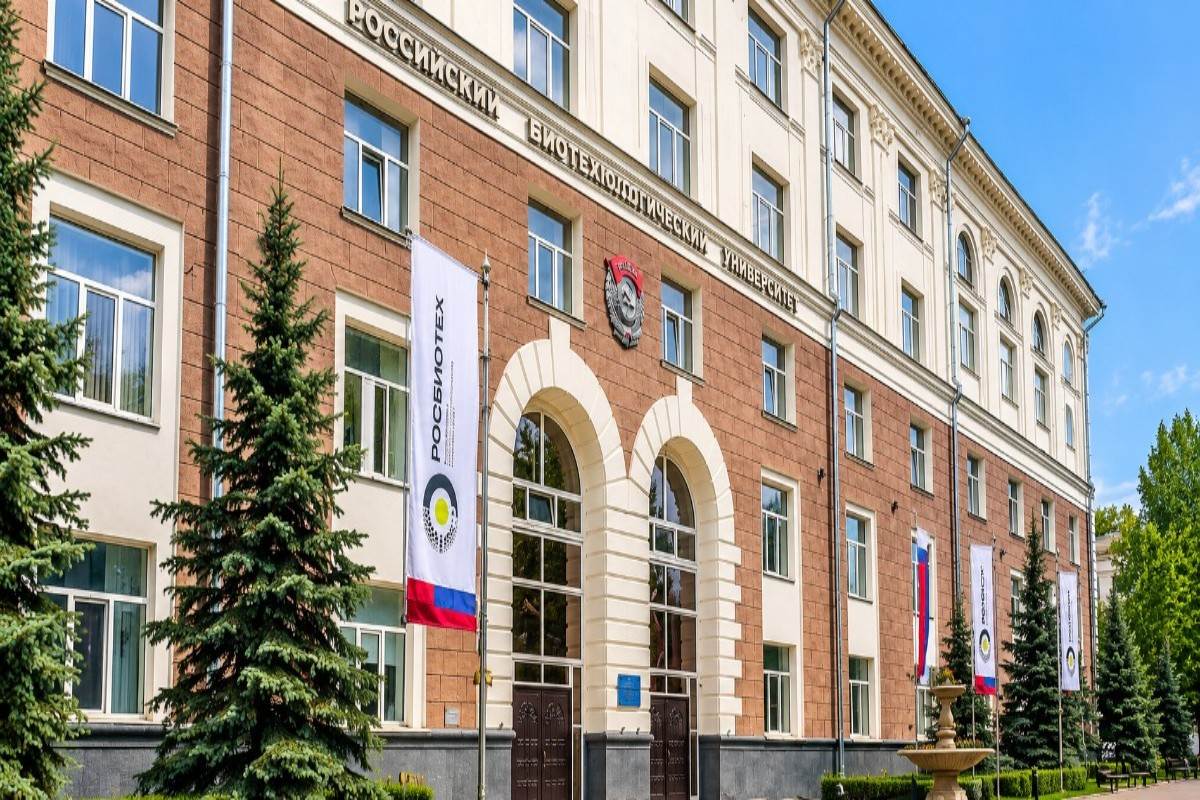
People mostly just call it USMU for short. Its own founding story is genuinely dramatic, tracing directly to the Second World War, worth understanding in full rather than reduced to a single date. Chelyabinsk State Medical Institute, this university's original name, was established by Order No. 403 of the USSR People's Commissariat of Health, dated 28 June 1944, and it was built on the foundation of the Kiev Medical Institute, which had been evacuated to Chelyabinsk during the war, with the assistance of Professor B.N. Uskov, sent specifically from Moscow to help establish it. So, this university's origins trace directly to the wartime relocation of an entirely different, established institution, not a from-scratch founding in peacetime.
Here is a fact most guides skip entirely. When the Kiev Medical Institute was eventually transferred back to Kiev after the war, 147 of its teachers and staff chose to remain in Chelyabinsk instead, including seven doctors of sciences, thirty-one candidates of sciences, and ten postgraduate students, forming the genuine founding academic core of what became today's USMU. Professor Alexander Nikolayevich Fedorovsky was appointed the institute's first director, serving in that role until 1950. So, this university's founding faculty is a real, specifically documented group of scholars who made a deliberate choice to stay and build something new in Chelyabinsk, rather than an anonymous founding cohort.
Whatever its exact founding year, the institution took its current name, South Ural State Medical University, in 2013, having earlier been renamed Chelyabinsk State Medical Academy in 1995. So, this institution has carried three distinct names across its history: Chelyabinsk State Medical Institute, then Academy, then finally USMU.
Today, USMU is the sole medical university anywhere in Chelyabinsk Oblast, a genuinely specific, verifiable regional distinction rather than a general claim of importance. Reported student numbers vary somewhat across sources, with the university employing more than 600 professors and teaching a student body exceeding 4,000, including a genuinely significant international component. USMU maintains research strengths spanning oncology, cardiology, neurology, and infectious diseases, and holds research and academic partnerships with institutions across Russia and internationally. Some sources describe the university as having trained tens of thousands of doctors across its history, and as maintaining affiliations with dozens of hospitals and clinics across the region, though the more specific, modest figures reported elsewhere, closer to 600 professors and 4,000 students, appear more structurally credible than these considerably larger, rounder claims.
Chelyabinsk is a major city in Russia's Ural region, with a population in the range of one to five million people, served by Chelyabinsk International Airport, which offers direct flights to Moscow, with onward connections available to Delhi and Mumbai, giving international students genuinely workable travel options during vacation periods.
Clinical training runs through an extensive network of affiliated hospitals and medical centres across Chelyabinsk, with clinical exposure reported to begin genuinely early in the curriculum, under the guidance of experienced doctors and professors. Chelyabinsk experiences a genuinely continental climate, with cold winters where temperatures can drop to around minus 10 to minus 25 degrees Celsius alongside regular snowfall, and considerably milder, more comfortable summers running from about 20 to 30 degrees Celsius.
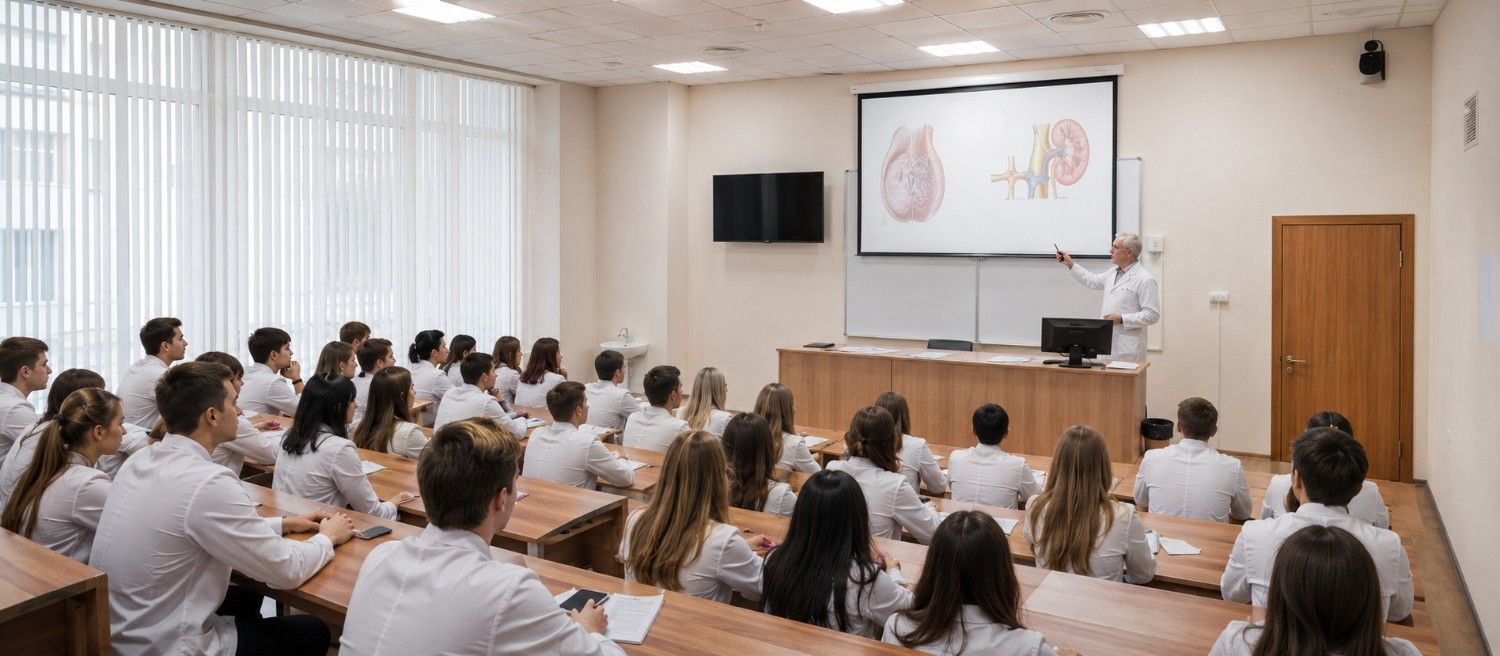
USMU's Doctor of Medicine programme runs six years, including a compulsory one-year clinical internship, taught entirely in English, with clinical exposure reported to begin genuinely early in the curriculum. The university maintains modern laboratories, simulation centres, and digital classrooms alongside its clinical hospital network, and students train under the guidance of experienced doctors and professors throughout their hospital-based rotations.
NEET remains a genuine requirement for Indian applicants here, exactly as it does for MBBS study in most other countries, and Indian graduates would still need to clear the FMGE or NExT exam to practise medicine back in India.
The city's own transformation from a wartime industrial hub into a modern regional centre offers students a genuinely interesting backdrop for their studies, since Chelyabinsk's own history is closely tied to the same wartime industrial relocation that brought the Kiev Medical Institute here in the first place. Chelyabinsk today combines this genuine industrial heritage with a growing modern service economy, giving students a real mix of Soviet-era architecture and newer developments across the city. Numbeo's own crime safety index places Chelyabinsk at roughly 61 out of 100, indicating that normal, sensible precautions are generally sufficient for international students living and studying here.
Cost Breakdown
Fee figures here are reported with reasonable specificity, alongside a broader bundled estimate that likely covers more than tuition alone.
Cost Item | Amount | Notes |
Tuition Fee (General Medicine, official rate reported) | RUB 300,000/year (approx. USD 3,400-3,500) | Reported with genuine consistency across the large majority of independent sources |
Total Tuition (6 years, based on above rate) | Approx. USD 20,400-21,000 | Estimate based on the reported annual rate held stable across the programme |
Total Programme Cost (bundled estimate, one source) | INR 20-30 lakh (approx. USD 24,000-36,000) | Reported to include the full six-year programme, likely covering tuition, hostel, and additional costs together |
First-Year Additional Costs | Approx. USD 2,000 | Reported specifically for medical insurance, visa extension, and related first-year formalities |
Scholarships | Available, based on academic performance | Confirm current eligibility and amounts directly with the university |
Total 6-Year Estimate | — | Approx. USD 24,000-36,000, bundled tuition, hostel, and additional costs, per one detailed estimate |
Note: no capitation fee is confirmed at any stage. Confirm the current, exact figures directly with the university before finalising a budget.
Why USMU Deserves a Harder Look Than You've Given It
Most lists mention USMU as just another Russian medical university. However, they do not explain how genuinely consistent its own fee figure is, or its specific regional role. The reason is simple. It is about a rare, reliable cost figure, and a real, documented regional monopoly.
USMU is not like most other Russian medical universities when it comes to fee reporting. In fact, its own RUB 300,000 annual rate appears with genuinely strong consistency across nearly every independent source reviewed. Furthermore, applicants get a rare, genuinely reliable single figure here, rather than needing to reconcile wildly different reported numbers. As a result, budgeting for USMU is genuinely more predictable than at some comparable Russian universities.
USMU's regional standing also matters more than most guides let on. For example, most guides describe a Russian medical university's regional standing in vague terms. USMU holds a genuinely specific, verifiable distinction, it is the only medical university anywhere in Chelyabinsk Oblast. Moreover, this represents a real, documented regional monopoly on medical training, not a general claim of local importance.
One thing most other blogs miss is just how specific and dramatic this university's own wartime founding story genuinely is. In addition to its consistent fee reporting, USMU's own first director, Professor Alexander Nikolayevich Fedorovsky, is specifically documented, along with the exact years of his tenure, 1944 to 1950. Since this university's earliest leadership is genuinely traceable, applicants get a real, specific founding story here, not an anonymous institutional origin.