TPI was established in 1937 in Uzbekistan. Originally focused only on pharmacy, the institute eventually expanded its scope. Its Faculty of General Medicine is now a key program for international students, mostly from India, who pursue careers in healthcare. Located in downtown Tashkent, the campus blends traditional, rigorous academic styles with a highly modern medical curriculum.
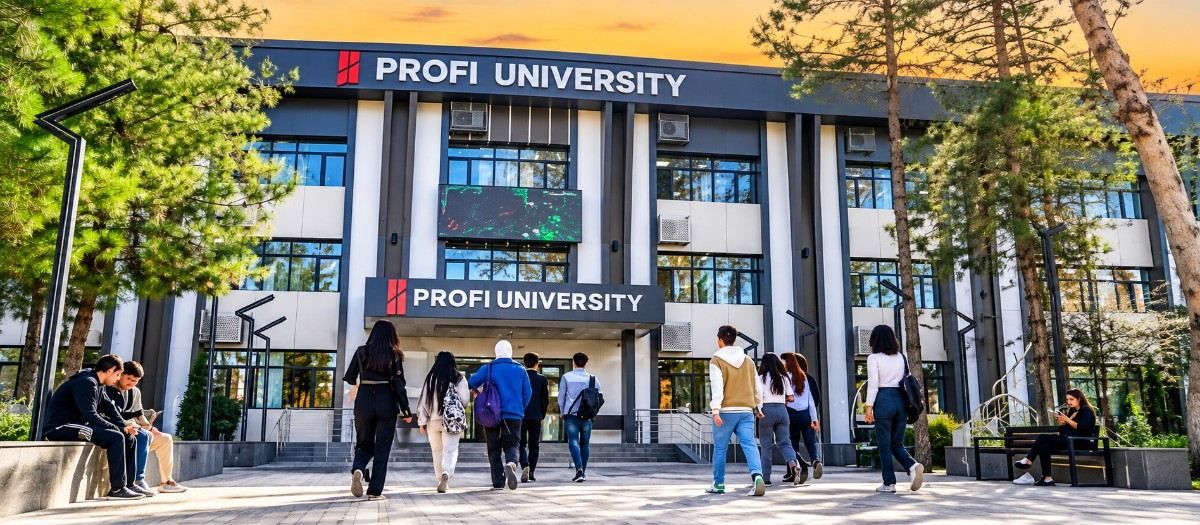
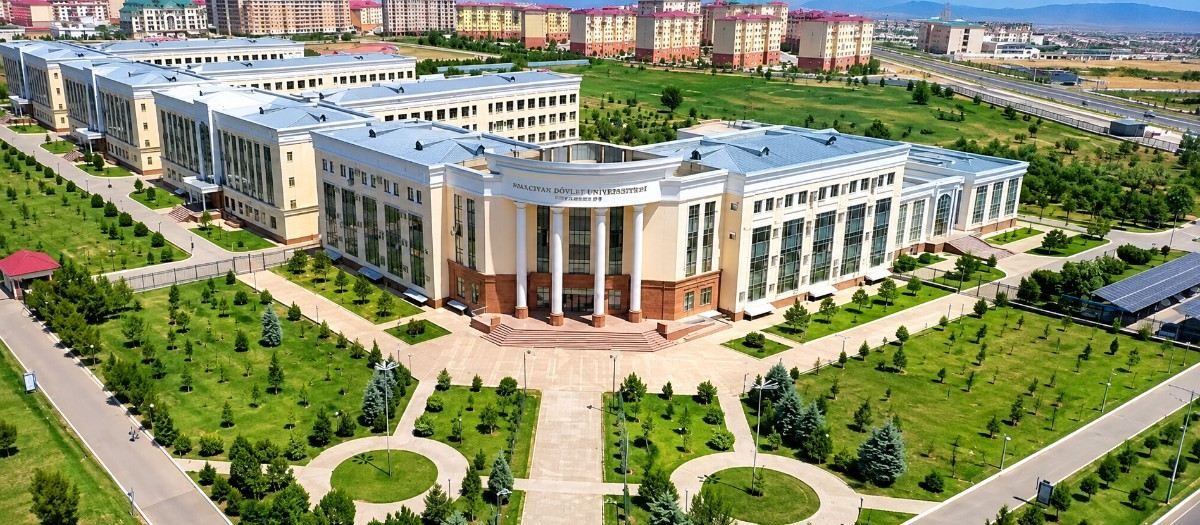
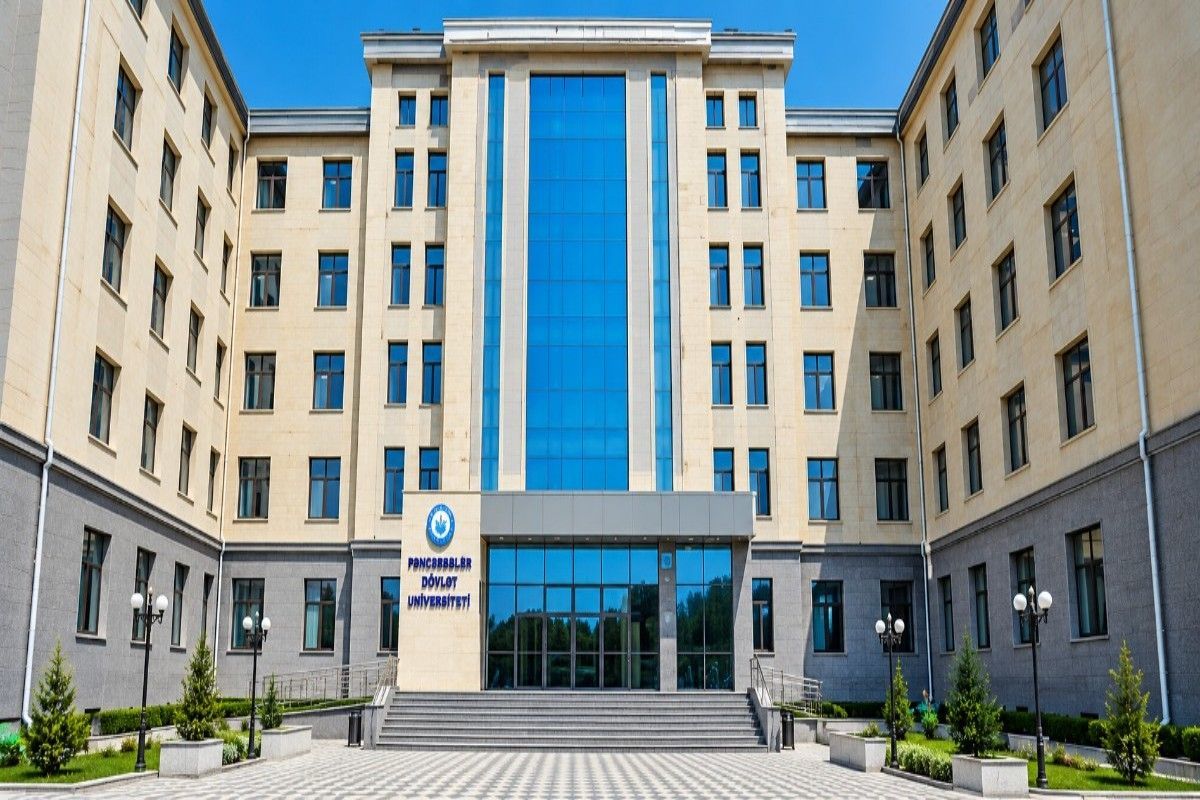
The main campus sits right in the middle of Tashkent, a city where deep historical roots meet a fast-growing, modern layout. Students live and study in a metropolitan environment, enjoy access to large affiliated teaching hospitals, public transport, markets, and community spaces. The campus itself houses modern lecture theatres, equipped science laboratories, simulation training rooms, a well-stocked digital and physical library, and comfortable student hostels with separate accommodation blocks for male and female students.
What makes TPI particularly attractive to Indian students is the combination of academic quality, internationally recognised approvals, and a genuinely affordable cost of education. The Faculty of General Medicine delivers its MBBS-equivalent programme entirely in the English medium, removing any language barrier for students from India and other English-speaking countries. At the same time, students are encouraged to learn basic Russian or Uzbek for better patient communication during hospital postings, though these are not compulsory for academic assessment.
The institute has built a solid name in Central Asia and is drawing more international students every year. Because TPI already hosts a large Indian community, new students find it easy to adapt. Indian food is available in the hostel mess, and seniors are there to guide you. Plus, the university’s international support team makes the visa and paperwork process straightforward.
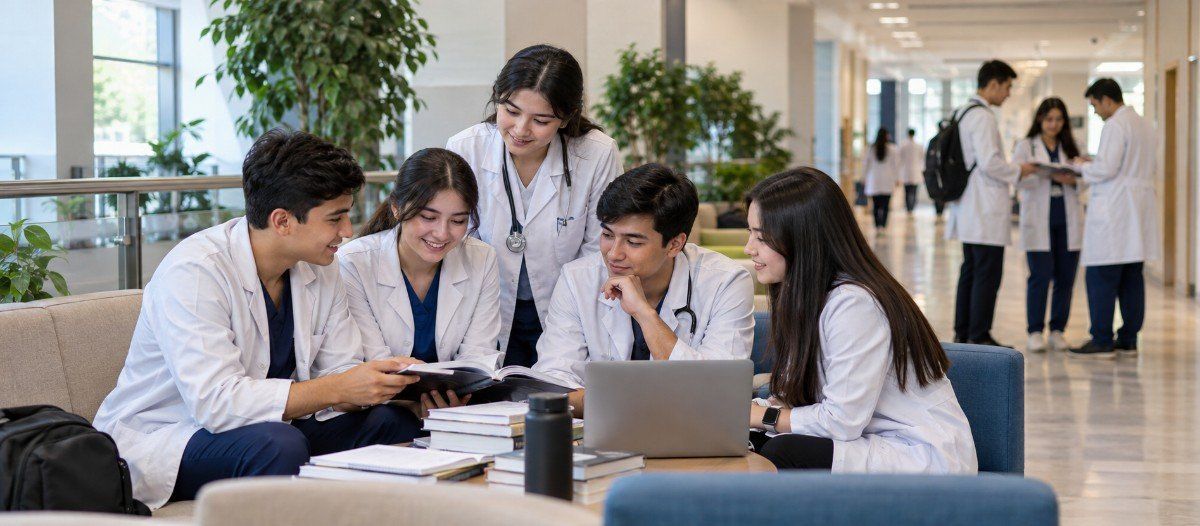
TPI focuses on real-world practice rather than just having you memorise from textbooks. Students can visit hospitals and observe real doctors from their first year. As you move up, you get more hands-on practice. By your final years, you will actually handle patient cases yourself, under the supervision of senior doctors. This gives you real hospital experience before you even graduate.