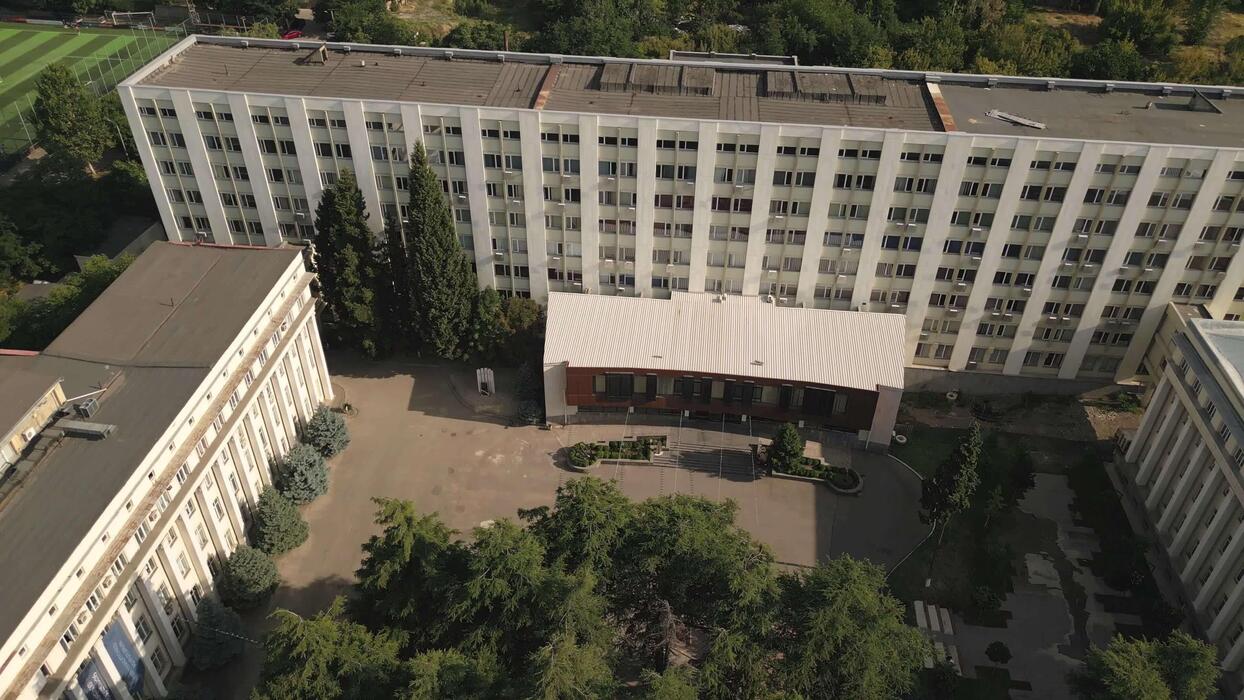
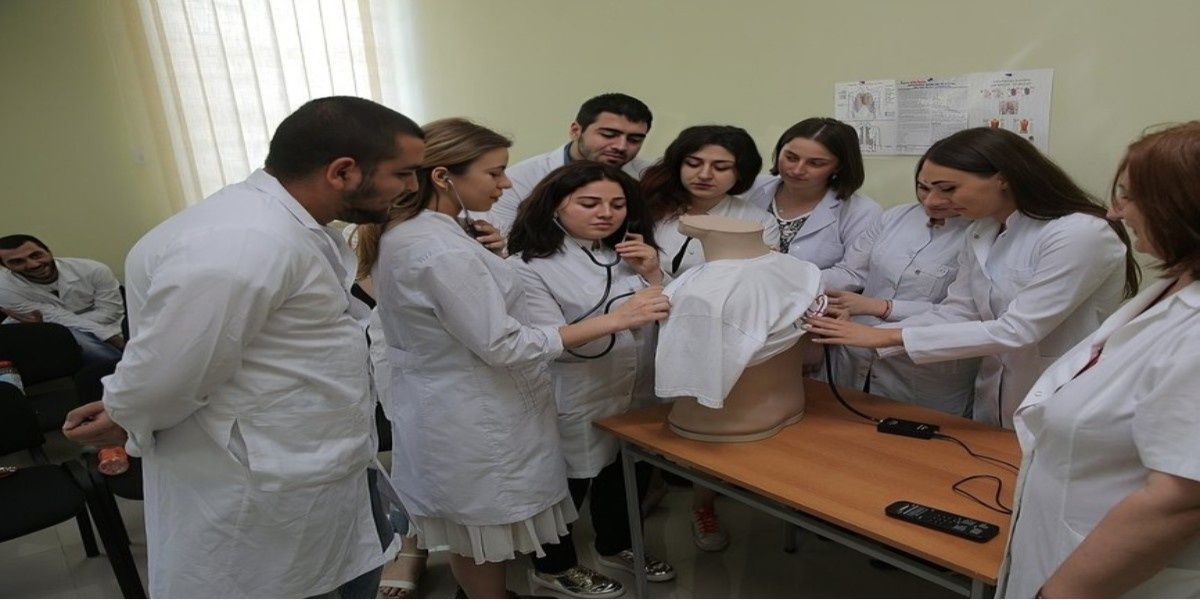
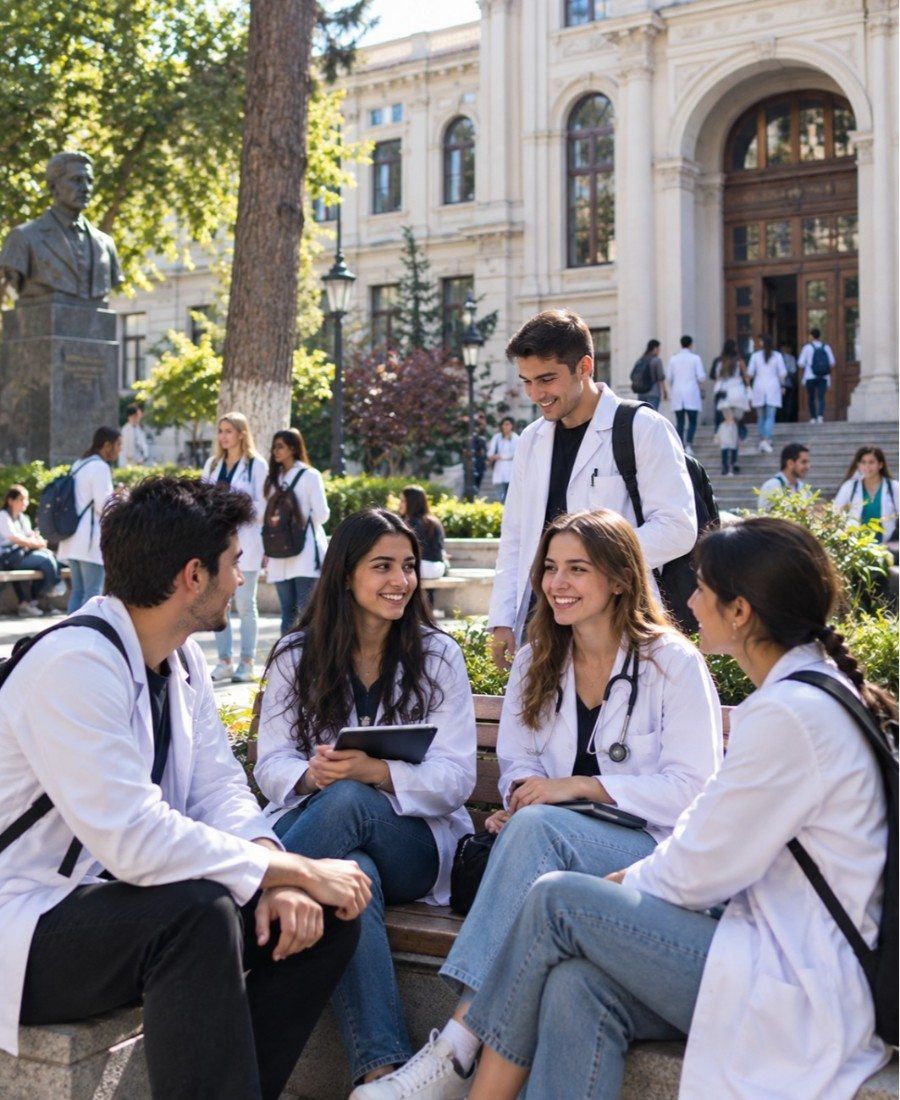
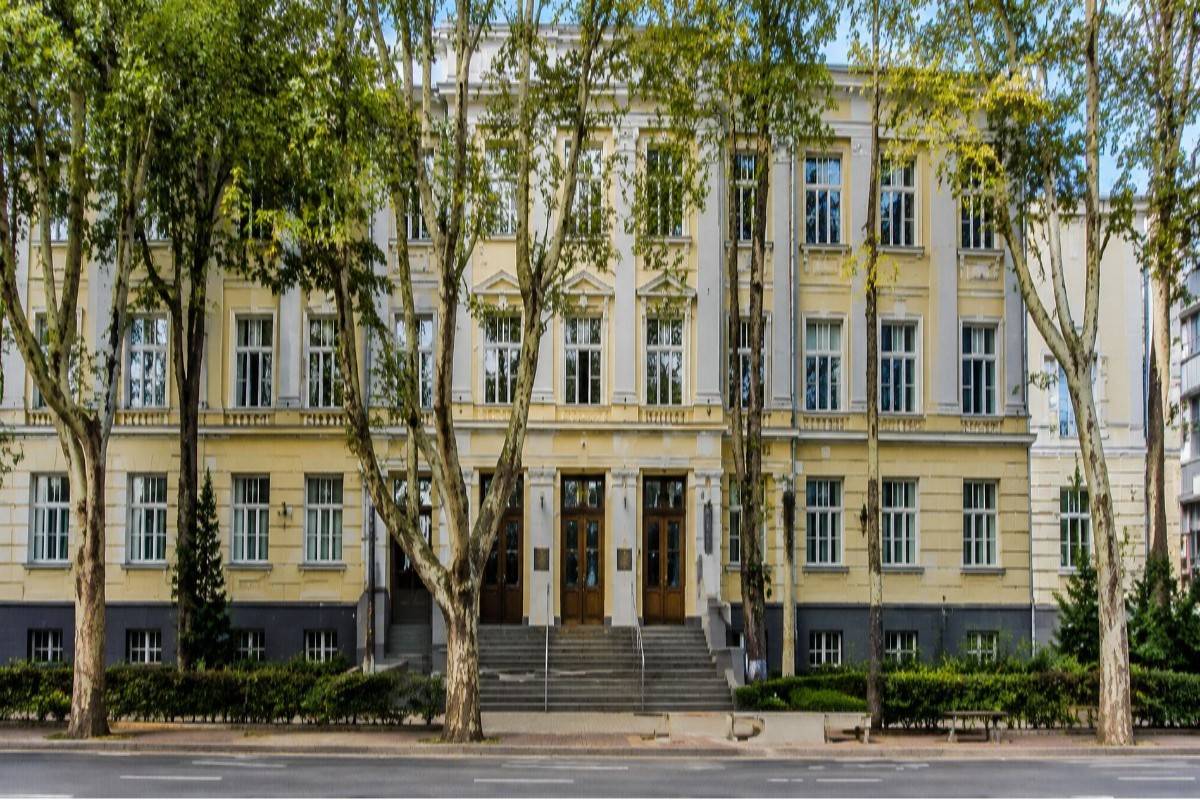
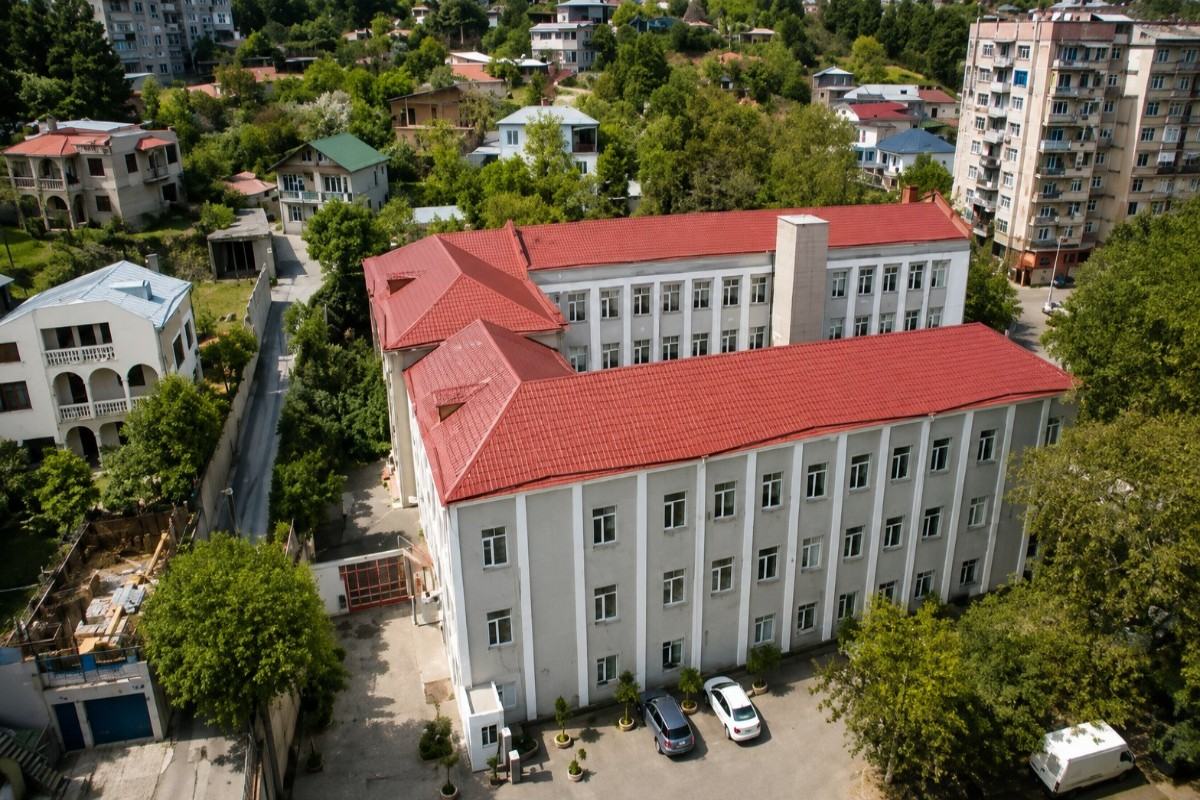
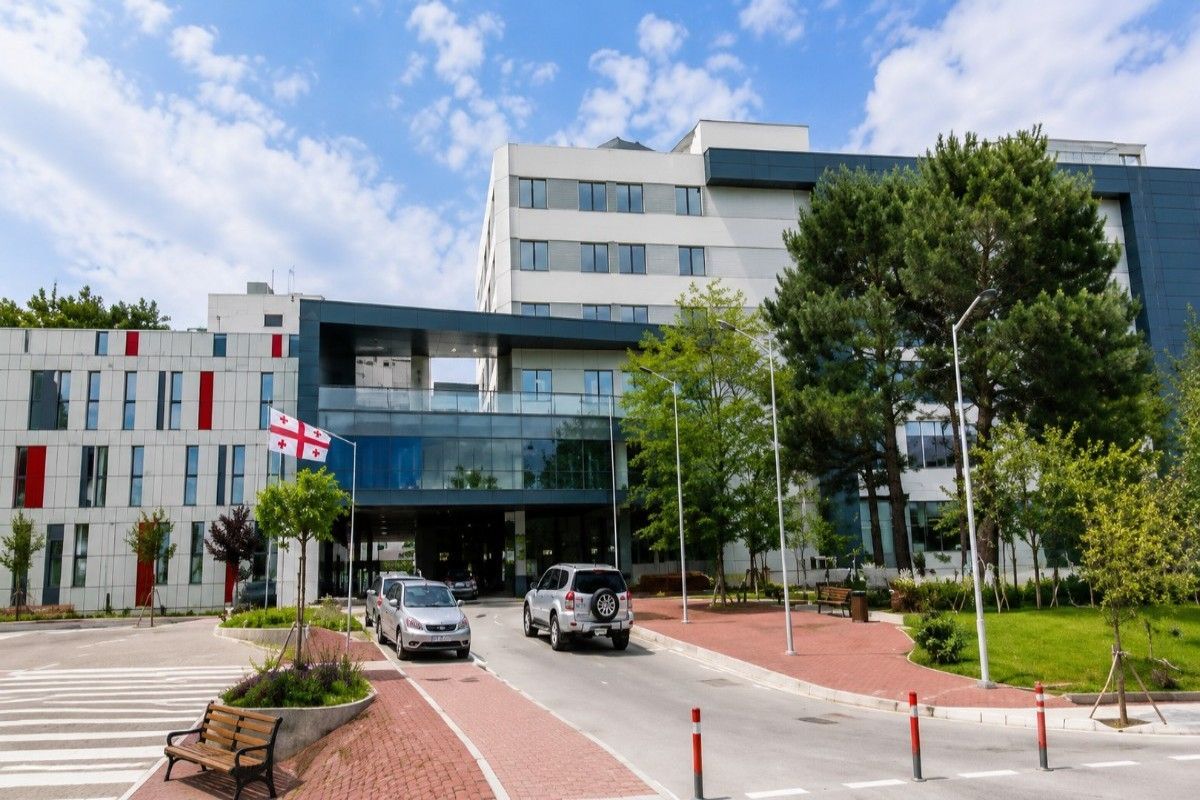
Tbilisi State Medical University (TSMU) is the oldest and most prestigious medical institution in Georgia, founded in 1918. Over more than a century of operation, it has established a depth of clinical infrastructure, faculty expertise, and international recognition that no private university in Georgia can currently match. With approximately 9,400 students — including 3,500 international students — and eight dedicated medical faculties, TSMU is in a category of its own among Georgian universities. As a government-funded state university, TSMU enjoys significant advantages. Its clinical training is conducted in large government hospitals in Tbilisi, where the patient volumes, case complexity, and specialty diversity far exceed what private clinical affiliates typically offer. This means that TSMU students encounter a broad spectrum of medical conditions during their training years, developing a clinical acumen that prepares them more robustly for licensing examinations and independent practice. The English-medium MBBS programme, established in 2013, has already produced over 5,000 graduates who are now practising across India and internationally. TSMU's international recognitions are comprehensive and authoritative: NMC (India), WHO, ECFMG, FAIMER, WFME, the Georgian Ministry of Education and Science, the European Commission for Education, and the Georgian Ministry of Health. It is consistently ranked in the top 5 universities in Georgia and holds a world ranking of approximately 6,397th. Graduates are eligible for NExT in India, USMLE in the United States, PLAB in the United Kingdom, and medical licensing across Europe and the Gulf. The six-year MD programme at TSMU follows the European Credit Transfer and Accumulation System (ECTS) across 360 credits. Years one and two cover anatomy, histology, physiology, and biochemistry through theory and simulation. Year three introduces pathology, pharmacology, and microbiology as students begin transitioning into clinical reasoning. Years four and five involve active hospital rotations in Internal Medicine, Surgery, Obstetrics and Gynaecology, Paediatrics, and Neurology. The sixth year is a mandatory clinical internship. The university's campus includes eight faculties, research centres, affiliated clinics, laboratories, a museum of life sciences with exhibits over a century old, and a newspaper. This richness of academic environment is rare even by international standards. The annual tuition of USD 8,000 is higher than most private Georgian universities, but represents exceptional value given the government university status, clinical infrastructure, and name recognition that TSMU carries worldwide.