Q1. Is Toronto Metropolitan University School of Medicine public or private?
+A: Toronto Metropolitan University School of Medicine is a public medical school in Ontario, Canada.
 Canada | Est. 2025
Canada | The Doctor of Medicine programme follows Canadian medical education accreditation requirements. | English medium
Expert will call you within 2 hours
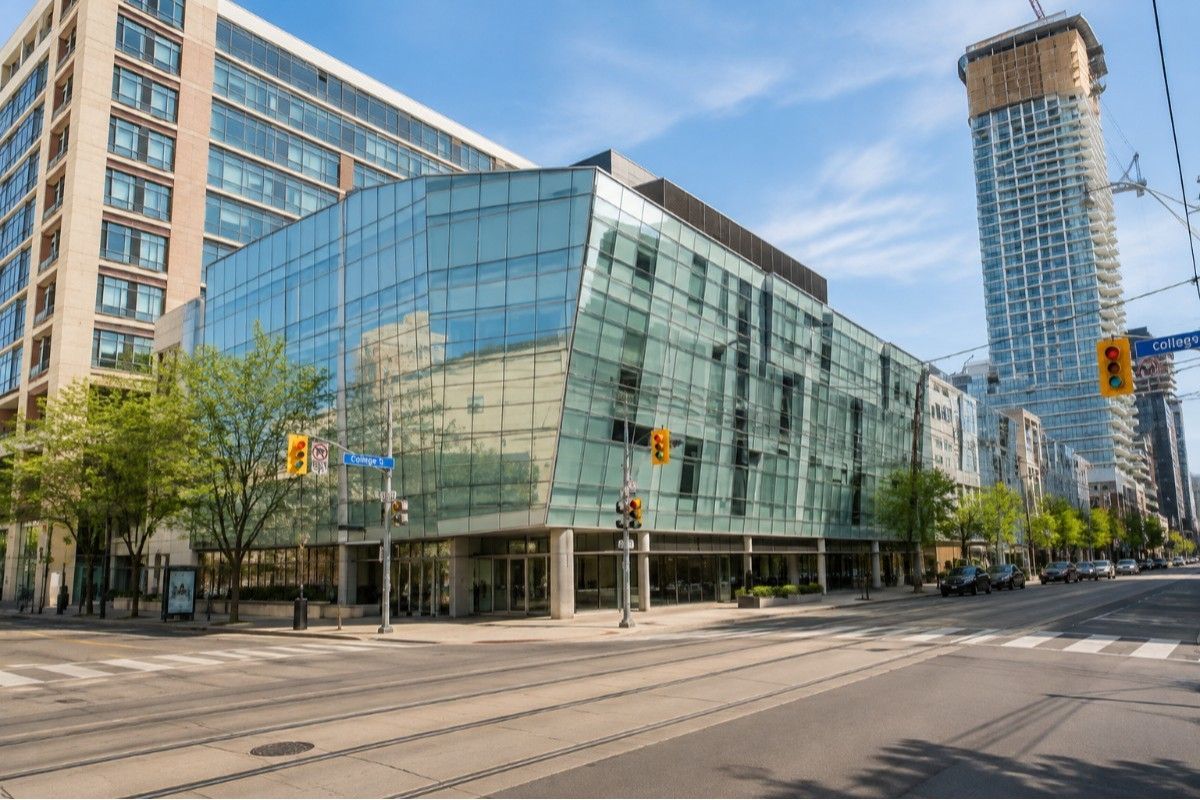
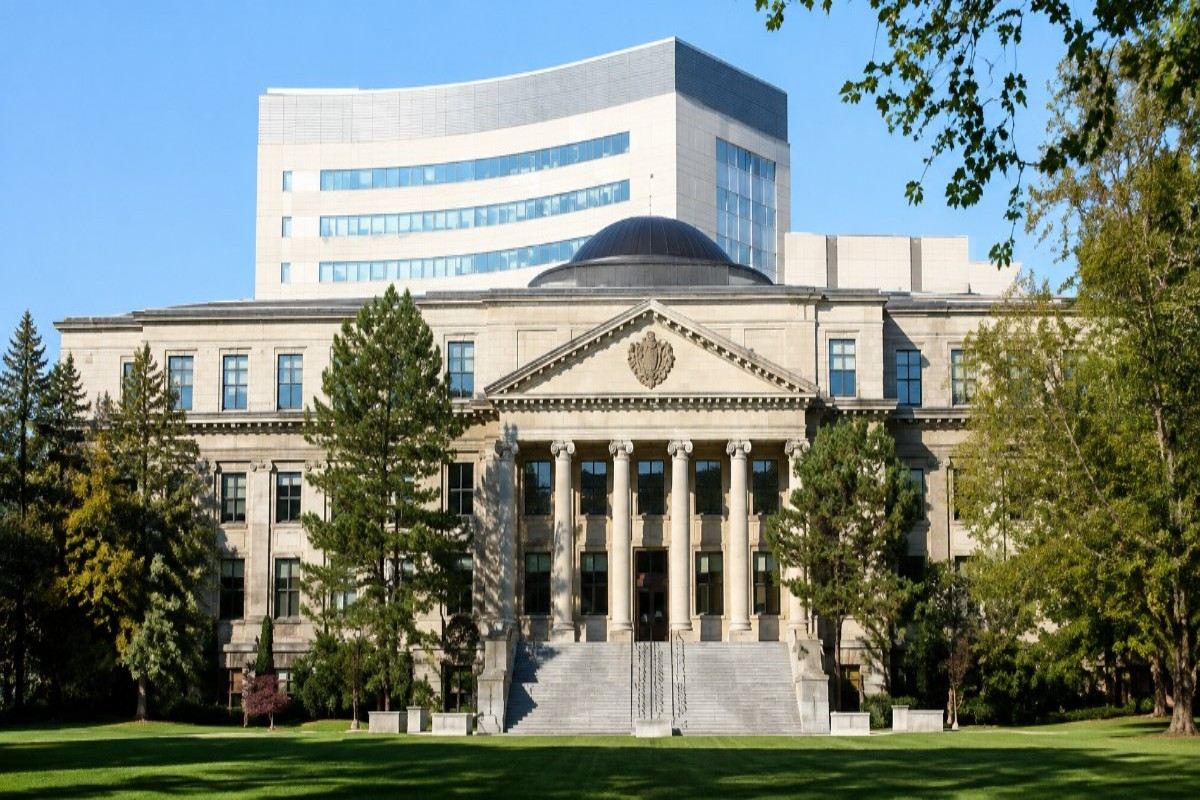
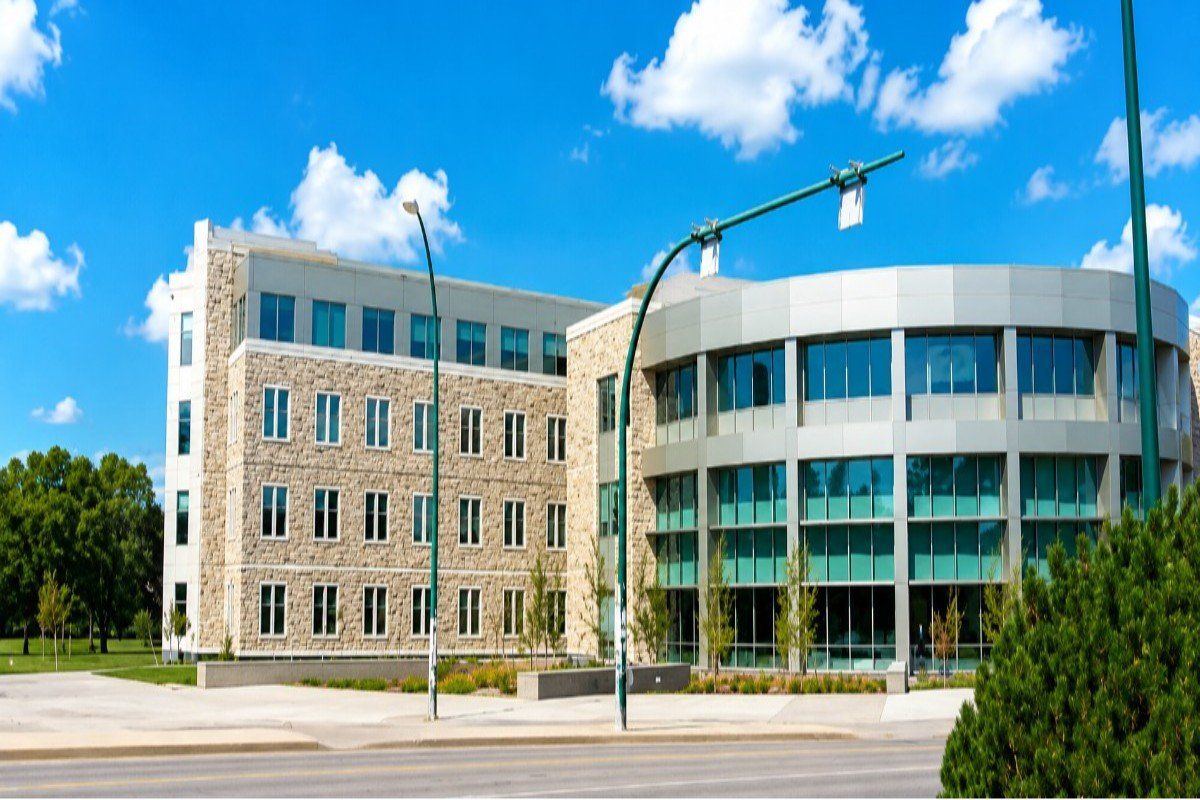
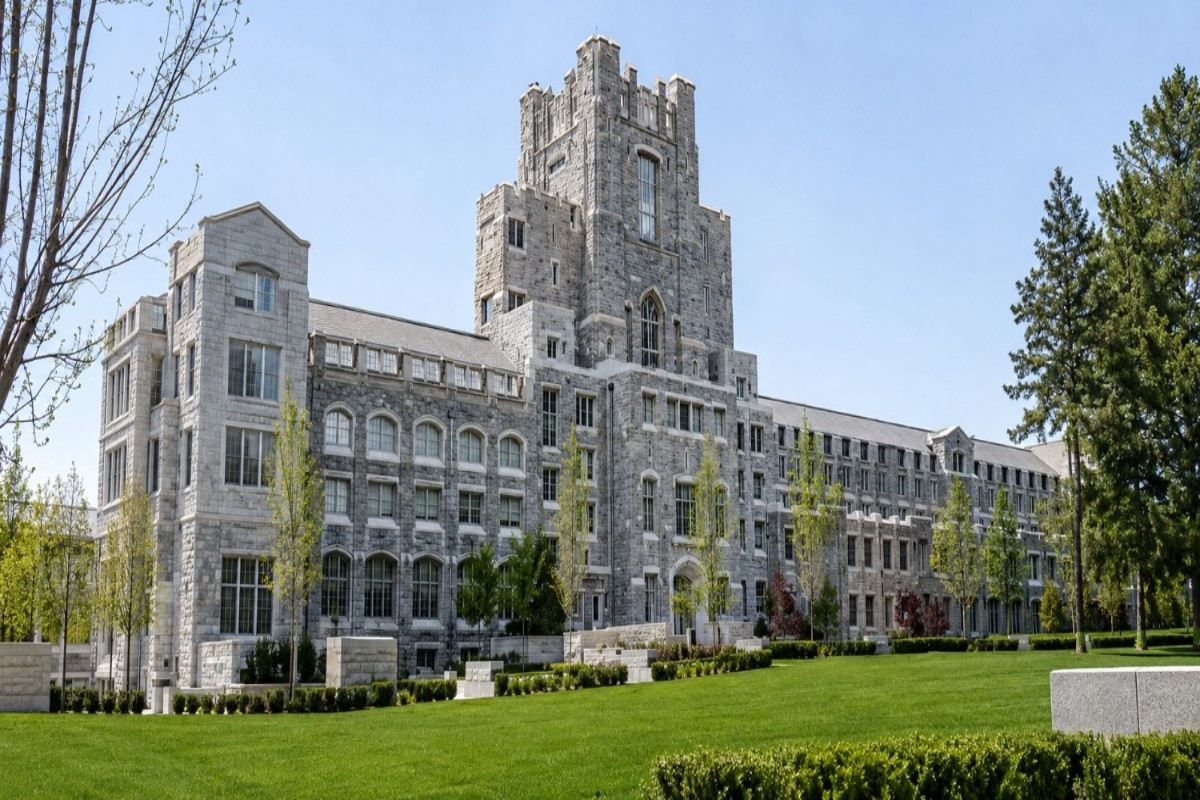
Toronto Metropolitan University School of Medicine is a new public medical school located in Brampton, Ontario, Canada. The school is part of Toronto Metropolitan University (TMU) and was established to improve access to medical education and healthcare services in Brampton and the surrounding Peel Region. It focuses on preparing physicians who understand the healthcare needs of diverse urban communities.
Toronto Metropolitan University was established in 1948 and became a university in 2002. The institution has developed a strong focus on career-oriented education, research, innovation, and community partnerships. The School of Medicine represents the university’s expansion into medical education and aims to train future physicians through a community-focused approach.
The School of Medicine is publicly funded and is located in Brampton, one of the fastest-growing cities in Ontario. The location provides students with exposure to a diverse patient population and access to healthcare facilities. The medical school works closely with healthcare partners in the Greater Toronto Area to support clinical education and patient-based learning.
The Doctor of Medicine (MD) programme at Toronto Metropolitan University School of Medicine is designed to prepare students for modern medical practice. The programme combines scientific education, clinical skills development, community healthcare learning, and research opportunities. The curriculum focuses on providing students with the knowledge and skills required to become competent and responsible physicians.
As a newly established medical school, TMU School of Medicine has developed a curriculum that reflects current healthcare needs. The programme places importance on primary care, community health, health equity, digital health, and collaboration between healthcare professionals. Students learn through lectures, small-group sessions, practical activities, case discussions, and clinical experiences.
Pre-clinical education introduces students to essential medical sciences, including anatomy, physiology, biochemistry, pathology, pharmacology, microbiology, and related subjects. Students develop an understanding of human body systems, disease processes, diagnosis, and treatment principles. The early curriculum also includes communication skills, medical ethics, professionalism, and patient-centred care.
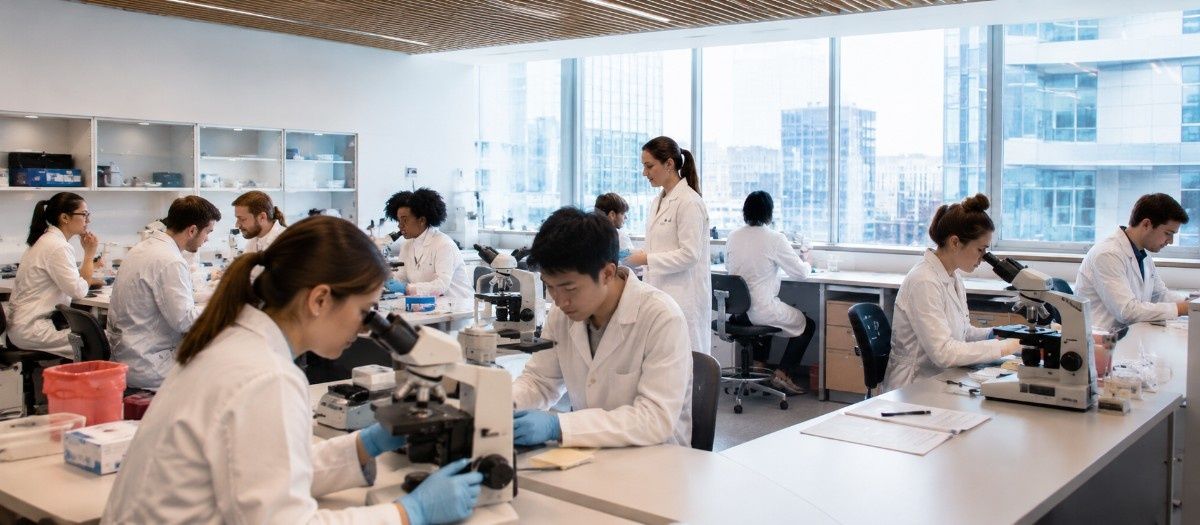
Clinical education allows students to apply their medical knowledge in real healthcare settings. Students complete clinical experiences in hospitals, clinics, and community healthcare facilities. Training includes exposure to internal medicine, surgery, pediatrics, psychiatry, emergency medicine, and obstetrics and gynecology. These experiences help students develop clinical reasoning, patient management skills, and professional responsibilities.
Simulation-based learning is included in medical training to help students practise clinical skills in a safe environment. Students can develop skills in patient communication, physical examinations, emergency response, and medical procedures through simulated scenarios. This approach helps learners gain confidence before working with patients.
Research is an important part of the university’s academic activities. Students have opportunities to participate in research projects related to healthcare innovation, population health, medical education, digital health, and community medicine. The school’s location in the Greater Toronto Area provides opportunities for collaboration with healthcare organisations and research institutions.
Toronto Metropolitan University School of Medicine focuses on partnerships with healthcare providers, community organisations, and academic institutions. These collaborations support clinical education and help students understand healthcare challenges faced by diverse populations.
The university provides student support services including academic guidance, wellness resources, career support, and professional development opportunities. Students can access resources designed to support their learning throughout medical education.
Graduates of the Doctor of Medicine programme receive an MD degree and can apply for residency training in Canada or other countries after fulfilling licensing requirements. The programme prepares students with medical knowledge, clinical skills, research experience, and professional values needed for healthcare careers.
Toronto Metropolitan University School of Medicine represents a new approach to medical education in Ontario. With its focus on community healthcare, diverse patient populations, and modern medical training, the school aims to contribute to the future healthcare workforce in Canada and beyond.
No hidden charges, no donation. The full picture of costs at MBBS In Toronto Metropolitan University School of Medicine.
Tuition Fee
CAD 90,000 to CAD 100,000 per year
CAD 95,000/year Approx. USD 69,000 Approx. Rs. 57 lakh
Hostel Fee
CAD 12,000 to CAD 18,000 per year
CAD 15,000/year Approx. USD 11,000 Approx. Rs. 9 lakh
Food & Meals
CAD 7,000/year Approx. USD 5,100 Approx. Rs. 4.2 lakh
per year
Insurance
CAD 1,000/year Approx. USD 730 Approx. Rs. 60,000
per year
Donation
No Donation
No Donation
Total Estimated Cost
Approx. CAD 118,000 (USD 85,800 | Rs. 71 lakh)
total 4 year
25–35%
Average FMGE first-attempt pass rates for students from many overseas medical universities. Students from structured programs consistently score higher.
Students returning to India need to clear the FMGE/NExT exam. MBBS In Toronto Metropolitan University School of Medicine integrates exam-oriented coaching into the regular curriculum so students are prepared from day one.
A structured program that takes you from foundational sciences to clinical mastery.
• The curriculum introduces disease processes, clinical reasoning, healthcare systems, and medical ethics. • Students develop communication skills and learn principles of patient-centred care. • Learning includes lectures, small-group discussions, practical sessions, and case-based activities.
• Students study anatomy, physiology, biochemistry, pathology, pharmacology, microbiology, and other foundational medical sciences.
• Training takes place in hospitals, clinics, and community healthcare settings. • Students learn diagnosis, treatment planning, patient safety, and evidence-based medicine. • Learners develop professional responsibilities through supervised clinical experiences.
• Students complete clinical rotations in internal medicine, surgery, pediatrics, psychiatry, emergency medicine, and obstetrics and gynecology.
• Training focuses on clinical decision-making, teamwork, and preparation for residency. • Students continue research activities and professional development. • Learners strengthen skills required for independent medical practice.
• Students complete advanced clinical placements with increased responsibility in patient care.
Furnished hostel rooms with Wi-Fi, laundry, 24/7 security, and Indian mess on or near campus.
Indian restaurants and mess facilities serving vegetarian and non-vegetarian home-style food daily.
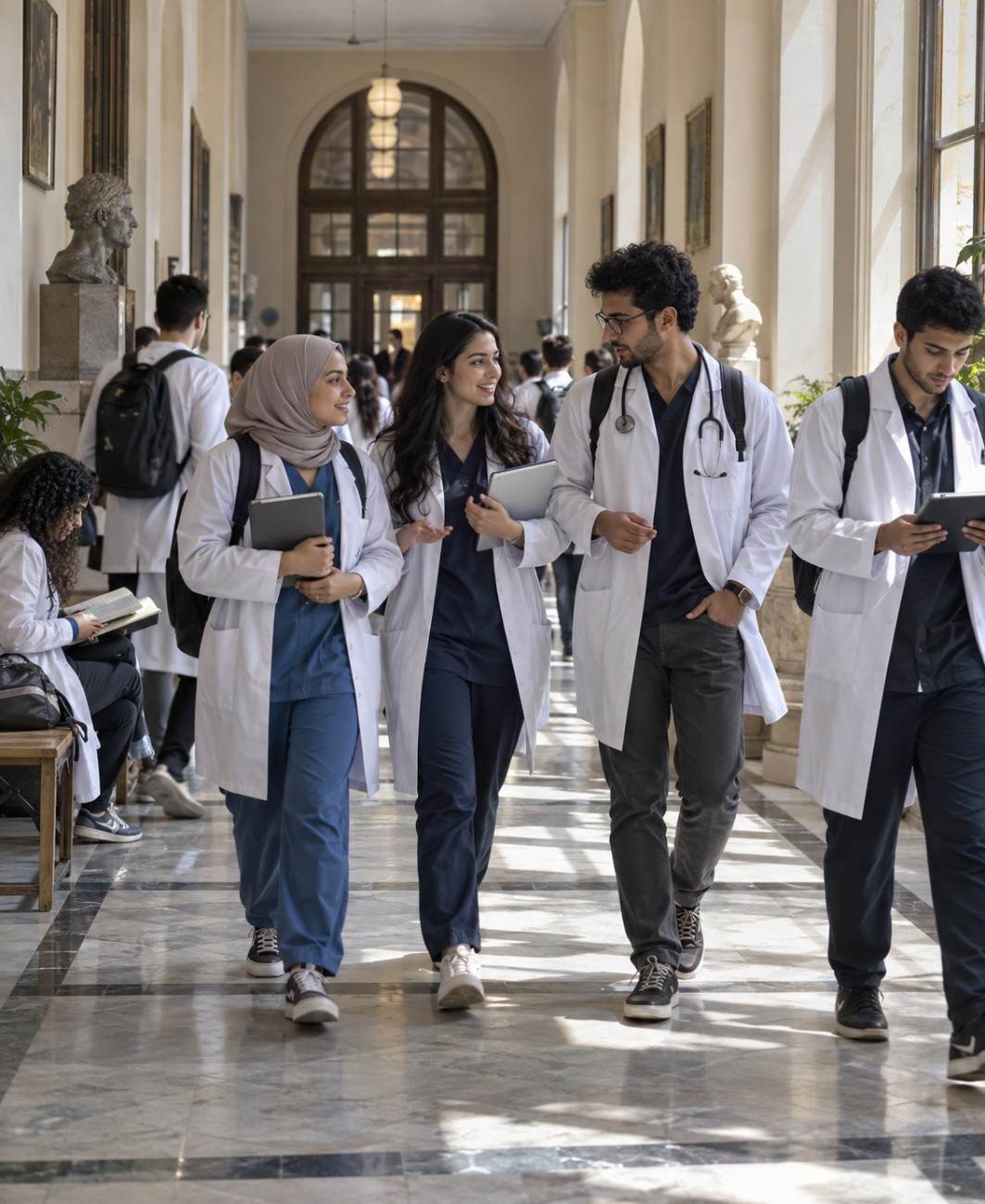
Strong Indian community with cultural events, festival celebrations, and peer support groups.
Students get hands-on clinical training in government and private hospitals affiliated with the university.
Practical information for students planning to study at MBBS In Toronto Metropolitan University School of Medicine.
Prepare for all seasons. Thermal wear for winters, light clothing for summers. University provides heating in hostels.
Student visa processed with university invitation letter. Direct and connecting flights from major Indian cities.
Health insurance included in fees. Medical facility on campus plus city hospitals easily accessible.
Local SIM cards available. WhatsApp and video calls keep you connected with family back home.
Average monthly expenses of $150–$250 covering food, transport, and personal needs.
University library, online databases, and study groups. Seniors mentor juniors through academic challenges.
Our team guides you through every step — from application to arriving on campus.
Our Canada specialist maps your full 7–9-year pathway with the right bachelor's degree, MD application timeline, MCAT preparation, and financial planning.
Our team assists with selecting a pre-med bachelor's programme (in Canada or India) that maximises MD application eligibility at MUN.
Our team manages the IRCC Study Permit for the bachelor's degree stage — biometrics, medical exam, full documentation.
We provide MCAT coaching resources and strategies covering the Biology, Chemistry, Physics, Psychology, and Sociology sections.
We prepare your full MUN MD application package — personal statement, academic references, and transcript management.
Our team submits directly to Memorial University of Newfoundland's Faculty of Medicine admissions office
We receive the MUN offer letter, explain the terms, and manage the initial fee deposit to secure your MD seat.
We manage the second IRCC Study Permit required for the MD programme stage with all updated documentation
Our team coordinate St John's arrival, accommodation check-in, and MUN Faculty of Medicine registration.
Our team maps your 4-year MD academic plan and post-graduation strategy, Canadian residency (CaRMS), USMLE, or India FMGE from the first day onwards.
Admission Helpline — Contact our counsellors for step-by-step assistance.
“The faculty here is incredibly supportive. The clinical training during hospital rotations has given me real confidence in patient care.”
“Affordable fees without compromising on quality. The campus facilities and hostel life made my transition abroad very smooth.”
“English medium instruction and WHO-recognized curriculum were the deciding factors for me. No regrets so far — excellent experience overall.”
“The university helped with everything from visa to accommodation. Hospital exposure from year three has been invaluable for my FMGE prep.”
“Just cleared my licensing exam on the first attempt. The structured coaching and mock exams during final year were a game-changer.”
“Safe campus, good food options, and a strong Indian student community. The teaching methodology is very practical and hands-on.”
A: Toronto Metropolitan University School of Medicine is a public medical school in Ontario, Canada.
A: The Doctor of Medicine programme is taught in English. Applicants may need to provide language proof depending on their previous education.
A: Yes, students receive clinical training through healthcare partnerships and clinical learning sites.
A: Yes, simulation-based learning is used to help students practise clinical skills, communication, and patient management.
A: Yes, students can participate in research activities related to healthcare innovation, digital health, and community medicine.
A: Students can access private accommodation options in Brampton and nearby areas.
A: Students receive a Doctor of Medicine (MD) degree after completing the required programme requirements.
A: Yes, graduates may apply for residency opportunities in Canada and other countries after meeting licensing conditions.
A: The MD degree follows Canadian medical education standards and can support international medical career pathways.
A: Applicants generally need academic transcripts, passport documents, application materials, and proof of language proficiency if required.
Our expert counsellors will guide you through the complete admission process — from documents to airport pickup.