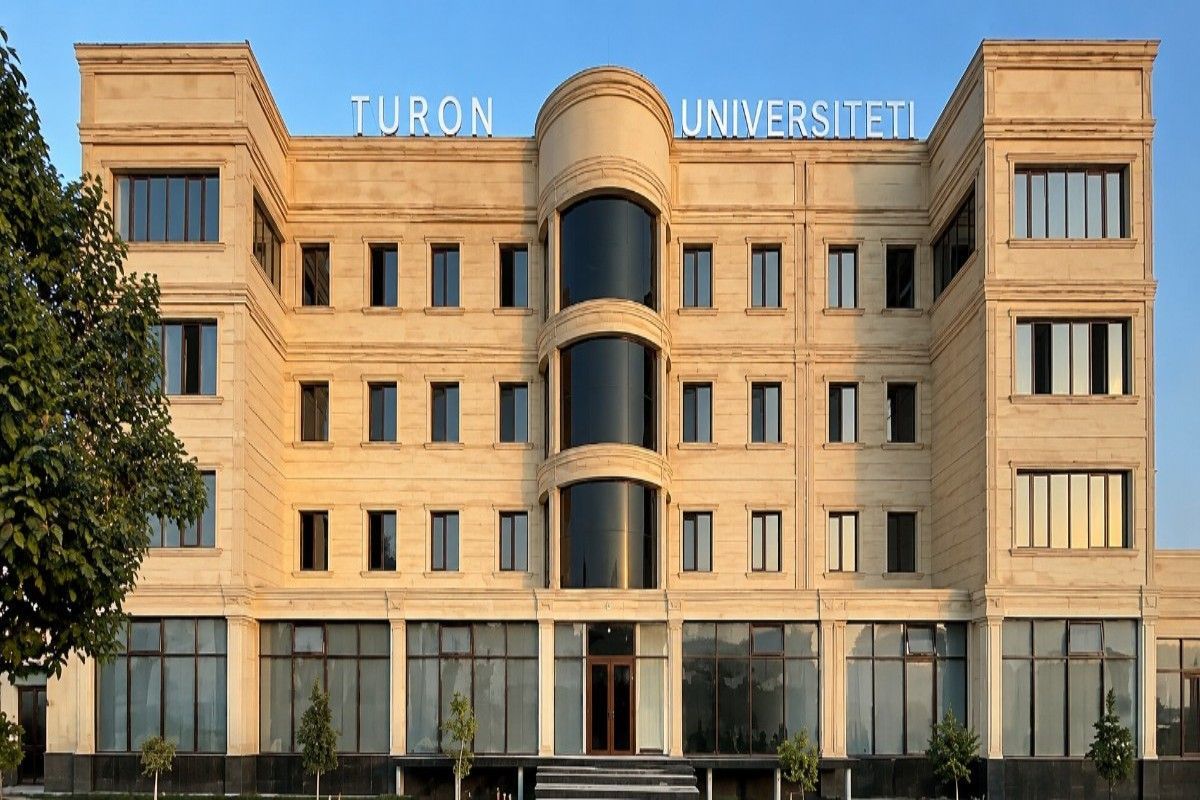
Karshi, which is the administrative center of the Kashkadarya region in the south of Uzbekistan, is home to the private Turon University Faculty of Medicine. The school became a faculty in Turon University in 2024, making it one of the newest medical schools in the country. Turon University was founded in 2022. The school of medicine was built to meet two clear needs. The first was that the Kashkadarya area did not have enough trained doctors. Out in the country, there are still not many doctors for every 1,000 people. Second, the number of students from India, Pakistan, Bangladesh, and several African countries who wanted to study MBBS in English and for a low price that was accepted all over the world kept going up. The whole program is taught in English and lasts for six years. This means that students from other countries don't have to learn Uzbek or Russian first before they can start their pre-clinical studies.
With the ID number F0009449, the school is in the World Directory of Medical Schools. It is supervised by the Ministry of Higher Education, Science and Innovation of the Republic of Uzbekistan. The FMGE and NExT exams are held in India, the USMLE in the US, the PLAB in the UK, the AMC exam in Australia and the various regional screening tests used in the Gulf and parts of Africa. This is because their name is on the WDOMS and FAIMER databases. The university has also signed agreements with hospitals, polyclinics and study groups in Kashkadarya to carry out joint research and teaching activities. This means that students are dealing with real patients before the end of their last year and not just during their internships.
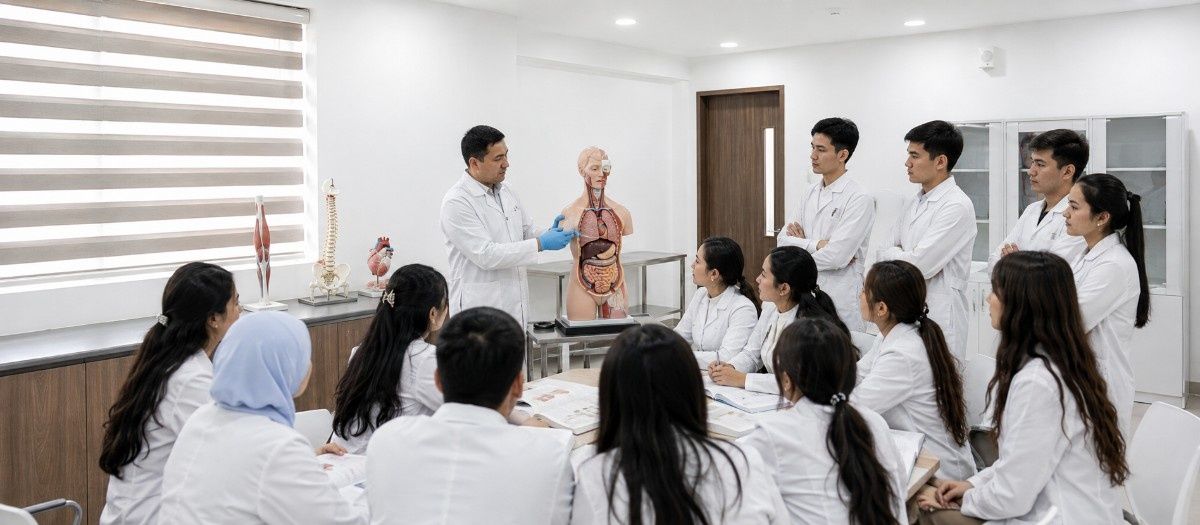
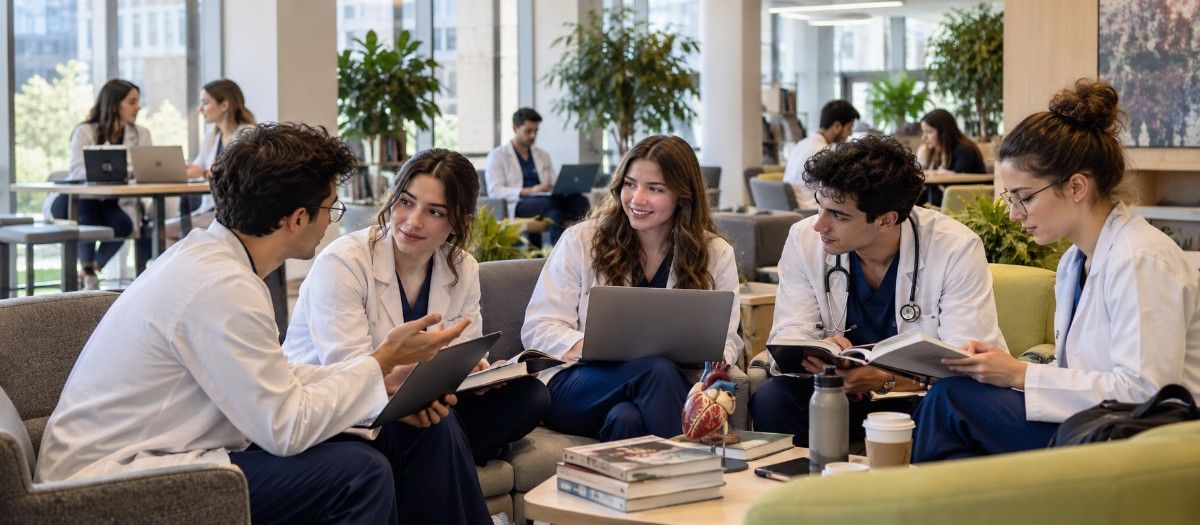
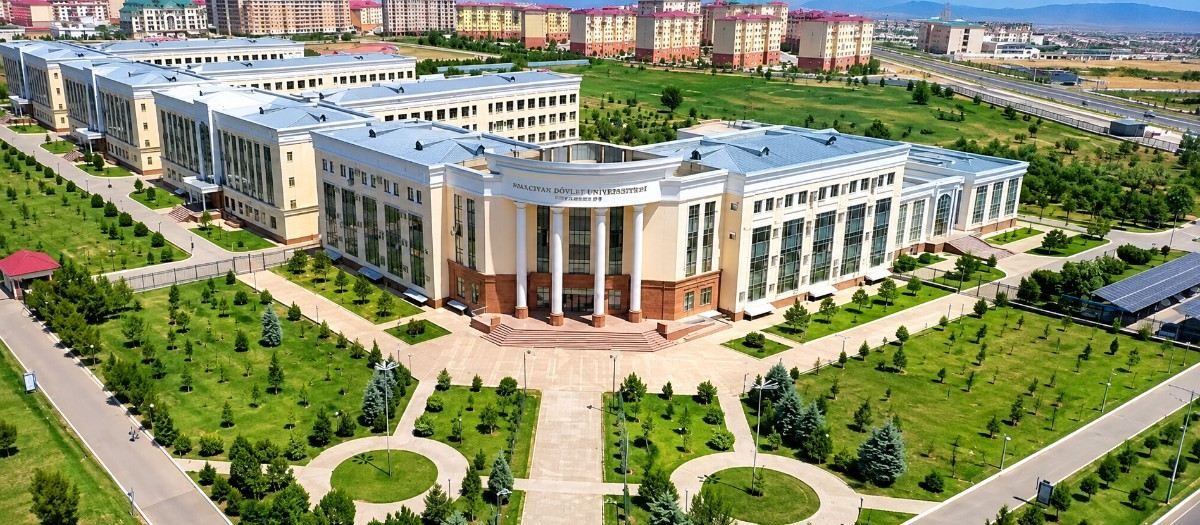
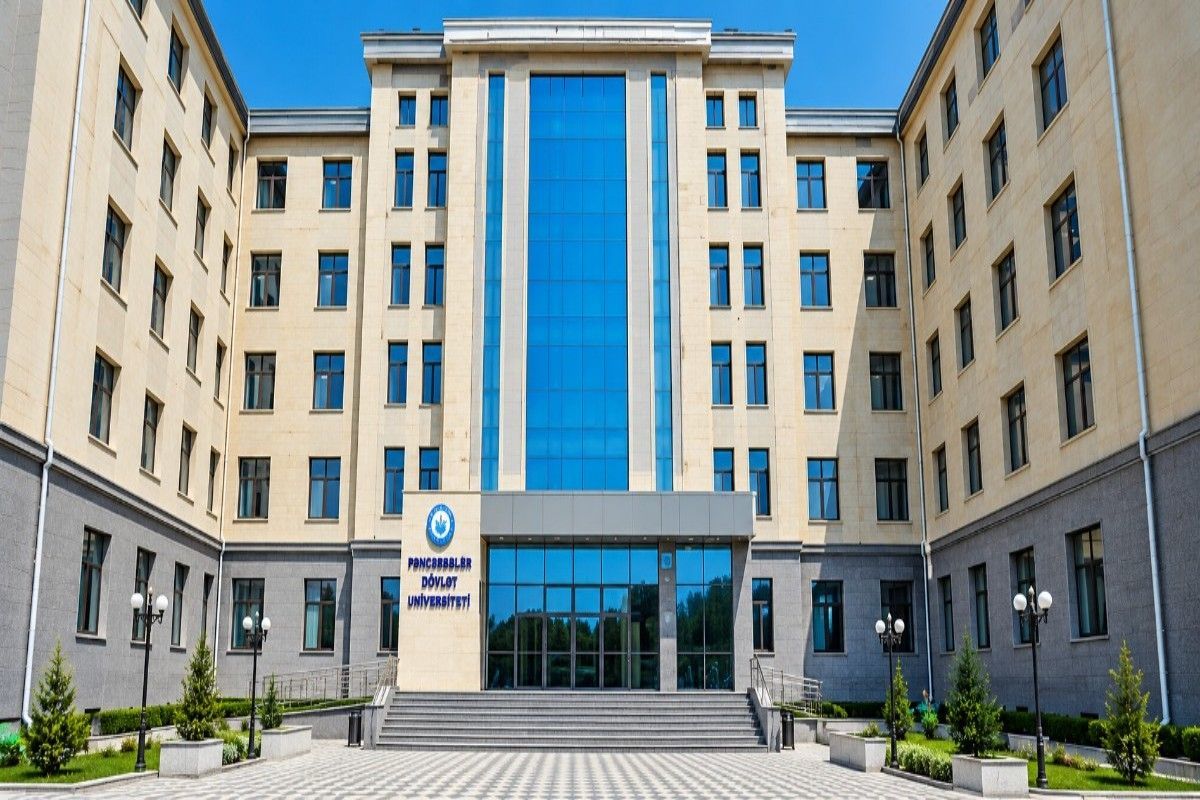
The Karshi campus was constructed for students to study cutting-edge medicine. The main building contains lecture halls, teaching rooms and labs dedicated solely to anatomy, histology, biochemistry, physiology, microbiology, pathology, pharmacology and microbiology. Students have the opportunity to practice venipuncture, catheterization, suturing and cardiopulmonary resuscitation (CPR) on manikins and basic clinical simulators in the skills lab before working on a real person. The digital library is used by students to study and do small projects. It is equipped with electronic textbooks, journals and medical libraries from other countries. There is Wi-Fi all around the school and the general study rooms are open until late every night. Everything in the classroom has a projector and a smart board. Most of the learning is done through talks, small group lessons and lab work that you do with your hands.
The hands-on teaching is one of the best parts of the school. Students in their second year are given set times to spend at the teaching hospitals and clinics in and around Karshi that are linked to the school. There are many of these, like the city hospitals, the Kashkadarya Regional Multi-Profile Medical Center and specialty centers for heart disease, children, pregnancy and infectious diseases. It is one of the most important parts of the program and one of the best ratios on WDOMS for medical schools in this part of the world. Student doctors have the opportunity to observe a range of cases like tropical disease, heart disease, problems of moms and kids and trauma, under the supervision of more senior doctors. Organized postings in emergency medicine, obstetrics and gynecology, internal medicine and general surgery take place at the end of the 4th year of clinical rotations. They are given more duty for taking care of patients as the year goes on.
Both Uzbek professors and doctors from other countries who come to teach teach the students. For people who speak English, a Doctor of Sciences or Candidate of Sciences degree is like a PhD. A lot of the best professors have these degrees. They do both research and work with people. It's getting better and better that the junior teachers speak English. Some of them even have advanced degrees from India, Russia, or Europe. That mix helps close the gap between how people are taught in the area and how foreign students, especially those studying for Western licensing exams, expect to be taught. Because classes are kept small, tutors can give each student individual feedback on professional skills, patient histories, and case presentations.
It's a pretty big city, with about 250,000 people living there. Living here is cheaper than in Tashkent or Samarkand, which helps keep school costs low. Indian and Pakistani food is served in more and more bazaars, restaurants, sports centers, and other places in the city. Saturday and Sunday, you can get to Samarkand, Bukhara, or Tashkent by train or bus. University helps students get to and from the airport, find housing, get SIM cards, and set up bank accounts. It only takes a few weeks for students who have never lived abroad before to get used to it.
Students in their first year must live in a hotel. There are separate boys and girls dorms on campus and nearby. Two or three students share a room. Each room has a bed, a study desk, a private or shared bathroom, and heat for the winter. You can connect to Wi-Fi any time you want. There is an Indian mess and kitchens where students can prepare simple meals. People study and pray and hang out in these rooms. Guards are always on duty. Students can go to a medical center on campus for small issues or be sent to a bigger hospital when they need to.
Life outside of school is also important at Turon. A small student council, sports teams, and culture groups put together events around Independence Day, Eid, and Navruz. The teenagers of the villages around Karshi are invited to health projects, camps and drives to check for diabetes and high blood pressure. While doing these activities, you can work with others, talk to others and think about basic public health problems. These skills will help you to pass your licensing tests and do better in clinical work in the future.
The Turon University Faculty of Medicine was established with one aim – to train doctors who are safe, skilled and ready to work anywhere in the world. The school is already known to people all over the world for its early clinical practice and English language classes. That's why it's a good choice for people who want to become doctors but don't want to pay the very high tuition costs of Western schools.
Research is getting more and more support, but it is there. After the third year, students can work with their teachers in small groups to do study on topics like nutrition, the health of mothers, and the effects of noncommunicable diseases in Kashkadarya. There is an internal bulletin at school that has summaries of student research. The school also pays for students to attend national and international conferences in Tashkent, Samarkand, and other nearby countries. Setting up writing and presentation tasks can help students build a portfolio that can help them get into graduate school. Several professors also work with public health workers and hospitals in the region to combat tuberculosis, ensure immunization coverage and improve the health of mothers and children. They get to see the use of the tools in the real world while they are still at school.