Lets get the urgent stuff out of the way. Debrecen is not accepting new Medicine applications at the moment. The demand was too high for the September 2026 intake. The university closed applications early due to this. Next intake is opening later this year. That's for September 2027. The final deadline for that round is May 15, 2027. If you're planning around this school, build your timeline around that date. This detail comes straight from the university's own admissions page. It's worth checking directly before you plan anything else.
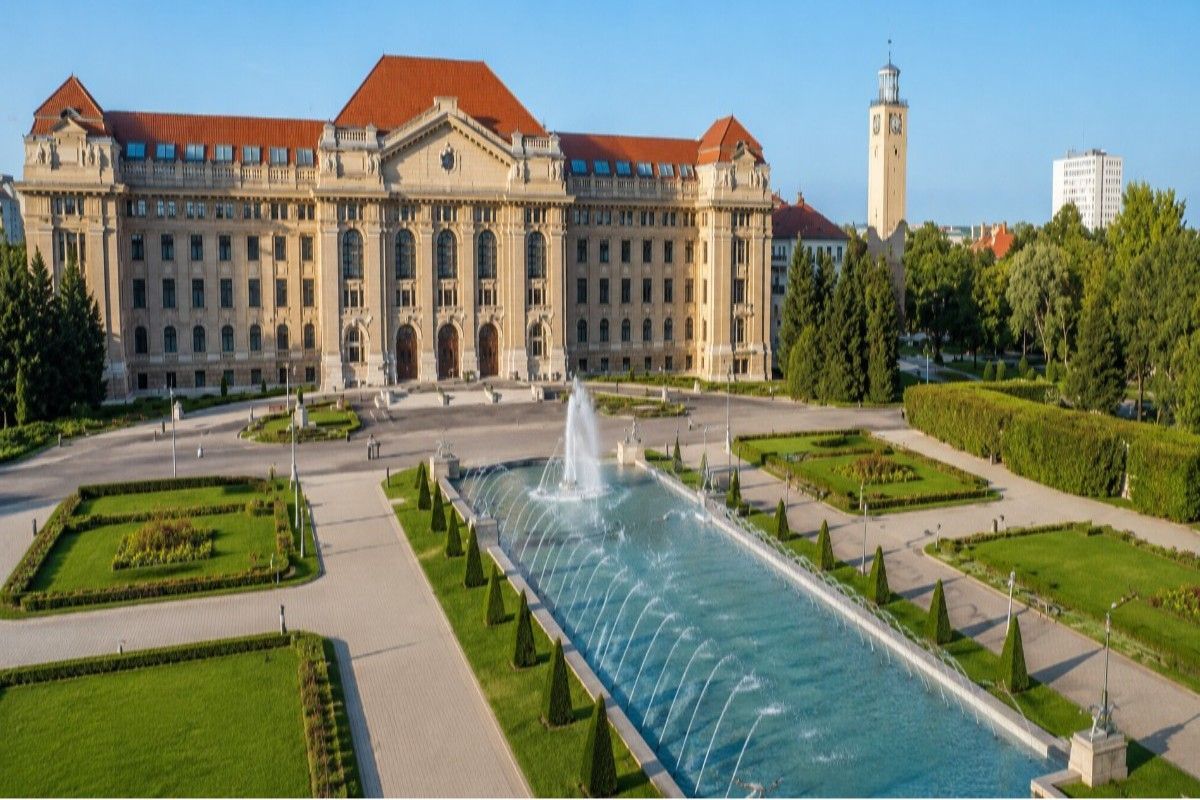
Now, the history. Debrecen has deep roots. They go back to 1538. That’s when the Calvinist College of Debrecen opened its doors for the first time. For centuries, this college has shaped higher learning across Hungary. In 1912, things shifted. The school became a true university. Four faculties made up that early university. These were Arts, Science, Theology, and Medicine. The full opening ceremony happened later, in 1918. Hungary's King Charles IV attended that event in person.
Medicine grew into its own institution over time. In 1951, the Faculty of Medicine split off. It became an independent medical university. That setup lasted until the year 2000. At that point, Hungary restructured its universities. Debrecen's separate schools merged back together. Medicine became part of the unified University of Debrecen again.
English-language teaching has deep roots here too. The university began teaching medicine in English back in 1986. The first full class of students arrived in 1987. That group had 49 students. Small by today's standards, but it was the true start. Since then, this English program has grown steadily. It now draws students from across the globe.
Today, the university teaches around 28,000 students in total. About 6,000 of them come from outside Hungary. That's roughly one in five students. Debrecen has more than a dozen faculties. These cover medicine, law, science, farming, and more. In global rankings, Debrecen sits around 574th worldwide. This comes from the QS World University Rankings for 2026. Within Eastern Europe, it ranks 14th. That's a solid mid-tier position among the region's universities.
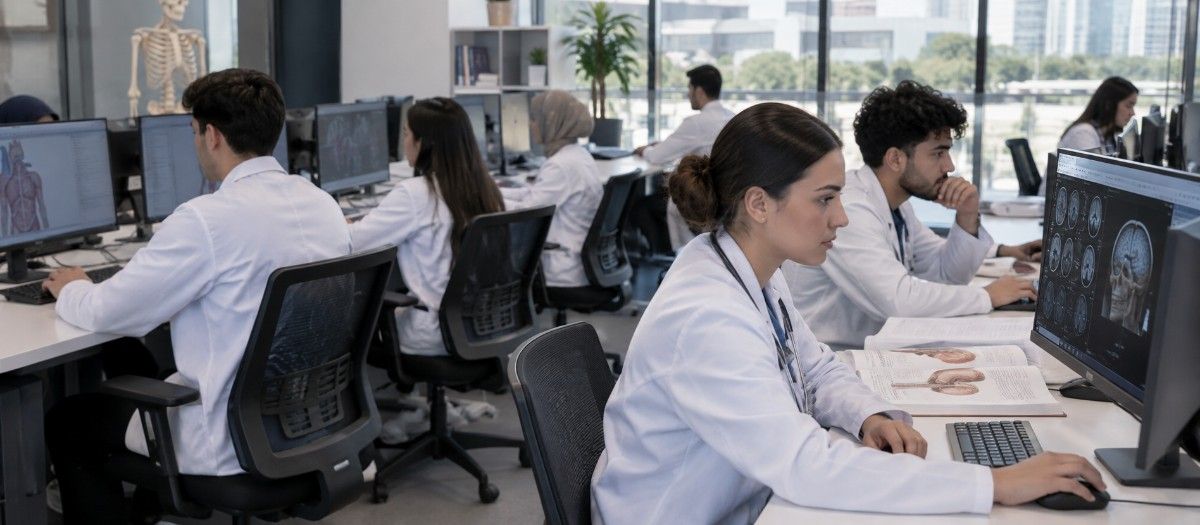
The Faculty of Medicine runs a six-year MD program. It's taught fully in English for foreign students. The structure follows a clear pattern. Years one and two cover basic theory. Year three shifts toward pre-clinical subjects. Years four and five bring full clinical training. Year six works as a hands-on internship. Total contact hours run past 5,500 across the program. About 70 per cent of teaching happens through hands-on practice. Only 30 per cent stay purely in the classroom. This practical bias sets Debrecen apart from more lecture-heavy schools.
Class sizes here stay fairly close-knit, too. The student-to-teacher ratio runs around eight to one. That's tighter than many larger medical schools offer. Students also pick up some Hungarian along the way. This starts around year three. It's not full fluency training. It just helps students talk with real patients during clinical rotations.
Clinical training runs through the University of Debrecen Clinical Centre. This centre is one of Hungary's largest hospitals. It holds well over 2,900 beds across its departments. Students train across dozens of specialities there. These include internal medicine, surgery, psychiatry, and paediatrics, among many others. The Faculty runs more than 40 basic science and clinical departments in total. This gives students real depth of exposure before they graduate.
Getting in here takes real work. A written and oral entrance exam is required. Biology is required. Students also choose either Chemistry or Physics as a second subject. There's no way around this exam. Even strong grades alone won't secure a place. Extra points do go toward language skill scores, though. Students who need more prep time have another option. A Basic Medicine Course exists just for this purpose. Students who pass it move directly into first-year Medicine, no separate exam required.
Tuition runs on the higher side among Eastern EU medical schools. The current published rate sits at $16,900 a year. This is paid in US dollars, per the university's own fee schedule. A non-refundable seat reservation fee applies too. It runs $2,000 but counts toward your total tuition, not on top of it. First-year students must pay the full year's tuition upfront. This is required to receive visa-supporting documents. From year two onward, students can often split payments into two installments.
Some good news on cost: scholarships do exist here. The UD International Scholarship Program offers real discounts. For Medicine specifically, discounts can reach up to 30 percent off first-year tuition. In later years, the discount is based on your academic results from the year before. This isn't full-ride funding, but it can meaningfully cut costs for strong students.
One clear advantage sets Debrecen apart from many peer schools: transfers are welcome here. Students from other medical schools can apply to join, with credit approval for prior coursework. This freedom isn't common among Eastern EU medical schools. Most either restrict transfers heavily or block them outright. That said, there's no graduate-entry or fast-track option. Every incoming student, transfer or not, still completes the full structured program.
Recognition here runs wide and well-documented. The UK's General Medical Council recognises this degree directly. Debrecen graduates don't need to sit the UK's PLAB exam to register there. That's a meaningful advantage for anyone eyeing a UK medical career. The World Health Organisation also lists the school through its global directory. Medical councils in Israel, Ireland, Iran, and Norway recognise the degree too. For Indian students, a qualifying exam is still required. Graduates can sit India's FMGE, or the newer NExT exam, to register back home.
Debrecen itself sits on Hungary's Great Plain. It's Hungary's second-largest city, behind only Budapest. Life here runs calmer and cheaper than in the capital. The city's Nagyerdő, or "Great Forest," borders much of the main campus. This gives the whole area a green, spacious feel rare for a mid-sized EU city. Student housing sits close to campus. It's often just a short walk from lecture halls and labs.
Weighing Debrecen against Hungary's other medical schools takes real thought. It's Hungary's oldest continuously operating English medical program, dating to 1986. It offers genuine transfer freedom that few competitors match. But right now, it's also simply closed to new Medicine applicants until the 2027 cycle opens. Families planning around Debrecen need to build that timeline in from day one. Don't assume rolling admission here, the way some other schools operate.
Support for foreign students runs through several channels here. The International Student Union organises regular events throughout the year. These include a Fresher's Ball for new arrivals each fall. An International Food Day lets students share dishes from home, too. This kind of community matters most in the early months. That's when everything feels new, from grocery shopping to navigating the local bus system. Having a built-in social network helps ease that transition.
Housing options sit close to the main campus. The university runs its own dormitories nearby. Rooms typically come furnished, with air conditioning and internet included. Many resemble a basic three-star hotel more than a bare student room. Kitchens are usually shared between residents on each floor. Some students choose private off-campus flats instead. This usually happens once they've settled in and found their footing in the city.