


University of Zielona Góra Faculty of Medicine and Health Sciences

General Information
The Faculty of Medicine and Health Sciences at the University of Zielona Góra (UZ) is one of Poland's youngest medical faculties, established in 2015. Despite its recent founding, it has rapidly developed into a modern hub for medical education in Western Poland. The university is a public institution, and its medical program is known for being highly practical, focusing on small-group clinical training and leveraging significant investments from the Lubuskie Voivodeship regional government.
General Info
- Primary Location: ul. Zyty 28, 65-046 Zielona Góra, Poland.
- Degree Awarded: Physician (Lekarz) / M.D. – 6-year Unified Master’s Program.
- Language of Instruction: Primarily Polish; select courses and Erasmus modules are available in English. (Full English Division status is periodically updated; check official 2026 registration portals for international tracks).
- Accreditation: Fully accredited by the Polish Accreditation Committee (PKA) and recognized by the WHO.
- Admission Requirements:
- Selection: Based on high school maturity exam results in Biology and Chemistry (extended level).
- Indian Students: Must be NEET qualified.
- Recruitment Timeline: For the session, the medical program registration typically ends by July 15.
- Intake: Approximately 60–100 seats per year for full-time medical studies.
Campus Facilities
The medical faculty operates across modern facilities that have been significantly upgraded since 2015.
- Multi-profile Medical Simulation Center (MCSM): Opened in 2021 at ul. Energetyków 2, this center provides high-fidelity training environments, including simulated operating rooms and delivery rooms.
- Collegium Medicum (Campus A): The main administrative and didactic hub located at Wojska Polskiego Ave, featuring modern lecture halls and computer labs.
- Medical Physics Laboratory: A specialized unit at the university hospital where students work with the latest dosimetry and diagnostic equipment.
- Department of Anatomy & Histology: Features modern dissection rooms and multimedia tools for the study of morphology.
- Virtual VR Training Station: Integrates virtual reality software to allow students to practice complex clinical cases and diagnostic procedures.
- Center for Scientific Research: Focuses on molecular biology and internal medicine, providing opportunities for students to join scientific circles.
- Modernized Lecture Theaters: High-definition audio-visual systems at the Podgórna Campus for interactive large-group lectures.
- University Sports Center: Located on Campus A, providing fitness gyms, sports halls, and outdoor fields for student use.
- Library of the University of Zielona Góra: Houses a vast collection of medical journals and provides remote access to international databases like PubMed.
- Welcome Center: A dedicated support office for international students and Erasmus+ participants to assist with residency and university life.
Hospital & Medical Facilities
Leading tertiary care hospital attached to the institution
The primary clinical base for the faculty is the Karol Marcinkowski University Hospital in Zielona Góra, a large 12-hectare complex.
- Clinical Intensive Care Unit: A major training ground for anesthesiology and emergency medicine rotations.
- Surgical Wards: Students rotate through specialized units including general surgery, neurosurgery, and orthopedics.
- Pediatric Clinic: Offers comprehensive exposure to childhood diseases and neonatal care.
- Regional Oncology Center: Provides advanced training in diagnostics, radiotherapy, and oncological surgery.
Fee Structure
State University Affordability
The following estimates are for the academic sessions.
Scholarships
- Rector’s Scholarship: Awarded to top-performing students (high GPA) or those with significant scientific/artistic achievements.
- Social Scholarship: Financial assistance for students in documented difficult material situations (income-dependent).
- Disability Grant: Monthly financial support based on a recognized degree of disability.
- Erasmus+ Grants: Funding for students who complete part of their studies or clinical practice at partner universities across Europe.
- Emergency Grant: A one-time payment for students facing a sudden life crisis or unexpected financial hardship.
City Details
- The Vibe: A medium-sized, safe, and green city in Western Poland. It is famous for its Palm House and annual Grape Harvest Festival (Winobranie).
- Connectivity:
- Air: Zielona Góra-Babimost Airport (IEG) has links to Warsaw. Many students also use Berlin Airports (BER), which are only 1.5 - 2 hours away.
- Rail: Direct train connections to Berlin, Warsaw, and Poznań.
Hostel & Mess
- Accommodation: The university offers six dormitories across two campuses. Medical students often stay in Ziemowit or Wcześniak. Rooms are shared (double/triple) with high-speed internet.
- Dining: There is no mandatory mess plan. Students use on-campus canteens or shared dormitory kitchens.
- Vibe: Zielona Góra is known as the "Wine City" of Poland. It has a high density of green areas and a very relaxed, safe atmosphere for students.
- Clubs: Over 30 student scientific circles exist within the medical faculty, allowing early involvement in research and clinical case studies.
Miscellaneous
- Admission Timeline: Recruitment typically opens in May/June and concludes with ranking lists in late July.
- Documentation: International students must provide Apostille or legalization for their high school certificates and a medical certificate confirming fitness for medical studies.
Collage Images Gallery

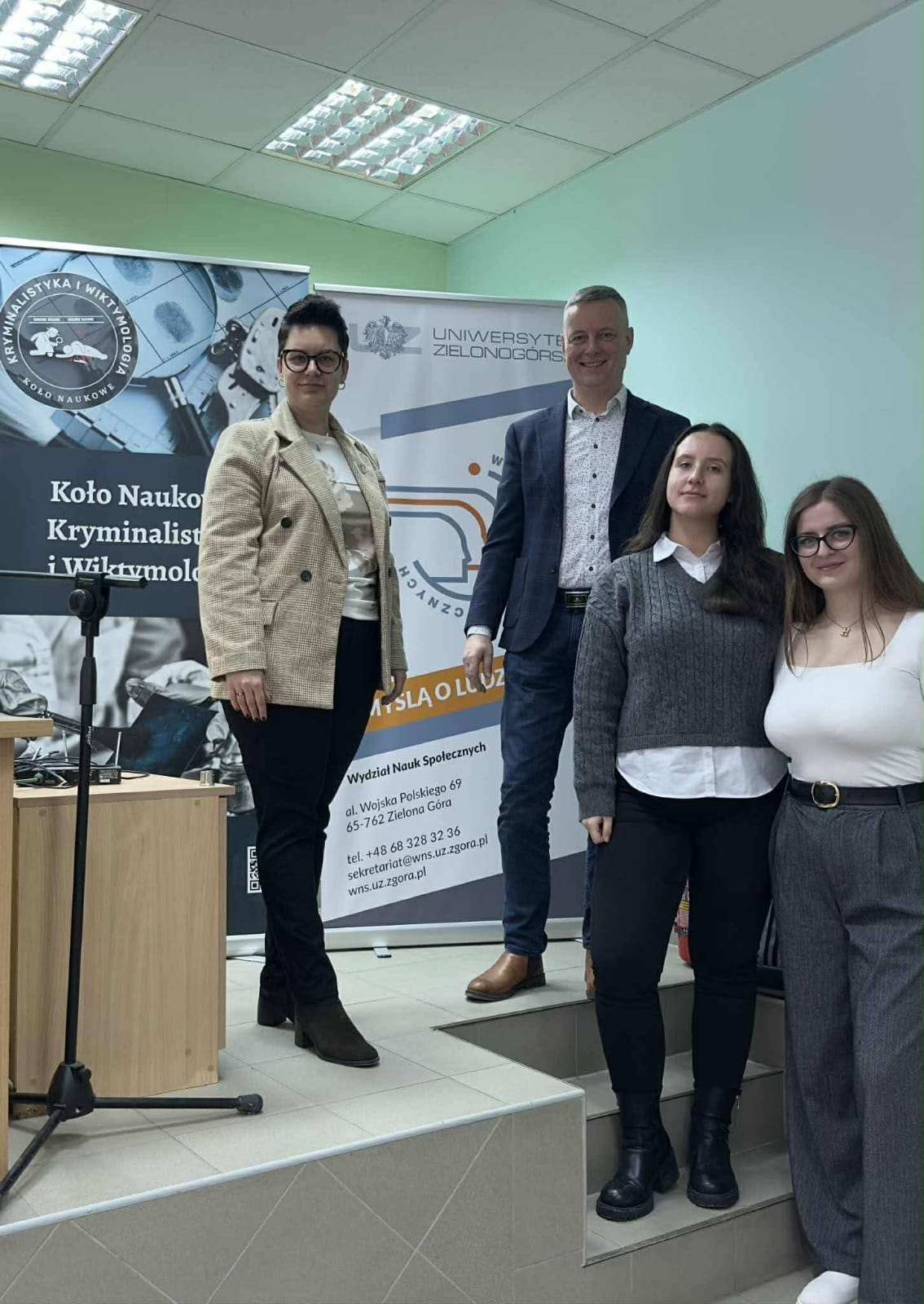
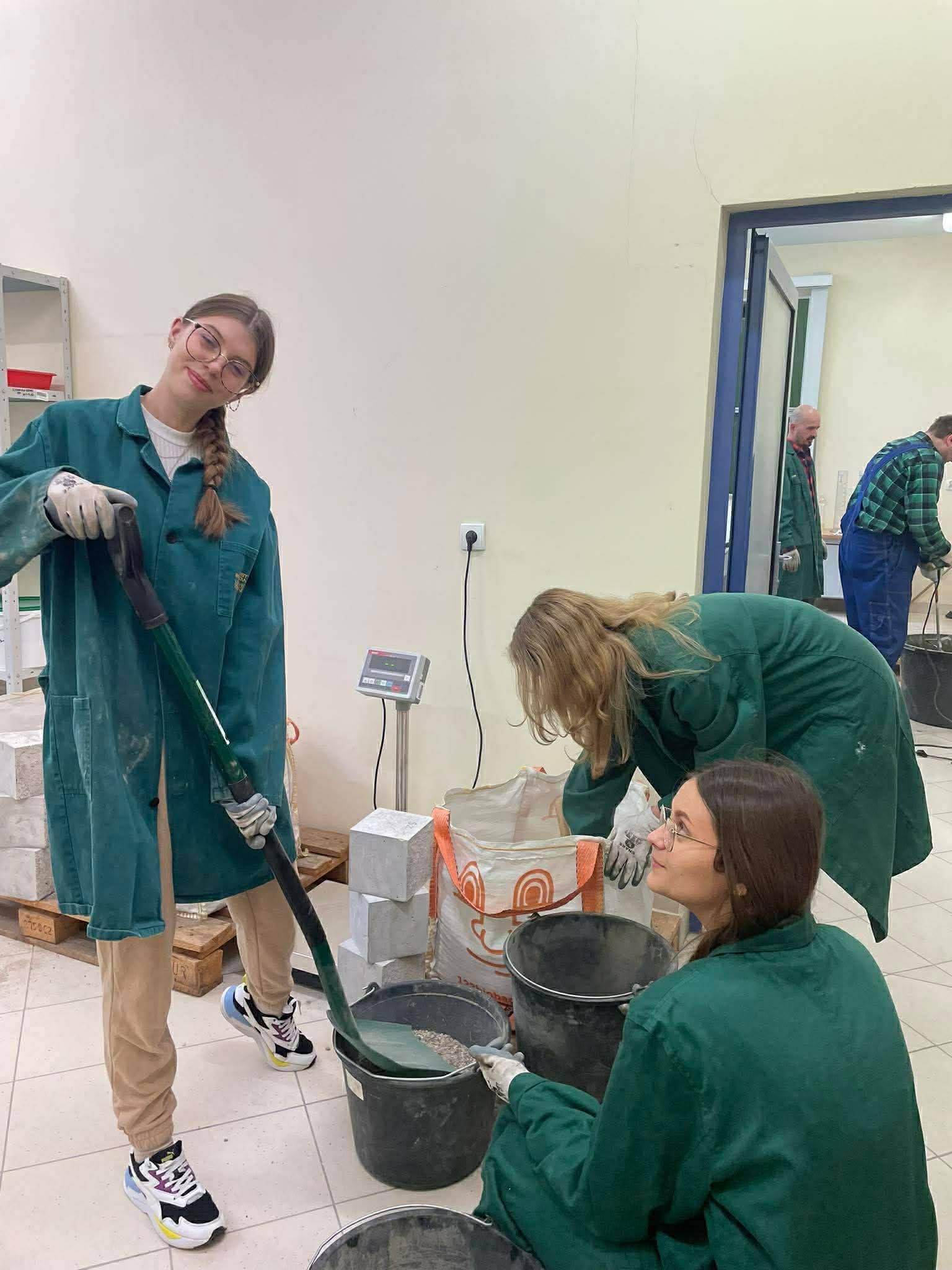
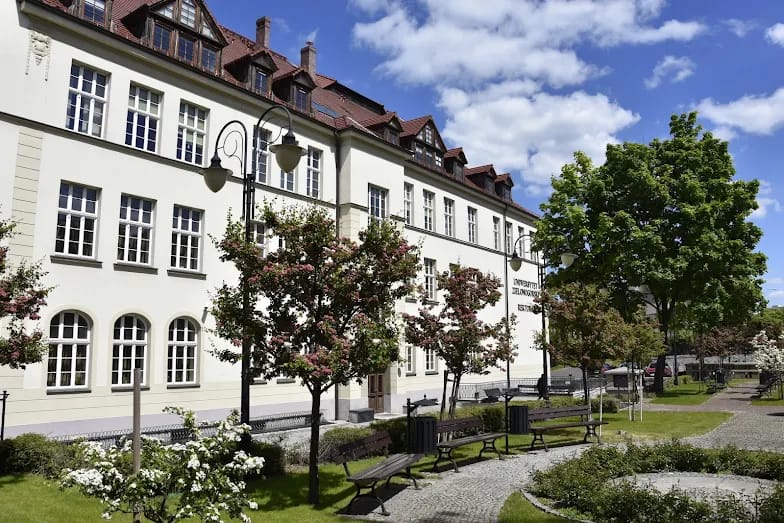
Facilities & Campus Life

Well-equipped Library

Experienced Faculty

Computer Lab

Sports Activities

Heritage Campus


Frequently Asked Questions
Why Consult With Us?
- 15+ years of experience in medical education counseling
- 5000+ students successfully guided
- 50+ partner universities worldwide
- Free initial consultation with no obligation