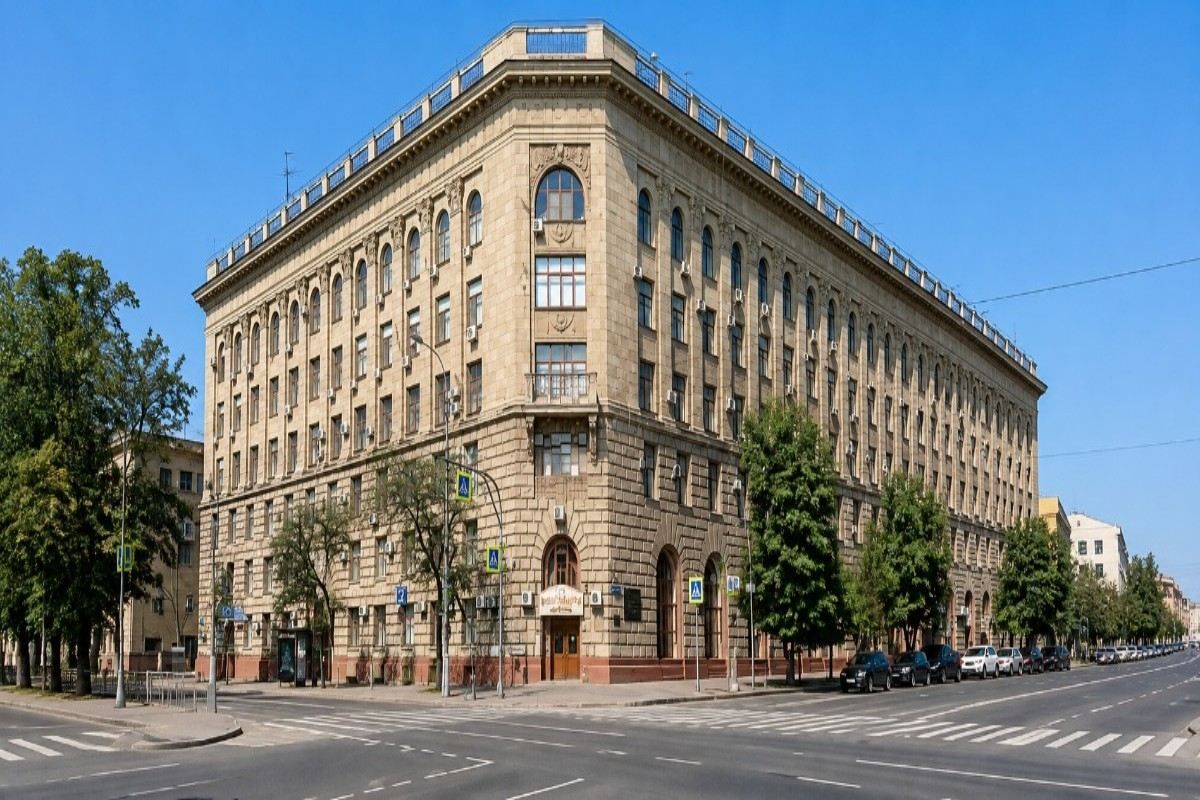
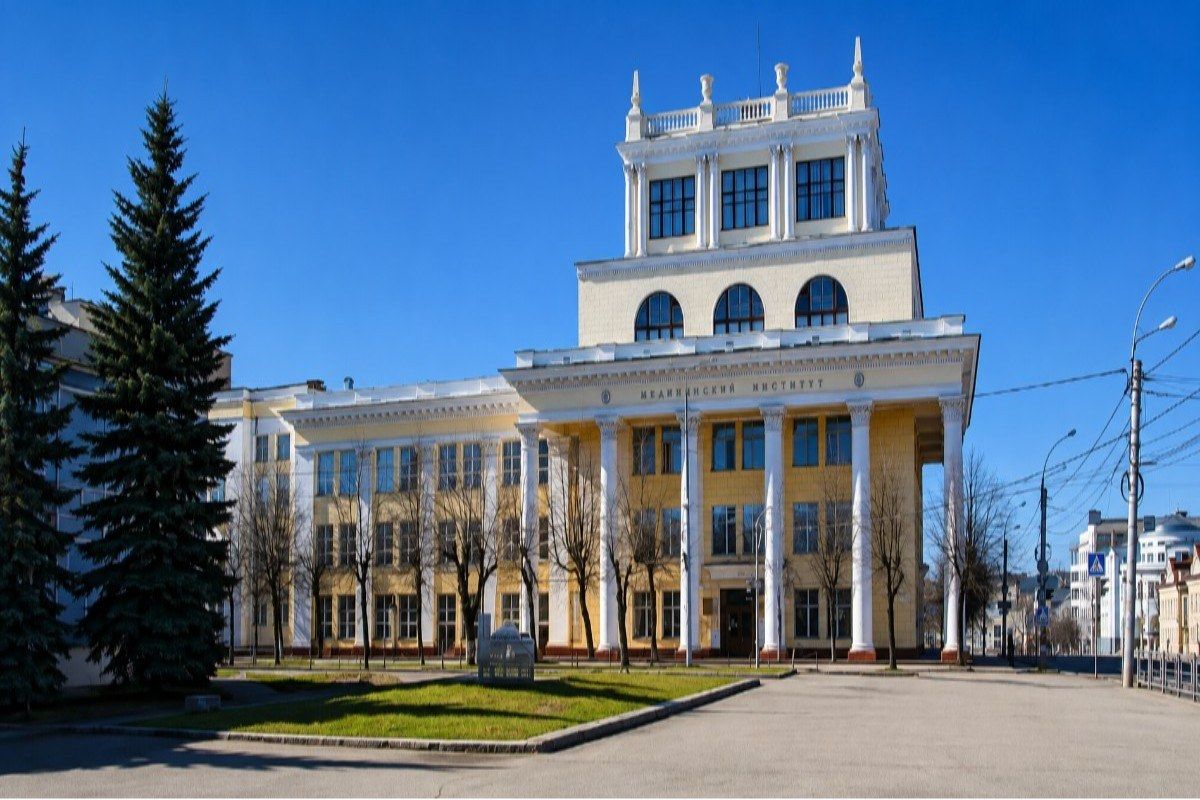
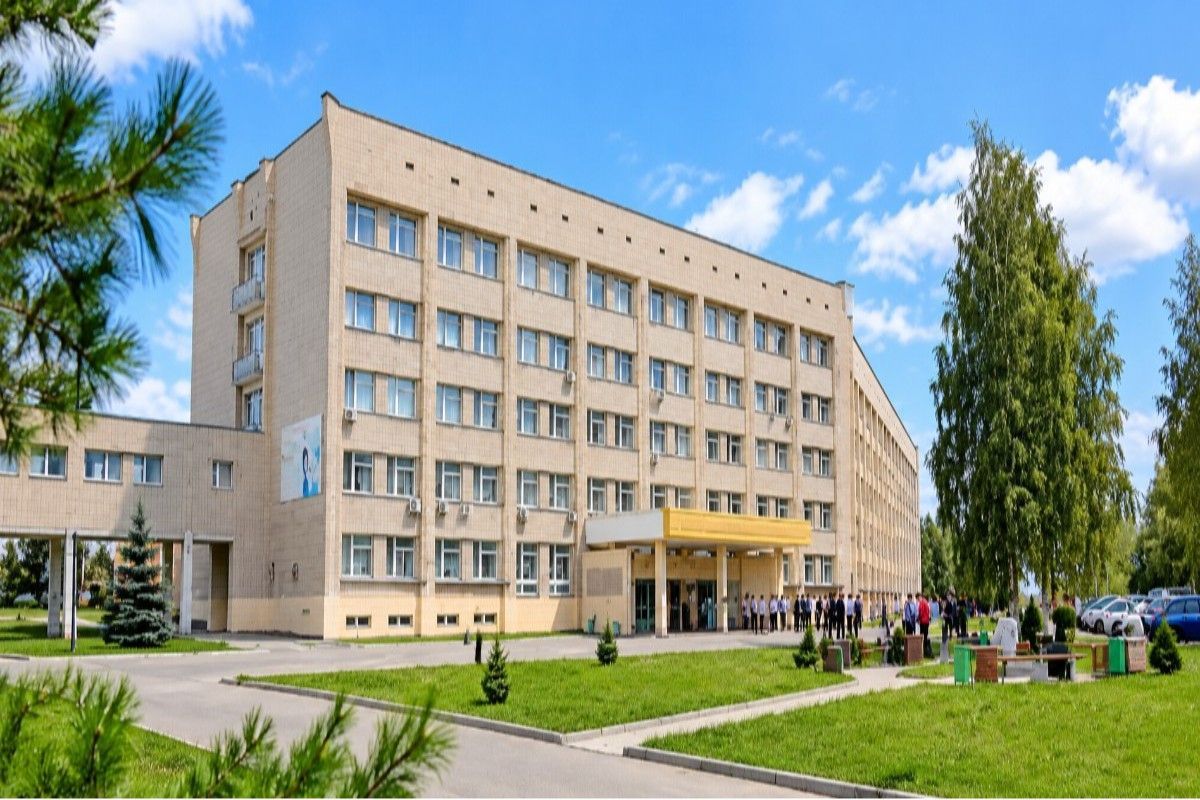
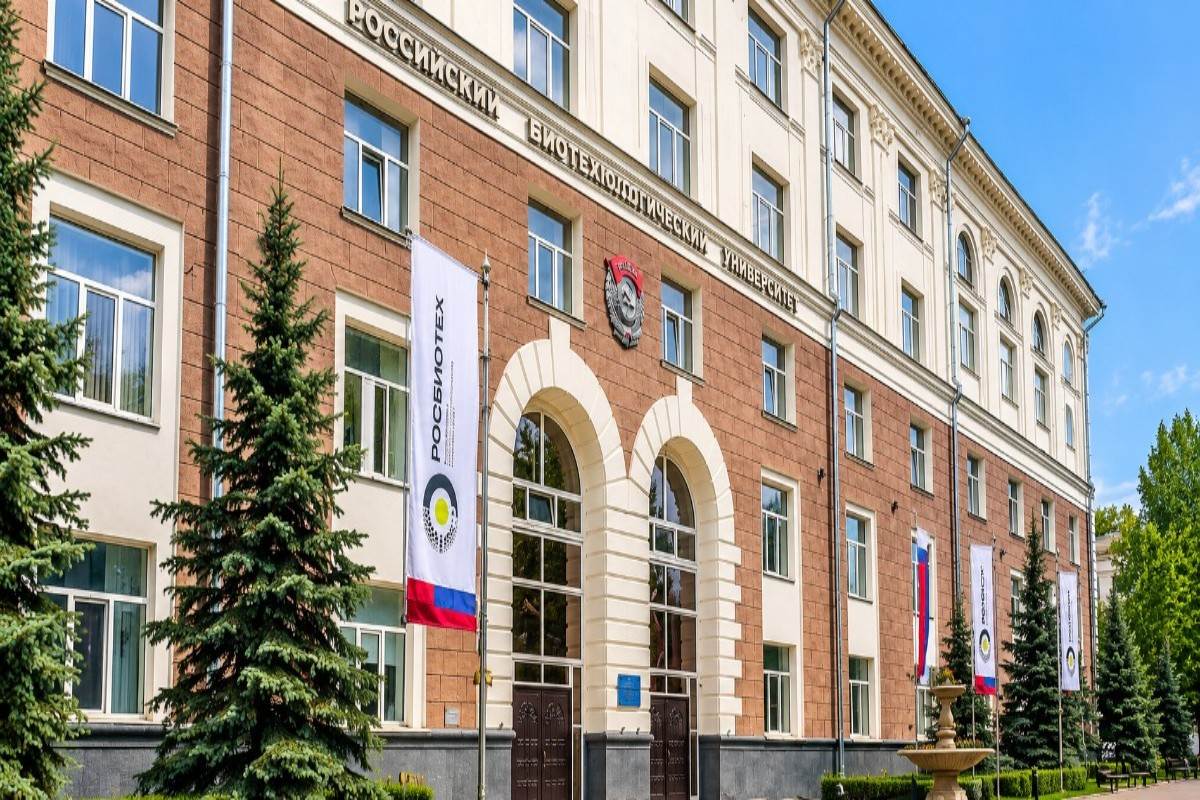
VolgSMU is the short form of Volgograd State Medical University. It is situated in Volgograd, Russia, and welcomes students from different countries. The university operates under the Ministry of Healthcare of the Russian Federation. The Stalingrad State Medical Institute was established in 1935. In 1993, the institution changed its name to Volgograd State Medical Academy, and in 2003, it became a university. Today, the university provides medical education, advanced medical training, and opportunities for scientific research.
The Faculty of General Medicine is one of the important parts of the university. It offers the Specialist programme 31.05.01 General Medicine. The programme lasts 6 years of full-time study and is worth 360 credits. The university does not use the title “MBBS” used in India, but awards the qualification of Medical Doctor (District Therapist). International students can study through a language-mediated track, although the exact English-medium delivery should be confirmed for the intended intake.
The university has a long history of educating international students. According to VolgSMU's foreign office, students from other countries have been able to study at the university since 1962. More than 3,000 international students from 61 countries were reported for the 2024–25 academic year. The university also states that more than 4,500 of its graduates work in more than 127 countries. However, the international reach of graduates should not be treated as a guarantee of professional licensing in any particular country.
Clinical education is an important part of the General Medicine programme. University departments use clinics, hospitals, and other specialised healthcare facilities as clinical sites. The Therapy Department teaches at several locations, including Clinical Hospital No. 7 and Clinical Hospitals Nos. 4, 11, and 12. Other departments use facilities such as the Volgograd Regional Clinical Infectious Diseases Hospital and emergency care facilities. This gives students opportunities to gain practical experience beyond the classroom.
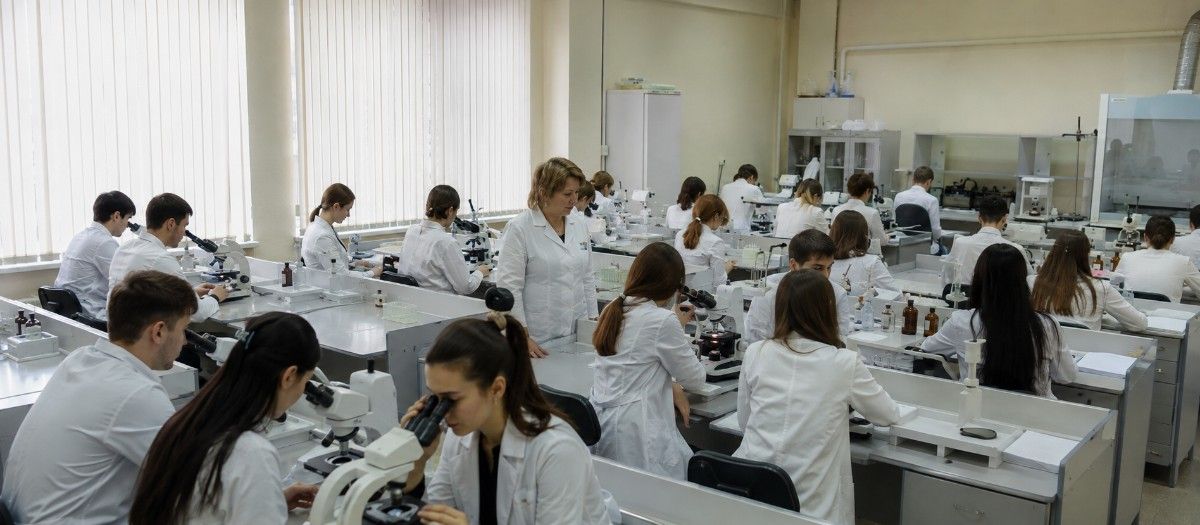
The university has also developed simulation and electronic medical education facilities. A Center for Electronic Medical Education and a Simulation Center were opened in 2021 and 2022. General Medicine materials state that clinical skills are practised in “phantom classrooms,” simulation centres, and at the bedside. Students can also use online information systems, professional databases, and electronic learning tools as part of their education.
Research is another part of the university's academic environment. Its research facilities include the Center for Clinical Research, the Scientific Center for Innovative Medicines with facilities for pilot production, and the Center for Sharing Scientific Equipment. Research areas include drug development, regenerative medicine, clinical research, and biomedical science. Research-based activities are also incorporated into the General Medicine programme to help students develop an understanding of scientific study.
VolgSMU also maintains international links through academic exchange programmes and partnerships. Its international student section includes summer schools, internships, conferences, university events, and opportunities for academic mobility. These activities can give students opportunities to exchange ideas, build academic connections, and take part in short-term programmes. However, such opportunities should not be confused with a full scholarship covering the complete six-year medical programme.
The university also provides support for international students with matters such as health insurance, appointments, admission documentation, and visa-related procedures. Students from other countries generally need the appropriate visa to study in Russia. After arrival, international students must complete the required migration registration and other procedures according to university instructions.
Volgograd offers a different student environment from larger Russian cities such as Moscow and St. Petersburg. VolgSMU is located at 1 Fallen Fighters Square in the centre of Volgograd. The campus includes accommodation, sports facilities, administrative offices, and student spaces. These facilities form an important part of student life.
Here is the full cost breakdown for the six-year programme. These figures include tuition and the main estimated living expenses rather than looking at tuition alone:
Cost Item | Per Year | 6-Year Total Approx. |
Tuition Fee | RUB 480,000 / ≈ $5,031 / ≈ ₹5.51 lakh | RUB 2,880,000 / ≈ $30,186 / ≈ ₹33.08 lakh |
Hostel/Accommodation | RUB 45,000–90,000 / ≈ $472–$943 / ≈ ₹51,687–₹1.03 lakh | RUB 270,000–540,000 / ≈ $2,832–$5,658 / ≈ ₹3.10–₹6.20 lakh |
Food | RUB 90,000–150,000 estimated / ≈ $943–$1,572 / ≈ ₹1.03–₹1.72 lakh | RUB 540,000–900,000 / ≈ $5,658–$9,432 / ≈ ₹6.20–₹10.34 lakh |
Insurance | RUB 15,000–25,000 estimated / ≈ $157–$262 / ≈ ₹17,229–₹28,715 | RUB 90,000–150,000 / ≈ $943–$1,572 / ≈ ₹1.03–₹1.72 lakh |
Miscellaneous | RUB 30,000–60,000 estimated / ≈ $315–$629 / ≈ ₹34,458–₹68,916 | RUB 180,000–360,000 / ≈ $1,887–$3,774 / ≈ ₹2.07–₹4.13 lakh |
Total Estimated | RUB 660,000–805,000 / ≈ $6,918–$8,438 / ≈ ₹7.58–₹9.25 lakh | RUB 3,960,000–4,830,000 / ≈ $41,509–$50,629 / ≈ ₹45.48–₹55.48 lakh |
Note: Hostel rates are based on the latest publicly indexed foreign-student schedule available in the source document. The 2026–27 hostel rate is not publicly specified. Food, insurance, and miscellaneous expenses are estimates and may vary according to individual spending and living arrangements.
Why Volgograd State Medical University Deserves a Harder Look Than You've Given It
Many students looking at medical universities in Russia focus mainly on tuition fees. However, VolgSMU deserves to be considered from a wider perspective because the General Medicine programme combines classroom education with clinical training, simulation facilities, research, and an established international student environment.
One of the strongest points is the university's clinical network. Students are not limited to a single classroom or hospital building. University departments use several hospitals and specialised healthcare facilities across Volgograd. This gives students exposure to different clinical departments and healthcare settings as they progress through the programme.
The university has also invested in simulation-based medical education. The Center for Electronic Medical Education and Simulation Center provide facilities where students can practise clinical skills before and alongside bedside training. This combination of simulation and clinical exposure can help students gradually develop practical skills.
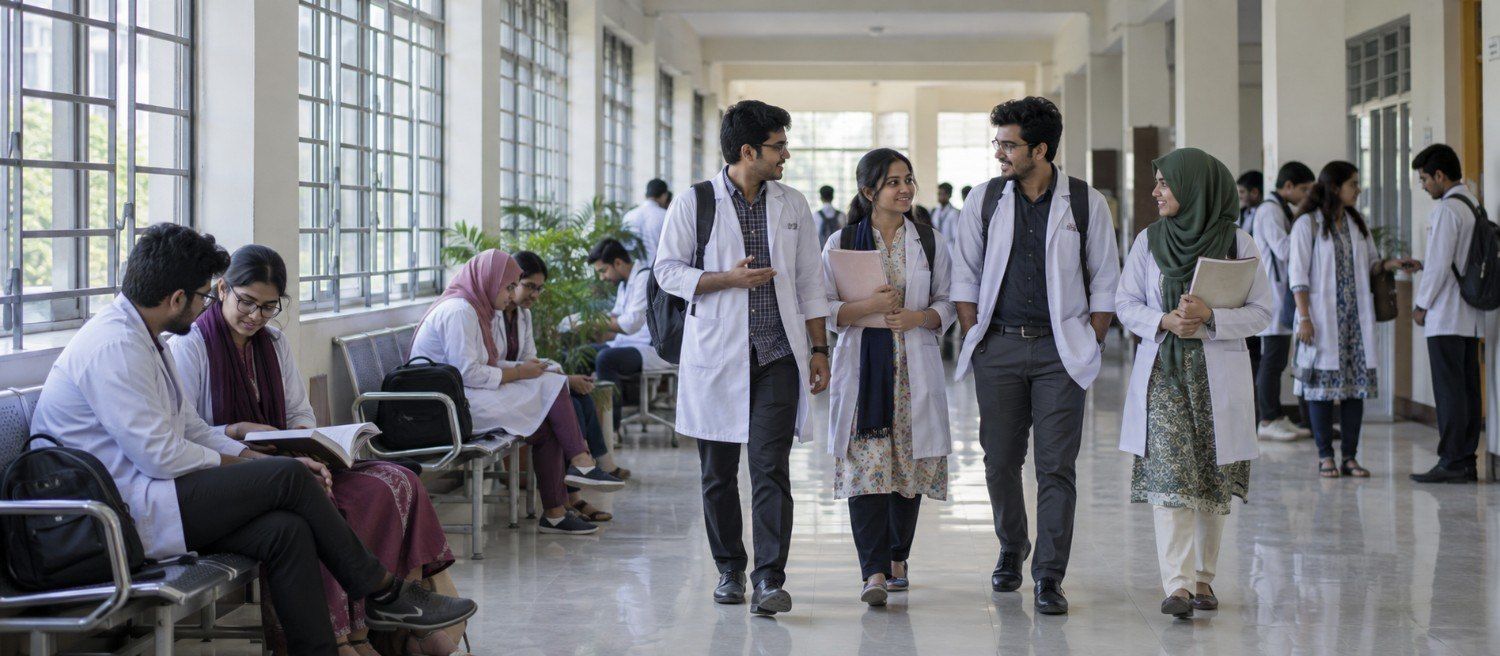
Another point worth considering is the university's international environment. VolgSMU reports more than 3,000 international students from 61 countries in the 2024–25 academic year. The university also has an international-student administration that assists with admission, visa-related procedures, insurance, and registration.
Research is another part of the university's academic environment. Facilities dedicated to clinical research, innovative medicines, scientific equipment, drug development, and regenerative medicine provide a research-oriented setting alongside medical education.
At the same time, students should not make their decision based only on international student numbers, rankings, or graduate destinations. Indian students especially need to check the exact course structure, medium of instruction, internship arrangement, foreign licensing requirements, and current NMC rules before enrolling.