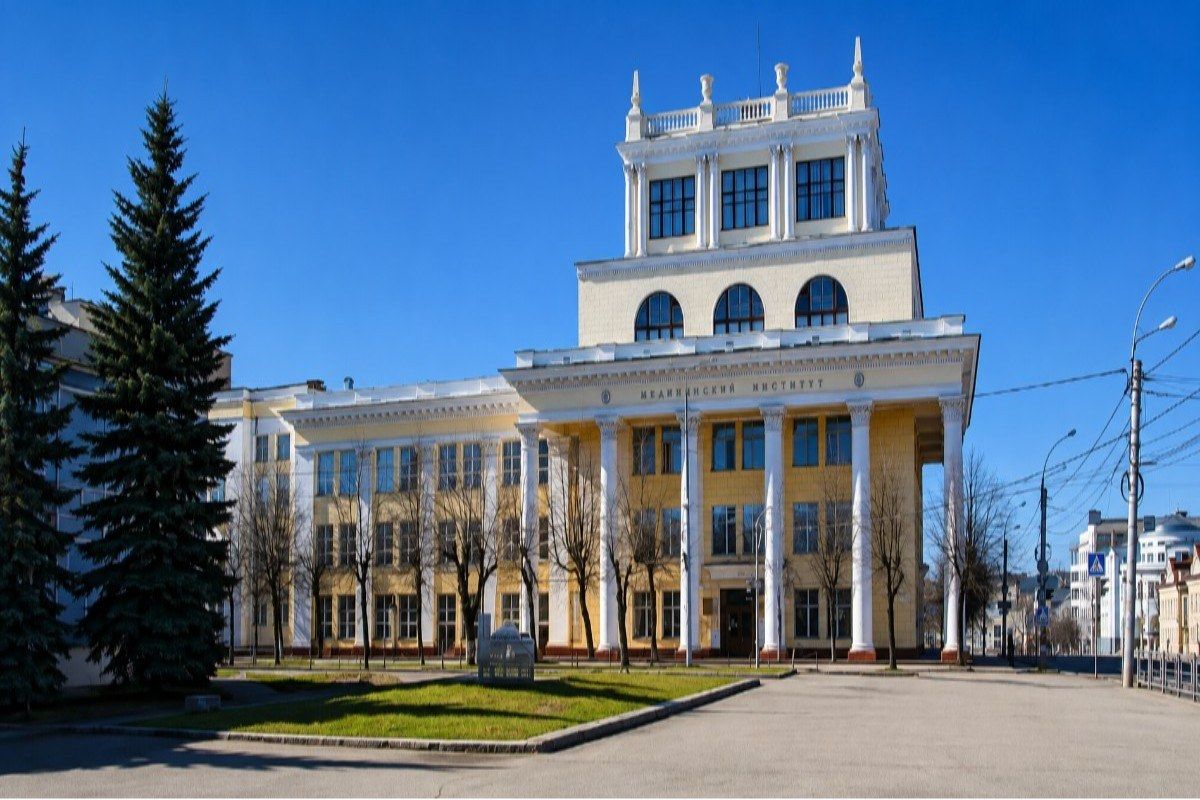
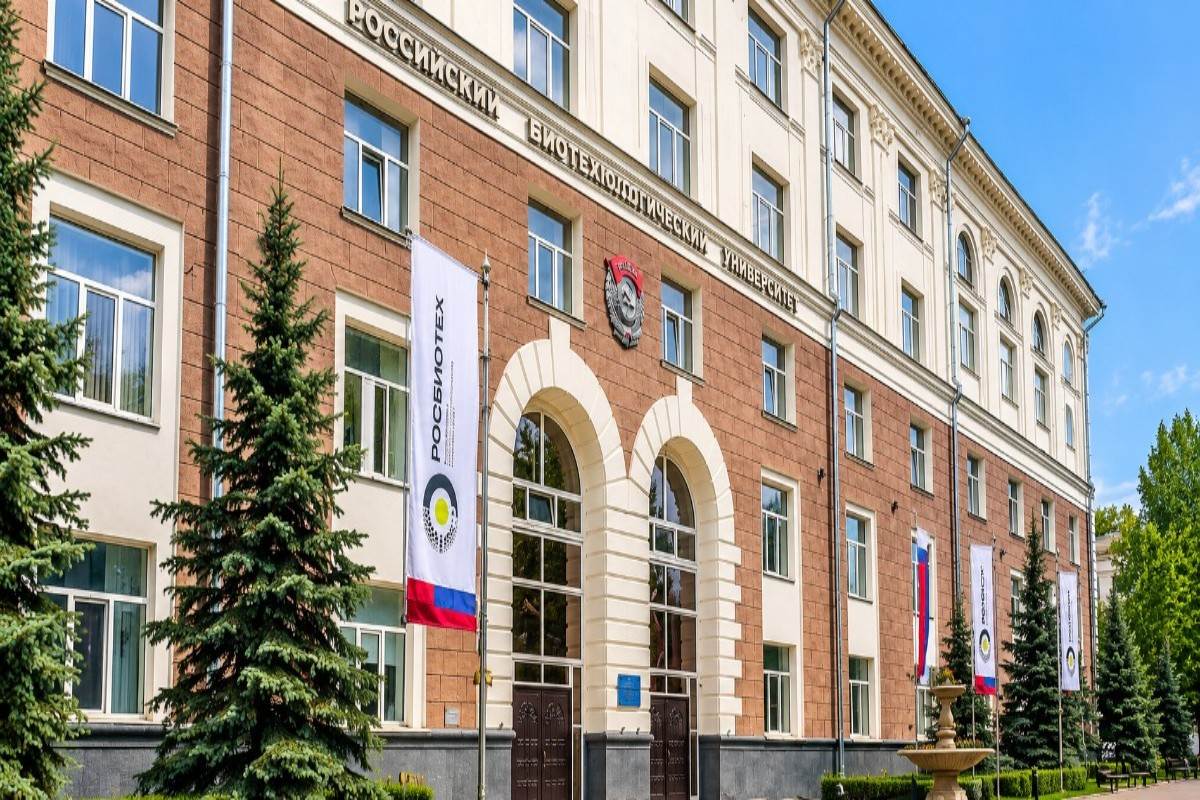
Voronezh State Medical University, often called VSMU, is a respected centre for medical learning in Russia. It is named after Nikolai Nilovich Burdenko. He was a famous surgeon and one of the fathers of Russian neurosurgery. The university is located in the city of Voronezh, which sits in the southwest part of the Russian Federation. Because it is a state institution, the Ministry of Health of the Russian Federation manages its operations.
This school has a long and interesting history that stretches back many years. It began its life as the Imperial University of Dorpat. In 1918, the school moved to Voronezh to continue its work. By 1930, the medical department had grown large enough to become its own independent school. Since then, it has grown into a top choice for students who want to work in healthcare. Today, VSMU is home to more than 8,000 students. The university consists of a main study centre along with eight different schools and colleges.
The Faculty of General Medicine is the oldest part of the university. It is also the largest department on the campus. The main focus here is General Medicine, which is identified by the code 31.05.01. This is a detailed programme that takes six full years to complete. VSMU offers this specific course in two languages. Students can choose to study in either Russian or English. Looking ahead to the 2026–2027 school year, the university will offer a special track taught only in English. To get into this track, students must pass entrance exams. These tests check their knowledge of both English and the sciences.
The lessons in this faculty follow a clear path. In the beginning, students focus on the basic sciences. They learn how these sciences apply to the human body and medical care. As they move into the middle years of the programme, the focus changes. They begin to learn how to find out what is wrong with a patient. They also study the best ways to care for and treat various illnesses. The list of subjects in the General Medicine course includes laboratory tests, clinical pharmacology, emergency medicine, and preventive care. This curriculum provides the knowledge and skills that a new doctor needs to develop.
Hands-on training is an important part of education at VSMU. The Faculty of General Medicine has strong ties with many medical centres. These include hospitals, clinics, and diagnostic centres in the Voronezh area. One of the main places where students train is the Voronezh Children’s Treatment Hospital. They also spend time at the Road Clinical Hospital and various emergency hospitals. There is also a regional hospital that focuses on infectious diseases. Because students move between different facilities, they see many different types of patients. This variety helps them gain experience before they graduate and learn how to respond to different medical situations.
The training for adult medicine is thorough. It covers much more than basic surgery or internal medicine. Students also study neurology, psychology, and infectious diseases. Emergency care is another major part of the programme. VSMU believes that a good doctor should be able to handle many different health problems. This is why students do not stay in one classroom or one clinic. They rotate through different healthcare facilities across the city, giving them a broader view of how a real medical system works.
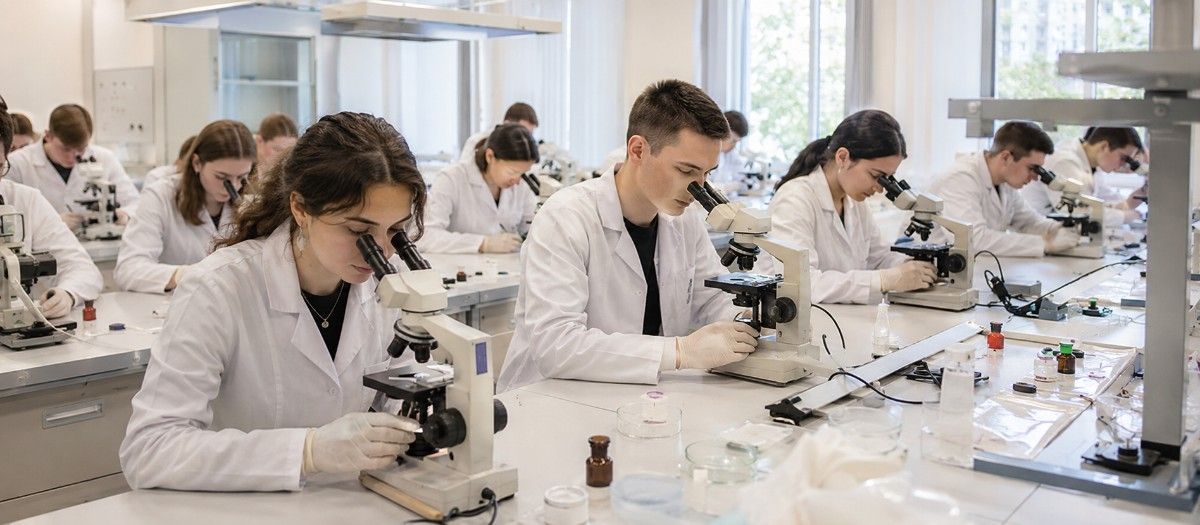
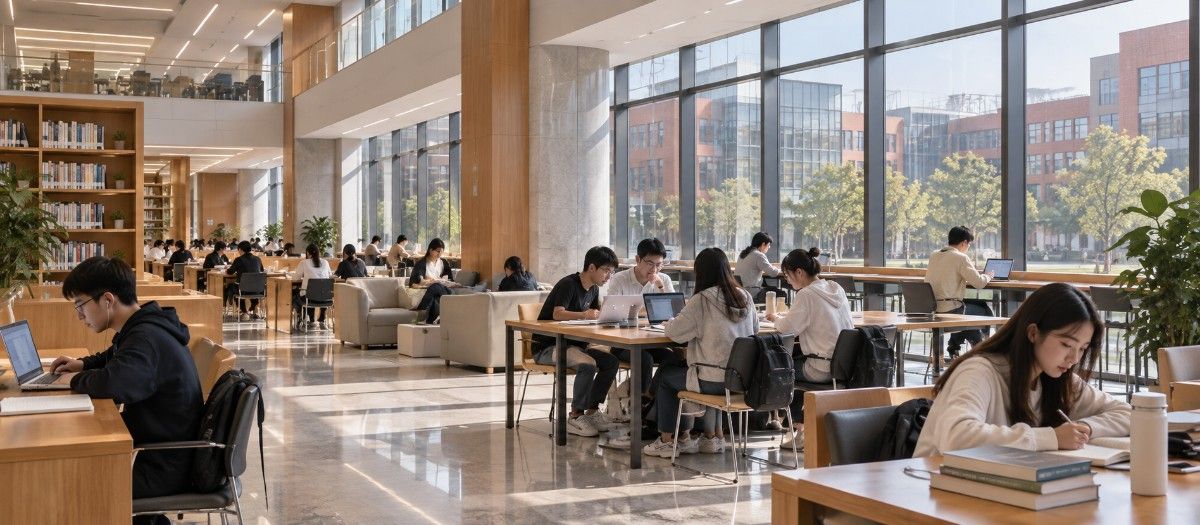
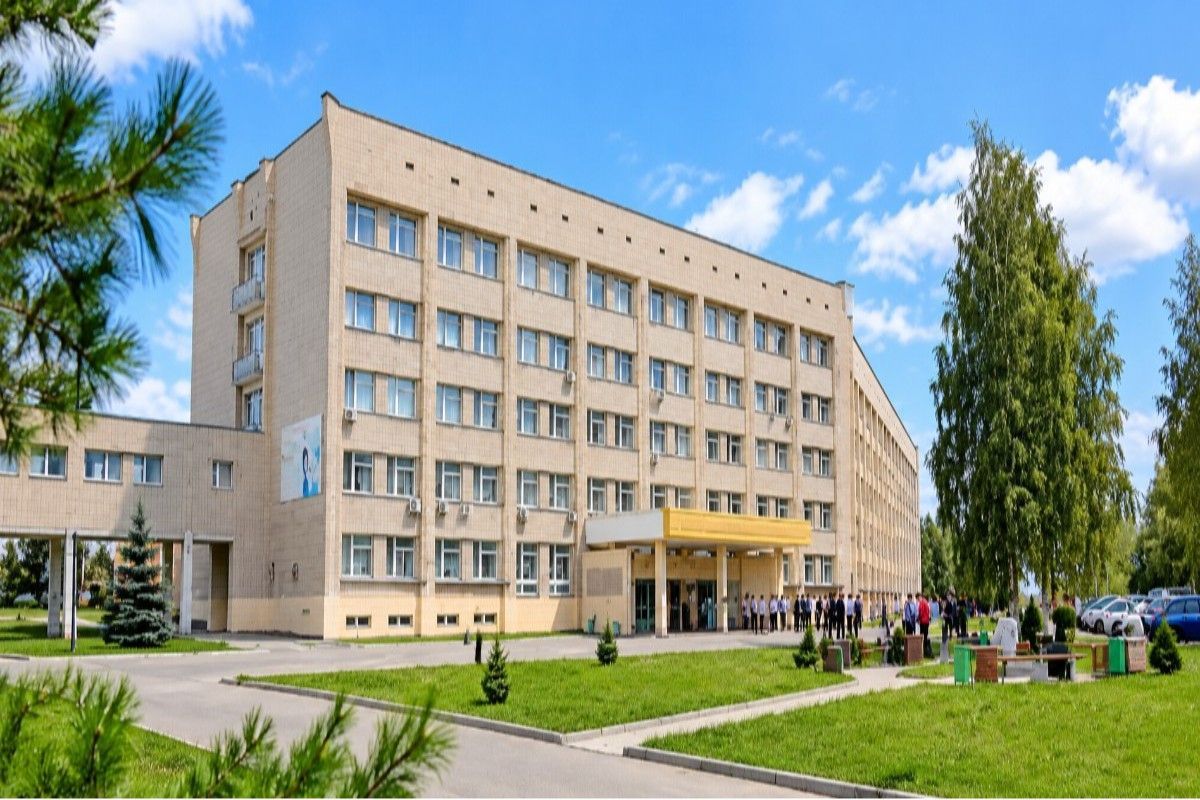
To support these lessons, the university provides a range of educational resources. There are more than 1,000 staff members working in teaching and research. Many of these people are professors or hold PhD degrees. The university has five main buildings, each containing classrooms, study rooms, and computer labs. There are also rooms equipped with medical tools where students can practise their skills. One of the university's major resources is its library, which contains almost 700,000 books and other study materials. Students use these resources for their regular studies as well as for difficult research tasks.
Research is also a major part of the student experience at VSMU. Faculty members work on projects in medicine and science, and students are invited to join study groups that match their interests. The Faculty of General Medicine encourages this kind of academic work. It gives students an opportunity to learn beyond their textbooks and experience the academic side of medicine. By taking part in research, students can develop problem-solving skills and gain a deeper understanding of medical science.
Here is the full cost breakdown for the six-year programme:
Cost Item | Per Year (USD / INR) | 6-Year Total (INR approx.) |
Tuition Fee | RUB 465,000 / ≈ $4,874 / ≈ ₹5.34 lakh | RUB 2,790,000 / ≈ $29,244 / ≈ ₹32.05 lakh |
Hostel/Accommodation | RUB 80,000 / ≈ $839 / ≈ ₹91,888 | RUB 480,000 / ≈ $5,034 / ≈ ₹5.51 lakh |
Food | RUB 90,000–150,000 / ≈ $943–$1,572 / ≈ ₹1.03–₹1.72 lakh | RUB 540,000–900,000 / ≈ $5,658–$9,432 / ≈ ₹6.20–₹10.34 lakh |
Insurance | RUB 15,000–25,000 / ≈ $157–$262 / ≈ ₹17,229–₹28,715 | RUB 90,000–150,000 / ≈ $943–$1,572 / ≈ ₹1.03–₹1.72 lakh |
Miscellaneous | RUB 30,000–60,000 / ≈ $315–$629 / ≈ ₹34,458–₹68,916 | RUB 180,000–360,000 / ≈ $1,887–$3,774 / ≈ ₹2.07–₹4.13 lakh |
Total Estimated | RUB 680,000–825,000 / ≈ $7,128–$8,648 / ≈ ₹7.81–₹9.48 lakh | RUB 4,080,000–4,950,000 / ≈ $42,767–$51,890 / ≈ ₹46.86–₹56.86 lakh |
Note: Hostel accommodation is based on the latest publicly indexed foreign-student schedule. The 2026–27 rate is not publicly specified. Food, insurance, and miscellaneous expenses are estimated and may vary depending on individual spending and living arrangements.
Why Voronezh State Medical University Deserves a Harder Look Than You've Given It
Many students looking at medical universities abroad focus mainly on the course and tuition fee. However, VSMU offers several other aspects that are worth considering.
The Faculty of General Medicine has a long history and is described as the oldest and largest faculty at the university. The six-year General Medicine programme follows a structured path from basic medical sciences to clinical education. Students gradually move from foundational subjects into diagnosis, treatment, emergency medicine, preventive care, and practical training.
Clinical exposure is another important part of the university. Students train through a network of hospitals, clinics, diagnostic centres, and other healthcare facilities in Voronezh. This includes the Voronezh Children’s Treatment Hospital, Road Clinical Hospital, emergency hospitals, and a regional infectious-disease hospital. Moving between different facilities gives students exposure to different medical situations and patient groups.
The university also provides resources that support both academic learning and practical training. Its teaching staff includes more than 1,000 members, while its library contains almost 700,000 books and other study materials. Students also have access to computer laboratories and rooms equipped with medical tools for practice.
Research provides another part of the university experience. Students can join study groups and participate in research activities alongside faculty members. This gives them an opportunity to explore medical subjects beyond the standard classroom curriculum.
For international students, the availability of an English-medium track is an important consideration. VSMU states that General Medicine can be studied in Russian or English, with a special English-only track planned for the 2026–2027 academic year. Students should confirm the exact language of teaching, clinical placements, and assessments for their intended intake before enrolling.