
1.Is this program taught in English?
+Yes, fully English-medium.
 Philippines | Est. 1958
Philippines | Confirmed on CHED's approved medical schools list. Holds PAASCU accreditation as a Center of Development in medical education, cross-referenced via Wikimapia and Weill Cornell's institutional directory. | English. medium
Expert will call you within 2 hours
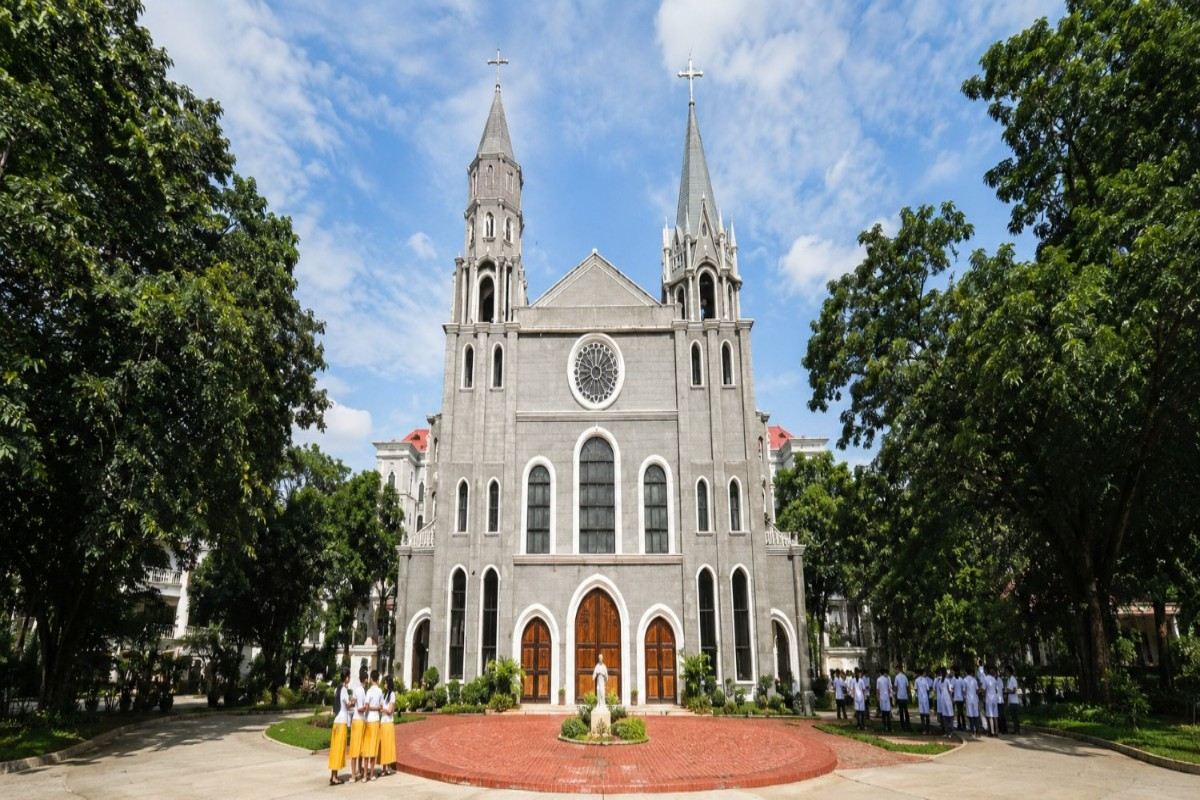
Xavier University is in the city of Cagayan de Oro in northern Mindanao. Xavier Ateneo, or just "XU," is one of the most popular names for it. The university is run under the Jesuit name because it is a private Jesuit, Catholic, and Filipino school. 1958 is the year when the story starts. This year, Fr. is the president of the university. Diego Francisco Z. Araneta made a promise on his own. Prior to the graduation event on March 22, that year, he promised St. Francis Xavier that he would change the name of the school to honor the saint if Ateneo de Cagayan became a full university. In the end, the university was able to reach that level. Since then, it has been known as Xavier University.
The medical school is in the Dr. Jose P. Rizal School of Medicine, which is part of this bigger university. It was named for the Philippines' national hero, who was both a doctor and a writer whose work helped start the armed struggle for freedom in the Philippines. It is very clear what the school wants to achieve: its graduates will carry Rizal's deep love for life, country, and especially the poor into their careers as doctors. With this goal in mind, the whole school's approach is formed. Its main goal is to train doctors who are good at their jobs, have strong morals, and really care about helping people who don't get enough care. These ideas come straight from the Jesuit teaching tradition that runs through Xavier University as a whole.
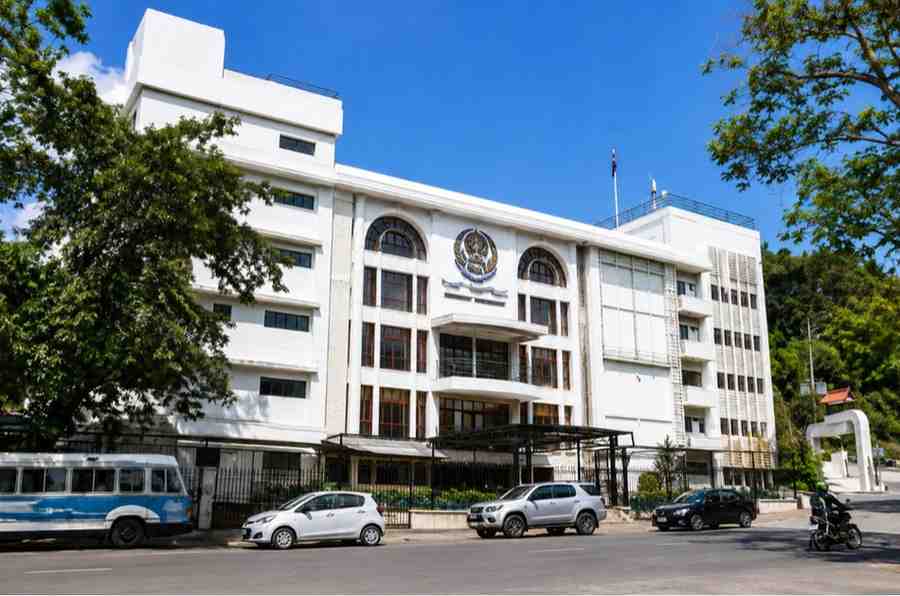
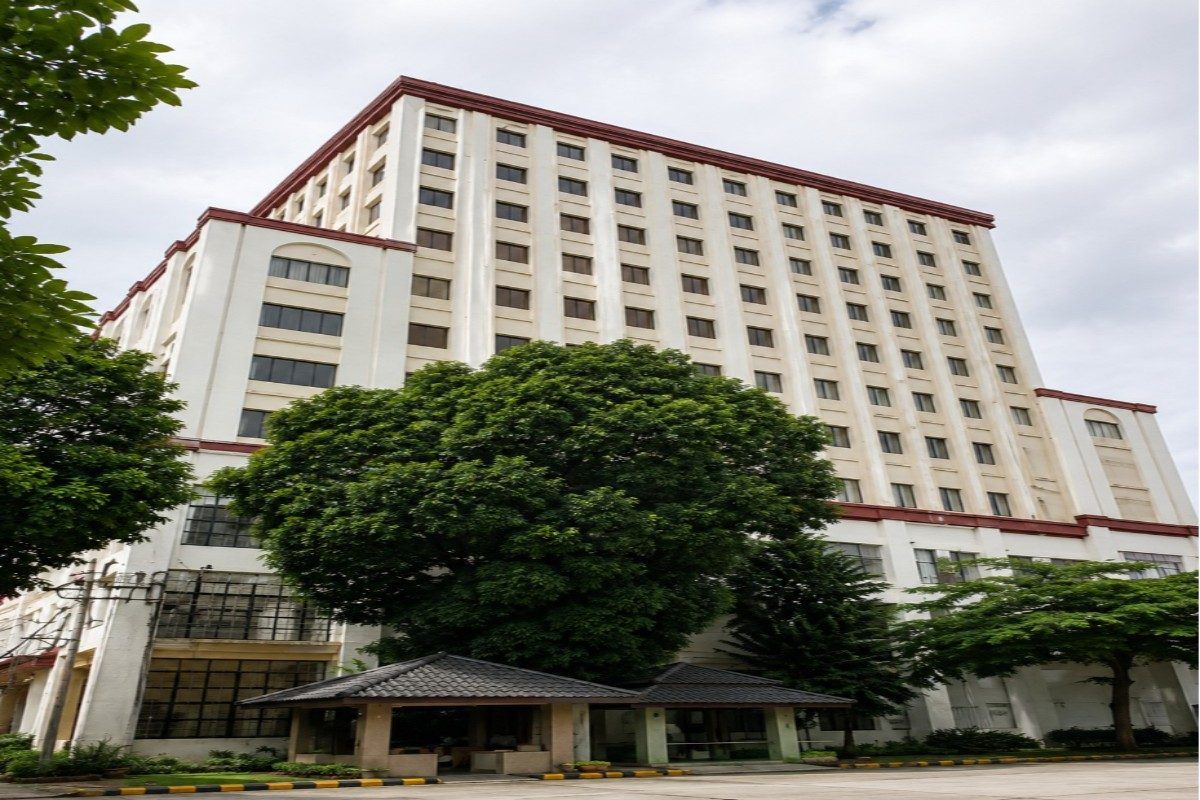
They have their own five-story building for the Xavier University School of Medicine, which is on the eastern edge of the main campus. It is very real and useful that the building has two uses. The Community Health Care Center is on the first two floors of the building. It is a working secondary health care facility with thirty-five beds. Furthermore, this building has a busy outpatient department that treats around 450 patients every day. Medical students don't get their training in a different, isolated teaching hospital. Instead, they go to a facility that helps people in the same area where they will be working. On the third floor, there are separate labs for pathology, pharmacology, microbiology, and parasitology. There are also administrative offices, faculty rooms, medical education and research units, and other departments. On the fourth level, which is also where the medical library and skill laboratories are housed, there are more labs for histology, neuroanatomy, physiology, and biochemistry.
When it comes to accreditation, Xavier University's medical school has a real and checkable standing. It has been approved by CHED, which stands for the Commission on Higher Education. The school has even gone one step further by being named a Center of Development in medical education by PAASCU, which stands for the Philippine Accrediting Association of Schools, Colleges, and Universities. In the Philippine system for accrediting schools, this difference is very important. Two levels of recognition give Xavier University's medical school a strong and well-documented base. These levels include oversight from the national government and a specific quality title from an independent, accredited agency.
Like how medical education in the Philippines is mostly based on the country's typical graduate-entry model, Xavier University does the same thing. You need to have passed the National Medical Admission Test, or NMAT, and have a degree from a previous school in order to get in. To get into the university, students must have a Percentile Rank of forty or higher on the National Management Admission Test (NMAT) that they took no more than two years before the date they want to gain admission. This is important information to know for preparing because an NMAT taken too far in advance will not count. Each and every step of the process for getting in is very thorough. For this, you need four years' worth of transcripts, a signed Certificate of General Weighted Average from the registrar's office, and a full medical certificate with results from a chest X-ray, complete blood count, and urine, all of which must be dated within six months of the application.
People in this country think that the Doctor of Medicine degree is the same as the Bachelor of Medicine and Bachelor of Surgery degree that is used in India and a large part of the Commonwealth. After graduating, people can take license tests that are needed to work back home, like India's FMGE or NExT exams. But they must always follow the rules that are in place, which are set by each country's medical council, and they must also pass the important tests that are required of them. Xavier's own materials make the connection between the two very clear, and they also say that the English-medium training they offer is directly useful for students from other countries.
When students think about how much college will cost, they should know that scholarships are an option. One type of scholarship available at Xavier University is for new medical students. Another type is for current students in Level 2 or Level 3 programs who have kept good grades. Most of the time, applicants must have an NMAT Percentile Rank of 60 or higher and a General Weighted Average of at least 80. For scholarship funding, the standard admissions requirement is not nearly as high as this one. This is because there are so many applicants.
Location is another important thing for students' daily lives. It's a very different area from the schools in Manila that are shown in other parts of this series. In the southern part of the Philippines, Mindanao is the largest island group. Cagayan de Oro is in Mindanao. The eight-hectare major campus of the university is right in the middle of the city as a whole. Also, the fifty-hectare Manresa Complex is right next to the road that goes to the airport. It is used for agricultural and technical studies. People in Mindanao have a different mix of cultures, live at a slower pace, and get more clinical experience than people in Metro Manila's crowded hospitals. This is something that should be directly compared to personal taste. Mindanao is a geographically separate area that has its own unique character.
This school's own papers talk about a page called "Estimated Tuition and School Fees" that can be found on the school's official website. This program is also available to medical students through the CHED Student Loan Program. Students who want to use this method to pay for some of their schooling will find this information very useful. This profile couldn't find a single, independently proven dollar or rupee tuition rate that would work for all types of applicants. Since these numbers can change a lot from one school year to the next, people who want to attend Xavier's School of Medicine should ask the admissions office for the most up-to-date fee plan.
To put it another way, the Dr. Jose P. Rizal School of Medicine at Xavier University offers a medical education that is based on facts and morals. A special PAASCU Center of Development status and a CHED certification back up this education. It has real substance that goes beyond the standing of the university as a whole thanks to its Jesuit ethical foundation and the real-life clinical experience it gets through its own Community Health Care Center. Although there are other medical schools in the Philippines, Xavier University is one of the best and most reliable options for students who want to learn about Mindanao and get a medical education that focuses on helping areas with unfilled needs.
No hidden charges, no donation. The full picture of costs at MBBS in Xavier University Dr. Jose P. Rizal School of Medicine.
Tuition Fee
Not clearly published as a single confirmed figure; Xavier's own site references an "Estimated Tuition and School Fees" page and a CHED
USD 1,950–2,000 , ₹1.65–1.70 lakh
Hostel Fee
~1,800/year ~1.51 lakh/year
~1,800/year ~1.51 lakh/year
Food & Meals
~1,400/year ~1.17 lakh/year
per year
Insurance
~300/year ~0.25 lakh/year
per year
Donation
No donation
No hidden Fee
Total Estimated Cost
~3,500 ~2.93 lakh
4 year
25–35%
Average FMGE first-attempt pass rates for students from many overseas medical universities. Students from structured programs consistently score higher.
Students returning to India need to clear the FMGE/NExT exam. MBBS in Xavier University Dr. Jose P. Rizal School of Medicine integrates exam-oriented coaching into the regular curriculum so students are prepared from day one.
A structured program that takes you from foundational sciences to clinical mastery.
A completed bachelor's degree with prerequisite science coursework.
Anatomy, Histology, Biochemistry, Medical Biology
Core medical sciences progressing into clinical training, with early, hands-on exposure through the school's own Community Health Care Center (35-bed facility, ~450 outpatients/day).
Physiology, Microbiology, Pathology, Pharmacology
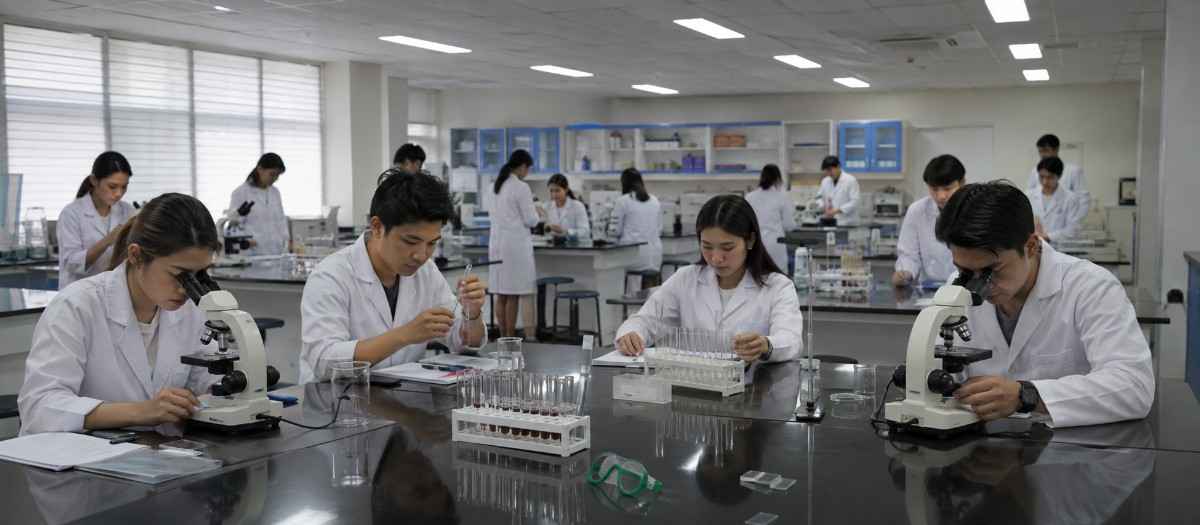
Dedicated labs for pathology, pharmacology, microbiology, parasitology, histology, neuro-anatomy, physiology, and biochemistry, plus skills laboratories and a medical library.
Internal Medicine, Surgery, Obstetrics & Gynaecology
Mandatory clinical internship following the core MD program, before sitting the Philippine Physician Licensure Examination.
Paediatrics, Neurology, Ophthalmology, ENT
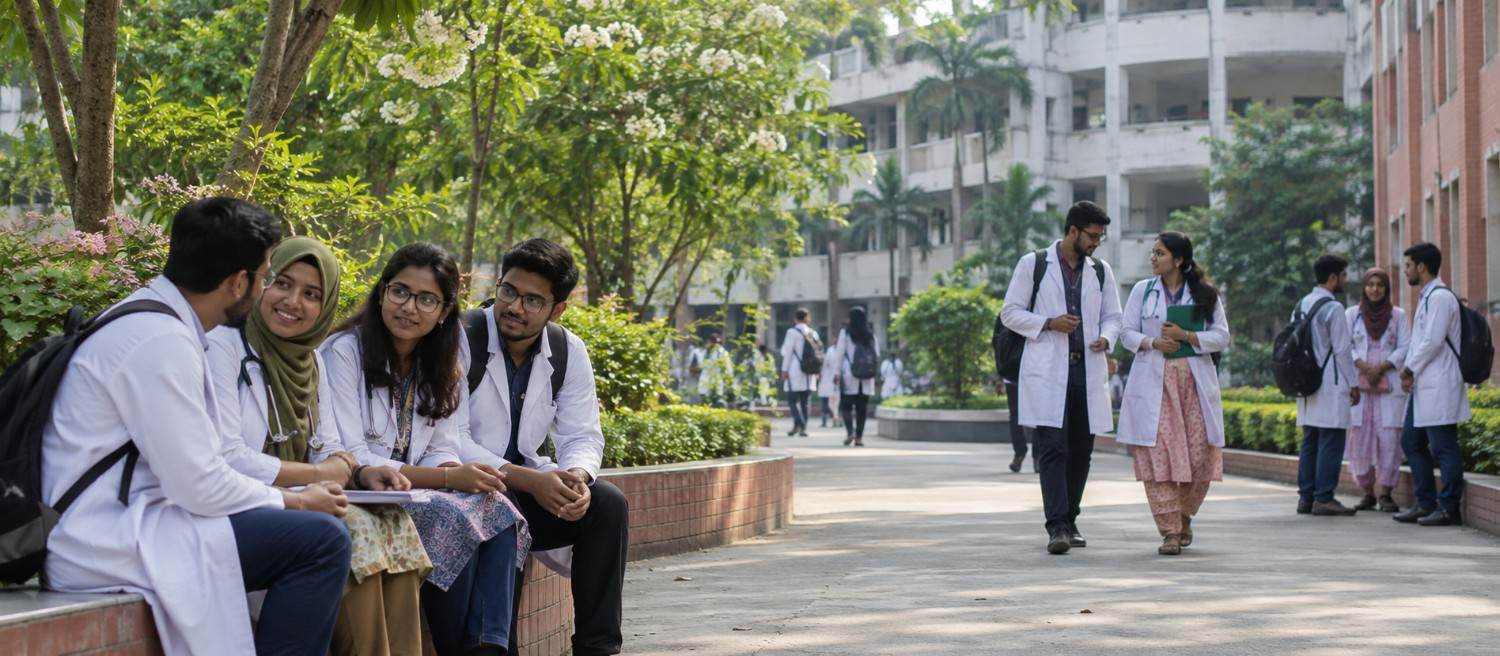
Furnished hostel rooms with Wi-Fi, laundry, 24/7 security, and Indian mess on or near campus.
Indian restaurants and mess facilities serving vegetarian and non-vegetarian home-style food daily.
Strong Indian community with cultural events, festival celebrations, and peer support groups.
Students get hands-on clinical training in government and private hospitals affiliated with the university.
Practical information for students planning to study at MBBS in Xavier University Dr. Jose P. Rizal School of Medicine.
Prepare for all seasons. Thermal wear for winters, light clothing for summers. University provides heating in hostels.
Student visa processed with university invitation letter. Direct and connecting flights from major Indian cities.
Health insurance included in fees. Medical facility on campus plus city hospitals easily accessible.
Local SIM cards available. WhatsApp and video calls keep you connected with family back home.
Average monthly expenses of $150–$250 covering food, transport, and personal needs.
University library, online databases, and study groups. Seniors mentor juniors through academic challenges.
Our team guides you through every step — from application to arriving on campus.
The first step is to have a free phone counselling session. This is not a sales promotion or sales pitch. Here, we analyse all the universities mentioned side by side. We go through FMGE rates, total fees, city life, and whether the USMLE or NExT path better suits your goals. Most students walk out of this call with a clear first choice and a backup.
Once you pick a university, we will hand you a Philippines-specific document checklist. It is not a generic list. Every item on it is there for a reason, either for the university application, the 9(f) visa conversion, or the ACR I-Card registration. We check everything before a single paper goes anywhere.
Your application goes directly to the university through our partner channel. Most students get an acceptance letter within 10 to 21 days. However, December intake applications move faster than June ones, so timing matters. We follow up on all applications and will be in touch if there is any delay.
Once you receive your offer letter, we will have an in-depth discussion with you on the fees charged. The first instalment of fees will be deposited without any ambiguity. What you pay, when you pay, and what it covers, all of it is clear before any money moves.
Indian students do not need a pre-departure visa for the Philippines. You enter visa-free for 30 days. However, the 9(f) Student Visa conversion must start within the first week of arrival; it is time-sensitive. We also advise on the best flight route, whether Cebu or Manila, depending on your university.
About a week before you fly, we do a full pre-departure briefing. We cover accommodation options, campus location, Indian food sources near your university, how to transfer money from India, which SIM card to buy, and what the first week on campus actually looks like—students who attend this briefing land in the Philippines significantly less stressed than those who skip it.
On arrival day, our local team in the Philippines meets you at the airport, whether in Cebu or Manila. You are not landing in a new country alone. Someone who knows the ground is there from the first minute.
Within the first week, the 9(f) visa conversion process starts. Our team submits your documents to the Bureau of Immigration and closely tracks your application. The ACR I-Card, your official alien registration card, is processed at the same time. This step is strictly managed because delays here cause real problems later.
By the end of Week 2, your university enrollment is complete, your hostel room is confirmed, and your BS pre-medical orientation is done. You know your timetable, your faculty, and where everything is. Furthermore, our team has already flagged your NMAT preparation schedule, so there will be no surprises at the bridge stage.
After enrollment, our on-the-ground team in the Philippines stays in contact throughout all six years. If there is a university issue, a hostel problem, a visa renewal, or a health concern, there is a local contact to call. Moreover, from Year 3 onward, our FMGE and USMLE coaching track begins, because academic support does not stop at the airport.
Admission Helpline — Contact our counsellors for step-by-step assistance.
“The faculty here is incredibly supportive. The clinical training during hospital rotations has given me real confidence in patient care.”
“Affordable fees without compromising on quality. The campus facilities and hostel life made my transition abroad very smooth.”
“English medium instruction and WHO-recognized curriculum were the deciding factors for me. No regrets so far — excellent experience overall.”
“The university helped with everything from visa to accommodation. Hospital exposure from year three has been invaluable for my FMGE prep.”
“Just cleared my licensing exam on the first attempt. The structured coaching and mock exams during final year were a game-changer.”
“Safe campus, good food options, and a strong Indian student community. The teaching methodology is very practical and hands-on.”
Yes, fully English-medium.
Yes, a Percentile Rank of 40 or higher on the NMAT, taken within two years of intended admission.
Yes, per standard National Medical Commission rules.
Not published as a single confirmed figure; Xavier's own site references estimated fee schedules and a CHED loan program. Confirm current costs directly with admissions.
Yes, confirmed on CHED's official list, with PAASCU Center of Development accreditation.
At the school's own Community Health Care Center, a working 35-bed facility seeing roughly 450 outpatients daily, located within the medical school building itself.
Yes, following the standard Philippine model requiring a prior bachelor's degree.
Its explicit Jesuit ethical foundation, centred on service to the poor and underserved, and its Mindanao location, distinct from the Manila-centred schools common elsewhere in this series.
Yes, for incoming students and current Level 2/3 students with a General Weighted Average of at least 80 and an NMAT Percentile Rank of 60 or higher.
Students who are comfortable with Mindanao’s unique regional setting, not Metro Manila, and are interested in a values-based, service-oriented medical education.
Our expert counsellors will guide you through the complete admission process — from documents to airport pickup.