
Q1. Is this program taught in English?
+Yes, fully English-medium.
 Philippines | Est. 1957
Philippines | Confirmed on CHED and Wikipedia lists, with a detailed documented history since 1979. Listed in the WHO World Directory of Medical Schools and with the California Board of Medicine. | English. medium
Expert will call you within 2 hours
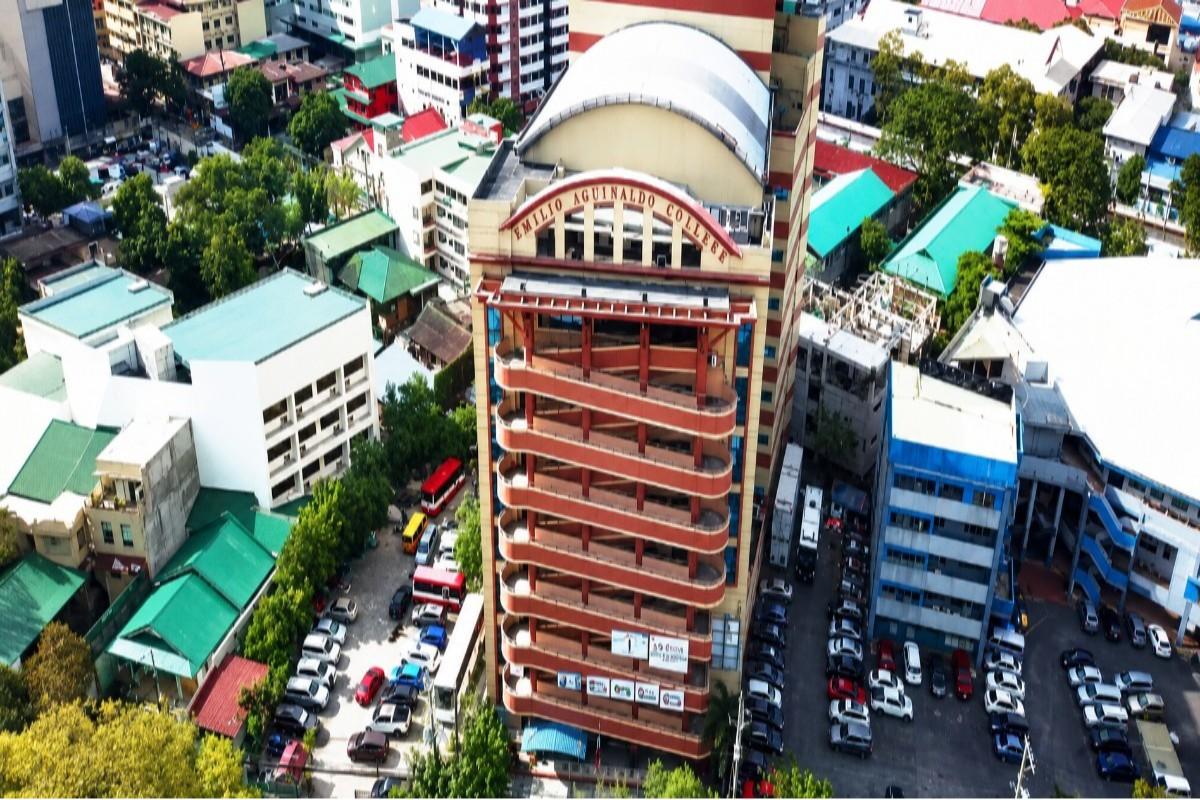
Emilio Aguinaldo College has been around since 1957, but at first it wasn't really related to medicine. The Marian School of Midwifery opened its doors that year, and Dr. Jose Fontanilla was named the school's first director. A company called Marian Clinics, Inc. ran the school. In 1959, a new college opened. The very first Medical Secretarial School in the country was set up by Dr. Crisanto S. Vito Cruz, Dr. Gregorio T. Delgado, and Mrs. Lolita R. Vito Cruz. General Emilio Aguinaldo College was renamed General Emilio Aguinaldo College in September 1957 to honor the country's first president. The learning institution started building its first units in Dasmariñas, Cavite, that same year. The name Emilio Aguinaldo College is still used today, even though the title "General" was taken away in the end. A big part of this early growth was led by Dr. Paulo C. Campos, who is the President of University Physicians' Services, Inc. and one of the National Scientists in Nuclear Medicine.
The official start date of the EAC Foundation Inc. was October 21, 1979, in Dasmariñas, Cavite. It was because of this step that the first Emilio Aguinaldo College of Medicine was created, and Dr. Lourdes E. Campos was its first dean. In 1980, UPSI set up the Yaman Lahi Foundation, Inc. so that both the Manila and Cavite schools could be run by the foundation together. A few years later, though, there was a big change in the structure. De La Salle University Inc. bought the College of Medicine in Cavite and the University Medical Center it had been running before in 1995. The De La Salle University Medical Center now includes this hospital and its campus in Cavite. It is a part of the De La Salle Medical and Health Sciences Institute, which is a separate school that is talked about in a different chapter of this story.
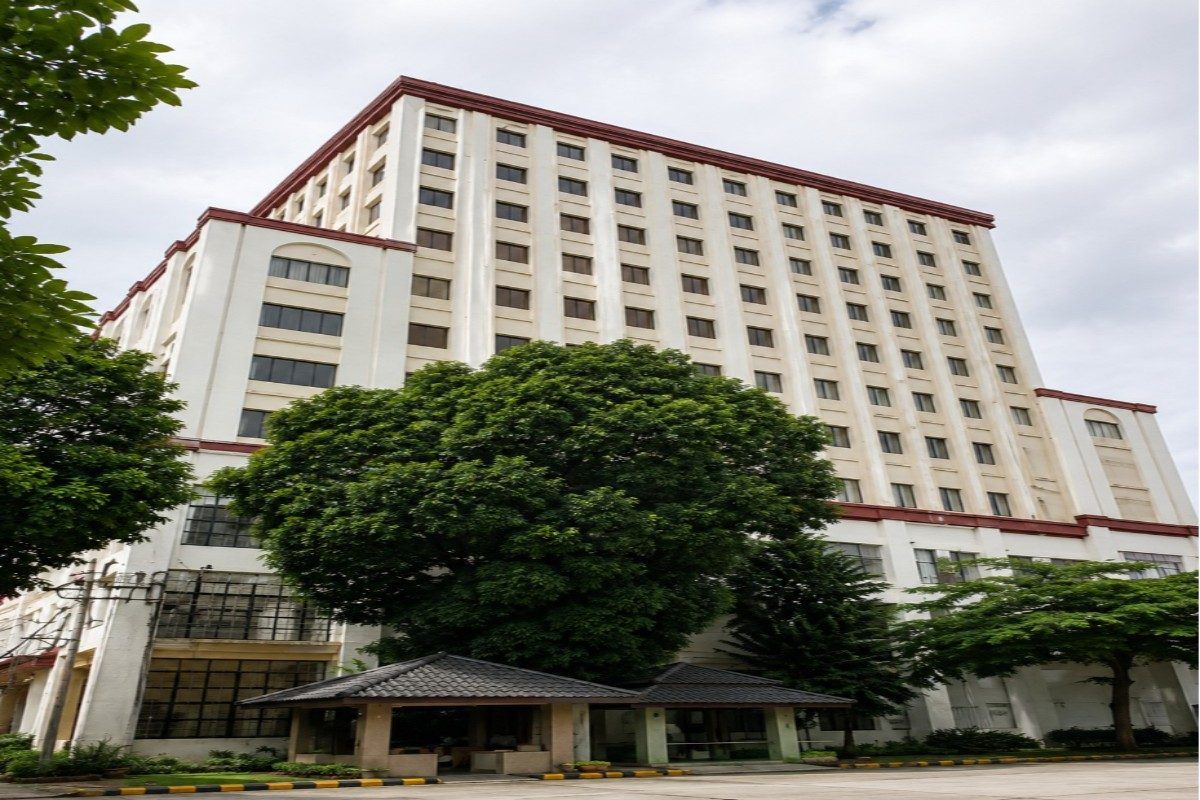
Even though Emilio Aguinaldo College sold its medical school, the story of its own medical education did not end. There is a new School of Medicine on the Manila site. It opened in 2001. Medical Center Manila is where it is located. This is a hospital with 250 beds. The thinking that led to this choice was clear and convincing. The school already ran strong related health sciences programs in Manila, and the Medical Center Manila had enough staff and clinical cases to support a full medical school. Because of this, EAC was able to create a brand for medical education that was both new and based in Manila. This was different from the past, when it was based in Cavite and is now being run by a completely different organization.
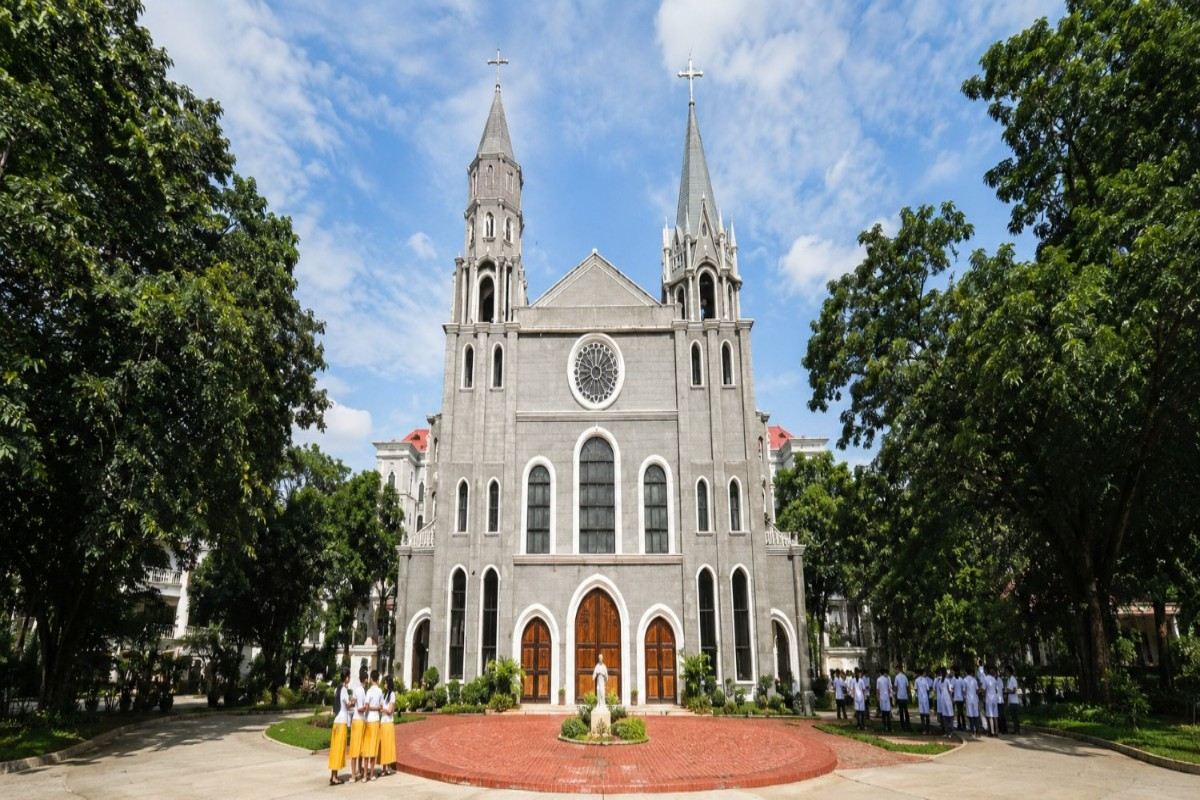
These days, Emilio Aguinaldo College has two separate sites. One is in Ermita, Manila, and the other is in Dasmariñas, Cavite. These campuses each have their own teaching hospital that is related to them. Near the administrative and business center of the city is where the Manila campus is located. Along UN Avenue, it's about 500 meters from the Indian Temple. The Indian Embassy is about 9 kilometers away, and Manila's international airport is about 13 kilometers away. Several sources point out this fact as a real benefit for international students, especially Indian students.
When it comes to recognition, the School of Medicine at EAC has a huge collection of papers from all over the world. It is in the World Directory of Medical Schools put together by the World Health Organization. It is also listed separately with the California Board of Medicine. This means that graduates can apply for a license in California after undertaking the necessary extra steps needed there. A number of sources say that the degree is also recognized as being equivalent to medical qualifications in the UK, Singapore, India, Australia, the US, and a number of Gulf countries. However, this is only true if the degree meets the licensing requirements of each of those countries. In its own papers, the EAC talks about other foreign connections with places like China, Thailand, Nepal, the Maldives, and Sri Lanka, as well as an ISO 9001-certified network of hospitals that are all connected.
There should be a clear understanding of the unique road that the EAC program structure takes. It is not necessary for applicants to have already earned a bachelor's degree from a different school because EAC has its own integrated Bachelor's-plus-MD program. What some sources call a "pre-medical course" that lasts about sixteen months and covers things like biology, psychology, nursing, or medical technology is the first step. Students must have finished twelve years of schooling (10+2 for Indian students) and have passed the National Eligibility and Eligibility Test (NEET). Before you can get a Bachelor of Science (BA or BS), you have to go through this pre-medical stage. Following that, the actual program for getting a Doctor of Medicine will last for four more years. There is almost equal amount of theory and practical training for the first three years. However, during the fourth year, clinical rotations become the only focus. These give students direct clinical experience that is related to the coursework they took in the earlier years.
There are a lot of steps involved in the admissions process. Those who want to apply must fill out an application form, interview with the Dean or the Admissions Committee, take a psychometric test given by the Guidance Counselor's office, and show a certificate from the school doctor saying they are physically and mentally fit. It's possible that, based on the situation, you may also need a letter of recommendation from the CHED. This would add another level of official government approval to some applications.
Some sources give different prices for the same school, and these differences are even more noticeable when looking at prices for other schools in the same group. One source says that the total cost of the program is about 19.3 lakh Indian Rupees, which is a fairly low amount. A different source, which doesn't seem to be as reliable, gives a more accurate annual range of INR 86,000 to 103,495; this range doesn't seem to match up with the wide range of fees charged by private medical schools in the Philippines, so it should be taken with a lot of salt. A different source gives more information, and it says that the cost of education in other countries is about USD 11,500 to USD 12,500 per year. There are also fees for the dorms that run from USD 1,500 to USD 2,000 per year and other costs that add up to between USD 2,000 and USD 3,000 per year. It is very important to get a straight, up-to-date, and documented fee quote from the EAC admissions office because the prices from the different sources are very different.
To put it another way, the history of the School of Medicine at Emilio Aguinaldo College is very well known. This history goes back more than forty years and two different college eras. The World Health Organization and the California Board of Medicine have confirmed it as true. It sticks out from other medical schools in the Philippines because it holds both a Bachelor's degree and an MD degree and is located in central Manila, close to the international airport. Due to the wide range of publicly available tuition costs, the most important thing that needs to be done before applying is to get written confirmation of the costs from the college itself.
No hidden charges, no donation. The full picture of costs at MBBS in Emilio Aguinaldo College School of Medicine.
Tuition Fee
INR 19.3 lakh; a more detailed source cites approx. USD 11,500-12,500/year tuition (~INR 9.61-10.45 lakh/year), plus USD 2,000-3,000/year mi
12,000 INR 10.03 lakh
Hostel Fee
Approx. USD 1,500-2,000/year (~INR 1.25-1.67 lakh/year),
1,750 INR 1.46 lakh
Food & Meals
1,500 INR1.25 lakh
Per Yaer
Insurance
2,500 INR2.09 lakh
Per Year
Donation
No Donation
No Hidden fee
Total Estimated Cost
~71,000 ~59.33 lakh
4 Year
25–35%
Average FMGE first-attempt pass rates for students from many overseas medical universities. Students from structured programs consistently score higher.
Students returning to India need to clear the FMGE/NExT exam. MBBS in Emilio Aguinaldo College School of Medicine integrates exam-oriented coaching into the regular curriculum so students are prepared from day one.
A structured program that takes you from foundational sciences to clinical mastery.
Early clinical exposure, medical ethics, professionalism and community-oriented learning.
Human Anatomy, Histology, Physiology, Biochemistry and related foundational sciences.
Problem-based learning, laboratory training and research activities integrated with outcomes-based education.
Pathology, Pharmacology, Microbiology, Parasitology and introductory Clinical Medicine.
Hospital-based patient care under faculty supervision with multidisciplinary clinical training.
Clinical clerkships in Internal Medicine, Surgery, Pediatrics, Obstetrics & Gynecology, Psychiatry, Family and Community Medicine and other major specialties.
Comprehensive clinical management, board examination preparation and graduation requirements prior to the mandatory post-graduate internship.
Advanced clerkships and elective rotations in affiliated teaching hospitals.
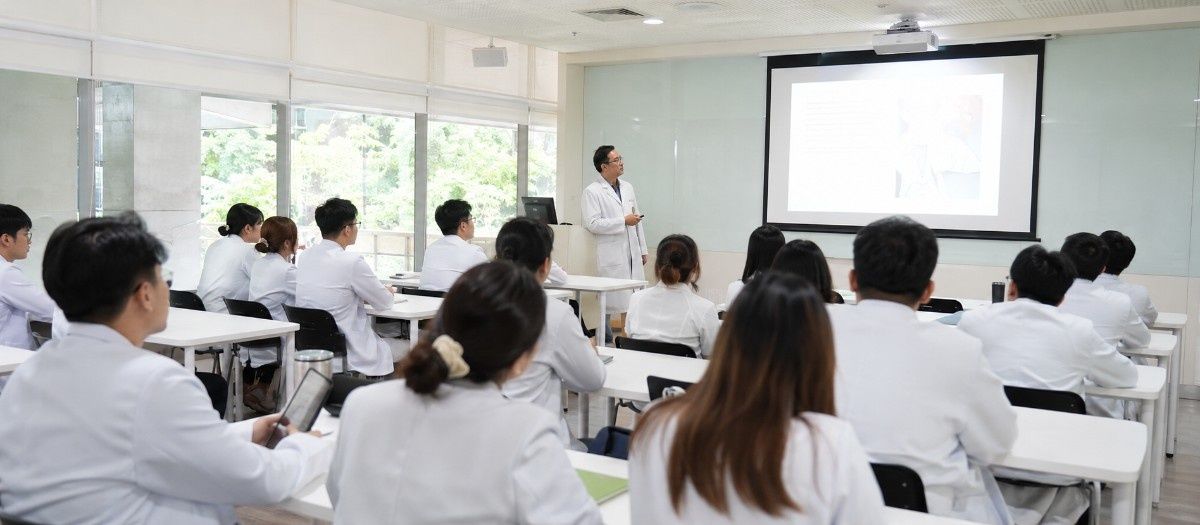
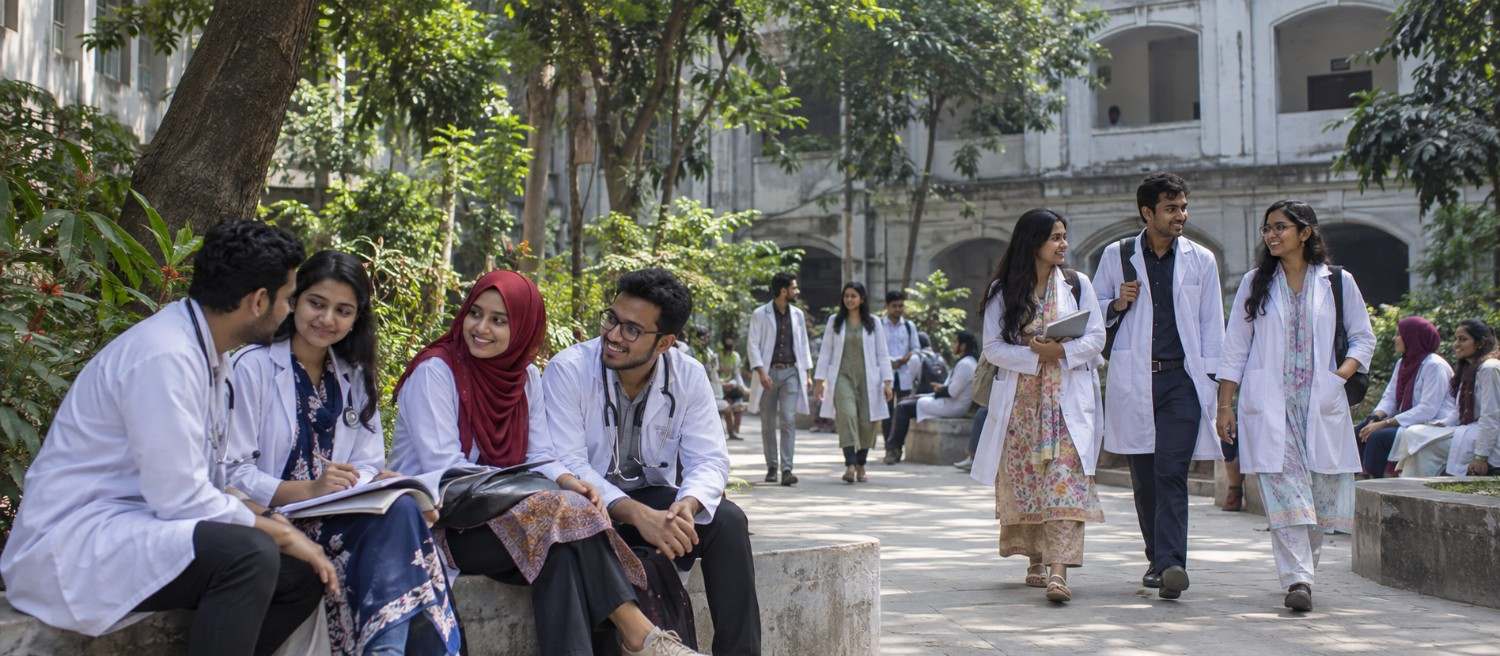
Furnished hostel rooms with Wi-Fi, laundry, 24/7 security, and Indian mess on or near campus.
Indian restaurants and mess facilities serving vegetarian and non-vegetarian home-style food daily.
Strong Indian community with cultural events, festival celebrations, and peer support groups.
Students get hands-on clinical training in government and private hospitals affiliated with the university.
Practical information for students planning to study at MBBS in Emilio Aguinaldo College School of Medicine.
Prepare for all seasons. Thermal wear for winters, light clothing for summers. University provides heating in hostels.
Student visa processed with university invitation letter. Direct and connecting flights from major Indian cities.
Health insurance included in fees. Medical facility on campus plus city hospitals easily accessible.
Local SIM cards available. WhatsApp and video calls keep you connected with family back home.
Average monthly expenses of $150–$250 covering food, transport, and personal needs.
University library, online databases, and study groups. Seniors mentor juniors through academic challenges.
Our team guides you through every step — from application to arriving on campus.
The first step is to have a free phone counselling session. This is not a sales promotion or sales pitch. Here, we analyse all the universities mentioned side by side. We go through FMGE rates, total fees, city life, and whether the USMLE or NExT path better suits your goals. Most students walk out of this call with a clear first choice and a backup.
Once you pick a university, we will hand you a Philippines-specific document checklist. It is not a generic list. Every item on it is there for a reason, either for the university application, the 9(f) visa conversion, or the ACR I-Card registration. We check everything before a single paper goes anywhere.
Your application goes directly to the university through our partner channel. Most students get an acceptance letter within 10 to 21 days. However, December intake applications move faster than June ones, so timing matters. We follow up on all applications and will be in touch if there is any delay.
Once you receive your offer letter, we will have an in-depth discussion with you on the fees charged. The first instalment of fees will be deposited without any ambiguity. What you pay, when you pay, and what it covers, all of it is clear before any money moves.
Indian students do not need a pre-departure visa for the Philippines. You enter visa-free for 30 days. However, the 9(f) Student Visa conversion must start within the first week of arrival; it is time-sensitive. We also advise on the best flight route, whether Cebu or Manila, depending on your university.
About a week before you fly, we do a full pre-departure briefing. We cover accommodation options, campus location, Indian food sources near your university, how to transfer money from India, which SIM card to buy, and what the first week on campus actually looks like—students who attend this briefing land in the Philippines significantly less stressed than those who skip it.
On arrival day, our local team in the Philippines meets you at the airport, whether in Cebu or Manila. You are not landing in a new country alone. Someone who knows the ground is there from the first minute.
Within the first week, the 9(f) visa conversion process starts. Our team submits your documents to the Bureau of Immigration and closely tracks your application. The ACR I-Card, your official alien registration card, is processed at the same time. This step is strictly managed because delays here cause real problems later.
By the end of Week 2, your university enrollment is complete, your hostel room is confirmed, and your BS pre-medical orientation is done. You know your timetable, your faculty, and where everything is. Furthermore, our team has already flagged your NMAT preparation schedule, so there will be no surprises at the bridge stage.
After enrollment, our on-the-ground team in the Philippines stays in contact throughout all six years. If there is a university issue, a hostel problem, a visa renewal, or a health concern, there is a local contact to call. Moreover, from Year 3 onward, our FMGE and USMLE coaching track begins, because academic support does not stop at the airport.
Admission Helpline — Contact our counsellors for step-by-step assistance.
“The faculty here is incredibly supportive. The clinical training during hospital rotations has given me real confidence in patient care.”
“Affordable fees without compromising on quality. The campus facilities and hostel life made my transition abroad very smooth.”
“English medium instruction and WHO-recognized curriculum were the deciding factors for me. No regrets so far — excellent experience overall.”
“The university helped with everything from visa to accommodation. Hospital exposure from year three has been invaluable for my FMGE prep.”
“Just cleared my licensing exam on the first attempt. The structured coaching and mock exams during final year were a game-changer.”
“Safe campus, good food options, and a strong Indian student community. The teaching methodology is very practical and hands-on.”
Yes, fully English-medium.
Admission involves an interview, a psychometric exam, and a physical/mental fitness certificate, rather than a single standardised written test alone.
Yes, per standard National Medical Commission rules, required before entering the pre-medical stage
Sources vary meaningfully, from a total program estimate near INR 19.3 lakh to a more detailed annual figure of USD 11,500-12,500. Confirm the exact current rate directly with EAC admissions.
Yes, listed in the WHO's World Directory of Medical Schools and with the California Board of Medicine.
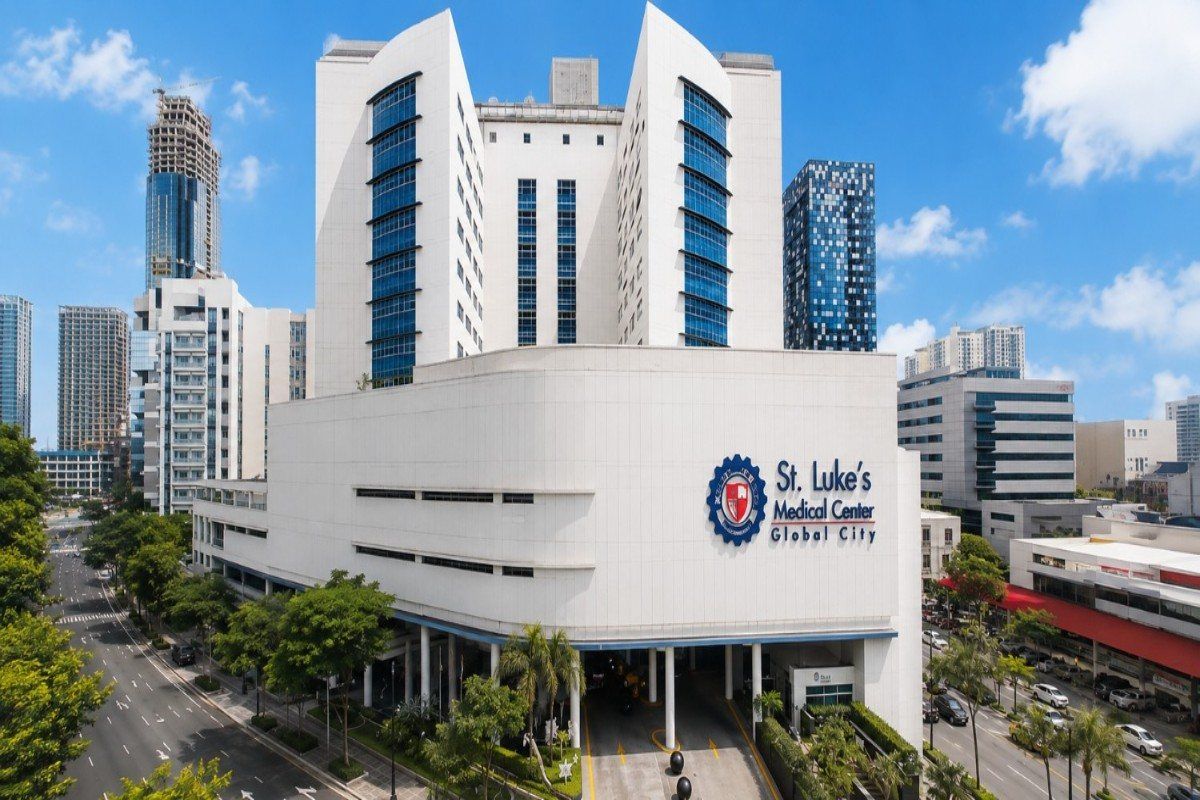
At Medical Center Manila (250 beds) for the Manila campus, or the affiliated hospital at the Dasmariñas, Cavite campus.
It was sold to De La Salle University in 1995 and now operates as part of De La Salle Medical and Health Sciences Institute; EAC's current Manila-based School of Medicine opened separately in 2001.
An integrated ~16-month pre-medical course leading to a Bachelor's degree, followed by a 4-year MD program.
The campus sits close to the Indian Temple, Indian Embassy, and roughly 13 km from the international airport, a genuine convenience cited for international students.
Students who would like to do a combined Bachelor-to-MD program in the same institution, and who value the convenience of being located in central Manila near the airport and having amenities for the Indian community. They are willing to check the exact current tuition themselves from public sources.
Our expert counsellors will guide you through the complete admission process — from documents to airport pickup.