
Q1. Is this program taught in English?
+Yes, fully English-medium.
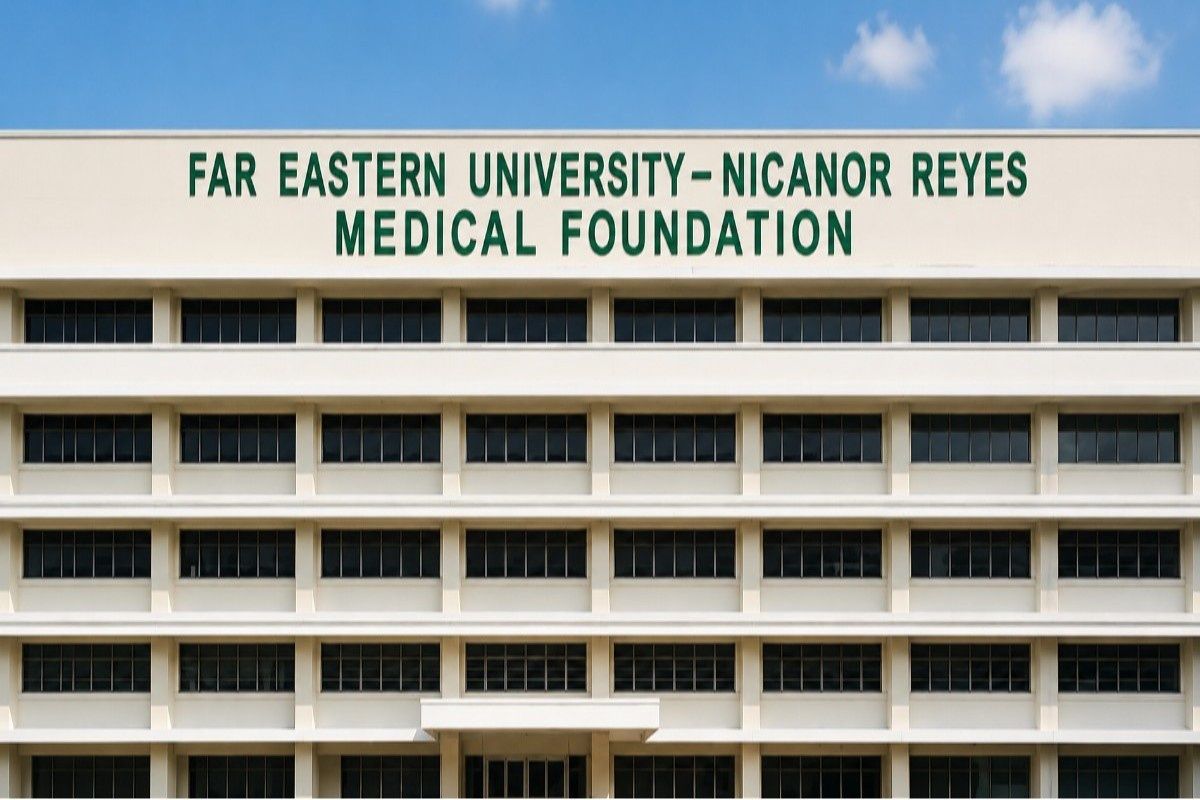
 Philippines | Est. 1952
Philippines | Confirmed on CHED list, with consistent naming across multiple independent sources. Accredited by PHREB, FAAP, PAASCU, and PACUCOA. Teaching hospital named a PhilHealth Center of Excellence and a PCHRD Center of Excellence in Research. | English medium
Expert will call you within 2 hours
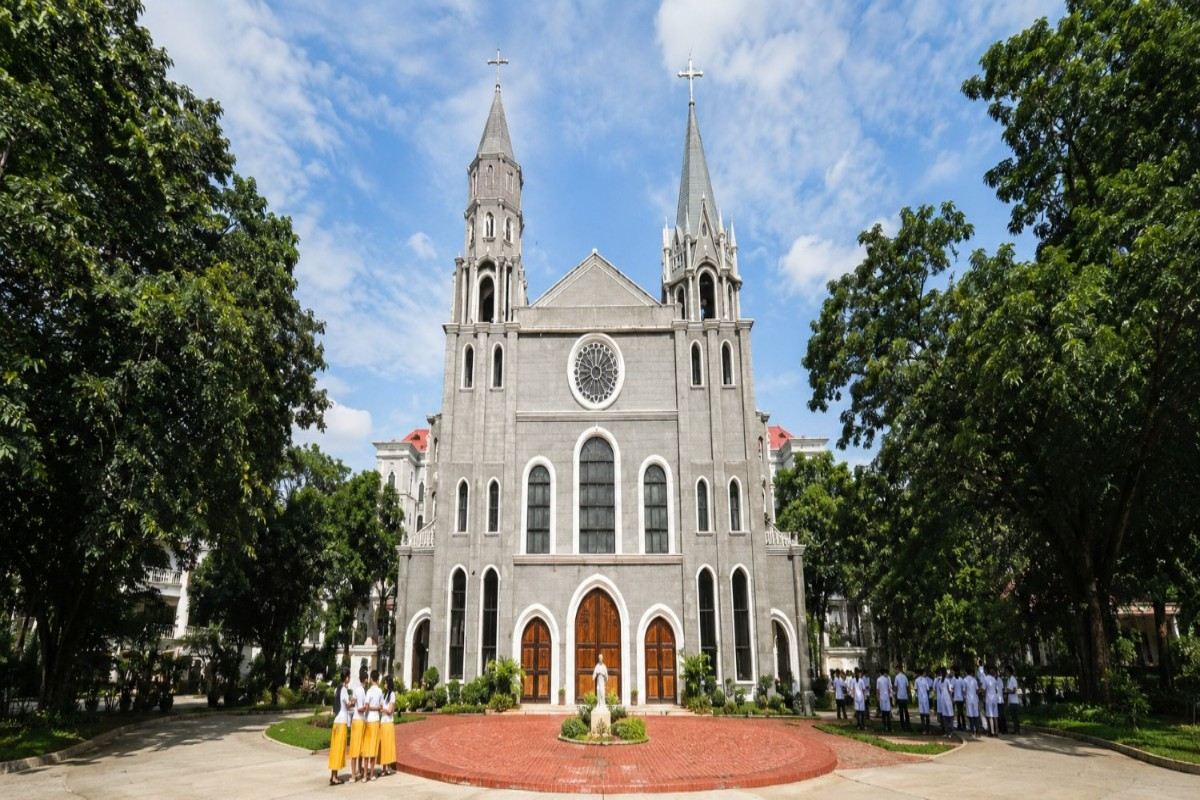
The FEU-NRMF has been around since 1952, when it was first set up as the IOM. People think that Far Eastern University is one of the biggest groups of independent schools in the Philippines. At that time, it was part of that group. Dr. Nicanor Reyes Sr. formed FEU and the school is named after him. It was his main goal to make sure that every Filipino child could go to a good school. In 1971, the Institute of Medicine became its own medical organization. This was a big step toward being independent. Legally, the way it was run was still separate from the main school, but it kept the name FEU and the same relationship with it.
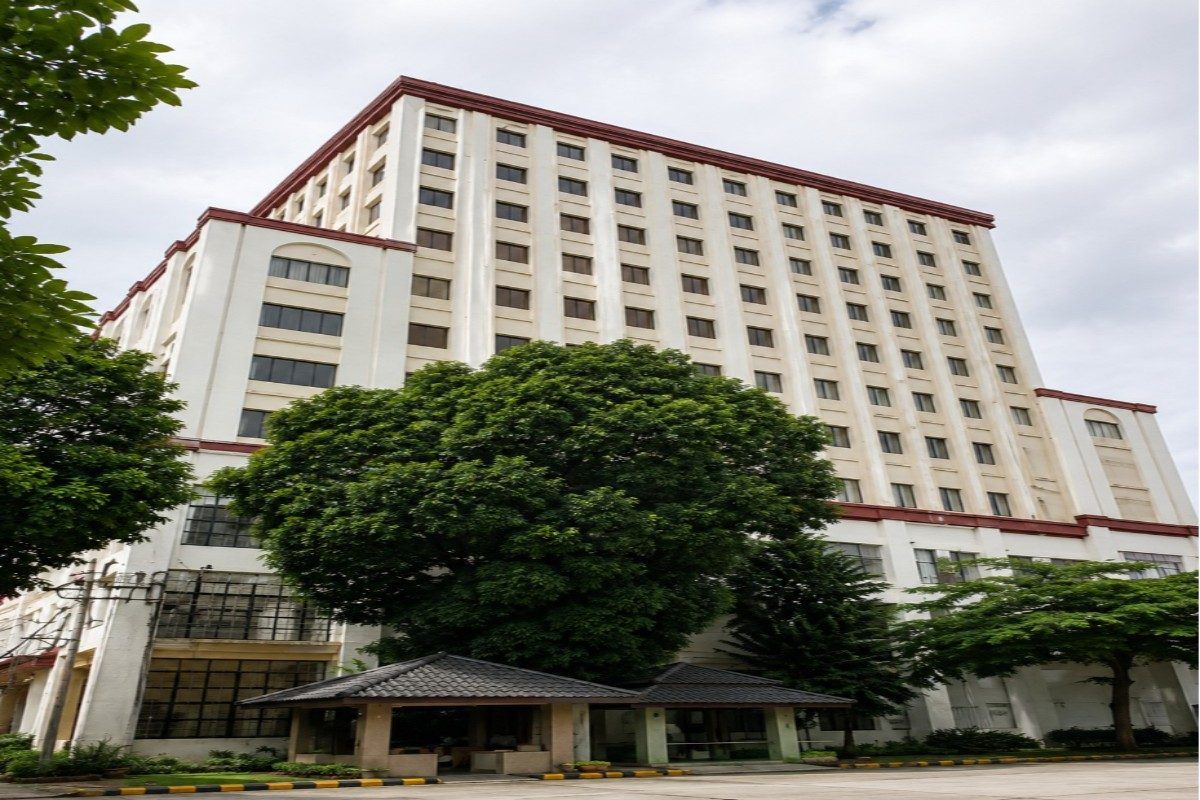
The school's board of trustees was an important part of making this change happen. As board chair, Nicanor M. Reyes, Jr. made it possible for the FEU-NRMF to truly separate from the main institution in terms of both how it was run and how it was managed. The old Science Building's classes were moved to two buildings next to each other that are close to the FEU Hospital. The only reason they repaired them again was to teach people how to be doctors. And it just kept getting better over the next few decades. In 1995 they had to move again, because there wasn't enough room for everyone. The Board of Trustees decided that FEU-NRMF could move to Fairview, Quezon City, to a 1.5-hectare plot of land. They paid builders to make this new hospital and school just for them so they could help the people they help more. The school is still on Regalado Avenue in West Fairview at the same site.
The FEU-NRMF has a discernible past older than its date of creation. It was declared a Medical Center of Excellence in 1986 by the Board of Medical Education and the Philippine Medical College. This early warning was very important. The foundation says this is the big picture, and the foundation has helped some of the best-known people in Philippine health care history. This group includes six Presidents of the Philippine College of Surgeons, seven Presidents of the Philippine Medical Association, one President of the World Medical Association, and four Secretary of Health for the Philippines. The Professional Regulation Commission calls FEU-NRMF a "Top Performing" medical school because its students always do well on the national exam to become a doctor. This name was given in a different message.
FEU-NRMF is known in the academic world to have a lot of academic credentials. It has been accredited by the Federation of Accrediting Agencies of the Philippines (FAAP), the Philippine Accrediting Association of Schools, Colleges and Universities (PAASCU) and the Philippine Association of Colleges and Universities Commission on Accreditation (PACUCOA). The FEU-NRMF Medical Center, the school’s very own teaching hospital, also has some unique features. Their name was changed to a Center of Excellence because PhilHealth is the main health insurance company in the Philippines. The school is also a Center of Excellence in Research according to the Philippine Council for Health Research and Development. There is more information about FEU-NRMF in this description than about some of the other schools in this set. This is because it is well researched and looks at things from different angles. This school has more than a single level of approval as it is acceptable with both the government and the hospital. Doctor of Medicine grads come into the Philippines just like all other grads do as required by the government. As a prerequisite, people who want to join the program must have earned a bachelor’s degree. People can get real world training at the FEU-NRMF Medical Center. Each student takes a turn going to a different area, such as Internal Medicine, Pediatrics, Obstetrics and Gynecology, or Emergency Medicine. There are rules for this shift that are different from the general rules of the hospital. The FEU-NRMF has a lot of different allied health degree programs besides the program to become a doctor. This building is home to all of these classes. One of these schools is for medical technology. Others are for nursing, nutrition and dietetics, pharmacy, physical therapy, radiologic technology, and respiratory therapy. These programs give medical students a place to learn about many different subjects while they are in school.
The Indian applicants must follow the normal rules set by India's National Medical Commission for any MBBS-equivalent school they study abroad in order to be accepted. According to this rule, applicants must have completed their 10+2 education and got at least 50% on the PCB for general applicants and 45% for reserved applicants. Also, they had to pass the NEET test. Some education consulting firms and the FEU-NRMF also talk about support systems that are very helpful for international students. Some of these are college dorms that have basic services like safety, power, water, and Wi-Fi. In these hostels, most people share a room with two or three other people. The kitchen and laundry room are also open to everyone. South Asian students can also often find an Indian mess or close Indian restaurants that serve their food.
The profile couldn't find a single confirmed dollar or rupee amount that worked for all application groups and academic years. However, FEU-NRMF tuition is always said to be low and affordable compared to other private medical schools in the Philippines. Several unbiased sources have made it clear that FEU-NRMF does not charge any extra fees or donation fees on top of its standard, public tuition structure. This is something you should know straight out and in a good way. It's good to know this because this kind of extra payment has caused real problems for schools in other countries, as we've talked about in other parts of this series.
Along with that, you should learn about the past of Quezon City, which is where the Fairview campus is located. From 1939 to 1948, Manila was the main city for running the government of the Philippines. 1948 was the year it was named the official capital of the Philippines again. An important number of people are still living there, and the business is doing pretty well. It has all the qualities of a real metropolis, but it also has a personality that is a little different from the older, denser parts of Manila.
A PhilHealth Center of Excellence has been given to one of the school's teaching hospitals. For more than 70 years, the school has been open for business. In addition, the school is known for having clear and fair tuition fees with no secret gift fees. A lot of people think that the FEU-NRMF is one of the best and most complete medical schools in the Philippines. These are some of the reasons we will talk about in this series. In the Philippines, it is very important for students to have a lot of paperwork from their school and a good record of students who have graduated. The FEU-NRMF is a great choice for all of those kids.
No hidden charges, no donation. The full picture of costs at MBBS in Far Eastern University Dr. Nicanor Reyes Medical Foundation.
Tuition Fee
Years 1–3: PHP 340,000–380,000 per year Year 4 (Clinical Clerkship): PHP 330,000–360,000 for the year.
Not published - described as low-cost; confirm directly Not published - confirm
Hostel Fee
PHP 60,000–120,000 per year,
~1,500/year ~1.25 lakh/year
Food & Meals
~1,400/year ~1.17 lakh/year
Per year
Insurance
~300/year ~0.25 lakh/year
per Year
Donation
No Donation
No Hidden fee
Total Estimated Cost
~3,200 ~2.68 lakh
Contact us
25–35%
Average FMGE first-attempt pass rates for students from many overseas medical universities. Students from structured programs consistently score higher.
Students returning to India need to clear the FMGE/NExT exam. MBBS in Far Eastern University Dr. Nicanor Reyes Medical Foundation integrates exam-oriented coaching into the regular curriculum so students are prepared from day one.
A structured program that takes you from foundational sciences to clinical mastery.
Early professional development, ethics, communication skills and introductory clinical exposure.
ntegrated organ-system based study of Anatomy, Physiology, Biochemistry, Histology and related foundational sciences.
Laboratory work, case discussions and problem-based learning.
Pathology, Pharmacology, Microbiology, Parasitology and Clinical Correlation using an integrated systems approach.
Clinical skills laboratories, simulated patient encounters and hospital-based clinical exposure.
Major clinical disciplines including Internal Medicine, Surgery, Pediatrics, Obstetrics & Gynecology, Psychiatry, Neurology, Family Medicine, Ophthalmology, ENT and Community Medicine.
Rotations include Internal Medicine, Surgery, Pediatrics, Obstetrics & Gynecology, Emergency Medicine, Family & Community Medicine and elective postings with direct patient care responsibilities.
Full-time supervised clinical rotations at FEU-NRMF Medical Center and affiliated training hospitals.
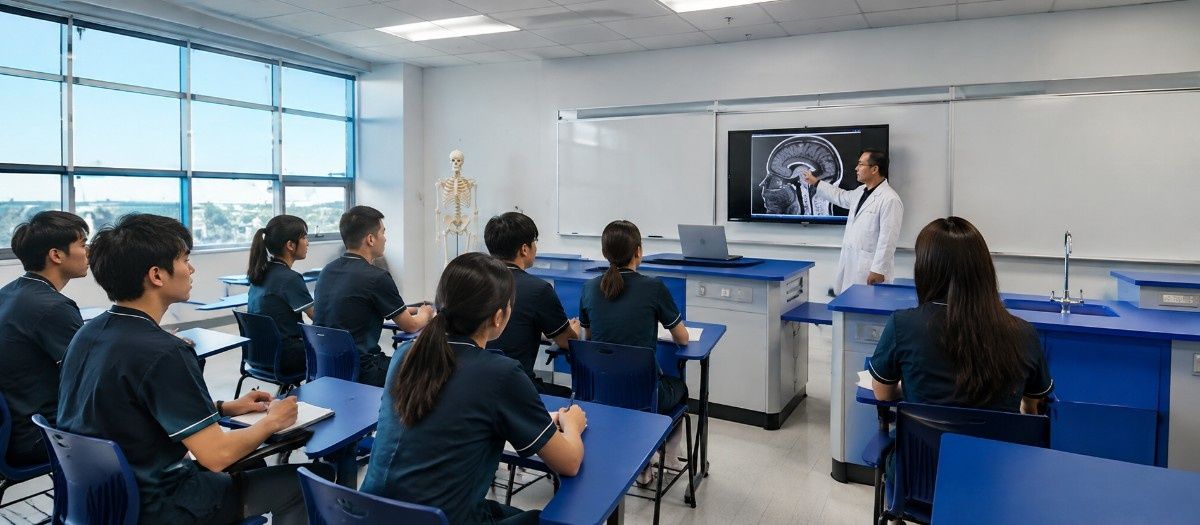
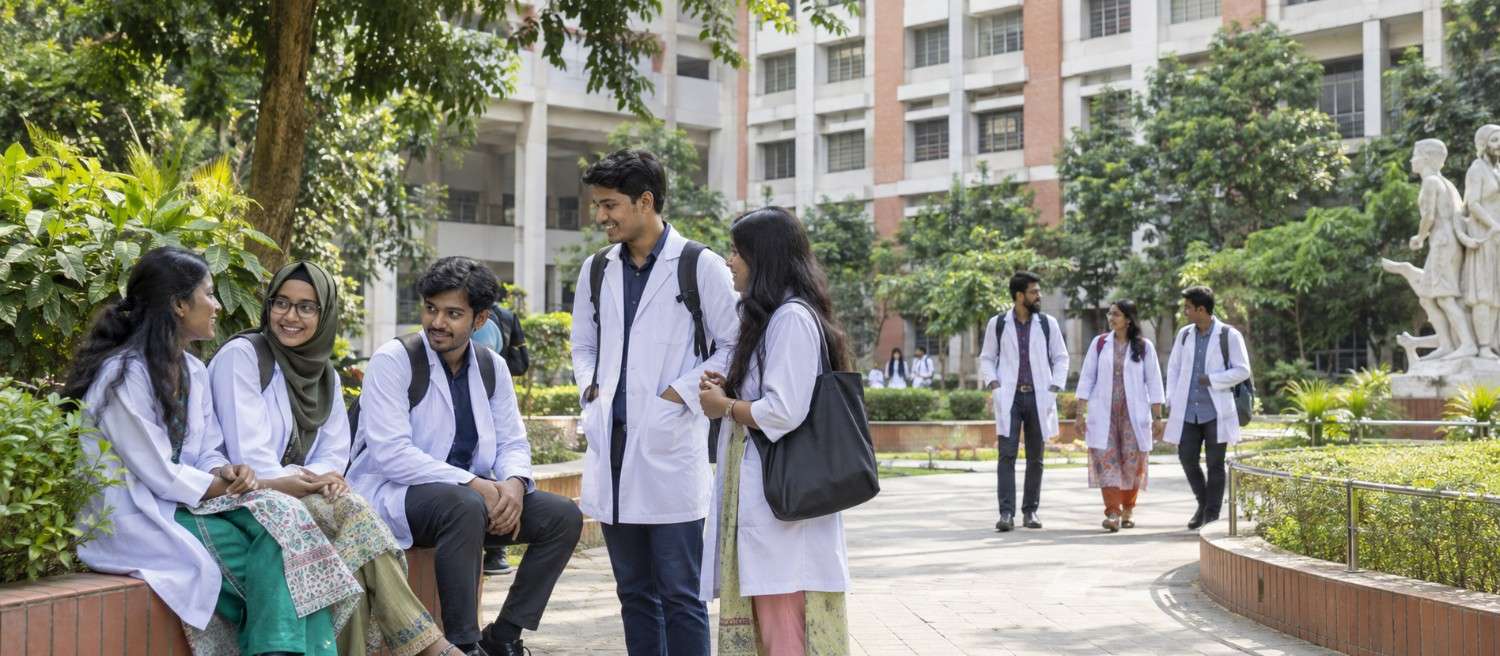
Furnished hostel rooms with Wi-Fi, laundry, 24/7 security, and Indian mess on or near campus.
Indian restaurants and mess facilities serving vegetarian and non-vegetarian home-style food daily.
Strong Indian community with cultural events, festival celebrations, and peer support groups.
Students get hands-on clinical training in government and private hospitals affiliated with the university.
Practical information for students planning to study at MBBS in Far Eastern University Dr. Nicanor Reyes Medical Foundation.
Prepare for all seasons. Thermal wear for winters, light clothing for summers. University provides heating in hostels.
Student visa processed with university invitation letter. Direct and connecting flights from major Indian cities.
Health insurance included in fees. Medical facility on campus plus city hospitals easily accessible.
Local SIM cards available. WhatsApp and video calls keep you connected with family back home.
Average monthly expenses of $150–$250 covering food, transport, and personal needs.
University library, online databases, and study groups. Seniors mentor juniors through academic challenges.
Our team guides you through every step — from application to arriving on campus.
The first step is to have a free phone counselling session. This is not a sales promotion or sales pitch. Here, we analyse all the universities mentioned side by side. We go through FMGE rates, total fees, city life, and whether the USMLE or NExT path better suits your goals. Most students walk out of this call with a clear first choice and a backup.
Once you pick a university, we will hand you a Philippines-specific document checklist. It is not a generic list. Every item on it is there for a reason, either for the university application, the 9(f) visa conversion, or the ACR I-Card registration. We check everything before a single paper goes anywhere.
Your application goes directly to the university through our partner channel. Most students get an acceptance letter within 10 to 21 days. However, December intake applications move faster than June ones, so timing matters. We follow up on all applications and will be in touch if there is any delay.
Once you receive your offer letter, we will have an in-depth discussion with you on the fees charged. The first instalment of fees will be deposited without any ambiguity. What you pay, when you pay, and what it covers, all of it is clear before any money moves.
Indian students do not need a pre-departure visa for the Philippines. You enter visa-free for 30 days. However, the 9(f) Student Visa conversion must start within the first week of arrival; it is time-sensitive. We also advise on the best flight route, whether Cebu or Manila, depending on your university.
About a week before you fly, we do a full pre-departure briefing. We cover accommodation options, campus location, Indian food sources near your university, how to transfer money from India, which SIM card to buy, and what the first week on campus actually looks like—students who attend this briefing land in the Philippines significantly less stressed than those who skip it.
On arrival day, our local team in the Philippines meets you at the airport, whether in Cebu or Manila. You are not landing in a new country alone. Someone who knows the ground is there from the first minute.
Within the first week, the 9(f) visa conversion process starts. Our team submits your documents to the Bureau of Immigration and closely tracks your application. The ACR I-Card, your official alien registration card, is processed at the same time. This step is strictly managed because delays here cause real problems later.
By the end of Week 2, your university enrollment is complete, your hostel room is confirmed, and your BS pre-medical orientation is done. You know your timetable, your faculty, and where everything is. Furthermore, our team has already flagged your NMAT preparation schedule, so there will be no surprises at the bridge stage.
After enrollment, our on-the-ground team in the Philippines stays in contact throughout all six years. If there is a university issue, a hostel problem, a visa renewal, or a health concern, there is a local contact to call. Moreover, from Year 3 onward, our FMGE and USMLE coaching track begins, because academic support does not stop at the airport.
Admission Helpline — Contact our counsellors for step-by-step assistance.
“The faculty here is incredibly supportive. The clinical training during hospital rotations has given me real confidence in patient care.”
“Affordable fees without compromising on quality. The campus facilities and hostel life made my transition abroad very smooth.”
“English medium instruction and WHO-recognized curriculum were the deciding factors for me. No regrets so far — excellent experience overall.”
“The university helped with everything from visa to accommodation. Hospital exposure from year three has been invaluable for my FMGE prep.”
“Just cleared my licensing exam on the first attempt. The structured coaching and mock exams during final year were a game-changer.”
“Safe campus, good food options, and a strong Indian student community. The teaching methodology is very practical and hands-on.”
Yes, fully English-medium.
The regular CHED requirements for admission probably apply . Check with the school for the exact current process .
Yes, per standard National Medical Commission rules, with a minimum of 50% PCB marks (General category) or 45% (Reserved category) also required.
Not published as a single confirmed figure, though consistently described as low-cost with no donation fees. Confirm exact current fees directly with admissions.
Yes, CHED-approved, with accreditation from PAASCU, FAAP, PHREB, and PACUCOA, plus a PhilHealth Center of Excellence-designated teaching hospital.
At the FEU-NRMF Medical Center, rotating through Internal Medicine, Surgery, Pediatrics, OB-GYN, and Emergency Medicine.
Graduates include six Philippine College of Surgeons Presidents, seven Philippine Medical Association Presidents, a World Medical Association President, and four Philippine Secretaries of Health.
No, multiple independent sources state plainly that FEU-NRMF charges no donation fee or additional hidden charges beyond its standard tuition.
Quezon City is one of the Philippines' most populous, economically developed cities, and briefly served as the country's national capital from 1939 to 1948.
Students prioritising broad, multi-body institutional accreditation, a strong verified alumni track record, and transparent, low-cost tuition with no hidden fees.
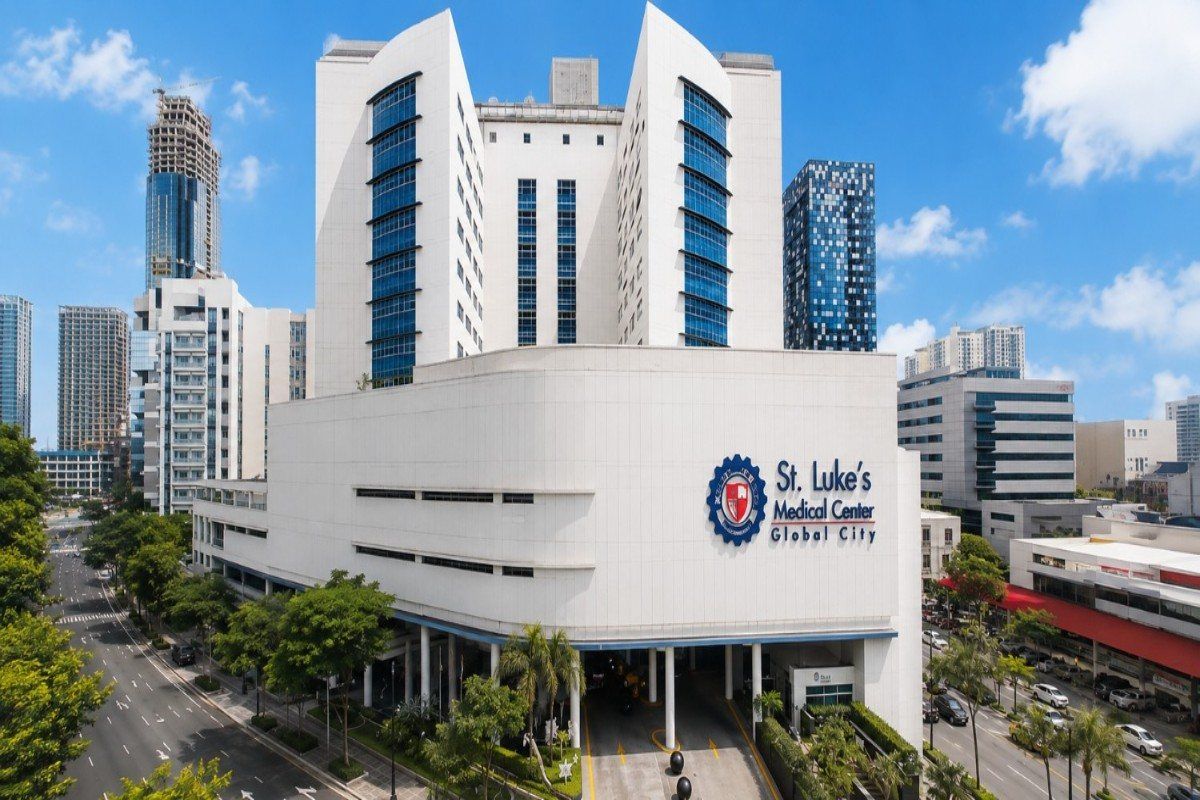
Our expert counsellors will guide you through the complete admission process — from documents to airport pickup.