
1. Is the programme taught in English?
+No. Teaching is in Turkish, and a preparatory year is available for international students.
 Turkey | Est. 2006
Turkey | Turkish Council of Higher Education (YÖK); WDOMS listed | Turkish (preparatory year available) medium
Expert will call you within 2 hours
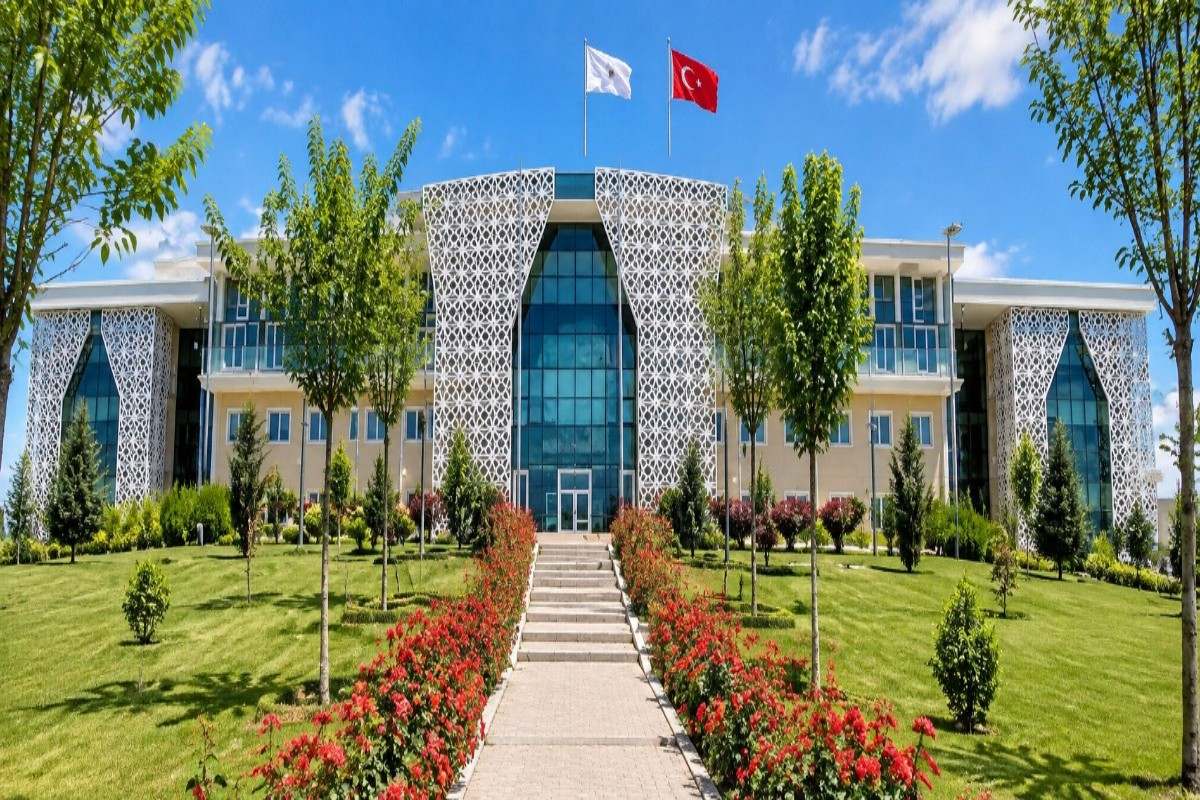
Aksaray is in the middle of Anatolia and on the highway that runs between Ankara and the coast of the Mediterranean Sea. It is home to Aksaray University's School of Medicine, which teaches medical courses. In 2006, Turkey changed a number of large regional universities into smaller, separate schools. This is what led to the creation of the university. The School of Medicine got its first students in 2016. There are a lot of new classrooms, labs, and simulation rooms at the school thanks to big investments from the Turkish government. This school is one of a new group of Turkish state medical universities that were built to train doctors to work in the provinces. It's clear that money was spent. The medical facilities and equipment are modern, and there is room for the staff to grow without the problems of overcrowding that happen in older medical schools in cities.
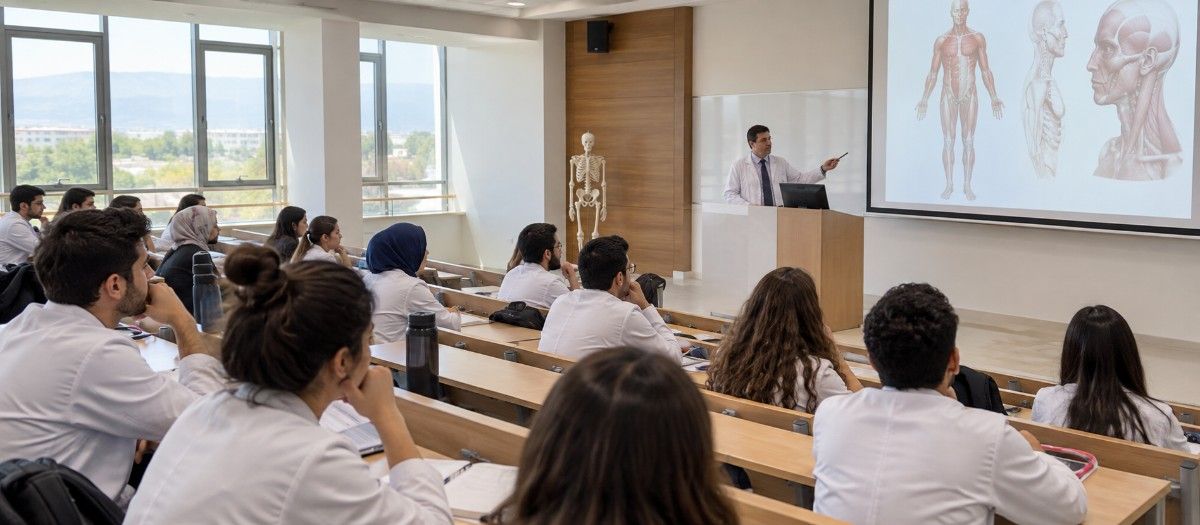
The Turkish Council of Higher Education set up a national framework for higher education, and the medical school is meant to last for six years. Instead of focusing on single subjects in the first two years, the scientific basis is built up through blocks that work together to form a system. In biology, different fields like anatomy, physiology, biochemistry, histology, and medical biology are studied together as if they were one whole. Teaching includes both lectures and hands-on activities in the lab, as well as problem-based meetings with small groups. It is possible to get to know the teachers personally because the classes are small and the anatomy and transdisciplinary labs are brand new and well-equipped. This is an important thing to think about in the beginning of the course, when feedback on your dissection technique, microscopy work, and lab reports sets the tone for the rest of the course.
In the third year, basic studies and clinical medicine come together. Pathology, microbiology, medicine, and clinical skills are some of the things you learn, which makes you start to think clinically. You can practice getting a patient's history, doing a physical exam, and doing basic procedures in a controlled setting before your first placement on a ward in the skills laboratory, which has simulators and standardized patients. There will be hard times this year, but this bridging year will prepare you well for the hospital.
At the end of the fourth year, clinical teaching starts. The main teacher training site is at the Aksaray University Training and Research Hospital, a big state hospital that serves the city and the districts that are in the surrounding areas. There are a lot of patients and a wide range of cases at the hospital because it is the main referral center for the area. During your basic care rotation, you will work in internal medicine, surgery, pediatrics, obstetrics and gynecology, psychiatry, and some of the less important specialties. In the fifth year of the school, subspecialty placements in cardiology, neurology, orthopedics, emergency medicine, and family medicine are added. This makes the major rotations more in-depth. In the sixth year, called a "internship year," you work as a junior doctor while being supervised and taking care of real patients. You are responsible for making patient notes, talking about cases during ward rounds, helping in the operating room, and taking care of nite calls while being supervised. When you finish school, you'll have had real experience taking care of patients, which will make the transition to practice or training much easier.
Turkish is used for the lessons. If they don't already have a recognized language certificate like TÖMER, foreign students need to take a year to learn Turkish. Being able to speak and understand Turkish well is not a choice; it is necessary because working with patients starts early in the clinical years. It is important that you see the language as an important part of your training and not as something that gets in the way of your progress. Students who start the school without knowing Turkish usually only need the preparatory year and the first two preclinical years to become fluent enough to work, but they have to put in a lot of work.
People like living in Aksaray because it is quiet, safe, and cheap. The cost of living is one of the lowest in Turkey, and it's not hard to find private apartments or dorms run by the government. It is much cheaper to live in a shared flat close to school during the year than it would be in Ankara or Istanbul, and the daily costs stay pretty low. Outside of Cappadocia is this city. The Ihlara Valley, the underground towns, and the fairy chimneys are all within a manageable driving distance for regular weekend trips. If you drive, Ankara is about three hours away, and Konya is even closer. Because the weather is continental, you should be ready for summers that are hot and dry and winters that are cold and snowy.
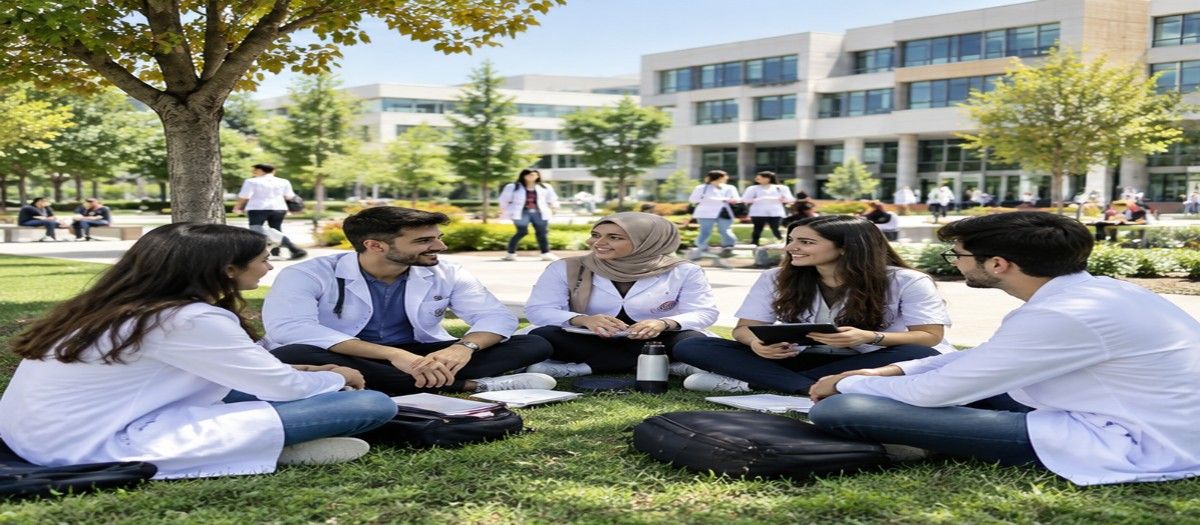
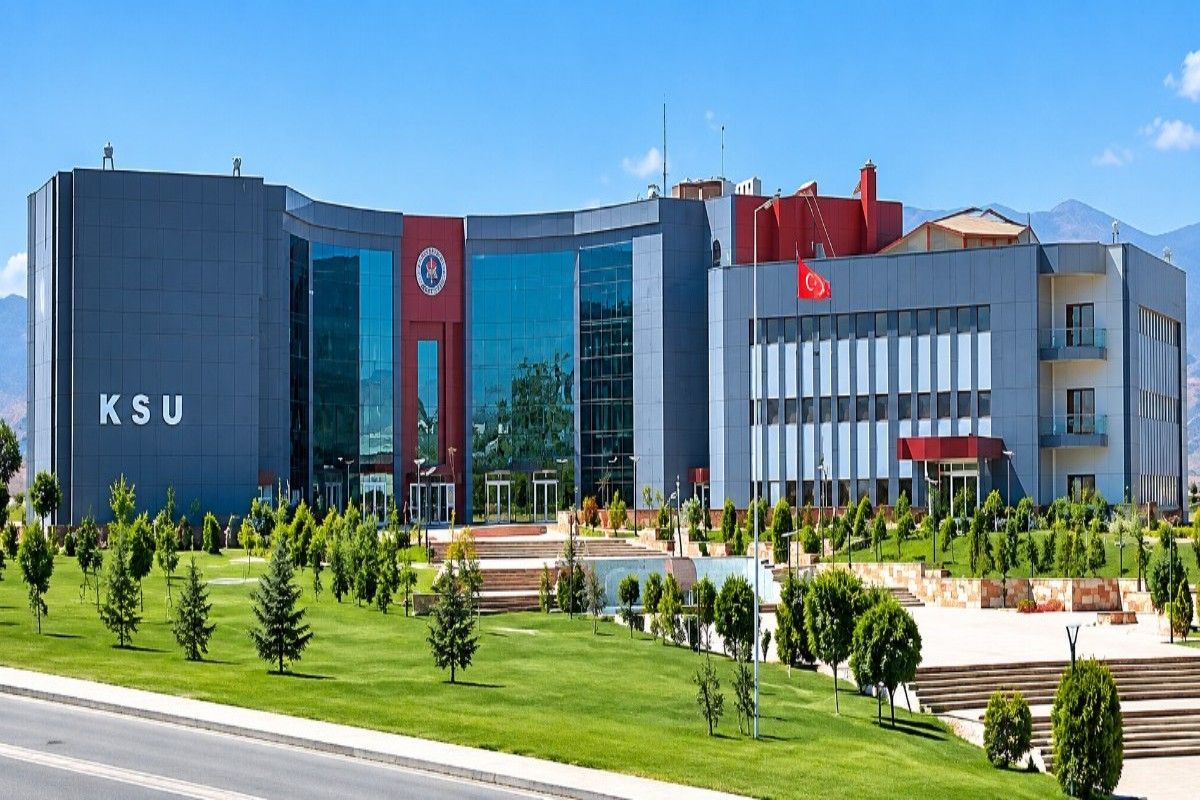
The campus of the university is modern and very spread out. The engineering, science, education, and health sciences schools all share the same grounds. For medical students, the central library, sports facilities, and student groups are all available. The foreign office can also help with enrolling, getting residency permits, and getting settled in. Students from other countries say that the campus is quiet and nice, and they say that they quickly become friends with students from the area. Because Turkish students in small towns and cities are usually friendly and willing to help, the time it takes to get used to life is usually shorter than what newcomers think it will be. This is because people often eat, drink, and go to events together on campus.
When it comes to Indian students, there is a governing point that needs your attention. According to the new FMGL rules, the National Medical Commission says that a program has to be taught in English. However, this course is taught in Turkish. You should make sure you are applying for the most current NMC position because rules can change and the consequences of applying for the wrong job are harsh. Before deciding on a place to study, international students should make sure they know what the licensing authority in their home country requires.
For many, the main thing that draws them in is the cash picture. This school has low tuition, housing that isn't too expensive, and a total budget that is much lower than most other options in Europe or private universities in other parts of the world. With a busy teaching hospital and brand-new buildings, the school is a great deal for students who are ready to study in Turkish. Families who are making plans for the next six years will find that Aksaray is one of the most reliable and cost-effective options in the area.
In order to get a job as a resident in Turkey, graduates must take the Turkish national exams and be qualified to take the Turkish University Service (TUS). People who go back to their home country follow the rules for getting a license there. The school is still pretty new, so its network of alumni is still growing. However, some early graduates have already moved into residencies all over Turkey and even outside of the country. If students in the central part of Anatolia want to get a modern medical education that is also hospital-based and affordable, they should really think about Aksaray University School of Medicine.
No hidden charges, no donation. The full picture of costs at MBBS in Aksaray University School of Medicine.
Tuition Fee
Approx. USD 2,000 per year (INR 1,76,000)
USD $2,000 per year
Hostel Fee
Approx. USD 600 per year (INR 52,800)
USD $600 per year
Food & Meals
USD $1,200
per year
Insurance
USD $300
per year
Donation
No donation fee
No hidden fee
Total Estimated Cost
USD $24,600 - USD $30,000
6 YEAR
25–35%
Average FMGE first-attempt pass rates for students from many overseas medical universities. Students from structured programs consistently score higher.
Students returning to India need to clear the FMGE/NExT exam. MBBS in Aksaray University School of Medicine integrates exam-oriented coaching into the regular curriculum so students are prepared from day one.
A structured program that takes you from foundational sciences to clinical mastery.
Laboratory practicals and small-group sessions.
Anatomy, Histology, Biochemistry, Medical Biology
System-based basic science blocks, medical biology and public health, plus early clinical communication skills.
Physiology, Microbiology, Pathology, Pharmacology
Pathology, microbiology and pharmacology, with structured clinical skills training in the simulation laboratory.
Internal Medicine, Surgery, Obstetrics & Gynaecology
Core clinical rotations in internal medicine, surgery, paediatrics, obstetrics and gynaecology, and psychiatry.
Paediatrics, Neurology, Ophthalmology, ENT
Advanced rotations across the medical and surgical sub-specialties, with emergency medicine and family medicine.
Psychiatry, Dermatology, Radiology, Emergency Medicine
Internship year. You work as a supervised junior doctor with real duties on the wards and in the emergency department.
Full-time clinical rotations, FMGE/NExT coaching
Furnished hostel rooms with Wi-Fi, laundry, 24/7 security, and Indian mess on or near campus.
Indian restaurants and mess facilities serving vegetarian and non-vegetarian home-style food daily.
Strong Indian community with cultural events, festival celebrations, and peer support groups.
Students get hands-on clinical training in government and private hospitals affiliated with the university.
Practical information for students planning to study at MBBS in Aksaray University School of Medicine.
Prepare for all seasons. Thermal wear for winters, light clothing for summers. University provides heating in hostels.
Student visa processed with university invitation letter. Direct and connecting flights from major Indian cities.
Health insurance included in fees. Medical facility on campus plus city hospitals easily accessible.
Local SIM cards available. WhatsApp and video calls keep you connected with family back home.
Average monthly expenses of $150–$250 covering food, transport, and personal needs.
University library, online databases, and study groups. Seniors mentor juniors through academic challenges.
Our team guides you through every step — from application to arriving on campus.
Share your NEET score, academic record, and budget. Our Turkey specialist provides an honest assessment comparing Turkey with Georgia, Armenia, and Russia and, within Turkey, identifies the right university based on NMC recognition status, clinical quality, preferred city, and total cost. NMC status verification is the first step for every Turkey recommendation.
AMW submits your application to the selected university with all required documents. Most Turkish private medical universities for English-medium programmes do not require a separate university entrance exam beyond NEET, though some require YÖS. AMW advises on this for each specific university. Offer letters are typically issued within 2–4 weeks.
AMW assists with your Turkish student visa application a straightforward process for Indian nationals. Required documents include a university acceptance letter, financial means documentation, health insurance, and a biometric appointment at the Turkish Embassy in India. Processing typically takes 3–6 weeks.
AMW coordinates travel planning and arranges airport pickup in Istanbul or Ankara. Our local Turkey representative handles hostel check-in, university registration, and city orientation. Support continues throughout the first month.
Admission Helpline — Contact our counsellors for step-by-step assistance.
“The faculty here is incredibly supportive. The clinical training during hospital rotations has given me real confidence in patient care.”
“Affordable fees without compromising on quality. The campus facilities and hostel life made my transition abroad very smooth.”
“English medium instruction and WHO-recognized curriculum were the deciding factors for me. No regrets so far — excellent experience overall.”
“The university helped with everything from visa to accommodation. Hospital exposure from year three has been invaluable for my FMGE prep.”
“Just cleared my licensing exam on the first attempt. The structured coaching and mock exams during final year were a game-changer.”
“Safe campus, good food options, and a strong Indian student community. The teaching methodology is very practical and hands-on.”
No. Teaching is in Turkish, and a preparatory year is available for international students.
Six years, plus a preparatory year if you need Turkish language training.
Approximately USD 2,000 per year for international students. Confirm the current figure with the university.
At the Aksaray University Training and Research Hospital.
Yes, the School of Medicine is listed in the World Directory of Medical Schools.
The course is Turkish-medium, so it does not meet the current NMC English-medium rule. Verify the latest NMC position before applying.
Very low. Aksaray is one of the most affordable university cities in Turkey.
Yes. State dormitories and private flats are available at modest prices.
September, through the university's international student application system.
The Cappadocia region, the Ihlara Valley and Ankara are all within easy weekend reach.
Our expert counsellors will guide you through the complete admission process — from documents to airport pickup.