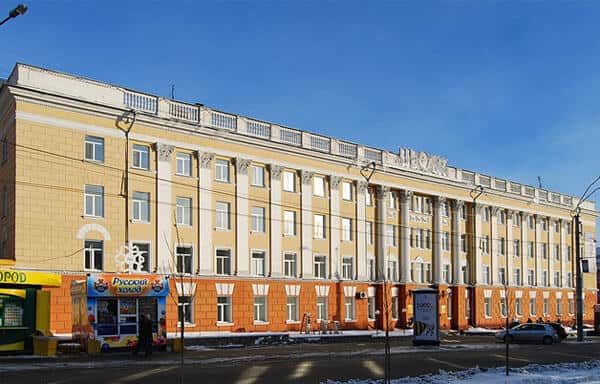
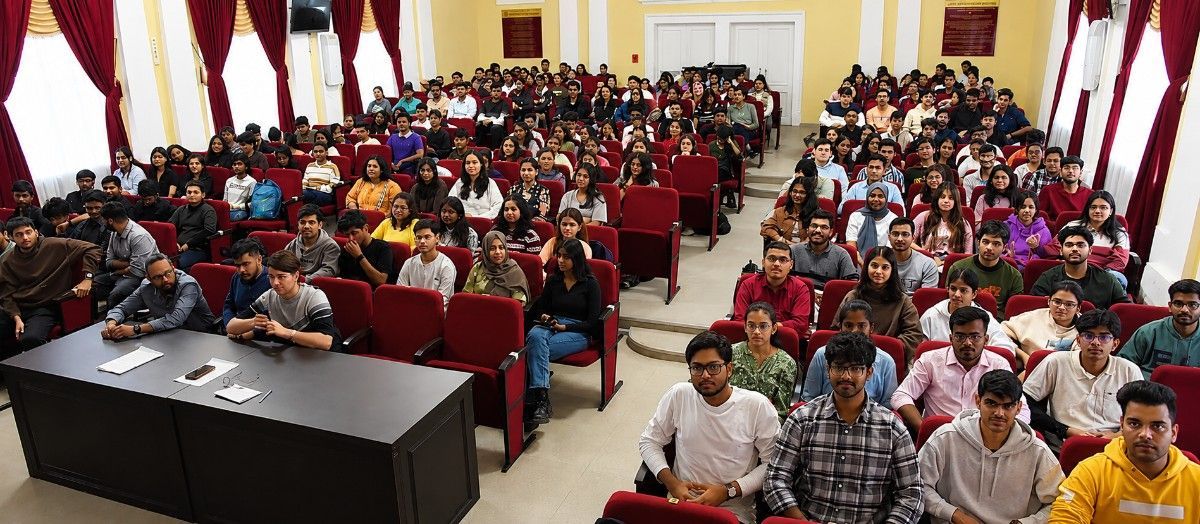
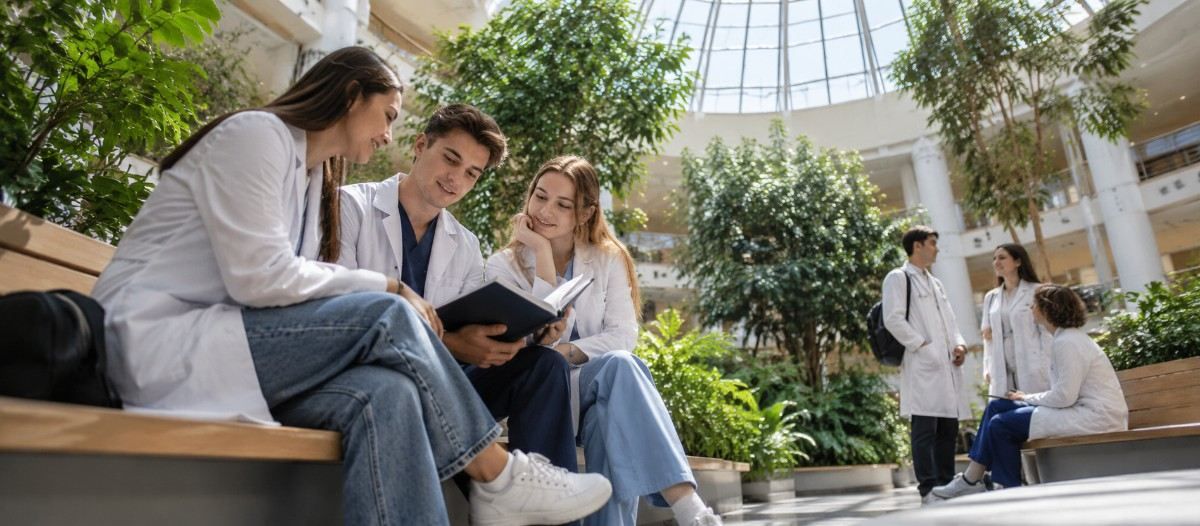
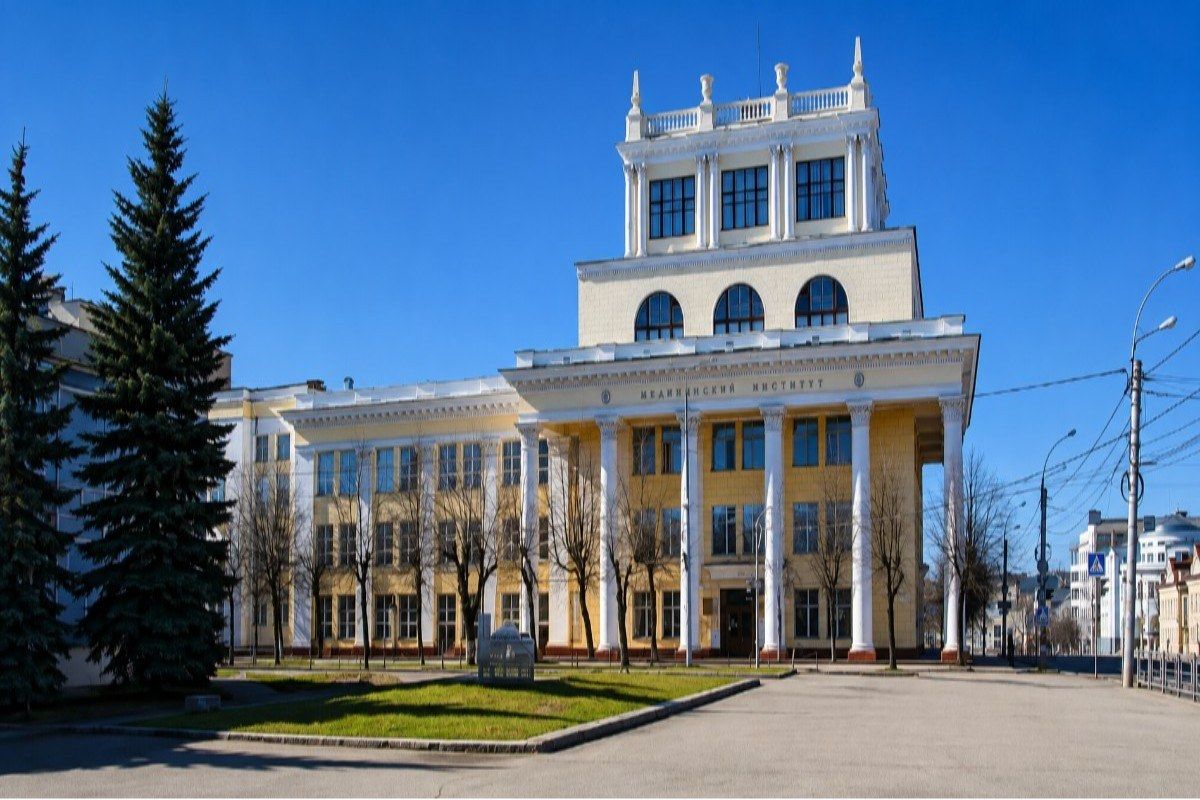
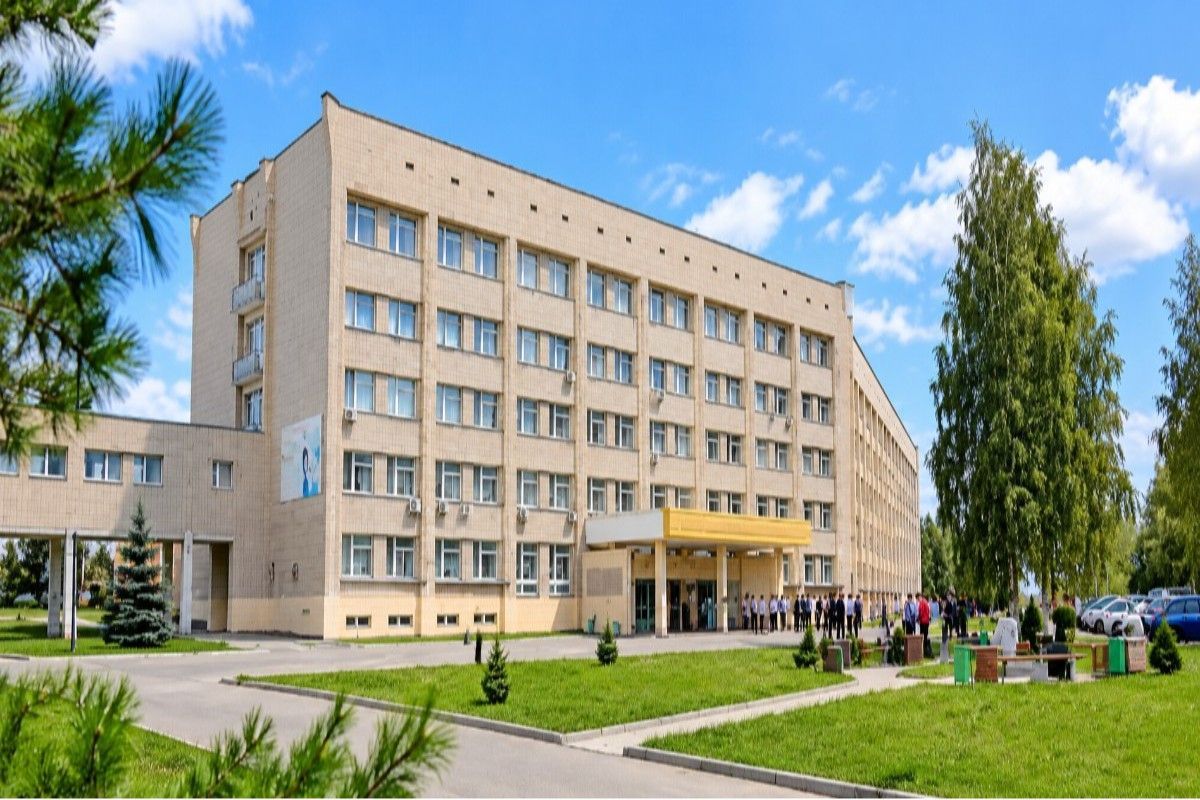
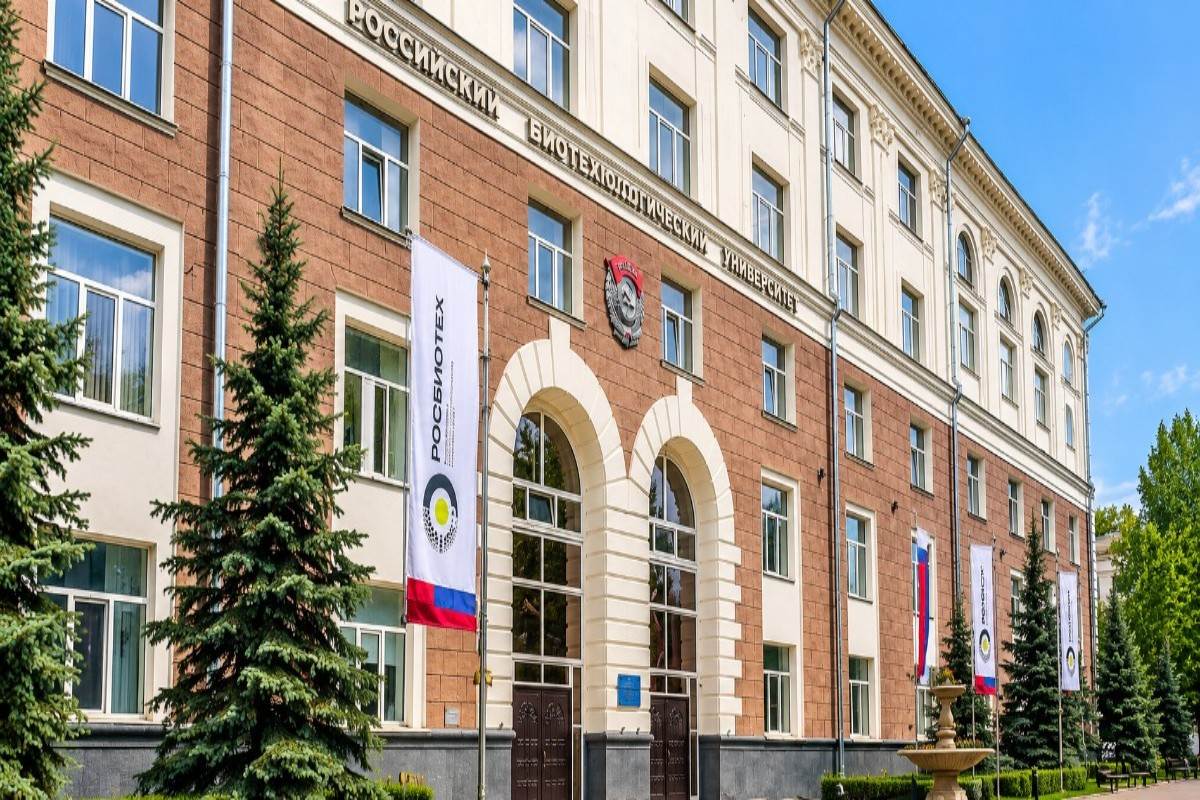
Altai State Medical University (ASMU) in Barnaul, Siberia, is one of Russia's most respected and longest-serving government medical institutions, established in 1954. Located in the Altai region along the Ob River in the Western Siberian Plain, ASMU sits in a city of approximately 700,000 people that serves as the administrative centre of Altai Krai, one of Russia's most agriculturally and industrially significant regions. With over 4,500 students enrolled, including 800 international students (approximately 600 from India), ASMU has developed one of the strongest Indian student communities among Siberian medical universities. The Faculty of General Medicine at ASMU is one of the largest in the Russian Federation. Approximately 90% of physicians currently practising in the Altai region are alumni of ASMU, a statistic that reflects the university's foundational role in regional healthcare and its enduring academic standards across seven decades. The university has trained more than 25,000+ graduates who are now practising medicine across Russia and internationally, and its contributions to research and clinical practice are reflected in its long-standing collaboration with the Altai Regional Clinical Hospital, the largest in the region, with 1,200 beds, as well as multiple district and specialised hospitals where students conduct their clinical rotations from Year Three onwards. The six-year MBBS (MD equivalent) programme at ASMU is taught in English for international students. Clinical rotations begin in Year Three and cover Internal Medicine, Surgery, Paediatrics, Obstetrics and Gynaecology, Emergency Care, and other core disciplines under active physician supervision in ASMU's affiliated hospital network. The university's academic infrastructure includes state-of-the-art anatomy halls, simulation laboratories, digital classrooms, and a comprehensive library. It has held exchange programmes with American and European universities for many years, maintaining the currency of its academic environment. ASMU is recognised by the NMC of India, WHO, FAIMER, WFME, USMLE-eligible bodies, and the General Medical Council of European countries, making its graduates eligible for NExT in India, USMLE in the United States, PLAB in the United Kingdom, and licensing across Europe. The Russian language is studied in parallel from Year One as a compulsory subject, as clinical work with patients from Year Three requires basic Russian for patient communication, a standard feature of Russian MBBS programmes that most Indian students adapt to within 12–18 months. Barnaul is a safe, quieter city than Moscow or St. Petersburg, with a cold Siberian climate that students must prepare for, as temperatures drop well below freezing in winter. However, the lower cost of living is a significant advantage: hostel accommodation costs approximately USD 25–30 per month shared, and total annual living expenses, including food, are among the most affordable of any university in this guide. The Indian student community in Barnaul, with 600+ enrolled, provides strong peer support, cultural events, and access to Indian food through nearby restaurants. The total 6-year MBBS budget at ASMU is approximately USD 23,405 to 32,768, including tuition, accommodation, and living expenses, well within the affordable bracket for a government medical university of this caliber.