
Q1. Is NEET mandatory for BelSU admission?
+A.Yes, no exceptions. Indian students need a valid NEET UG score; that requirement comes directly from NMC guidelines and the university follows it strictly. Get that sorted before anything else.

 Russia | Est. 1876
Russia | Approved by WHO, NMC India, ECFMG, WFME, and FAIMER. Also recognised by the Russian Federation's Ministry of Health and Ministry of Education and Science. Graduates are eligible to appear for FMGE, USMLE, and PLAB licensing examinations. | 100% English medium. No Russian language requirement. IELTS/TOEFL not required medium
Expert will call you within 2 hours
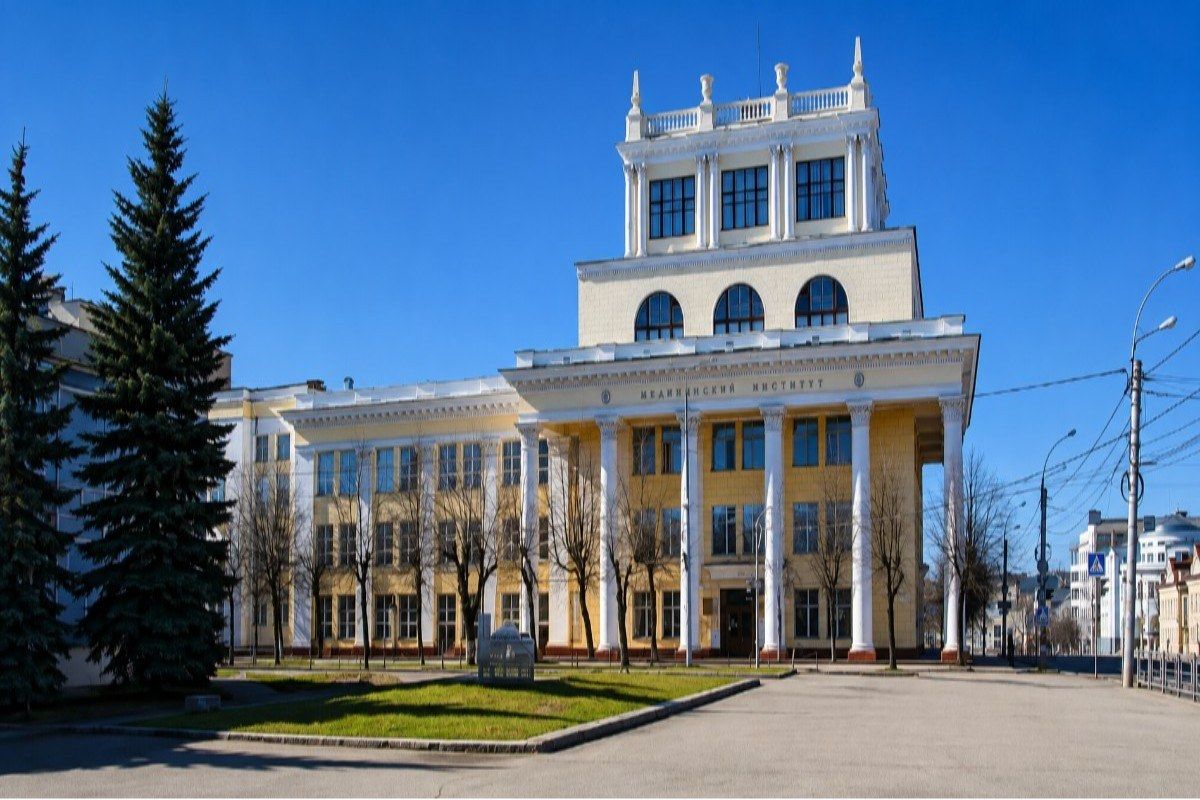
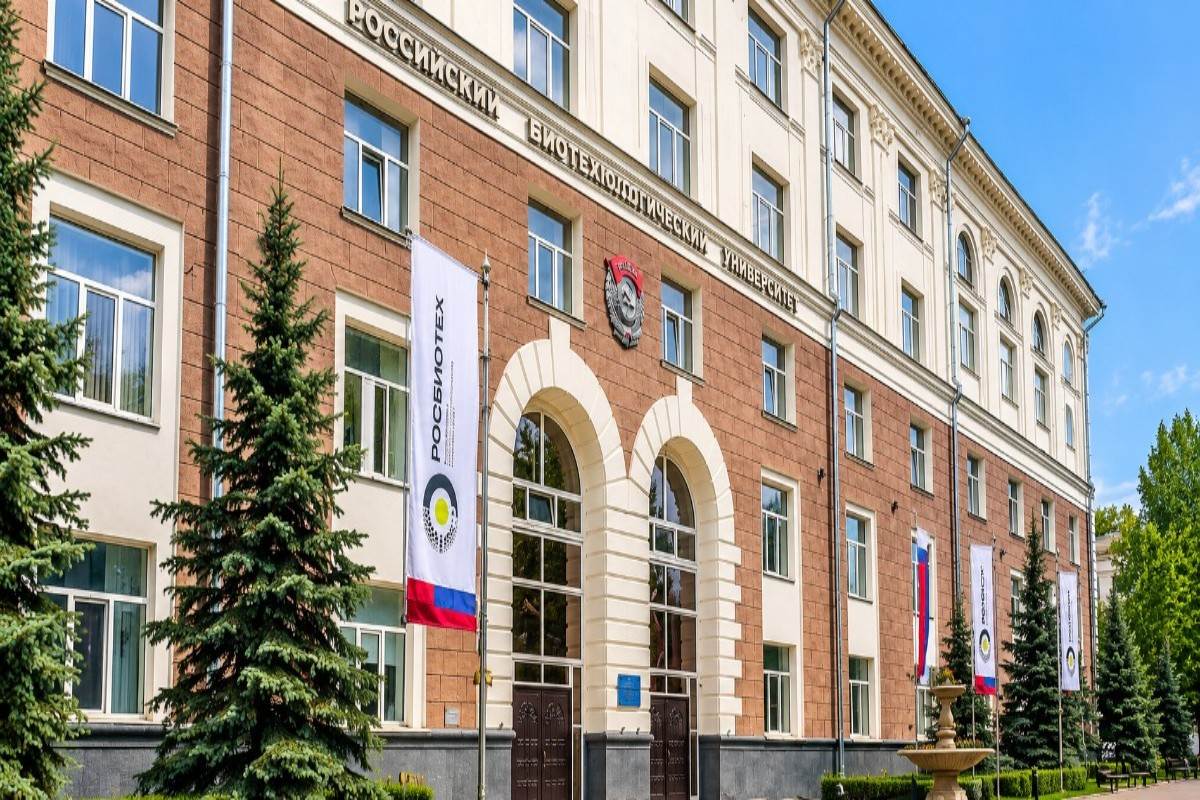
Russia has long held a strong reputation for producing well-trained doctors, and the Medical Institute at Belgorod National Research University is one of the institutions keeping that tradition alive. BelSU itself was established in 1876, making it one of the older universities in the country. The Medical Institute within it has been pulling in both Russian and international students for decades now. Belgorod sits in southwestern Russia, not far from the Ukrainian border; it is a quieter city, clean and manageable, and noticeably cheaper to live in compared to Moscow or St. Petersburg.
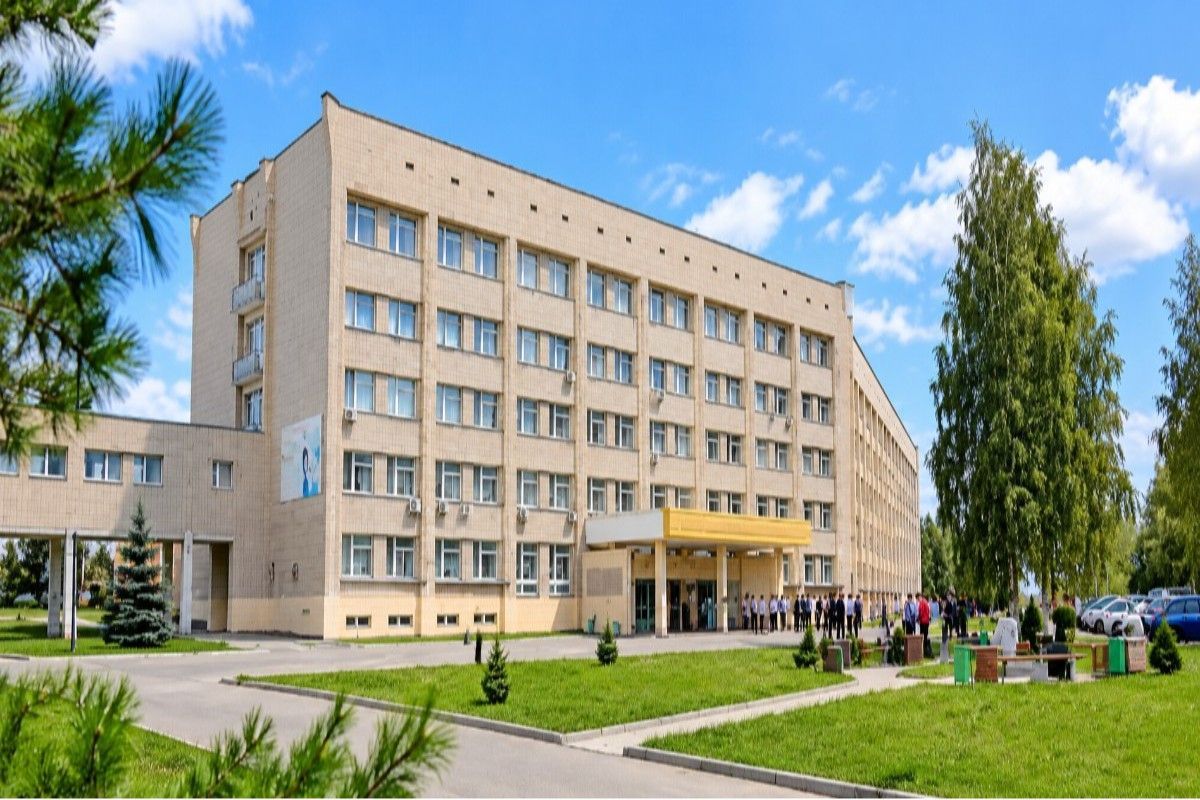
The campus spans across Belgorod city and has what you would expect from a serious research university; modern lecture halls, labs, simulation centres, and hostel blocks for international students. What makes BelSU different from a standalone medical college is the wider research ecosystem around it. With over 74 research centres and laboratories running across disciplines, medical students here get access to facilities that most dedicated medical colleges simply cannot match.
The international student base is steady. Over 1,800 students from more than 76 countries study at BelSU, and Indian students are a significant part of that group. The university has picked up recognition from major global bodies over the years and holds a reputation among students looking for a serious, affordable MBBS in a European country.
The MBBS curriculum starts with strong foundational science and adds clinical exposure as you move through the years; a sensible structure that works well in practice. Everything is taught in English, so there is no language wall to worry about. IELTS and TOEFL are not required either, which keeps the admission process accessible. Graduates can appear for FMGE, USMLE, and PLAB after finishing the program.
BelSU also offers Dentistry and Nursing. But for Indian students, General Medicine is almost always the reason they come here. The FMGE track record is decent, and you will find alumni from BelSU practicing in India, the UK, and elsewhere.
Cost is a practical consideration and BelSU holds up well on that front. Annual tuition sits around USD 4,900, and the total yearly cost including hostel and living is roughly USD 5,300 to USD 5,700. Add it all up across six years and you are looking at somewhere between ₹29 and ₹32 lakhs; no donation, no surprise charges. That kind of clarity in pricing is something a lot of students and parents genuinely appreciate.
Clinical training happens at hospitals across the Belgorod region. These are actual postings; students are expected to work with real patients under faculty supervision, not just observe from a distance. Departments covered include Internal Medicine, Surgery, Pediatrics, OB-GYN, and Emergency Medicine.
Belgorod has an international airport, and flights via Moscow connect to major Indian cities without too much difficulty. The city itself is calm and relatively safe, which tends to matter a great deal when parents are deciding where to send their child for six years.
No hidden charges, no donation. The full picture of costs at Belgorod National Research University Medical Institute.
Tuition Fee
Approximately USD 4,900 per year (~₹4.1–4.2 lakhs INR). Total all-inclusive USD 5,300 and USD 5,700 (~₹4.5–4.8 lakhs INR).
USD 4,900/yr ≈ ₹4.1 lakh
Hostel Fee
Shared room costs approximately USD 350–500 per year (₹29,000–41,500).
USD 350–500/yr ≈ ₹29,000–41,500/yr
Food & Meals
₹7,000–₹10,000 per month
per month
Insurance
USD 150 to USD 200 (approx. ₹12,500 to ₹17,000/yr)
per year
Donation
No Donation
No Hidden Fees
Total Estimated Cost
₹29–32 lakh Total 6 Year Cost
6 Year
25–35%
Average FMGE first-attempt pass rates for students from many overseas medical universities. Students from structured programs consistently score higher.
Students returning to India need to clear the FMGE/NExT exam. Belgorod National Research University Medical Institute integrates exam-oriented coaching into the regular curriculum so students are prepared from day one.
A structured program that takes you from foundational sciences to clinical mastery.
Introduction to Medical Latin, History of Medicine, Cell Biology, and basic clinical ethics
Core subjects include Anatomy, Histology, Biochemistry, and Biophysics that form the pre-clinical foundation
Introduction to Pharmacology, Pathological Anatomy, and Research Methodology
In-depth study of Physiology, Microbiology, and Biochemistry
Introduction to Propedeutics of Internal Medicine and surgical disciplines through simulation labs
Advanced Pathology, Pathophysiology, and Immunology with early hospital exposure
Clinical study of Neurology, Psychiatry, Dermatology, ENT, Ophthalmology, and Infectious Diseases
Structured hospital rotations in Internal Medicine, General Surgery, Pediatrics, and Obstetrics & Gynecology
Students independently manage patients under senior specialist supervision in affiliated hospitals
Advanced rotations in Surgery, Traumatology, Emergency Medicine, Cardiology, and Oncology
. Final preparation and coaching for FMGE, NEXT, USMLE, and PLAB licensing examinations
Full-time compulsory rotations across Internal Medicine, Surgery, Pediatrics, Obstetrics & Gynecology, and Trauma departments

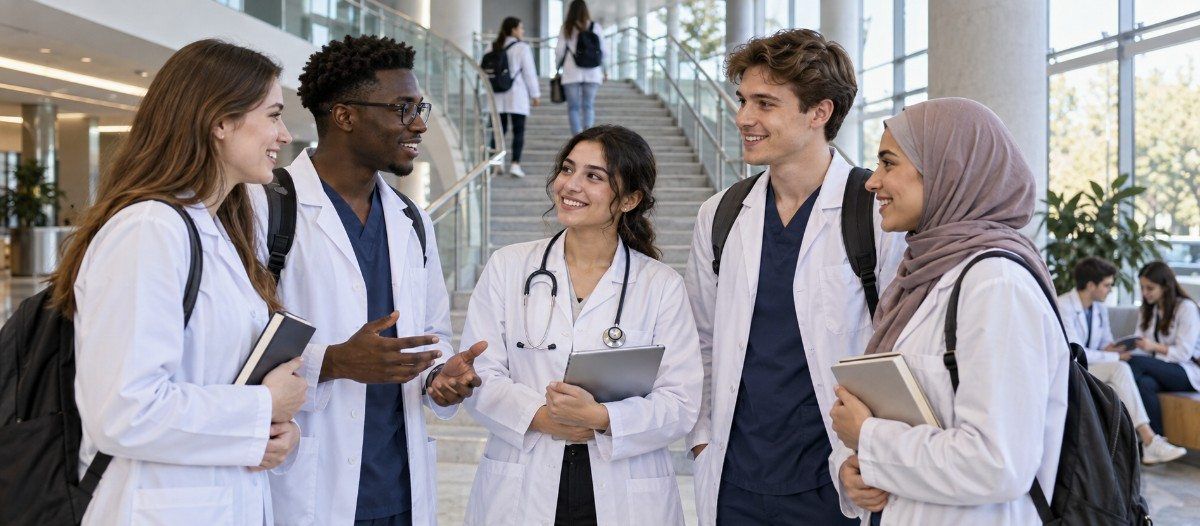
Furnished hostel rooms with Wi-Fi, laundry, 24/7 security, and Indian mess on or near campus.
Indian restaurants and mess facilities serving vegetarian and non-vegetarian home-style food daily.
Strong Indian community with cultural events, festival celebrations, and peer support groups.
Students get hands-on clinical training in government and private hospitals affiliated with the university.
Practical information for students planning to study at Belgorod National Research University Medical Institute.
Prepare for all seasons. Thermal wear for winters, light clothing for summers. University provides heating in hostels.
Student visa processed with university invitation letter. Direct and connecting flights from major Indian cities.
Health insurance included in fees. Medical facility on campus plus city hospitals easily accessible.
Local SIM cards available. WhatsApp and video calls keep you connected with family back home.
Average monthly expenses of $150–$250 covering food, transport, and personal needs.
University library, online databases, and study groups. Seniors mentor juniors through academic challenges.
Our team guides you through every step — from application to arriving on campus.
Shortlist 3–5 NMC-approved universities on fees, city, FMGE reputation, and hostel quality.
Submit the application with academic documents and NEET scorecard.
Receive the Admission/Offer Letter from the university.
Pay the initial tuition instalment via the official channel.
Receive the Invitation Letter, issued by Russia's Ministry of Foreign Affairs — your visa depends on this.
Apply for the Student Visa via Embassy/VFS; realistic processing time is 2–4 weeks.
Arrange winter clothing, travel/health insurance, and a 5–8% currency buffer for ruble fluctuation in the final weeks before travel.
Travel, typically late August to early September.
Complete enrollment, a medical check-up, and hostel allotment on arrival.
Attend orientation; classes begin in the first/second week of September.
Admission Helpline — Contact our counsellors for step-by-step assistance.
“The faculty here is incredibly supportive. The clinical training during hospital rotations has given me real confidence in patient care.”
“Affordable fees without compromising on quality. The campus facilities and hostel life made my transition abroad very smooth.”
“English medium instruction and WHO-recognized curriculum were the deciding factors for me. No regrets so far — excellent experience overall.”
“The university helped with everything from visa to accommodation. Hospital exposure from year three has been invaluable for my FMGE prep.”
“Just cleared my licensing exam on the first attempt. The structured coaching and mock exams during final year were a game-changer.”
“Safe campus, good food options, and a strong Indian student community. The teaching methodology is very practical and hands-on.”
A.Yes, no exceptions. Indian students need a valid NEET UG score; that requirement comes directly from NMC guidelines and the university follows it strictly. Get that sorted before anything else.
A.Yes, completely. You do not need Russian for your classes and no English test score is required either. The university does a basic internal check but it is not a barrier for most students.
A.Roughly ₹29–32 lakhs when you count tuition, hostel, food, and insurance together. That number does not jump around because there is no donation or extra fee added on top. What is quoted is what you pay.
A.Yes. WHO recognition and NMC approval are both in place. After graduating, you sit for FMGE or NEXT and go from there. The pathway is clear.
A.September is when the academic year begins. That gives you roughly a few months to get documents, visa, and travel sorted after confirming admission; but do not leave it too late.
A.Decent. Rooms are furnished, Wi-Fi works, washrooms are attached, and male and female students have separate blocks. Indian food is available nearby. It is not luxury accommodation but it is comfortable enough for six years.
A.None. The fee structure at BelSU is fixed and transparent from day one. No capitation, no under-the-table charges, nothing that appears suddenly in Year 3.
A.Yes. ECFMG and WFME recognition means the degree is accepted for USMLE in the USA and PLAB in the UK. Quite a few BelSU graduates have taken that route.
A.Over 900 Indian students are enrolled currently. There is an established community, which means seniors who have been through the system already, familiar food options, and a social environment that does not feel completely foreign.
A.At hospitals across the Belgorod region. From Year 4 onward, students rotate through actual working departments: Internal Medicine, Surgery, Pediatrics, Emergency, and more. It is hands-on work, not just shadowing.
A. 1,556th in the world and 29th in Russia overall. For the Medical Institute specifically, it sits 11th in the BRICS medical university rankings, which is a genuinely good position for a non-metro Russian university.
Our expert counsellors will guide you through the complete admission process — from documents to airport pickup.