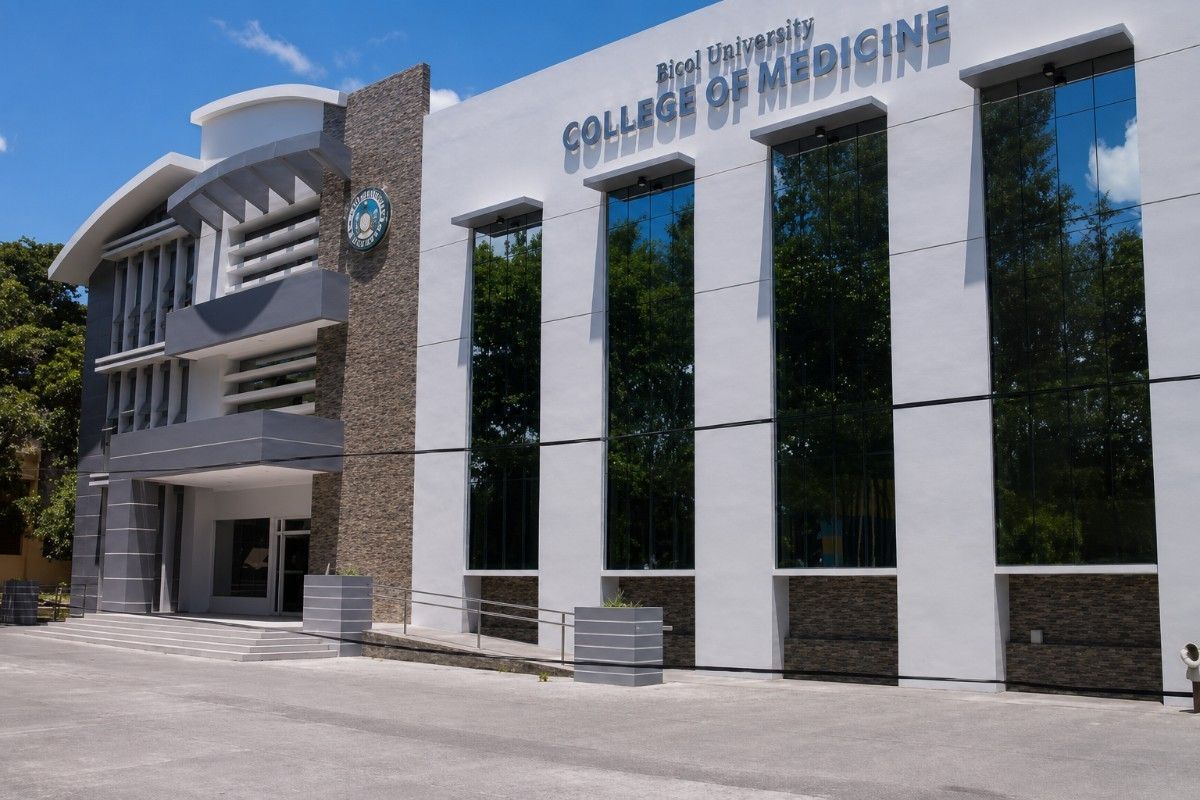
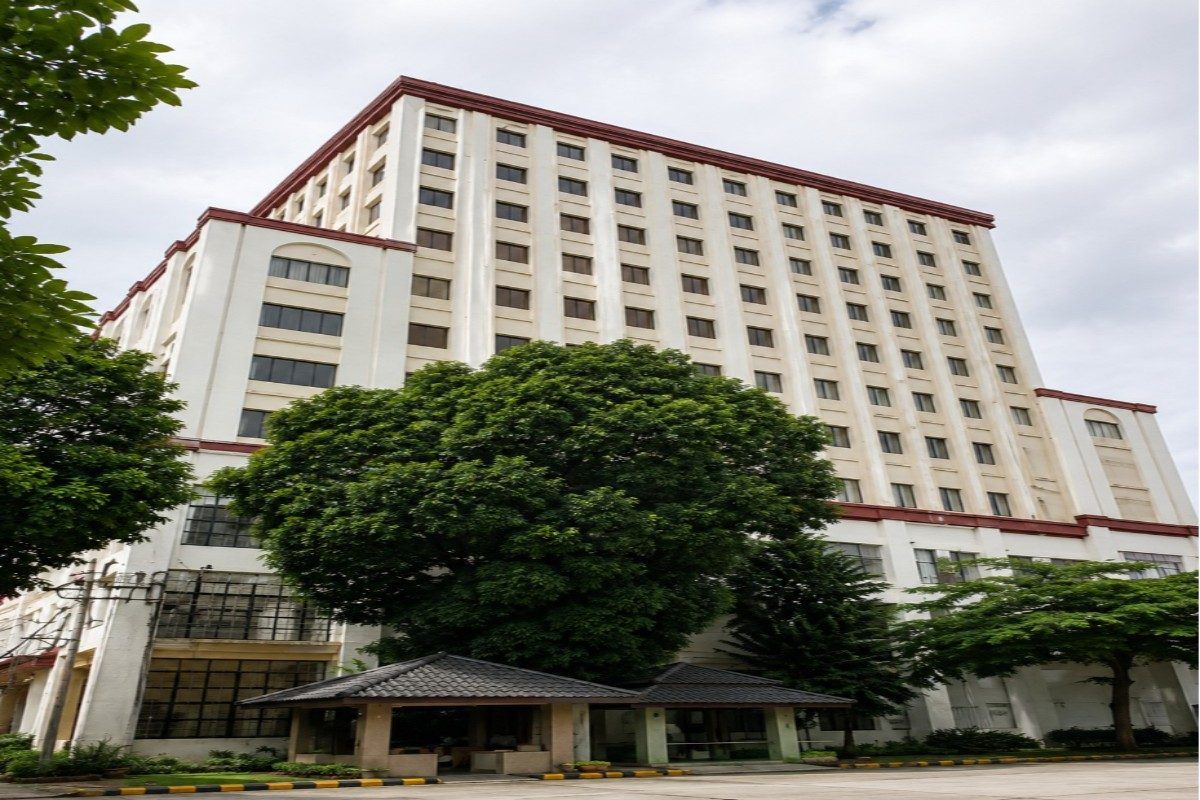
About the Bicol University College of Medicine, say the same lines. Low fees. Indian food in the hostel. NMC approved. Here's the problem: almost none of that is actually about this school. So, let's sort out the mix-up first, because it changes everything else on this page.
There are two separate medical schools in Legazpi City, Philippines, and the internet keeps blending them into one. Bicol University College of Medicine, or BUCM, is a public school within Bicol University, a state university founded in 1969. Then there's Bicol Christian College of Medicine, also called AMEC, a private school founded in 1975 by Dr. Damaceno Ago. These are two different schools, with two different histories, two different hospitals, and two very different paths for an Indian student. Yet page after page uses the name “Bicol University College of Medicine” while describing Ago's hostel food, Ago's hospital, and Ago's international office. That's not a small typo. It's a mix-up that could send a family to the wrong campus.
So, who is BUCM, the real public one? Bicol University's Board of Regents approved the College of Medicine on September 3, 2012. Planning ran through 2013, and the school opened in the 2014-15 academic year, welcoming a Pioneer Batch of 62 students under its first Dean, Dr. Ruben Caragay. President Benigno Aquino III inaugurated the new building on May 19, 2014. In fact, the school was launched as a joint MD and Master's in Public Administration program before switching to a standalone MD track starting in the 2018-19 academic year. So, it's a young college, but one built with real government backing, not a private venture chasing foreign tuition.
Now, here's the part that matters most for an Indian applicant. BUCM's own admission requirements point toward Filipino citizens, not international students. The list includes an NSO or PSA birth certificate, which the Philippine government issues to those born in the country, an NBI clearance, a domestic police-style check, and a copy of the parents' Philippine income tax return. There's also a Return Service Agreement, which requires every graduate to work in the Philippines for at least two years after finishing. Also, most seats are routed through the Medical Scholarship Return Service Program. This government scheme covers tuition for over 90 per cent of students and is tied directly to that service requirement. None of these points to an open international pipeline, the way private colleges like AMEC or Ateneo run one.
Also worth a direct comparison: BUCM requires an NMAT score at or above the 65th percentile and a completed 4-year Bachelor's degree in any field, so this isn't a direct 12th-to-medicine program either. Add the citizen-only paperwork, and an Indian student is looking at real friction points that most blogs never mention, since they're actually writing about a different, private school just a few kilometres away.
None of this makes BUCM a weak school. Quite the opposite, for the audience it's actually built for. It runs the MAPALAD Program, which expanded first-year seats to 156 students and widened access for applicants from across the Bicol Region and beyond. Its base hospital, the Bicol Regional Training and Teaching Hospital, gives students real community-medicine exposure, not just textbook cases. And because it is run by a state university with CHED's Certificate of Program Compliance, its academic standards are on solid ground.
So, who does BUCM actually suit? Filipino citizens or dual citizens who can access the NSO documents and the government scholarship route. Students are drawn to public health and rural medicine training, since that's the school's core mission. Or applicants who plan to build a career inside the Philippines, since the Return Service Agreement expects exactly that. For an Indian student hoping for a straightforward MBBS abroad seat, BUCM is not the right option right now. The nearby private school, AMEC, or a fully international-facing college elsewhere in the Philippines, fits that goal far better.
Quick Overview
Parameter | Details |
Parent University Founded | 1969, Bicol University, a Public State University |
College of Medicine Approved / Opened | Approved 2012; Opened 2014–15 with a Pioneer Batch of 62 Students |
Location | Legazpi City, Albay, Bicol Region, Philippines |
University Type | Public, State-Funded, Under the Commission on Higher Education (CHED) |
Base Hospital | Bicol Regional Training and Teaching Hospital, Legazpi City |
Degree Offered | Doctor of Medicine (MD), Standalone Since Academic Year 2018–19 |
Course Length | 4 Years (Includes a 12-Month Clerkship Year); Entry Needs a Prior Bachelor's Degree |
Admission Pipeline for Indian Students | Not Established, Admission Papers Point Toward Filipino Citizens |
Fee Structure (What's Actually Verified)
Fee Head | Status | Notes |
Tuition (Government Scholars) | Largely Covered | Over 90% of students study under the Medical Scholarship Return Service Program, tied to a service bond. |
Tuition (Self-Funded, Non-Scholar) | Not Published for Foreign Applicants | BUCM has no standard international-student fee schedule available; contact the school directly |
Application Fee | PHP 1,500 (One-Time) | Non-refundable, paid with the application form |
Housing | Not Formally Offered to Foreign Students | No dedicated international-student hostel or housing office found on record. |
Return Service Bond | 2 Years Minimum | Applies to scholarship students; effectively ties graduates to Philippine service |
Why “BUCM” Are Actually About a Different School
First, the hospital gets mixed up all the time. Several pages credit BUCM with Ago General Hospital, a facility that actually belongs to AMEC, the private college founded by Dr. Damaceno Ago. BUCM's real base hospital is the Bicol Regional Training and Teaching Hospital, with which it has a formal agreement.
Second, the fee figures don't add up. Blogs quote precise numbers, such as INR 4.32 lakhs for year one or a flat USD 28,000 to 30,000 total. Those numbers trace back to AMEC's fee schedule, not BUCM's, since BUCM runs mostly on government scholarships and has no clear public rate card for foreign fee-paying students.
Third, the citizenship angle gets skipped entirely. Not a single ranking page mentions that BUCM's application list requires an NSO or PSA birth certificate and an NBI clearance, both of which are tied to Philippine citizenship. That single gap could waste months of a family's planning.
Fourth, the Return Service Agreement never comes up. This bond expects graduates to work in the Philippines for two years. For a student planning to return to India right after graduation, that's a major detail no one is telling them about.
Finally, what nobody covers is what BUCM is genuinely proud of: the MAPALAD Program, which opened first-year seats to 156 students from across Luzon, the Visayas, and Mindanao, and a mission specifically focused on training doctors for underserved Filipino communities. That story is worth telling on its own, not buried under someone else's fee chart.