
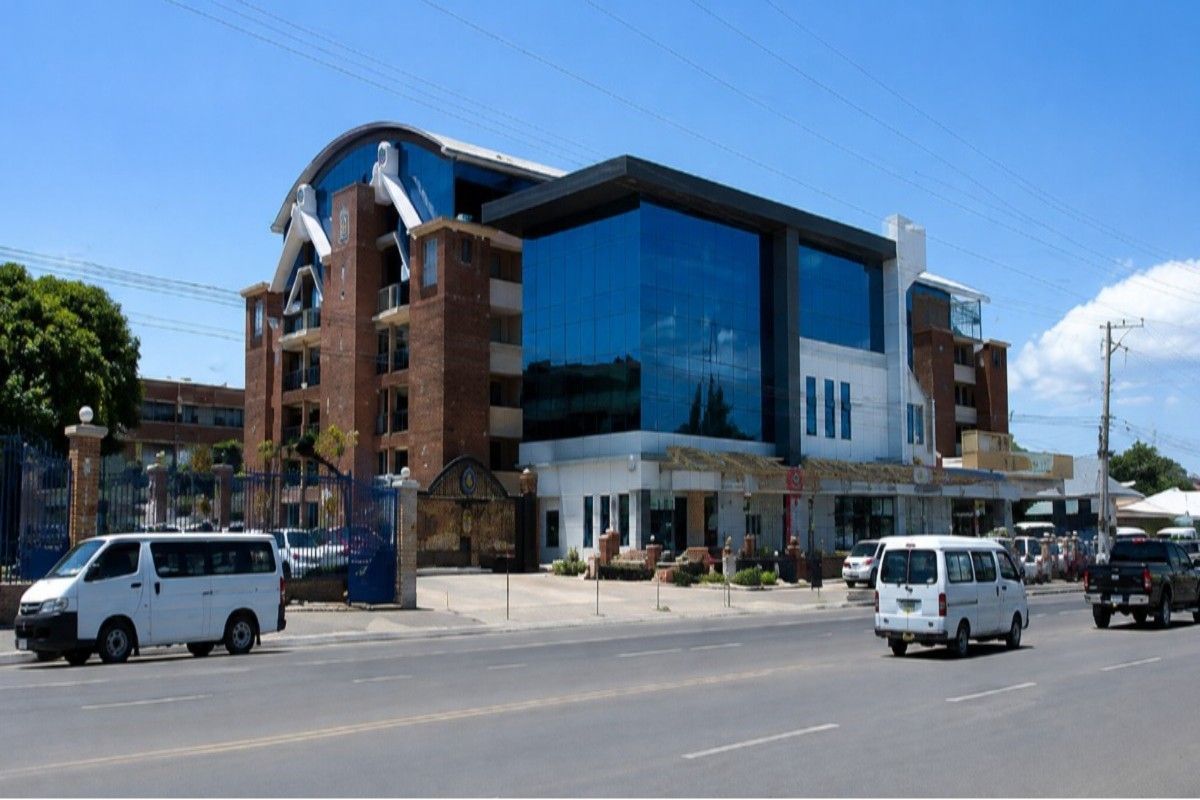
1. Where is Jose Maria College of Medicine Foundation located?
+On the Philippine-Japan Friendship Highway in Davao City, Mindanao, Philippines
 Philippines | Est. 2000
Philippines | CHED Permit No. 012 (2019), upgraded to full CHED recognition for the MD programme. Listed in WDOMS under ID F0008047. PRC Board of Medicine monitoring visit, September 2023 | English medium
Expert will call you within 2 hours
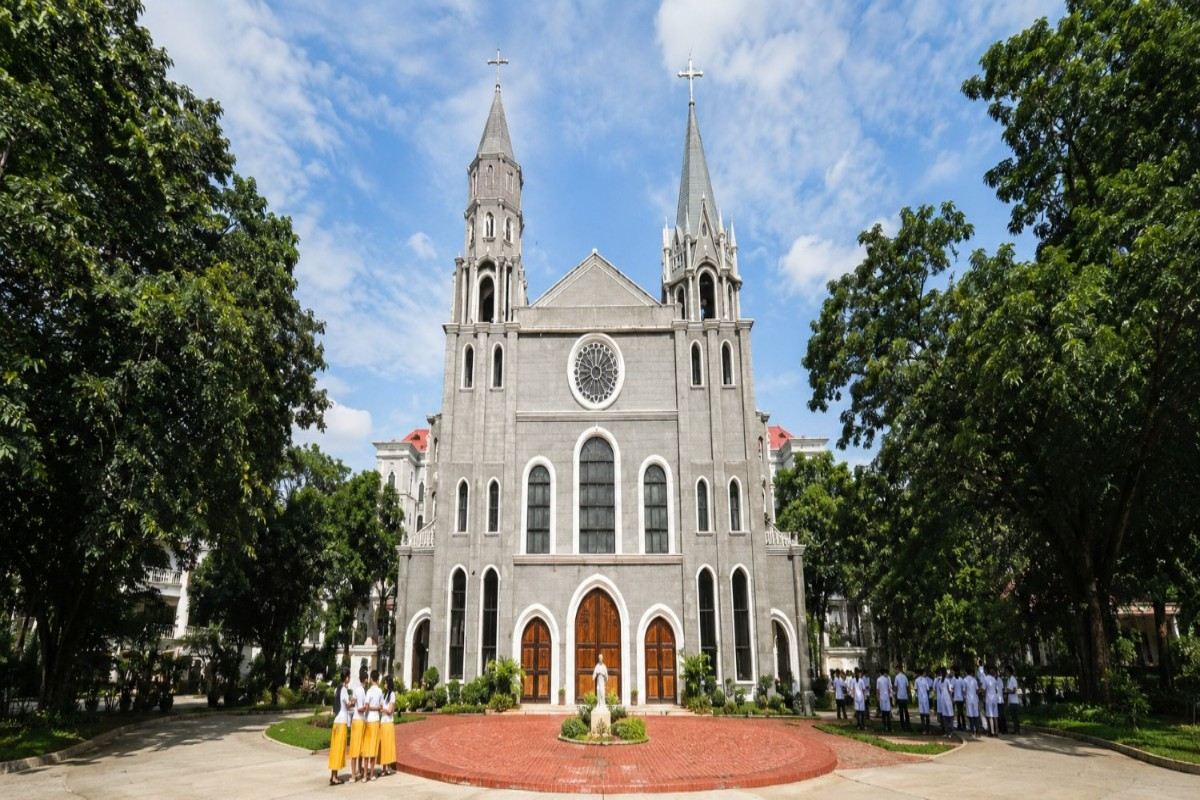
Jose Maria College of Medicine Foundation, often shortened to JMCM, is a private medical school in Davao City. Davao sits on the island of Mindanao in the southern Philippines. The school stands on the Jose Maria College campus along the Philippine-Japan Friendship Highway. It is the medical arm of Jose Maria College Foundation, Inc.
The school is young. It was granted government Permit No. 012, Series of 2019, by the Commission on Higher Education under Republic Act No. 7722. The World Directory of Medical Schools records 2018 as the year teaching began. The directory lists the school under the ID F0008047. That listing is the first thing most foreign licensing bodies check.
The founding story matters, because it shapes the way the school teaches. Davao already had two medical schools when JMCM opened. A third one needed a clear reason to exist. That reason was Mindanao itself. The school says the roughly 30 million people of Mindanao are the heart of why it was set up. It also says the course was built to fit the region and its health needs. Anyone who reads Philippine health data knows the pattern. Doctors gather in Manila and Cebu. Many parts of Mindanao are short of doctors, above all in rural towns and tribal areas. JMCM was set up to push back against that gap. It wants to train doctors who already have roots in the region and are likely to stay.
A second influence on the course is the Universal Health Care Law, Republic Act No. 11223. The school states openly that this law shaped its course design. The law pushed the health system toward joined-up, population-based care. JMCM tries to mirror that in class. Students are asked to see health promotion, prevention, cure, comfort care and rehab as one chain, not as separate boxes. In plain terms, public health, family medicine and community work are not filler. They carry weight from the first year.
The degree on offer is the Doctor of Medicine, or M.D. As at every medical school in the Philippines, it runs for four years. It is a post-graduate course. Students must already hold a bachelor's degree before they can join. Most come from pre-med courses such as biology, medical technology, psychology, nursing or allied health. After the four years, there is a one-year internship. Only then may a graduate sit the Physician Licensure Examination run by the Professional Regulation Commission. This four-plus-one path is the same across the country. So, a JMCM graduate walks the same road as a graduate of any older Philippine school.
Entry is competitive, and the paperwork is heavy. The school asks for an NMAT result taken in the last two years. It also asks for a transcript of records from the pre-med degree, a certificate of general weighted average, a certificate of good moral character, and two letters of support. Those letters must come from a former dean, professor or school officer. Transferees face a longer list. They must add a letter of intent to the Dean of the College of Medicine, plus transcripts from both the old medical school and the pre-med course.
Once an offer is made, enrolment needs more papers. These include an acceptance letter from the Medical School Admission Committee, an NBI clearance, a PSA birth certificate, and a medical clearance from the school doctor. That clearance is unusually detailed. It covers a blood count and blood typing, urine and stool tests, a chest X-ray, an anti-HBs titre, an HBsAg screen and a drug test. It also needs a neuropsychiatric check from the Southern Philippines Medical Center clinic. A student is only a full medical student once the registrar issues the Certificate of Registration.
The school's standing with regulators has grown step by step. It began with a CHED permit. That is the normal start for any new course in the country. It later gained CHED recognition for the Doctor of Medicine. Recognition is the stronger status. It is granted after a review of staff, course design, research, buildings and student support. The Professional Regulation Commission Board of Medicine also visited the College of Medicine in September 2023. That visit was part of its routine check on courses that feed the licence exam. CHED Regional Office XI has kept up its own monitoring visits since then. For a student from abroad, this steady oversight is worth noting. Recognition status and the World Directory listing are the two things that decide whether a foreign board will accept the degree later.
Davao City is a real asset for a medical student. It is one of the largest cities in the country by land area. It works as the trade and health hub of southern Mindanao. It is also seen as one of the safest and best run cities in the Philippines. Living costs are much lower than in Manila. Rent, food and travel go further, and that counts over a five-year stay. The city has large tertiary hospitals. These include the Southern Philippines Medical Center, the biggest government hospital in Mindanao, plus several private tertiary hospitals. Patient volume is high and the case mix is broad. Students see infection, trauma, childbirth and a rising load of long-term illness such as diabetes and heart disease. In short, they see the real Philippine disease picture, not a narrow city slice of it.
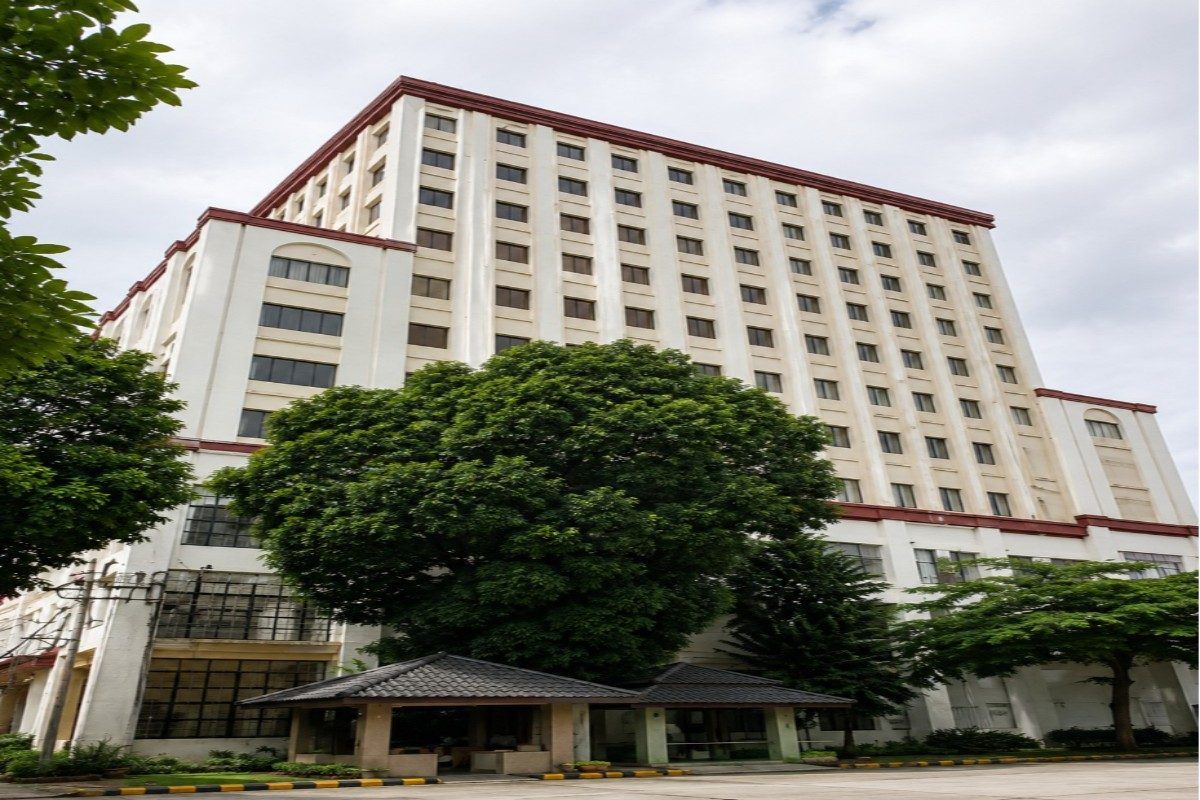
Campus life is compact. The medical school shares a campus with other JMC courses. Law, criminology, education and the basic school units all sit on the same grounds. The feel is closer to a small college town than a lone medical faculty. Facilities include labs, a skills area, library stock and lecture rooms set aside for medicine. Class groups are small next to the big Manila schools. Staff tend to know each student by name. That has a real effect on learning. Feedback comes faster. Weak spots are caught early. Clinical tutors know who they are grading.
Students from abroad, and Indian students in particular, need a few plain facts. The Philippines is now a common study choice for Indian students. Even so, the route is not the same as the six-year direct-entry MBBS in Russia or Georgia. Here a student first finishes a pre-med bachelor's degree. Only then comes the four-year M.D. Indian students must also hold a qualifying NEET-UG score for the year of entry, as the National Medical Commission requires. They must also plan for the exit screening test when they return home. The NMAT is one more step that most other study routes do not have. Anyone weighing up JMCM should confirm the current policy for foreign students with the school itself. Intake rules are still taking shape, and most published guidance is aimed at local applicants.
One last point, on cost and openness. JMCM does not publish a full fee schedule on its public website at this time. So fee figures should be confirmed in writing by the admissions office before any money is paid. If an agent quotes a fixed package, ask to see the school's own letter. The cost table below is a planning guide only. It is based on typical private Philippine medical school pricing. It is not an official quote from the school.
No hidden charges, no donation. The full picture of costs at MBBS in Jose Maria College of Medicine Foundation.
Tuition Fee
₹3,60,000 to ₹4,18,000
USD 3,500/year (₹3,10,000)
Hostel Fee
USD 1,200/year (₹1,06,000)
USD 1,200/year (₹1,06,000)
Food & Meals
USD 1,500/INR(1,33,000)
per Month
Insurance
₱130.00 per semester
per year
Donation
No Donation
No Hidden Fee
Total Estimated Cost
7,000USD , 6,19,000INR
6 year
25–35%
Average FMGE first-attempt pass rates for students from many overseas medical universities. Students from structured programs consistently score higher.
Students returning to India need to clear the FMGE/NExT exam. MBBS in Jose Maria College of Medicine Foundation integrates exam-oriented coaching into the regular curriculum so students are prepared from day one.
A structured program that takes you from foundational sciences to clinical mastery.
The first year builds the base. Students learn normal body structure and function before they study disease, and they meet patients early through community health work
Anatomy, histology, physiology, biochemistry, medical ethics, community and family medicine, introduction to clinical skills
Students learn how disease starts, how drugs act, and how to take a history and examine a patient properly
Pathology, pharmacology, microbiology, parasitology, immunology, clinical epidemiology, physical diagnosis. The focus shifts from normal to abnormal
This year links theory to bedside practice. Teaching moves into hospital settings, with case-based work in the major specialties
Internal medicine, surgery, paediatrics, obstetrics and gynaecology, psychiatry, radiology, legal medicine, preventive medicine
Students work as clerks in affiliated hospitals and health centres. They clerk patients, join rounds, assist in procedures and present cases under supervision
Rotations in internal medicine, surgery, paediatrics, obstetrics and gynaecology, family and community medicine, emergency care and elective postings
Completing it is required before sitting the Physician Licensure Examination
Full rotating internship across the core clinical departments. A paid or credited hospital year with real duty responsibility
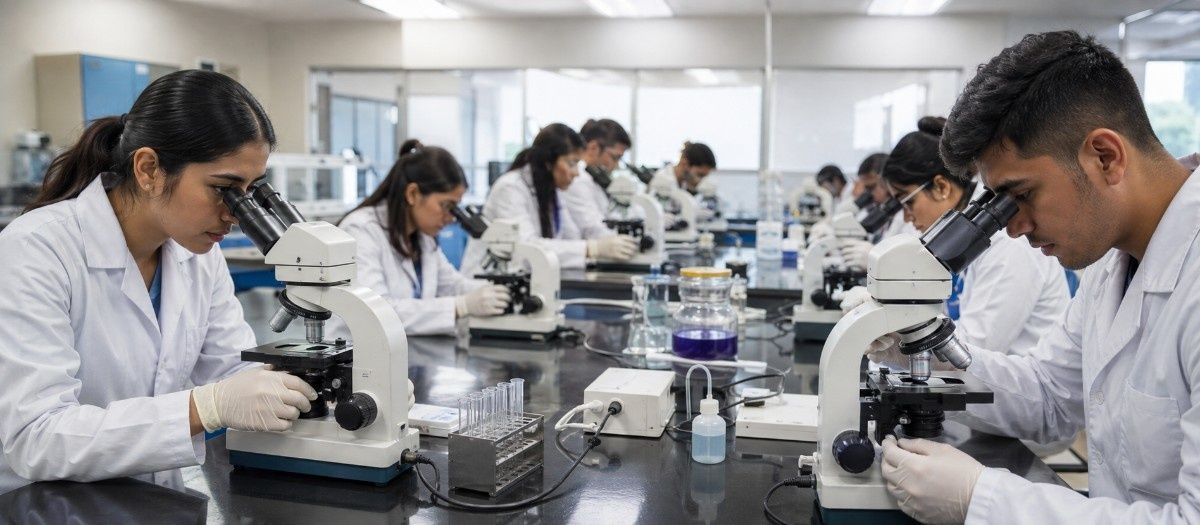
Furnished hostel rooms with Wi-Fi, laundry, 24/7 security, and Indian mess on or near campus.
Indian restaurants and mess facilities serving vegetarian and non-vegetarian home-style food daily.
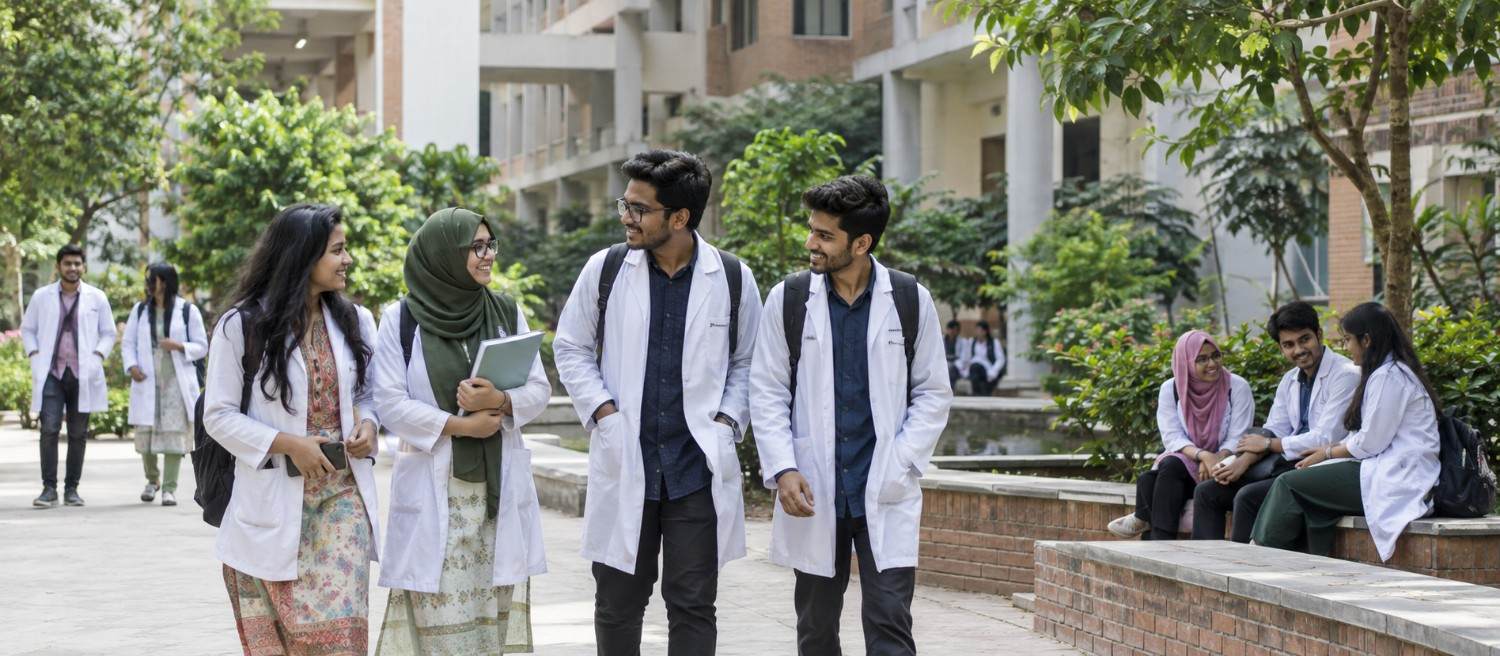
Strong Indian community with cultural events, festival celebrations, and peer support groups.
Students get hands-on clinical training in government and private hospitals affiliated with the university.
Practical information for students planning to study at MBBS in Jose Maria College of Medicine Foundation.
Prepare for all seasons. Thermal wear for winters, light clothing for summers. University provides heating in hostels.
Student visa processed with university invitation letter. Direct and connecting flights from major Indian cities.
Health insurance included in fees. Medical facility on campus plus city hospitals easily accessible.
Local SIM cards available. WhatsApp and video calls keep you connected with family back home.
Average monthly expenses of $150–$250 covering food, transport, and personal needs.
University library, online databases, and study groups. Seniors mentor juniors through academic challenges.
Our team guides you through every step — from application to arriving on campus.
The first step is to have a free phone counselling session. This is not a sales promotion or sales pitch. Here, we analyse all the universities mentioned side by side. We go through FMGE rates, total fees, city life, and whether the USMLE or NExT path better suits your goals. Most students walk out of this call with a clear first choice and a backup.
Once you pick a university, we will hand you a Philippines-specific document checklist. It is not a generic list. Every item on it is there for a reason, either for the university application, the 9(f) visa conversion, or the ACR I-Card registration. We check everything before a single paper goes anywhere.
Your application goes directly to the university through our partner channel. Most students get an acceptance letter within 10 to 21 days. However, December intake applications move faster than June ones, so timing matters. We follow up on all applications and will be in touch if there is any delay.
Once you receive your offer letter, we will have an in-depth discussion with you on the fees charged. The first instalment of fees will be deposited without any ambiguity. What you pay, when you pay, and what it covers, all of it is clear before any money moves.
Indian students do not need a pre-departure visa for the Philippines. You enter visa-free for 30 days. However, the 9(f) Student Visa conversion must start within the first week of arrival; it is time-sensitive. We also advise on the best flight route, whether Cebu or Manila, depending on your university.
About a week before you fly, we do a full pre-departure briefing. We cover accommodation options, campus location, Indian food sources near your university, how to transfer money from India, which SIM card to buy, and what the first week on campus actually looks like—students who attend this briefing land in the Philippines significantly less stressed than those who skip it.
On arrival day, our local team in the Philippines meets you at the airport, whether in Cebu or Manila. You are not landing in a new country alone. Someone who knows the ground is there from the first minute.
Within the first week, the 9(f) visa conversion process starts. Our team submits your documents to the Bureau of Immigration and closely tracks your application. The ACR I-Card, your official alien registration card, is processed at the same time. This step is strictly managed because delays here cause real problems later.
By the end of Week 2, your university enrollment is complete, your hostel room is confirmed, and your BS pre-medical orientation is done. You know your timetable, your faculty, and where everything is. Furthermore, our team has already flagged your NMAT preparation schedule, so there will be no surprises at the bridge stage.
After enrollment, our on-the-ground team in the Philippines stays in contact throughout all six years. If there is a university issue, a hostel problem, a visa renewal, or a health concern, there is a local contact to call. Moreover, from Year 3 onward, our FMGE and USMLE coaching track begins, because academic support does not stop at the airport.
Admission Helpline — Contact our counsellors for step-by-step assistance.
“The faculty here is incredibly supportive. The clinical training during hospital rotations has given me real confidence in patient care.”
“Affordable fees without compromising on quality. The campus facilities and hostel life made my transition abroad very smooth.”
“English medium instruction and WHO-recognized curriculum were the deciding factors for me. No regrets so far — excellent experience overall.”
“The university helped with everything from visa to accommodation. Hospital exposure from year three has been invaluable for my FMGE prep.”
“Just cleared my licensing exam on the first attempt. The structured coaching and mock exams during final year were a game-changer.”
“Safe campus, good food options, and a strong Indian student community. The teaching methodology is very practical and hands-on.”
On the Philippine-Japan Friendship Highway in Davao City, Mindanao, Philippines
The degree conferred is Doctor of Medicine (M.D.)
4 Year Academic + 1 Year Post Graduate Internship
Yes, under ID F0008047, with 2018 as the year instruction began
Yes, it was granted first CHED Permit No.012 Series of 2019 and was later granted CHED recognition for the M.D. programme
No. A bachelor's degree is required first, normally a pre-medical course
Yes. An NMAT result taken within the last two years is required
Yes, NMC has made it compulsory for you to score qualifying marks in NEET-UG for taking admission in that year.
The school does not publish fees online. Budget around USD 7,000 a year as a planning figure, and confirm the real amount with admissions
In Davao City, Southern Philippines Medical Center, a regional medical center and its attached hospitals and health centers
Our expert counsellors will guide you through the complete admission process — from documents to airport pickup.