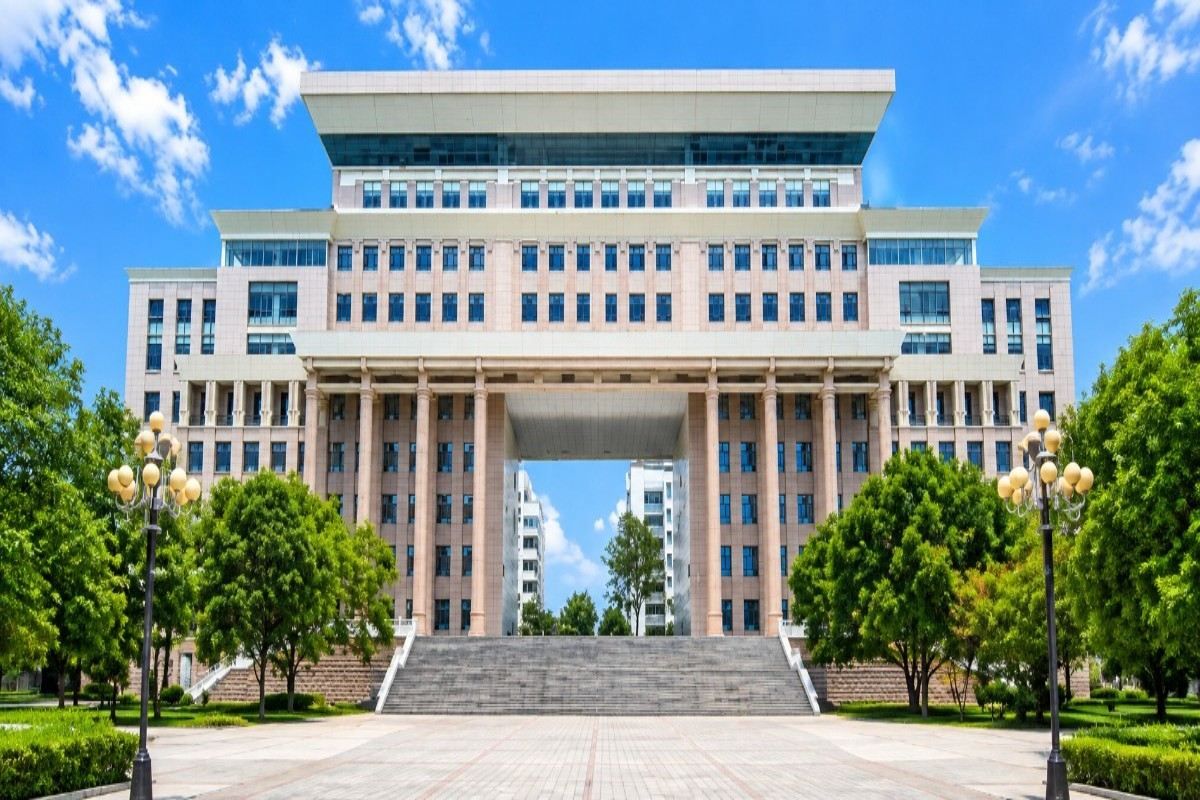
Is Chengdu on your list? Read this first. One thing matters most. Can foreign students join the medicine course here? The school says no. At least for now. Keep this in mind.
First, the back story. This school has a long past. It began as Chengdu Health School. That was a top health school. For close to sixty years, it trained nurses.
Then came a big change. In 2006, the state merged it with a local college. The new school got a new name. It became the Medical and Nursing School of Chengdu University. The name has changed since then. Each change meant real growth. In 2015, it got a new name. Later that year, it changed once more. In 2018, it added a dental course. In June 2020, it took its current name. Today, it runs three courses. These are medicine, nursing, and dental care.
The parent school has its own tale. It was set up in 1978. In 1983, it lost its full status. It could give out only two-year degrees. Full status came back in 2003. The school was called Chengdu College back then. In 2018, the state gave it a new name. That name is Chengdu University.
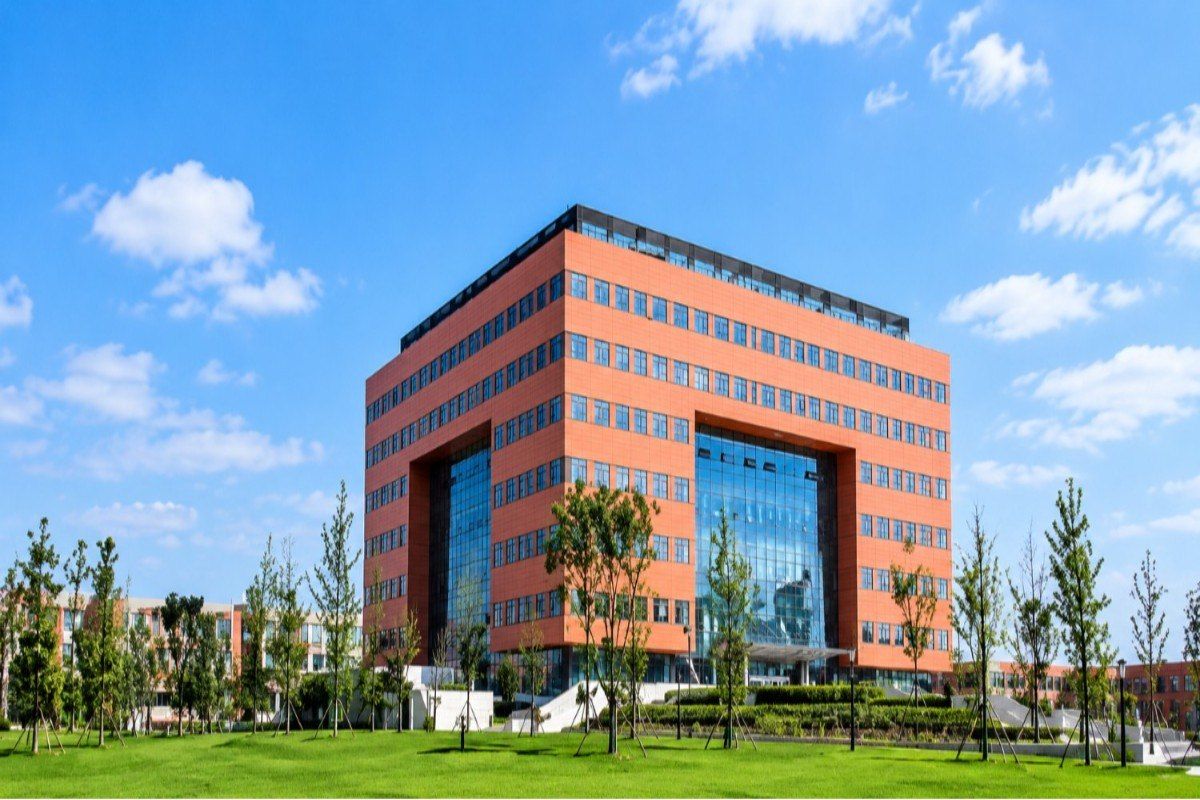
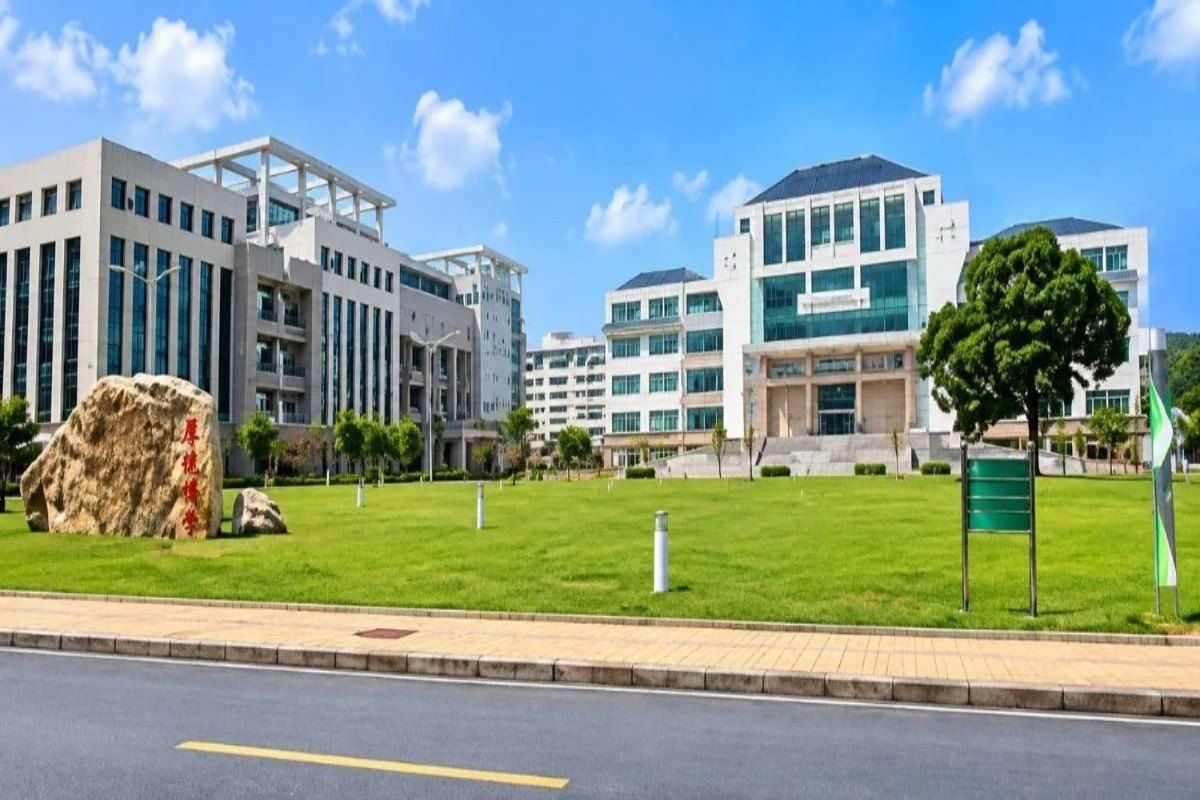
The school is public. Both the province & the city fund it. It runs on a big scale. It holds 19 colleges. It offers more than 70 major courses. Over 27,000 students study there full-time. The campus also housed the athletes' village. This was for the 2021 World University Games. That fact says a lot about its size.
Now for the hospital side. This part is a real strength. The training hospital has deep roots. It began as Shengxiu Hospital. French church groups set it up in 1901. In 2010, it joined the school.
The hospital holds a 3A rating. That is the top rank in China. It has close to 800 beds. It runs dozens of wards. New doctors train there each year. During COVID-19, it sent two teams to Hubei. It also helps far-off hospitals in Sichuan. So the training base is real. It is not just a show for students.
So why the warning at the start? Here is the reason. The school posts a list of courses. This list is for foreign students. It was last updated in the late 2023. It spans many fields. These include Chinese, civil works, business, arts, and design. But medicine and nursing are not on it.
One health course sits open, though. That is pharmacy. But it runs through a different college. It is not part of the medical school.
Now look at the nearby schools. Sichuan University sits in the same city. Chongqing Medical sits close by too. Both run full MBBS courses in English. Both have taught many foreign students. Most come from India and South Asia. Those doors stand open. The record proves it. The door at this school seems shut.
Is it closed for good, though? Not quite. Chinese schools update the lists every year. A Chinese-taught course may open later. A new English track may launch too. The pages may just be old. So keep an open mind. But do not assume this school takes foreign students for medicine. Pharmacy stays open. Medicine and nursing do not.
Here is a red flag. Some agents push this school as a proven MBBS spot. They target Indian students with this claim. Do they show no proof for it? Then stay careful. Doubt their other claims too. Always trace things back to the source.
What should you do, then? Here is some plain advice. Do you want to study medicine in Chengdu? Look at other schools first. Chengdu Medical College is one option. Sichuan University is another. Both run clear MBBS tracks in English. Both post firm fees and course length. Both sit on the World List of Medical Schools.
Do you like the city itself, though? Chengdu is a fine place to live. Life there runs at a calm pace. The food carries a strong local name. The cost of living stays low. Many foreign students live there already. So the city is not the issue. Course access is the real issue.
The school itself checks out fine. It runs as a public, well-funded school. Its medical college holds real strength. This is true for local students. Its hospital network runs deep. But for foreign students who want medicine, the signs point to no. At least for now.
What about hostel life, then? Agent sites claim shared rooms sit near campus. They claim Wi-Fi and guards run day and night. They claim Indian food sits close by. These claims come from agents. They do not come from the school. Do not trust them just yet. Ask the school first. Get it straight from them.
Before you spend more time here, take one small step. Email the school's office for foreign students. Put it in writing. Ask one clear question. Is medicine open to foreign students right now? Is nursing open too? If the answer is yes, ask in what language it runs. Ask how to apply. Ask what the fee comes to. Ask where you would live. Ask which hospital you would train in. Save the reply once it comes. Then you will know where you stand.
One short email can save you months of work. It can save your money too. Do not skip this step. Do not lean on an agent's word alone. Do not trust old pages either. Ask the school itself, straight up. Then make your choice with a calm mind.
Why Chengdu University School of Medicine and Nursing Deserves a Harder Look Than You’ve Given It
Most agent pages that mention Chengdu University alongside its medical faculty skip past the one detail that actually decides whether it belongs on an international applicant’s shortlist: whether the university’s own admissions office currently lists Clinical Medicine or Nursing as open to foreign students at all.
Chengdu University is not a private diploma mill, and its School of Medicine and Nursing is not a token unit built for marketing purposes. It descends from a nearly sixty-year-old health sciences institution, has been restructured and strengthened repeatedly since 2006, and trains students through a genuinely capable 3A-grade affiliated teaching hospital with a documented research output and a track record that includes sending medical teams to support Hubei Province during COVID-19. As a result, the underlying academic and clinical infrastructure here is real and substantial for domestic Chinese students.
The gap is specifically about international access, not about institutional quality. Since the university’s own official list of majors open to foreign undergraduates includes a wide range of subjects, from language and literature to civil engineering and business, but does not include Clinical Medicine or Nursing, applicants need to treat this as a structural access question rather than a quality question. Moreover, this distinction matters enormously for planning. Since only Pharmaceutical Science and Pharmaceutical Engineering appear open to international students from the health sciences side, an applicant hoping specifically for an MBBS-equivalent Clinical Medicine degree here may simply be looking at the wrong door.
Furthermore, this stands out clearly against nearby alternatives. Because Chengdu is also home to Sichuan University’s West China School of Medicine and Chengdu Medical College, both of which run well-documented, actively marketed English-medium MBBS programmes for international students, including many from India, applicants drawn to Chengdu specifically as a study destination have genuine, better-documented alternatives within the same city.
One thing most other pages miss entirely is how much this kind of access gap gets glossed over by resale and consultancy content. In addition to checking curriculum and hospital facilities, applicants need to personally confirm directly with Chengdu University’s International Office whether any international admission pathway into medicine or nursing currently exists, since relying on a general “Chengdu University offers MBBS” claim without this confirmation risks planning an entire application around a programme that may not currently be accessible to foreign undergraduates.