Most pages tell you the same three lines. NMC listed. WHO recognised. English medium. However, that is the bare minimum now. It is not a reason on its own to pick a college.
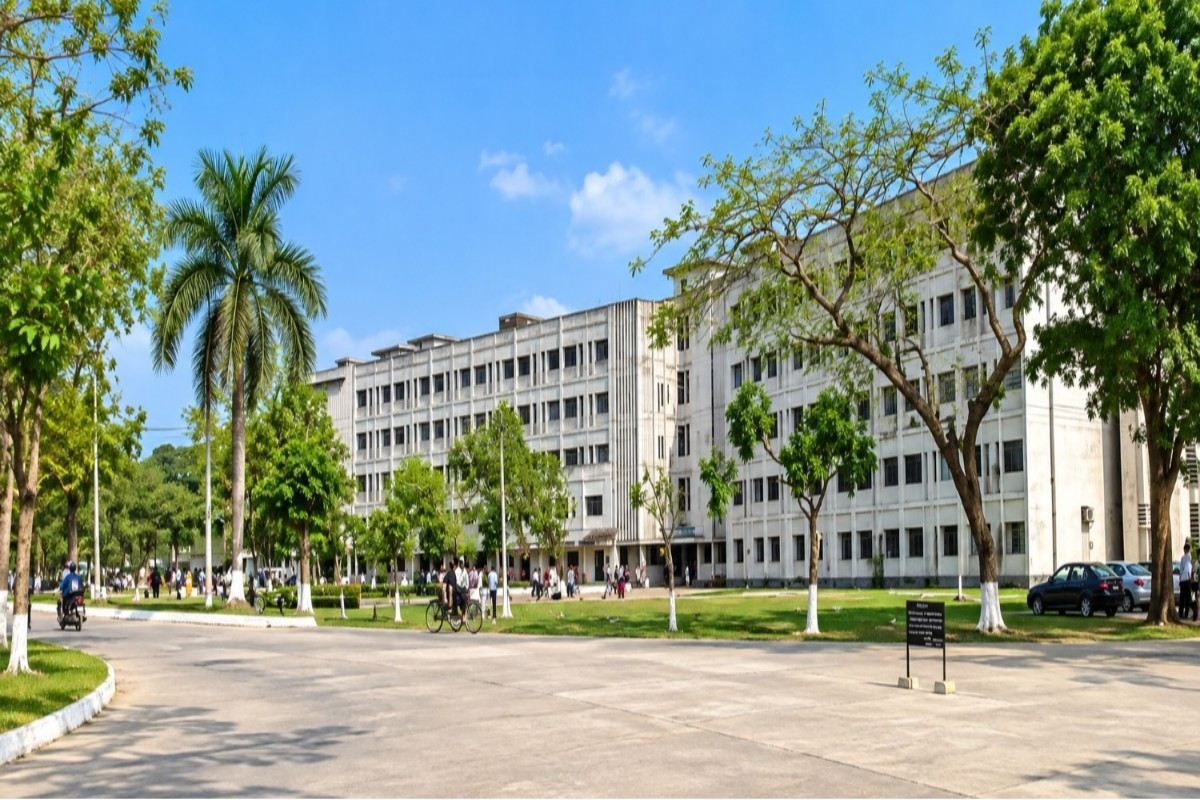
Dr. Sirajul Islam Medical College (SIMC) was set up in 2011. Founded by Dr Sirajul Islam, it sits in Maghbazar, right in the heart of Dhaka. As a result, students are never far from the city — hospitals, markets, transport, and the wider medical community are all a short ride away. That urban setting is useful in a different way from a quiet hill-station campus: it means more exposure to patient volume from day one.
The college runs as a constituent college of the University of Dhaka. This matters. Dhaka University is one of the oldest and most established universities in South Asia, and it sets and conducts the professional exams. Therefore, the degree is anchored to a long-standing academic system, not a newly floated one.
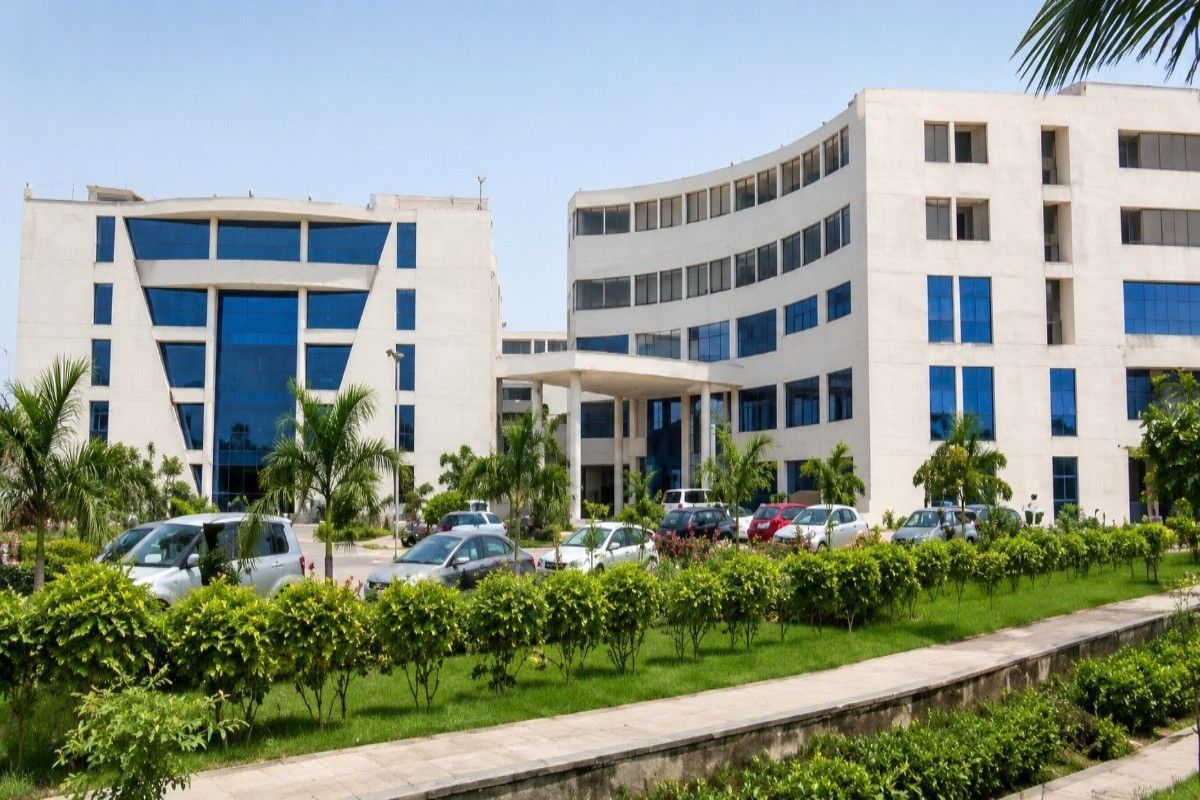
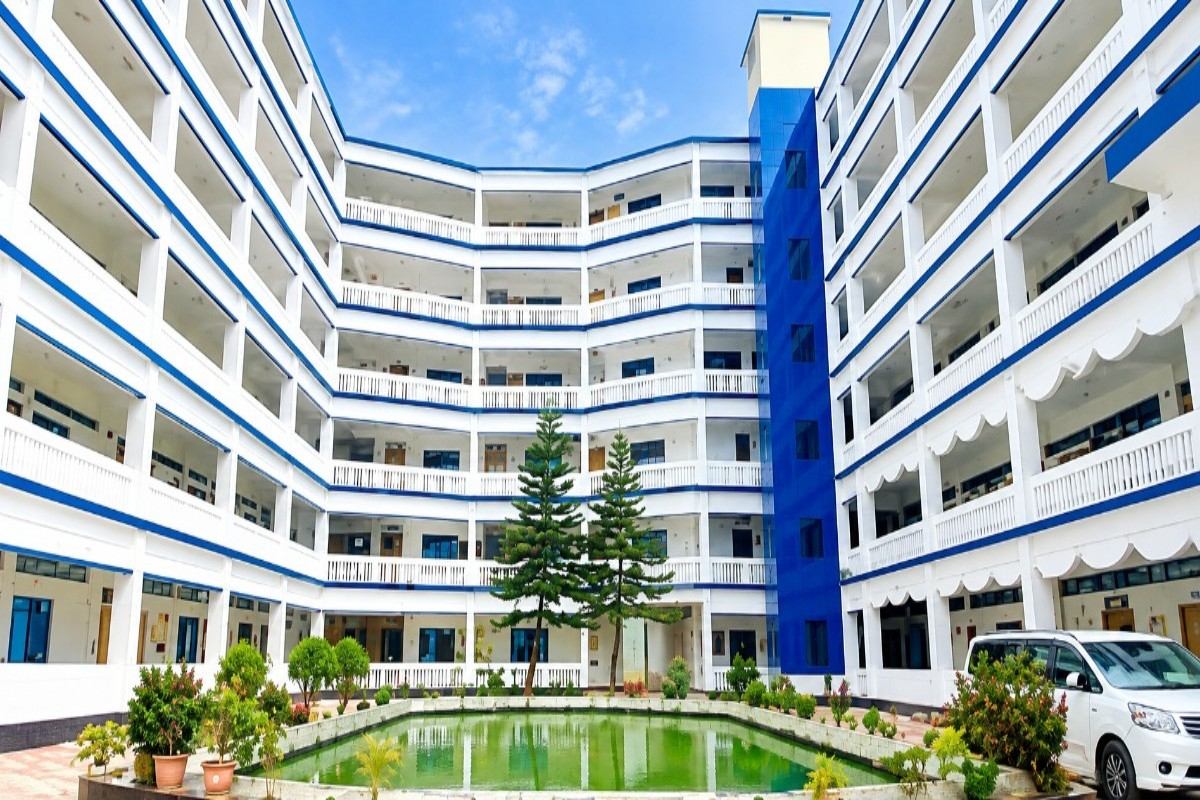
The teaching hospital is attached to the college and runs at roughly 500 beds, housed alongside a modern multi-storey academic block. In addition, the MBBS course itself runs for 5 years of academic study, followed by a compulsory 1-year rotating internship — 6 years in total. That is a year longer than several neighbouring options, and it is worth planning for financially and academically.
Indian students need a student visa to study in Bangladesh (unlike Nepal, where Indian ID documents alone suffice at the border). However, Dhaka is still a short flight from most major Indian cities, and family visits remain practical. Bengali is the local language, but the MBBS programme itself is taught in English.
Dr. Sirajul Islam Medical College has trained doctors who have gone on to write licensing exams such as India's FMGE and NExT. Recent FMGE results have been mixed — this is a genuine data point to weigh, not just a marketing line — so it is worth checking the latest published pass percentage before you commit, rather than relying on any single year's number.
Here is a realistic cost breakdown for the 6-year programme (5 years academic + 1-year internship). These are working estimates built from the college's published fee structure — always confirm the current-session figures directly with the admissions office before paying anything:
Cost Item | Per Year (USD / INR) | Total for Programme (INR approx.) |
1st Year Admission & Tuition | USD 19,000 (~INR 15.8–16 lakh) | INR 15,80,000–16,00,000 |
DU & BMDC Registration Fee | USD 2,000 (one-time) | INR 1,66,000–1,70,000 |
Tuition Fee (Years 2–5) | USD 6,000/year | INR 19,90,000–20,40,000 (4 years) |
Hostel Fee | Varies by room type; confirm with college | INR 3,00,000–4,50,000 (est., 6 years) |
Food & Meals | Varies; often separate from hostel fee | INR 3,60,000–5,40,000 (est., 6 years) |
Books, Instruments & Study Items | — | INR 60,000–1,00,000 (est.) |
Visa, Travel & Documentation | Student visa required | INR 1,00,000–1,50,000 (est., total) |
Internship Year (Year 6) | Often reduced/no tuition; stipend policies vary | Confirm with college |
Donation / Capitation | None officially stated | NIL |
Total Estimated (Tuition + Registration only) | — | ~INR 37–38 lakh |
Total Estimated (All-in, incl. living costs) | — | ~INR 45–55 lakh (approx.) |
Note: figures are built from the college's most recently published USD tuition schedule, converted at roughly INR 83–85 per USD. Hostel, food, and incidental costs are working estimates, not officially published numbers — get written confirmation from the college before you rely on them for budgeting.
Why Dr. Sirajul Islam Medical College Deserves a Closer Look
Most consultancy pages rank SIMC among the well-known private options for Indian MBBS aspirants in Bangladesh. However, they rarely explain the trade-offs clearly. Here is the honest version.
The Dhaka University affiliation is a real strength. Because DU has decades of academic infrastructure, exam-setting, and oversight behind it, the professional examinations follow an established, non-improvised process. In addition, being a constituent college means SIMC's academic calendar and standards sit inside DU's wider system rather than a smaller, newer authority.
The city location cuts both ways. On one hand, being inside Dhaka means students are close to a large, high-volume patient population, a wide range of specialities, and a genuinely urban clinical environment. On the other hand, unlike Nepal, Indian students do need a proper student visa for Bangladesh — so factor in visa timelines, documentation, and periodic renewal into your planning rather than assuming visa-free, walk-in travel.
The 6-year duration (5 years study + 1-year internship) is longer than some competing destinations that run 5.5 years. That extra year affects both the total cost and the total time before you're eligible to sit FMGE/NExT, so it is worth building into your comparison rather than only looking at the annual tuition figure.
On outcomes: FMGE pass rates for SIMC graduates have varied year to year, and recent published figures are below the strongest-performing institutions. This does not mean the course is a poor choice — many strong doctors have trained here — but it does mean students should plan for serious, disciplined self-study toward FMGE/NExT throughout the course, rather than assuming the curriculum alone will carry them through the licensing exam.