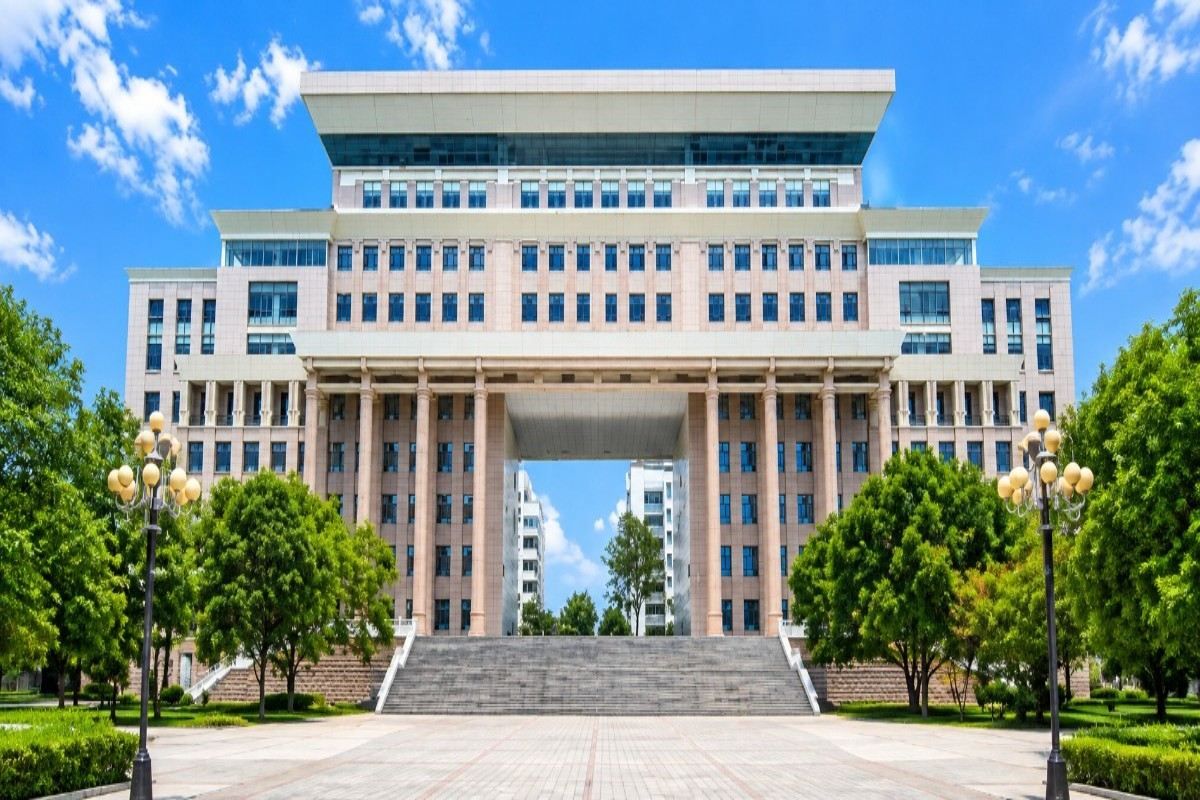
Are you set on MBBS in China? Read this one first. This school's real strength sits elsewhere. It works on old-style Chinese medicine. It does not run a plain MBBS path. This gap matters a lot. Know it now, before you spend more time on this page.
Let us look at what this place is. Gansu University of Chinese Medicine sits in Lanzhou. That is the main city of Gansu state. It sits in the far west of China. The school began in 1978. Back then, it went by a shorter name. Folks called it Gansu College of Traditional Chinese Medicine. In 2015, it took its new name. This school runs as a public school. Both the state government and a top TCM board built it. This joint tie gives the school real weight in its field. It is not some small, private set-up chasing quick fees.
Here is a fact worth real note. This school holds one rare mark. It stands as the sole TCM school in the whole west of China. It holds the right to give out PhD marks. That is a big deal. Most TCM schools in that region stop at lower degree marks. This one goes all the way to the top level. It shows this school sits at the peak of its field. This holds true past just Gansu state alone. It spans a huge stretch of northwest China.
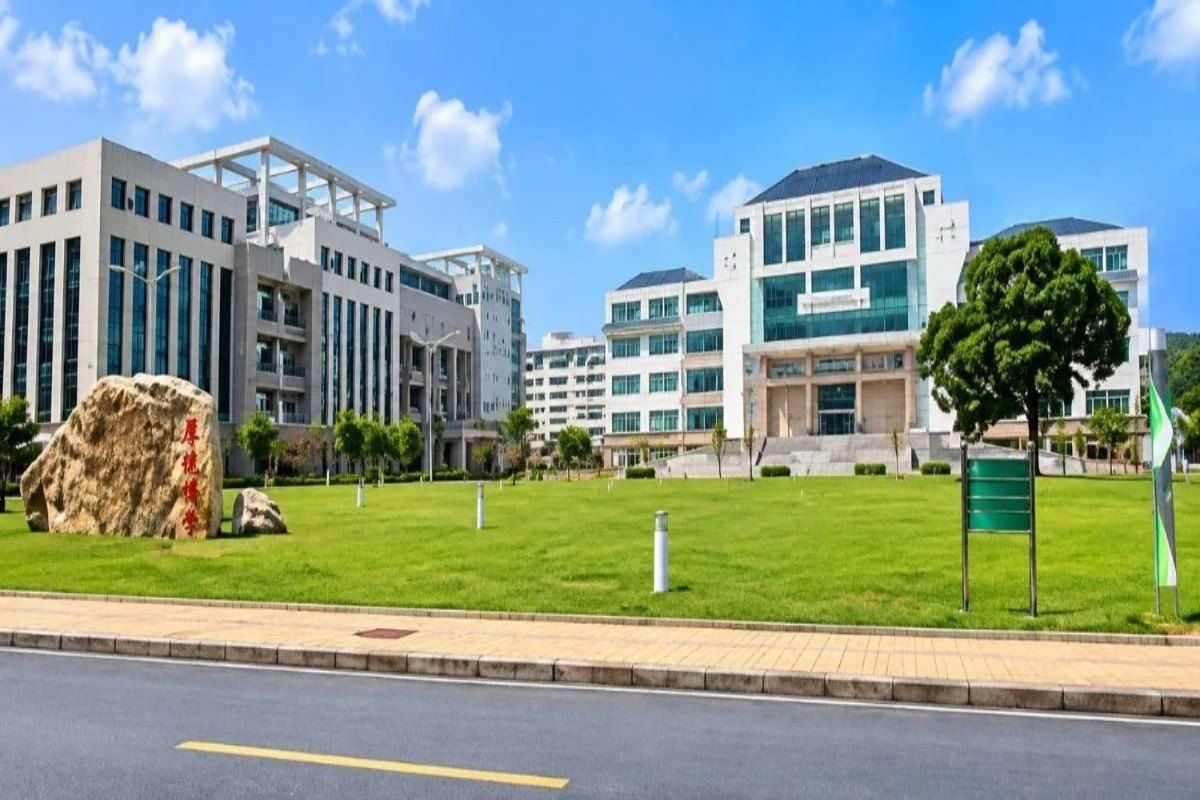
The campus spans four sites in total. These are Heping, Wulipu, Dingxi, and Gannan. This wide spread gives the school real space. It has room for labs, halls, hospital blocks, and stay spots for students. Four sites also mean the school can grow with more ease over time. It does not stay boxed into one small plot of land.
Now, on to the class side. The school runs three types of degrees. These span Bachelor's, Master's, and PhD marks. All of these build on old Chinese medicine. In 1989, the school set up a new arm for Tibetan medicine too. This is a fairly rare field to find at a Chinese medical school. In 2014, one more college joined this school. This gave it more range in what it can teach. In 2024, the school won a new mark. It became a state hub for the spread and teaching of old Chinese medicine culture. This shows the school still grows its role past plain class work alone. It works to keep this old field alive and known.
State bodies trust this school a lot too. Both the top school board and the top TCM board gave it their nod. They named it a lead school for a new doctor training plan. This kind of mark does not come with ease. Only a few schools win this kind of named trust. It shows the state sees this school as a true role guide. Other TCM schools may look to it as a model to follow.
Here is where you need real care. Fee lists for this school sit very low. They fall near RMB 4,200 to RMB 4,600 a year. That low mark should raise a flag right away. Fees this low rarely fit a full, six-year MBBS plan run in English. Such a plan aims at those who come from other lands. These low sums more likely fit plain local class fees. They may not fit a full set-up plan built for those from abroad. Clear, firm proof of a full English MBBS plan was not found with ease. Such proof stays thin across most sources tied to this school.
So where does this leave an Indian who wants a plain MBBS seat? The truth stays unclear at this point. This school's main work sits on old Chinese medicine. It also runs a Tibetan medicine arm alongside that. Most of its world work and state praise ties back to TCM work itself. It does not tie back to a plain, six-year MBBS path. Such a path would fit those who chase a real, standard MBBS mark for later work as a doctor.
The join step for those from other lands does run through a set path, though. You must send in your own passport first. You need signed copies of your top mark sheet and school proof too. A health form applies as well, and it must stay fresh within six months. More items may come up too, based on your own plan choice at the time you apply.
For Indian students, a few points need real thought before you go further. Ask the school's own foreign desk one clear thing first. Does a true English MBBS path stand open right now for those from other lands? If it does, check if it fits NMC's own rules for those who train abroad. Next, do not think TCM work and a plain MBBS path sit the same in weight. They do not lead the same way once you try to work back home. Last, you must clear NEET no matter which path you end up picking here, since that rule sits fixed under Indian law.
So how should you view this school as a whole? Does old Chinese medicine draw you in as a true field of study? Then this school holds real, state-known weight. It stands backed by its rare PhD right across the whole west of China, plus its named trust from two top state boards. Do you want a plain MBBS path meant for wide, general doctor work instead? Then stay slow and careful here. Wait for a clear, in-writing note from its own foreign desk first. Ask if such a path even stands open at all, and in what language it runs. One short mail now can save you months of lost time and wasted plans later. Do not trust agent talk alone on this point. Ask the school first, straight up. Get your word in writing well before you plan any more steps forward.
Why Gansu University of Chinese Medicine Deserves a Closer Look, For the Right Applicant
Most comparison lists either skip this school entirely or lump it in with standard MBBS-focused universities, and both approaches miss the real picture here. The reason is simple: this school’s core identity and government backing center almost entirely on Traditional Chinese Medicine, not on a Western-style MBBS degree for foreign undergraduates.
Gansu University of Chinese Medicine is not chasing quick foreign fee income through a rushed MBBS track. It has spent close to five decades building deep TCM education infrastructure, and it holds a genuinely rare status as the only doctoral-granting TCM university across the entire northwest region of China. As a result, students genuinely interested in TCM step into a school with proven, state-recognised depth in that exact field.
The pilot program status also carries more weight than most comparison pages explain. For example, joint approval from the Ministry of Education and the National Administration of TCM under the “Excellent Doctor (TCM) Education and Training Plan” does not go to just any regional school. Moreover, this matters a lot for students planning serious TCM study, since this kind of named pilot status reflects real confidence from national-level authorities.
Furthermore, the four-campus structure, spanning Heping, Wulipu, Dingxi, and Gannan, gives the school real physical scale to support its wide academic reach, including its specialised Tibetan Medicine Department, a fairly unique offering not commonly found at other Chinese medical universities.
One thing most comparison pages miss is that the unusually low reported tuition figure, sitting well below typical foreign-student MBBS fees at other Chinese universities, is itself a meaningful signal. Since this gap suggests the figure applies to general or local programs rather than a dedicated international MBBS track, applicants considering a standard MBBS route should treat this as a serious flag requiring direct confirmation, not a pricing advantage to celebrate too quickly.