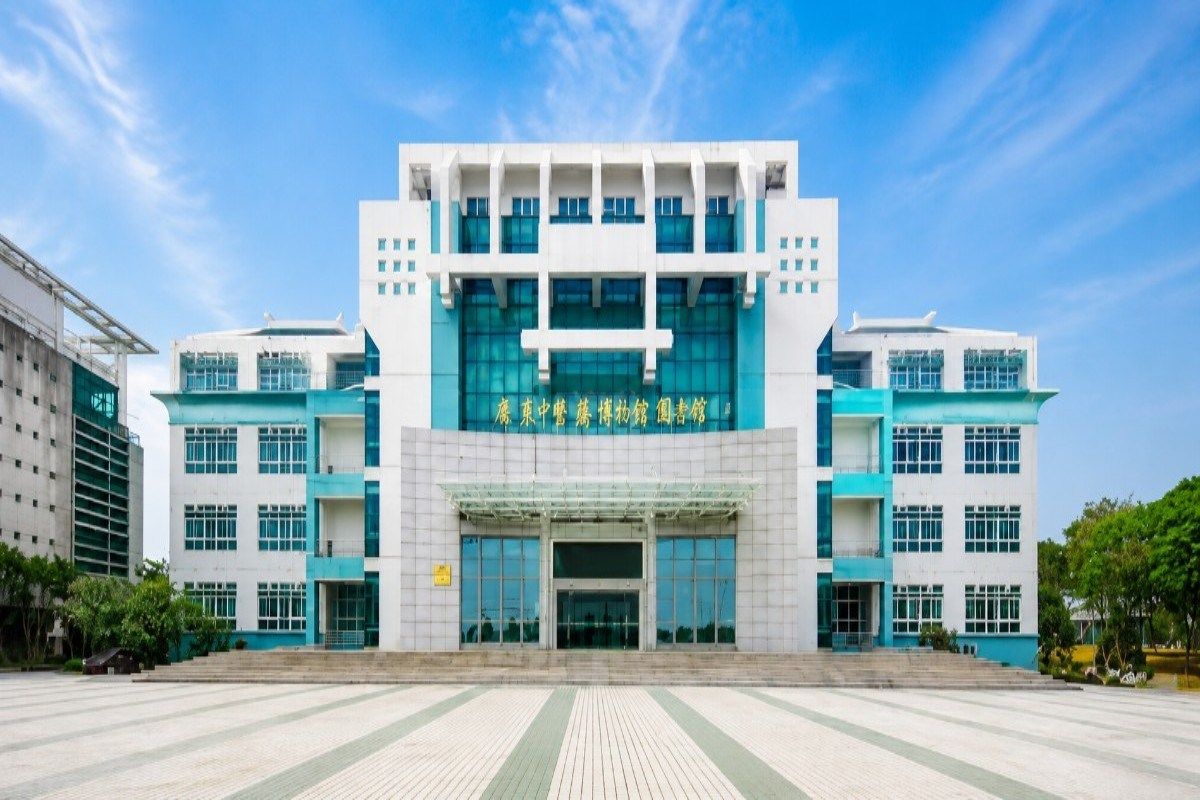
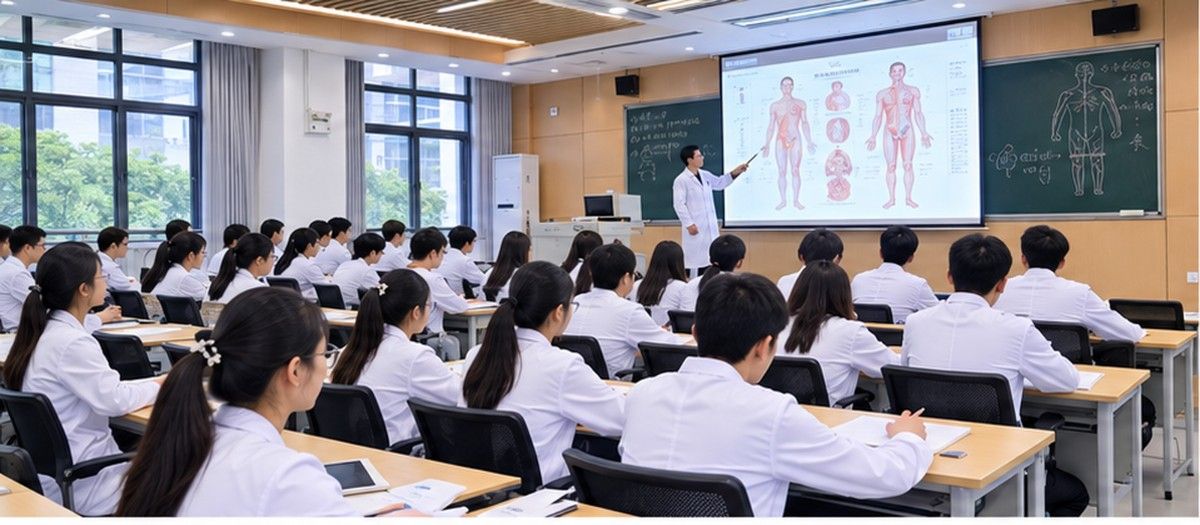
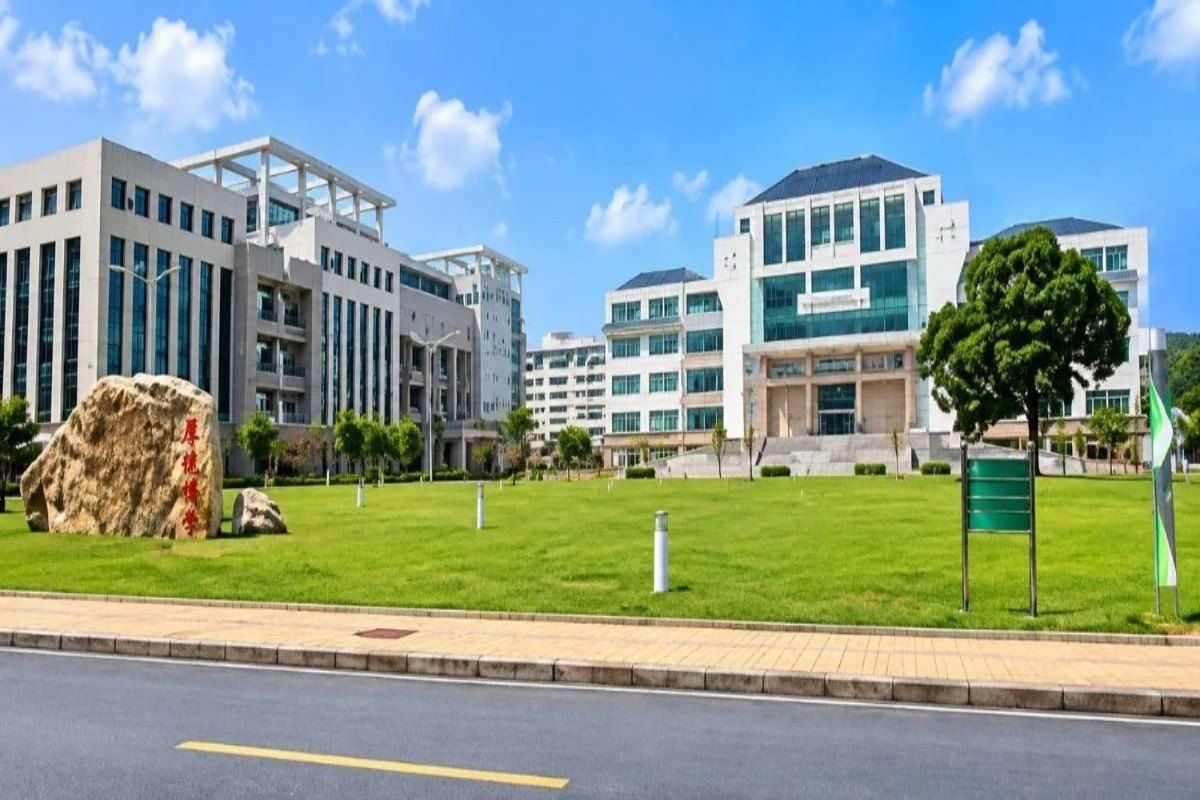
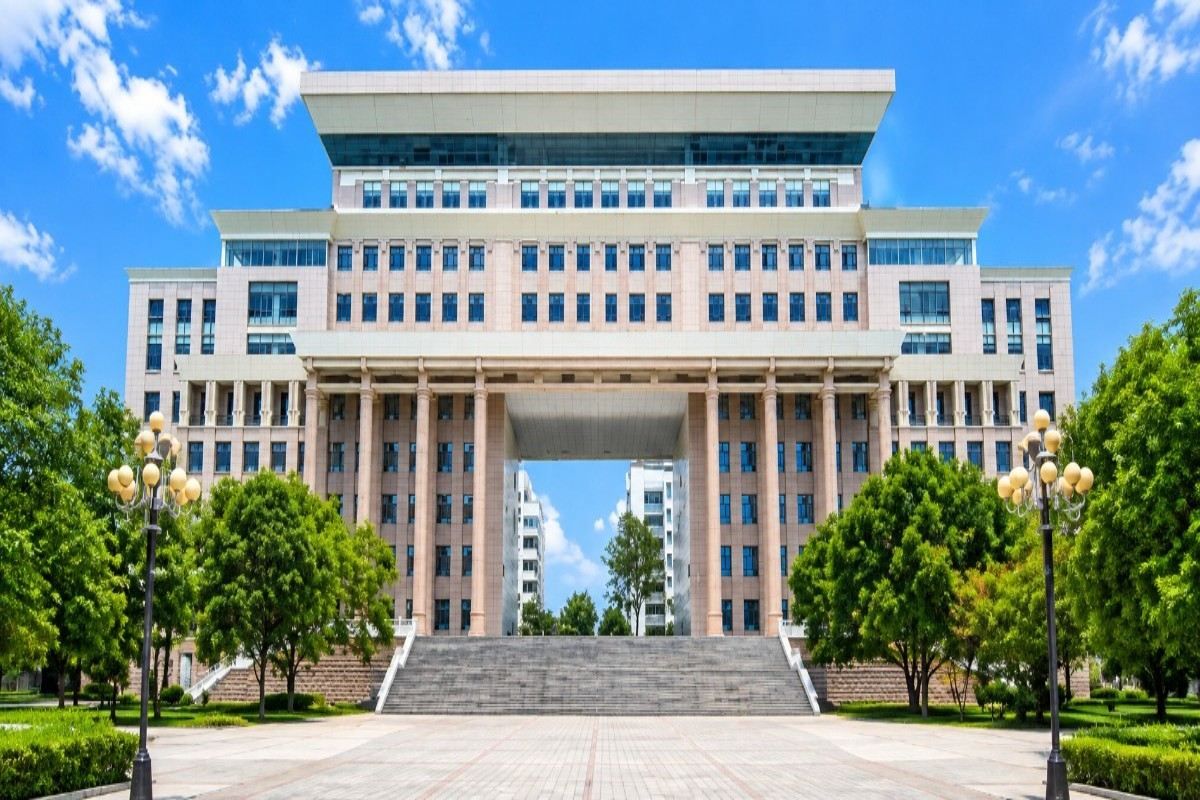
People mostly just call it GZHTCM for short. It was established on 15 September 1924, originally as the Guangdong Traditional Chinese Medicine and Pharmacology School, a genuinely old founding date, predating Guangzhou Medical University's own 1958 founding by 34 years. In 1956, with the approval of the People's Republic of China, the school became the Guangzhou Traditional Chinese Medicine College, one of the earliest institutions in China specifically dedicated to Traditional Chinese Medicine. GZHTCM is specifically a provincial public university, affiliated with Guangdong Province's own government, genuinely different from GZHMU's own municipal governance structure.
Here is genuinely current, specific, and directly sourced ranking data worth knowing in full. At least one detailed source specifically covering GZHTCM's own MBBS programme reports the university ranked #150, a real, specific, dated figure worth knowing directly, though applicants should independently verify this given the genuine risk of source conflation between GZHTCM and the similarly named GZHMU.
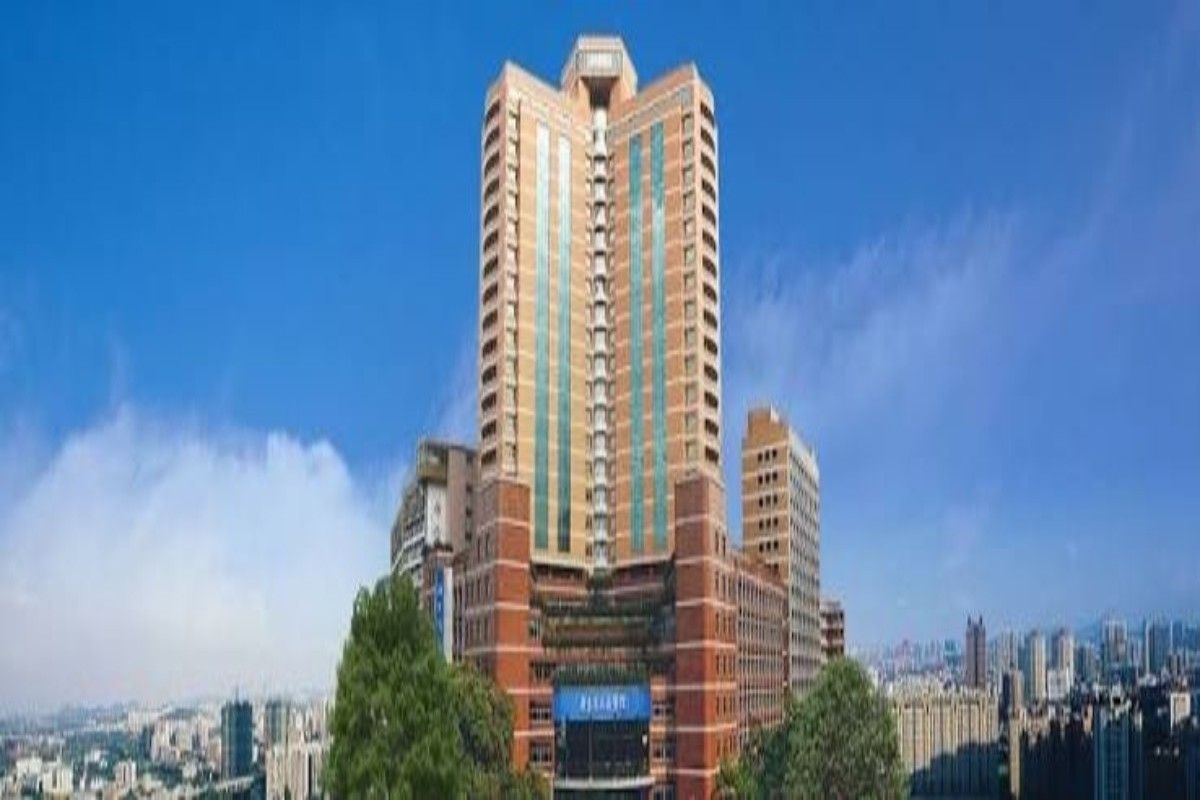
GZHTCM's own affiliated clinical network includes the Guangdong Provincial Hospital of Chinese Medicine, a genuinely substantial Grade A tertiary facility, founded on 14 August 1933, reporting 3,145 beds, one of the largest Traditional Chinese Medicine hospitals anywhere in the country. GZHTCM also operates a separate affiliated facility, the Shenzhen Hospital of Guangzhou University of Chinese Medicine, founded in 1992, with 400 beds, specifically dedicated to TCM treatment, teaching, and research.
Here is a genuinely important detail worth knowing about GZHTCM's own international MBBS offer specifically. At least one detailed source, specifically titled as covering "MBBS at Guangzhou University of Chinese Medicine," reports a six-year programme taught in English, including one year of compulsory internship at university-affiliated hospitals, combining traditional Chinese medicine training with modern medical sciences. The same source reports a tuition fee of approximately USD 32,000 a year, a figure notably higher than the tuition reported at several comparable Chinese medical universities covered in this whole series; applicants should independently confirm this specific figure directly with GZHTCM before budgeting.
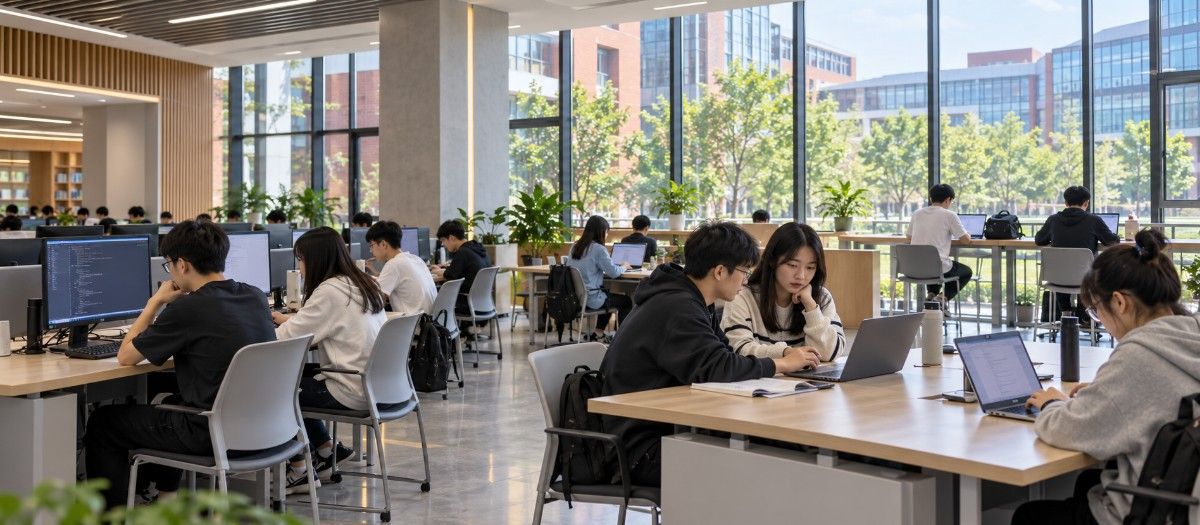
A genuinely useful, welcoming detail confirmed for international students specifically is that Indian mess facilities are available on campus, alongside libraries, hostels, Wi-Fi, and sports facilities. The university's own materials describe a simple, hassle-free admission process, with no donation or capitation fees required, and English-medium programmes genuinely available, distinct from the genuine uncertainty flagged in earlier research about whether GZHTCM's reported MBBS reflects standard clinical training or TCM-integrated study; this more recent, specifically MBBS-focused source suggests a genuine, English-taught clinical programme does exist.
NEET remains a genuine requirement for Indian applicants pursuing medical study in China generally, and Indian graduates would still need to clear the FMGE or NExT exam to practise medicine back in India, though applicants should confirm GZHTCM's own current, precise programme structure directly.
Guangzhou itself gives GZHTCM's own students genuine access to one of China's most significant, historically internationally connected cities, well-served by Guangzhou Baiyun International Airport and genuinely close to Hong Kong and Macau, given the university's own formal affiliation with the Guangdong-Hong Kong-Macao University Alliance. This setting places GZHTCM within a genuinely rich regional tradition of Traditional Chinese Medicine practice and research, reflecting Guangdong Province's own long-established prominence in this specific field of medicine.
Given the genuine, significant naming-overlap risk identified between GZHTCM and Guangzhou Medical University, alongside the real, notably high tuition figure reported for GZHTCM's own MBBS programme specifically, prospective applicants should treat direct, written confirmation from the university's own admissions office as a genuinely essential step here. This is not necessarily a reason to avoid GZHTCM outright, particularly given its own genuinely substantial, century-old institutional history and considerable TCM-specific clinical infrastructure, but it is a real, practical precaution worth taking seriously given how much confusion and cost uncertainty genuinely exists across third-party sources describing this specific institution.
Fee figures here require genuine care, given the real risk of conflating GZHTCM's own figures with those of the similarly named Guangzhou Medical University, and given that the reported tuition figure below is notably higher than comparable Chinese medical universities.
Cost Item | Amount | Notes |
Tuition Fee (MBBS, reported specifically for GZHTCM) | Approx. USD 32,000/year | Reported by a source specifically covering GZHTCM's MBBS programme; notably higher than several comparable Chinese medical universities, so confirm directly before budgeting |
Ranking (reported specifically for GZHTCM) | #150 | Reported by the same specific source; treat as one data point among several available rankings |
Hostel/Accommodation Fee (estimated) | Approx. USD 500-1,500/year | Not separately itemised for GZHTCM specifically; estimated from typical Chinese public-university international dormitory rates. Confirm directly with GZHTCM |
Food/Meal Expenses (estimated) | Approx. USD 150-250/month | Not separately itemised; Indian mess facilities specifically confirmed as available on campus. Confirm current costs directly |
Health Insurance (estimated) | Approx. USD 100-200/year | Not separately confirmed for GZHTCM specifically; a general estimate for international student health coverage in China |
Total 6-Year Estimate (tuition only, low end) | Approx. USD 192,000 | Based on the reported USD 32,000/year rate held stable across 6 years; genuinely high compared to comparable institutions, so confirm directly before relying on this figure |
Note: no capitation fee is confirmed at any stage. Given the genuine naming-overlap risk and the notably high reported tuition figure, request GZHTCM's own current, official, itemised fee schedule directly, specifically confirming which institution and which figures apply.
Why GZHTCM Deserves a Harder Look, and a More Careful One
Most lists mention Guangzhou University of Chinese Medicine without addressing the genuine, significant risk of confusing it with the similarly named Guangzhou Medical University, or questioning why its own reported tuition figure sits so much higher than comparable institutions. However, they do not explain these specific issues directly. The reason is simple. It is about a real naming overlap most guides skip entirely, and a genuinely important cost discrepancy worth flagging honestly.
GZHTCM is not like most other Chinese medical institutions covered in comparable guides when it comes to the risk of naming confusion. In fact, at least one source describing a similarly named Guangzhou university claims an obviously incorrect 214 BC founding date, a clear, verifiable error. Furthermore, this specific mistake illustrates a real, broader pattern of content-mixing found across sources describing these two similarly named Guangzhou institutions, meaning applicants should independently verify any specific figure before relying on it.
The university's own reported tuition figure also matters more than most guides let on. For example, most guides describing Chinese medical university tuition present figures in the USD 5,000-8,000 a year range. GZHTCM's own MBBS-specific source instead reports approximately USD 32,000 a year, considerably higher than Guangzhou Medical University's own confirmed USD 6,700 all-inclusive rate, or Guangxi Medical University's confirmed USD 5,000 rate. Moreover, this genuine, substantial gap deserves honest, direct acknowledgement rather than quiet repetition, since applicants budgeting around a lower comparable figure could be caught seriously off guard.
One thing most other blogs miss is GZHTCM's own genuinely substantial affiliated hospital network specifically dedicated to Traditional Chinese Medicine. In addition to standard due diligence, the Guangdong Provincial Hospital of Chinese Medicine reports 3,145 beds, one of the largest TCM-specific hospitals in the country. Since this represents a genuinely significant clinical training resource, applicants interested specifically in Traditional Chinese Medicine get real, concrete evidence of this university's own considerable specialist infrastructure.