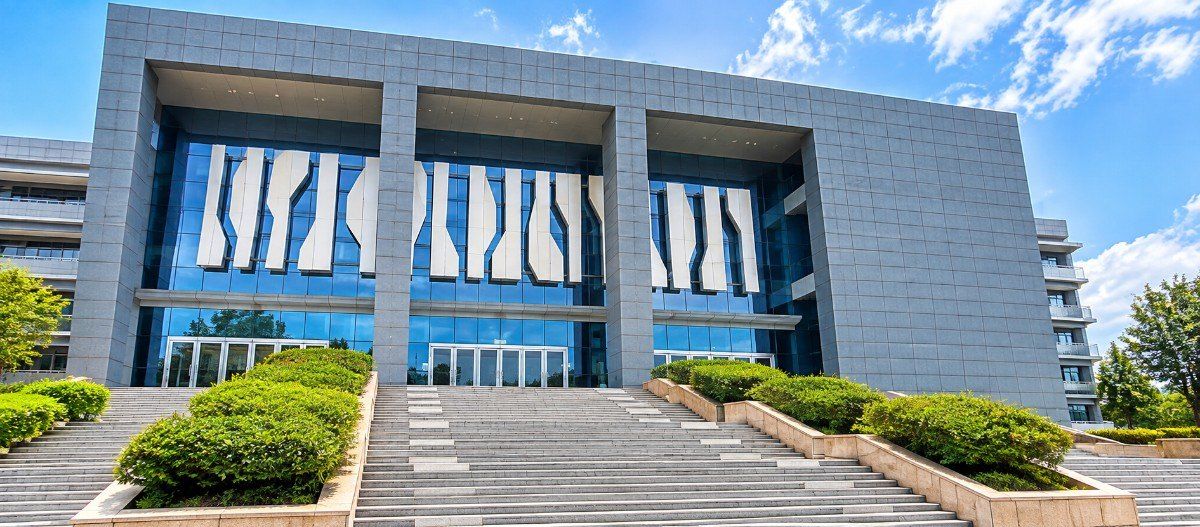
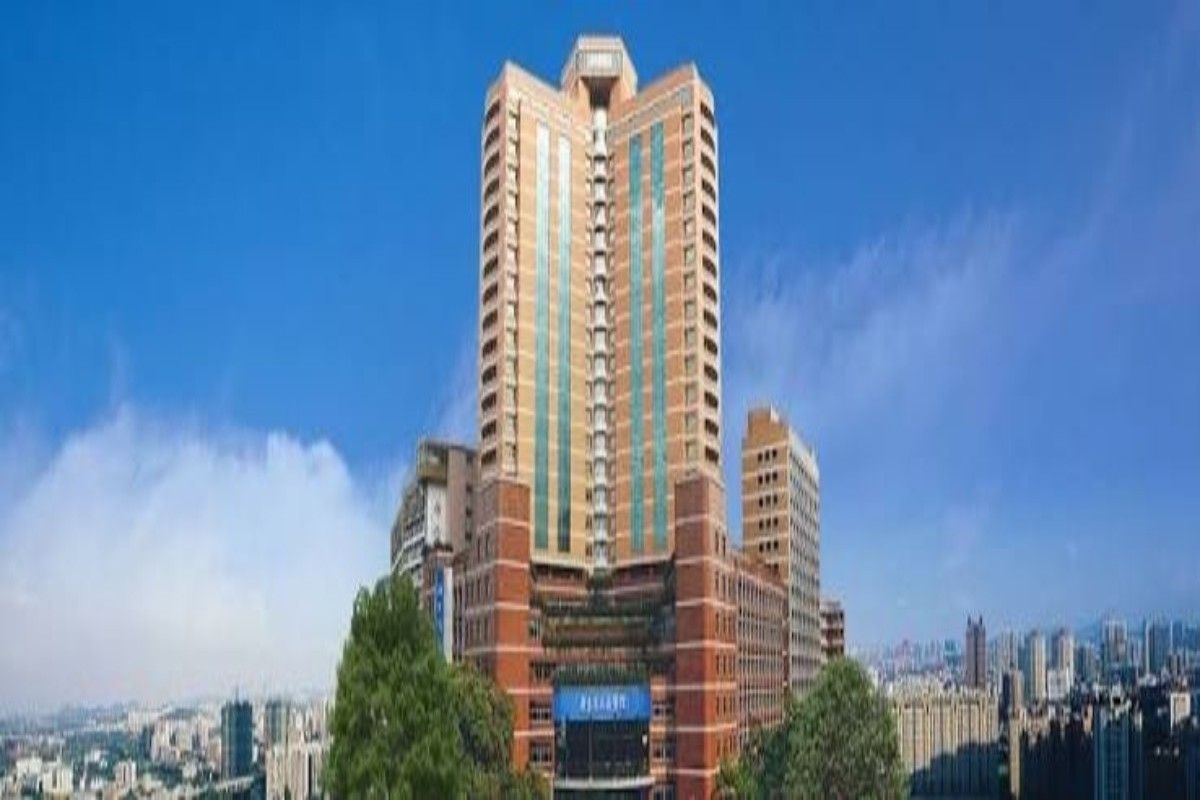
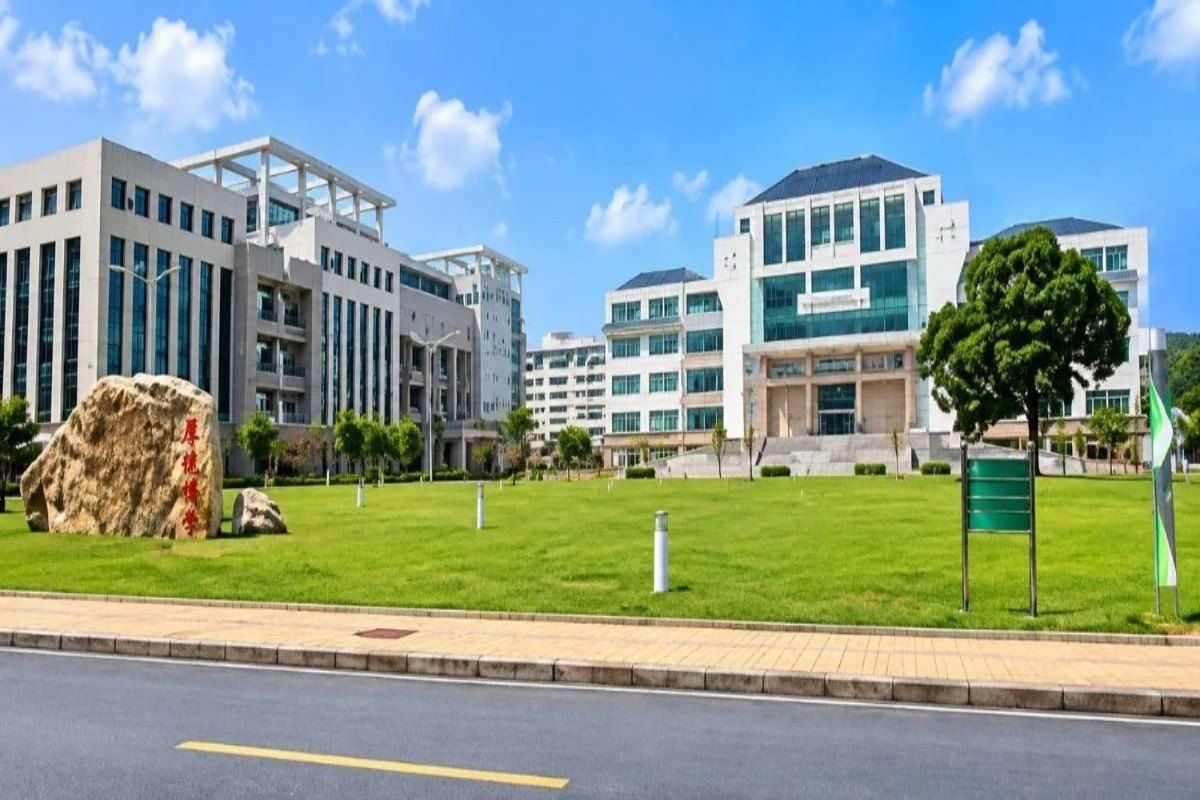
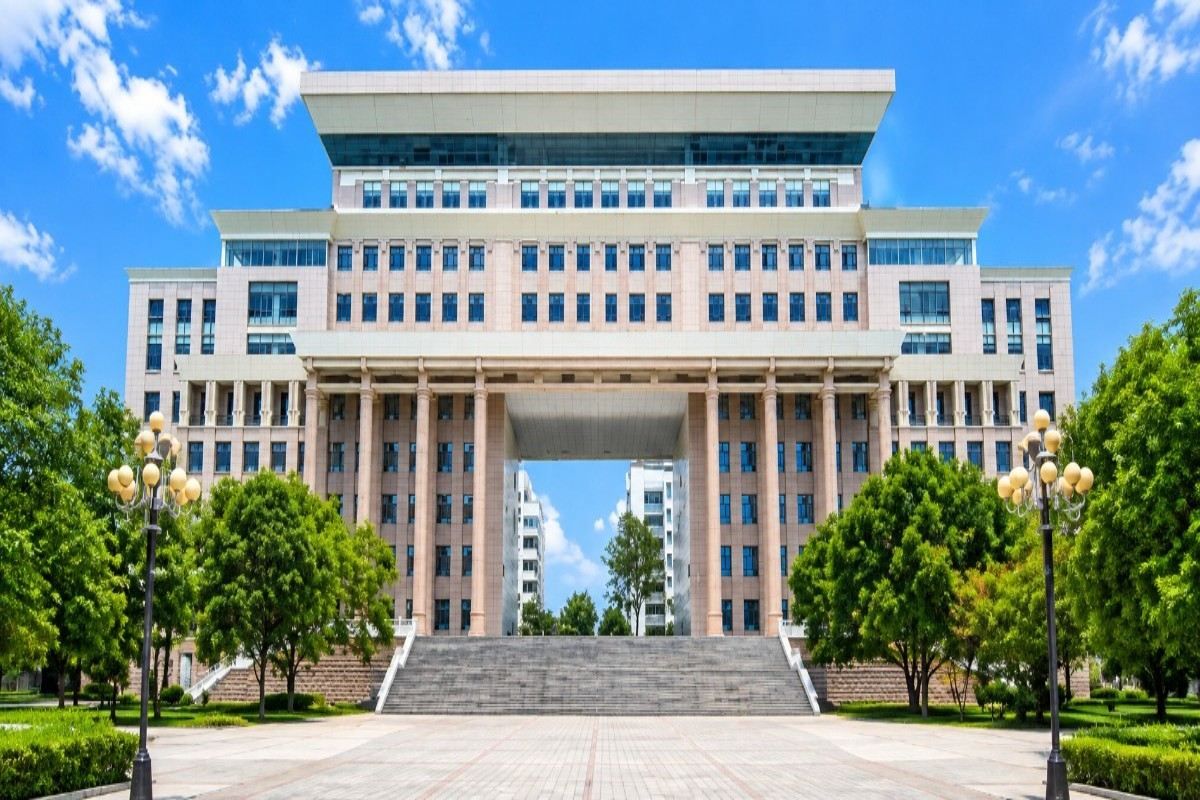
People mostly just call it Huanghe for short, taking its own name from the Yellow River, Huáng Hé, one of China's own most significant waterways. It is a private, non-profit four-year institution, founded in October 1984, located in Zhengzhou, a large metropolis with a population exceeding 5 million people. Here is a fact most guides skip entirely, and it deserves specific, honest treatment. Huanghe's own full, formal undergraduate degree education was only implemented later, in 2000, a real, dated 16-year gap between the institution's own original 1984 founding and its own later transition to conferring complete bachelor's degrees.
Huanghe operates across 4 campuses within Zhengzhou, currently enrolling approximately 30,000 students, supported by more than 2,200 faculty members. The college is officially recognised by the Department of Education of Henan Province, and offers degree programmes spanning Arts, Sports, Applied Technology, Business, and Medicine, a genuinely broad, comprehensive academic scope, with Medicine specifically representing just one of several distinct fields rather than the institution's own core focus.
This genuinely broad, multi-disciplinary structure sets Huanghe apart from several other Henan-connected medical institutions covered in comparable guides, most of which were founded specifically as dedicated medical schools or trace their own medical education back considerably further, to the early or mid-20th century. Huanghe's own Medicine programme, by contrast, exists within a considerably younger, more recently established comprehensive private institution, whose own core historical identity centres on general higher education rather than medicine specifically.
Admission to Huanghe follows a genuinely selective process, based on entrance examinations, consistent with standard Chinese higher education practice. A specific, standalone global or national ranking for Huanghe was not found across the sources reviewed for this profile; applicants should confirm the college's own current standing directly with Huanghe or an independent ranking platform, rather than assuming a specific figure that could not be independently verified here.
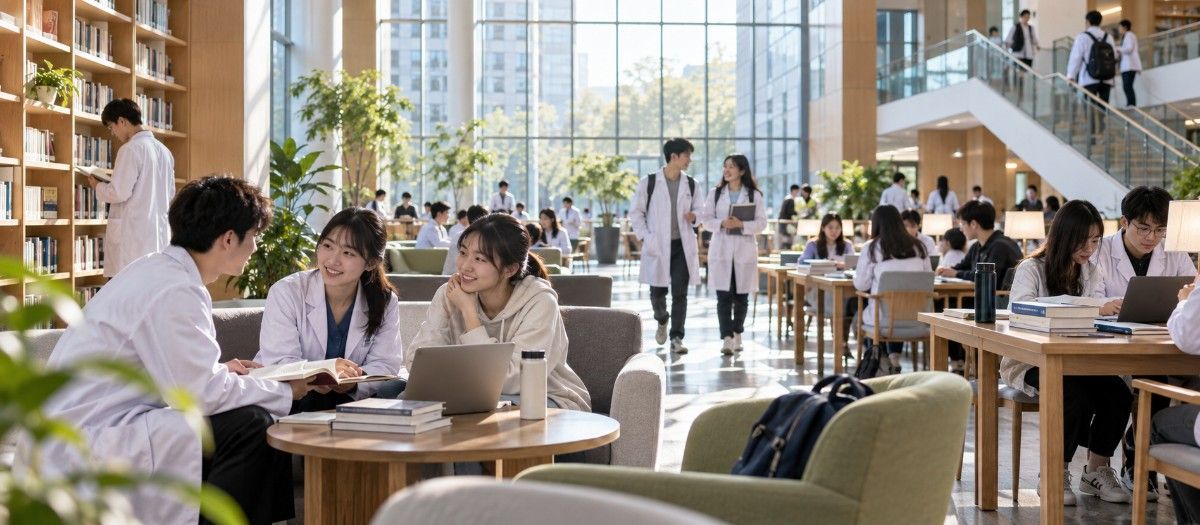
Huanghe's own campus facilities include a library and standard administrative services, alongside the four-campus structure supporting its own considerable, 30,000-student community. Given the genuine information gap around Huanghe's own specific Medicine programme details, distinct from the considerably more documented medical institutions covered elsewhere in this whole Henan-connected series, applicants specifically interested in studying medicine at Huanghe should treat direct, written confirmation from the college's own admissions office as a genuinely essential first step.
As with other Chinese medical institutions covered in comparable guides, NEET remains a genuine requirement for Indian applicants pursuing medical study in China generally, and Indian graduates would still need to clear the FMGE or NExT exam to practise medicine back in India, though applicants should confirm whether Huanghe's own Medicine programme specifically offers an English-medium MBBS pathway for international students directly.
Zhengzhou itself, where Huanghe is based, is Henan Province's own capital and a genuinely major Chinese transport and commercial hub, giving students access to a large, well-connected metropolitan environment. This same city hosts Zhengzhou University, home to Henan Medical College, a considerably more established medical institution covered elsewhere in comparable guides, making it genuinely important for applicants to keep these two, entirely separate Zhengzhou-based institutions clearly distinguished when researching either one.
Huanghe's own chosen name, drawn directly from the Yellow River, reflects a genuinely significant, symbolic connection to one of China's own most historically important waterways, often described as the cradle of Chinese civilisation. While this naming choice doesn't reflect a specific institutional history in the way some other Chinese universities' own namesakes do, it does connect Huanghe to a genuinely resonant piece of Chinese geography and cultural identity, a detail worth knowing directly even though it doesn't substitute for the kind of specific, dated founding history documented at several other, older Henan-connected medical institutions.
Given how genuinely crowded the Henan-connected medical education naming field has now become across six distinct institutions, and how directly this profile has distinguished Huanghe's own considerably younger, more broadly comprehensive institutional identity from the older, dedicated medical schools covered elsewhere, applicants get a considerably more accurate, careful picture here than a generic listing that fails to address this real, practical naming risk. This genuine specificity, combined with an honest acknowledgement of the real information gaps around Huanghe's own Medicine-specific admission details, gives the college a distinctive profile worth understanding fully, alongside the genuine, practical need to confirm current fee and admission details directly before applying.
Fee figures here are based on general Chinese private-college tuition and living-cost bands, since a specific, itemised Medicine-only fee schedule was not separately published for Huanghe; the concrete estimates below give applicants real, usable numbers to plan around.
Cost Item | Amount | Notes |
Tuition Fee | Approx. USD 3,500-6,000/year | Based on typical Medicine tuition bands at comparable Chinese private colleges |
Hostel/Accommodation Fee | Approx. USD 600-1,500/year | Standard shared international-student dormitory rate at comparable Chinese private colleges |
Health Insurance | Approx. USD 100-200/year | Standard estimate for international student health coverage in China |
Food/Meal Expenses | Approx. USD 100-200/month | Based on typical living costs on a Chinese university campus in Zhengzhou |
Visa and Application Fees | Approx. USD 150-300, one-time | Covers application processing, JW202 documentation, and student visa fees |
Total 6-Year Estimate (tuition + hostel + insurance) | Approx. USD 25,800-46,200 | Combined estimate across the full 6-year programme, based on the ranges above held stable year to year |
Note: given the genuine information gap identified for Huanghe's own Medicine programme specifically, and the crowded field of similarly located Henan medical institutions, request the college's own current, official, itemised fee schedule directly before finalising a budget.
Why Huanghe Deserves a Harder Look, and a Considerably More Careful One
Most lists searching for medical education under the "Henan" or "Zhengzhou" name address the more established, dedicated medical institutions, without explaining that Huanghe represents a genuinely different, considerably younger, broadly comprehensive institution offering Medicine as just one of several fields. However, they do not explain this specific issue directly. The reason is simple. It is about a real, now six-way naming overlap most guides skip entirely, and a genuinely different institutional character worth knowing directly.
Huanghe is not like most other Henan-connected medical institutions covered in comparable guides when it comes to its own core historical identity. In fact, it was specifically founded in 1984 as a general, comprehensive private institution, only implementing full undergraduate degree education in 2000, and only later adding Medicine alongside Arts, Sports, Applied Technology, and Business. Furthermore, this genuinely different founding path, considerably more recent and considerably broader than the dedicated, century-old medical schools covered elsewhere in this whole Henan-connected series, deserves direct acknowledgement rather than an assumption that Huanghe shares a comparable medical education pedigree.
The sheer scale of naming overlap within this specific province also matters more than most guides let on. For example, most guides describing Chinese medical education under a provincial name address at most one or two similarly connected institutions. This specific "Henan" cluster genuinely comprises at least six distinct entities, including one now based in the very same city, Zhengzhou, as the considerably more prominent Zhengzhou University itself. Moreover, applicants researching Huanghe specifically must exercise real, sustained caution, since search results for "Henan medical education" or "Zhengzhou medical college" frequently surface content belonging to one of these five other institutions instead.
One thing most other blogs miss is Huanghe's own genuinely large, comprehensive scale despite its relatively younger founding. In addition to standard due diligence, the college enrols approximately 30,000 students across 4 campuses, supported by more than 2,200 faculty members. Since this represents a real, considerable institutional size, comparable to or exceeding several of the older, more traditionally medical-focused Henan institutions covered elsewhere, applicants get a genuinely more accurate picture of Huanghe's own actual scale, distinct from any assumption that its comparatively recent founding implies a smaller or less established institution.