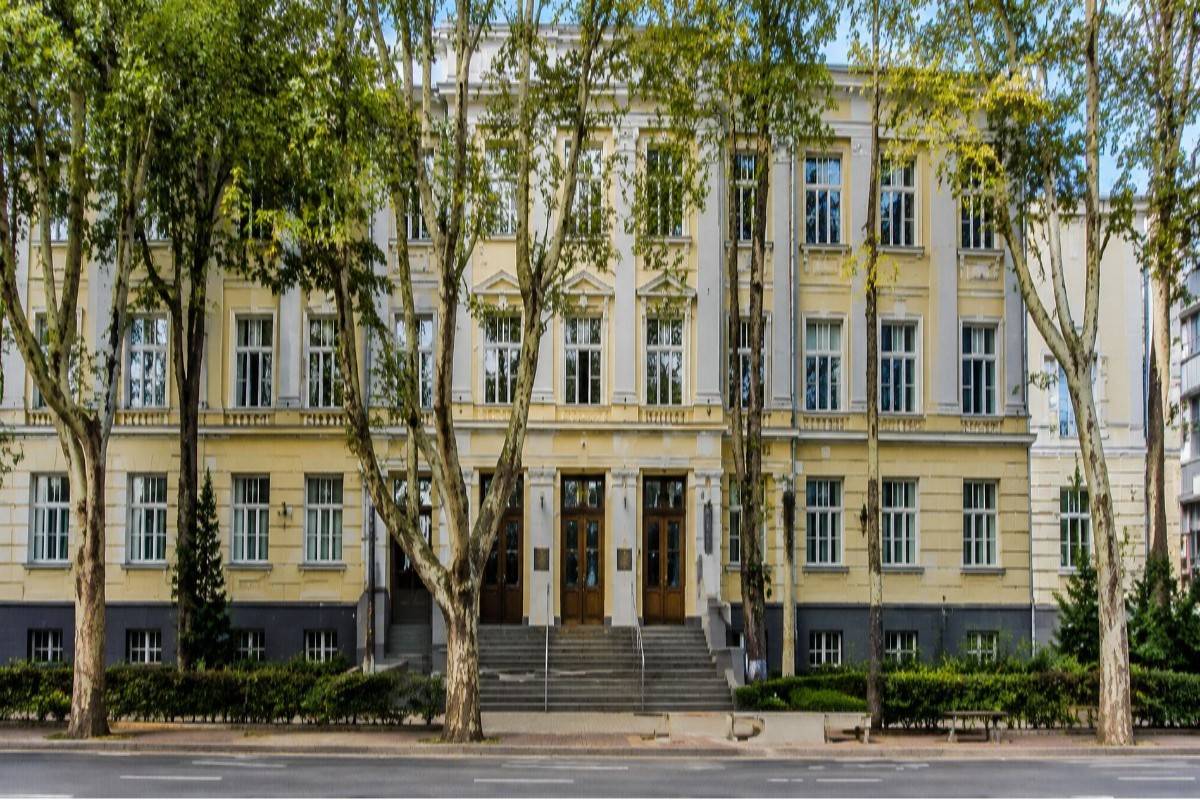
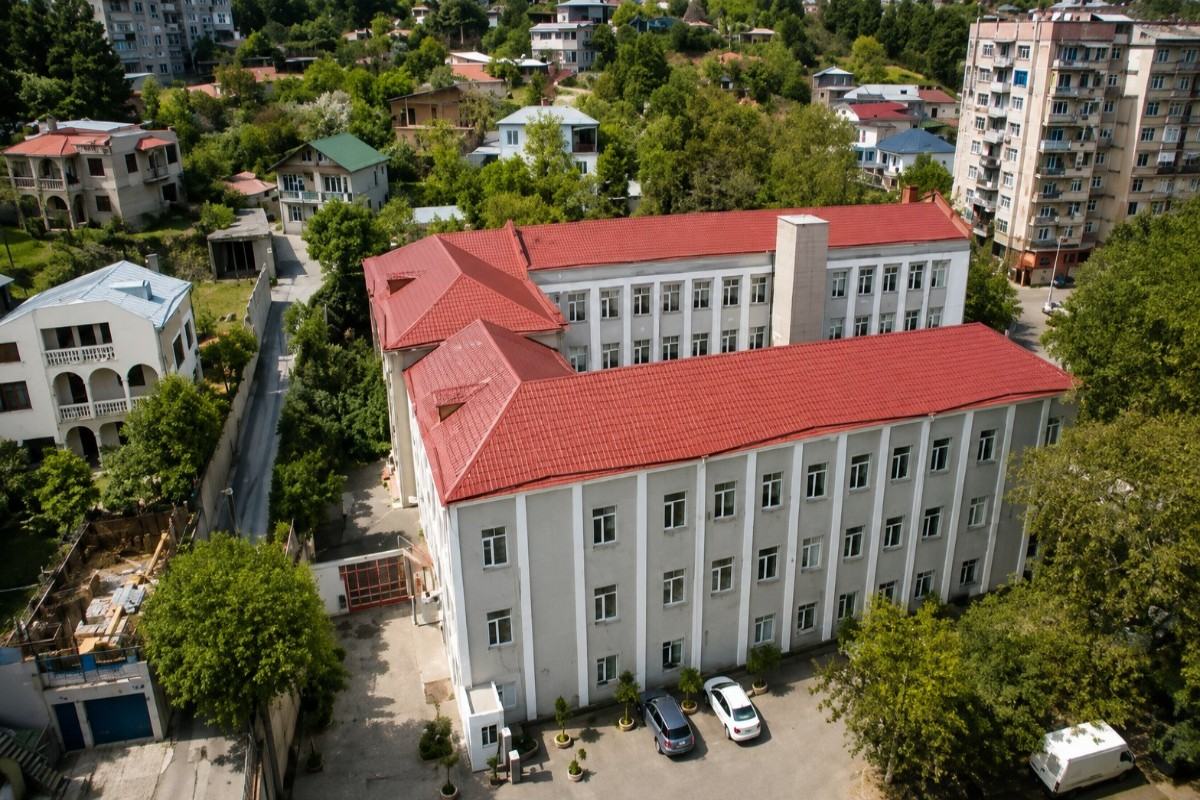
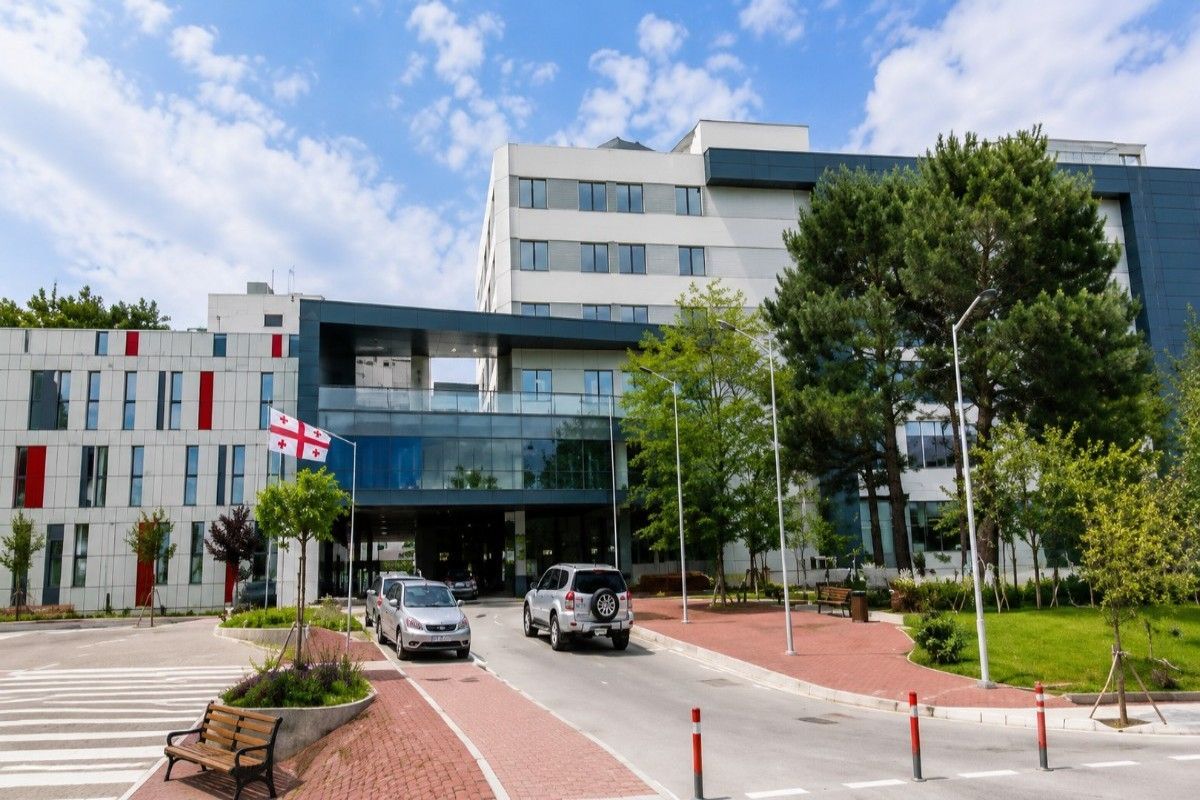
Ilia State University is one of Georgia's leading public research universities, internationally recognised for its academic excellence, research-driven education, modern teaching methods, and strong emphasis on innovation. Located in Tbilisi, the capital city of Georgia, the university has established itself as one of the country's premier higher education institutions, attracting students from around the world through its internationally oriented programmes, distinguished faculty, and advanced research infrastructure. The Medical Program combines rigorous scientific education with extensive clinical training, preparing graduates for successful careers in medicine both nationally and internationally.
Established in 2006 through the merger of six major academic institutions, Ilia State University rapidly developed into one of Georgia's most respected public universities. Today, it offers undergraduate, postgraduate, doctoral, and research programmes across medicine, natural sciences, engineering, humanities, business, law, social sciences, and technology. The university is particularly recognised for its research-intensive approach, interdisciplinary education, and strong international collaborations.
The university offers a six-year Doctor of Medicine (MD) programme that follows the European Credit Transfer and Accumulation System (ECTS) and complies with European and international medical education standards. The curriculum integrates biomedical sciences, clinical medicine, scientific research, communication skills, public health, evidence-based medicine, medical ethics, and patient-centred healthcare. Graduates are prepared for postgraduate education, international licensing examinations, and professional medical practice worldwide.
Medical education begins with comprehensive instruction in the foundational medical sciences. Students study anatomy, physiology, biochemistry, histology, embryology, molecular biology, genetics, microbiology, immunology, pathology, pharmacology, behavioural sciences, epidemiology, preventive medicine, public health, medical ethics, and biostatistics. These subjects provide the scientific foundation necessary before students transition into clinical medicine.
The curriculum combines classroom instruction with anatomy practicals, laboratory sessions, simulation-based learning, problem-based learning (PBL), case-based discussions, digital learning platforms, and interdisciplinary seminars. Throughout the programme, students develop analytical thinking, scientific reasoning, communication skills, professionalism, teamwork, and clinical decision-making abilities.
Clinical exposure begins during the early years through communication workshops, physical examination training, simulation laboratories, patient interviews, and supervised clinical observations. Students gradually transition into advanced hospital-based clinical education as they progress through the programme.
Clinical education is conducted through Ilia State University's affiliated teaching hospitals, university partner clinics, specialised medical centres, and healthcare institutions across Tbilisi. Students receive comprehensive practical education in internal medicine, general surgery, paediatrics, obstetrics and gynaecology, cardiology, neurology, psychiatry, orthopaedics, emergency medicine, anaesthesiology, ophthalmology, dermatology, ENT, radiology, oncology, nephrology, endocrinology, pulmonology, gastroenterology, infectious diseases, rehabilitation medicine, family medicine, and community healthcare.
During clinical rotations, students actively participate in ward rounds, outpatient clinics, emergency departments, operating theatres, multidisciplinary clinical discussions, diagnostic procedures, and supervised patient care. These experiences allow students to integrate theoretical knowledge with practical clinical skills while developing confidence and professional competence.
The university provides access to modern educational facilities including advanced anatomy laboratories, clinical simulation centres, biomedical laboratories, digital classrooms, emergency medicine training facilities, research laboratories, and specialised diagnostic equipment. Students gain practical experience using healthcare technologies commonly employed in modern hospitals.
Research is one of Ilia State University's greatest strengths. Faculty members conduct internationally recognised research in molecular biology, genetics, neuroscience, oncology, infectious diseases, immunology, pharmacology, regenerative medicine, stem cell biology, biomedical sciences, epidemiology, environmental health, public health, artificial intelligence in healthcare, digital medicine, and medical education. Students are encouraged to participate in faculty-supervised research projects, scientific publications, innovation programmes, laboratory investigations, and international conferences.
The university maintains strong international partnerships with universities, hospitals, and research institutions across Europe, North America, and Asia. Student exchange programmes, Erasmus+ initiatives, collaborative research, visiting professors, and international conferences provide valuable global exposure and strengthen academic quality.
The curriculum incorporates modern healthcare concepts including evidence-based medicine, personalised healthcare, digital medicine, preventive healthcare, patient safety, healthcare management, interdisciplinary collaboration, and professional ethics. These components prepare graduates for rapidly evolving global healthcare systems.
Simulation-based education forms an essential part of practical learning. Students utilise high-fidelity patient simulators and advanced clinical skills laboratories to practise emergency medicine, advanced life support, clinical procedures, diagnostic reasoning, communication skills, and multidisciplinary teamwork before entering real clinical environments.
Student life at Ilia State University offers a vibrant multicultural environment where students participate in scientific societies, volunteer healthcare programmes, research organisations, innovation competitions, sports clubs, cultural associations, leadership programmes, and international student organisations that contribute to both academic and personal development.
Tbilisi offers international students affordable living costs, modern infrastructure, reliable transportation, quality healthcare facilities, rich cultural heritage, and a safe environment that supports both academic success and personal growth.
The university provides comprehensive student support services including academic advising, international student offices, accommodation assistance, counselling, language support, digital libraries, sports facilities, career guidance, wellbeing programmes, and research mentorship.
Graduates of Ilia State University pursue careers in clinical medicine, residency programmes, biomedical research, academic medicine, healthcare administration, pharmaceutical sciences, and international medical practice. Many continue postgraduate education at prestigious institutions worldwide while successfully qualifying for international medical licensing examinations.
Today, Ilia State University continues to strengthen its global reputation through excellence in medical education, world-class research, advanced clinical training, and expanding international collaboration.