
Q1. Is this program taught in English?
+Teaching runs in both English and Russian; the English-medium MBBS track specifically began roughly a decade ago, per at least one source.
 Russia | Est. 1957
Russia | Approved by Russia's Ministry of Science and Higher Education. Consistently described across multiple independent sources as recognised by the WHO (WDOMS listed), India's NMC (described as compliant with FMGL Regulations 2021 by at least one source), FAIMER, E | English and Russian. medium
Expert will call you within 2 hours
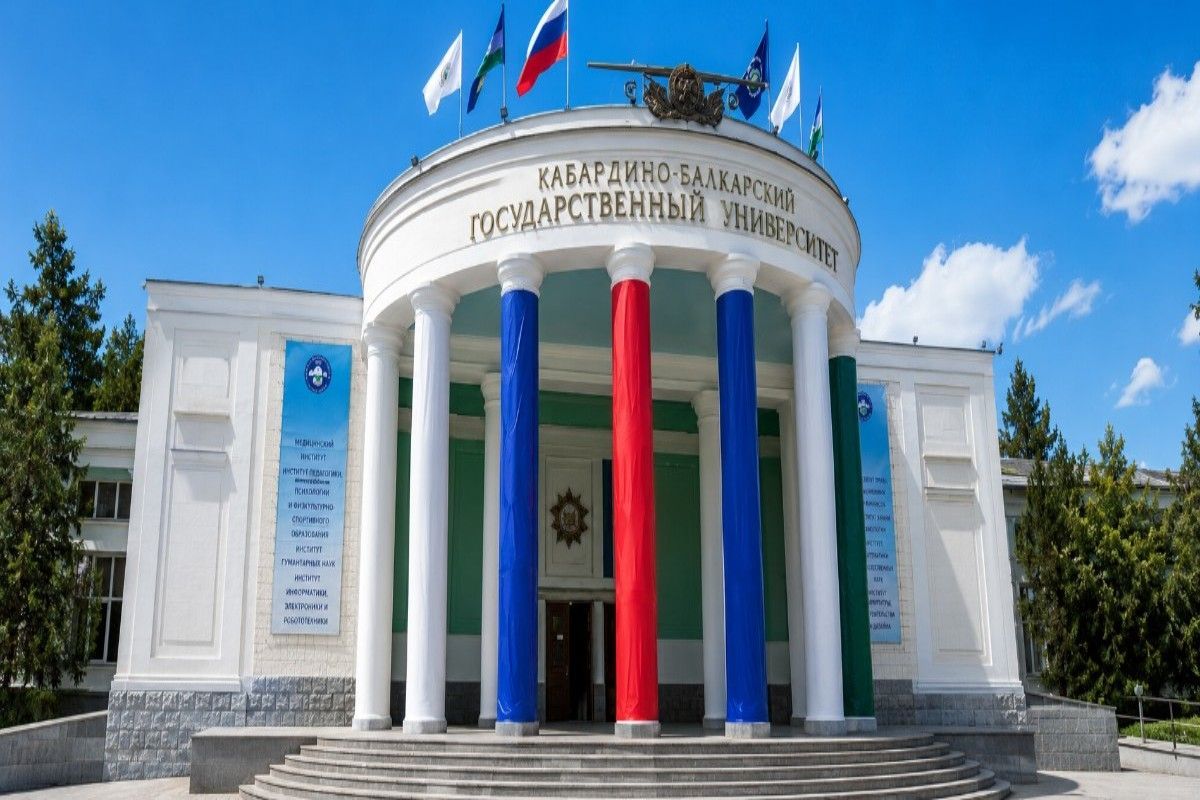
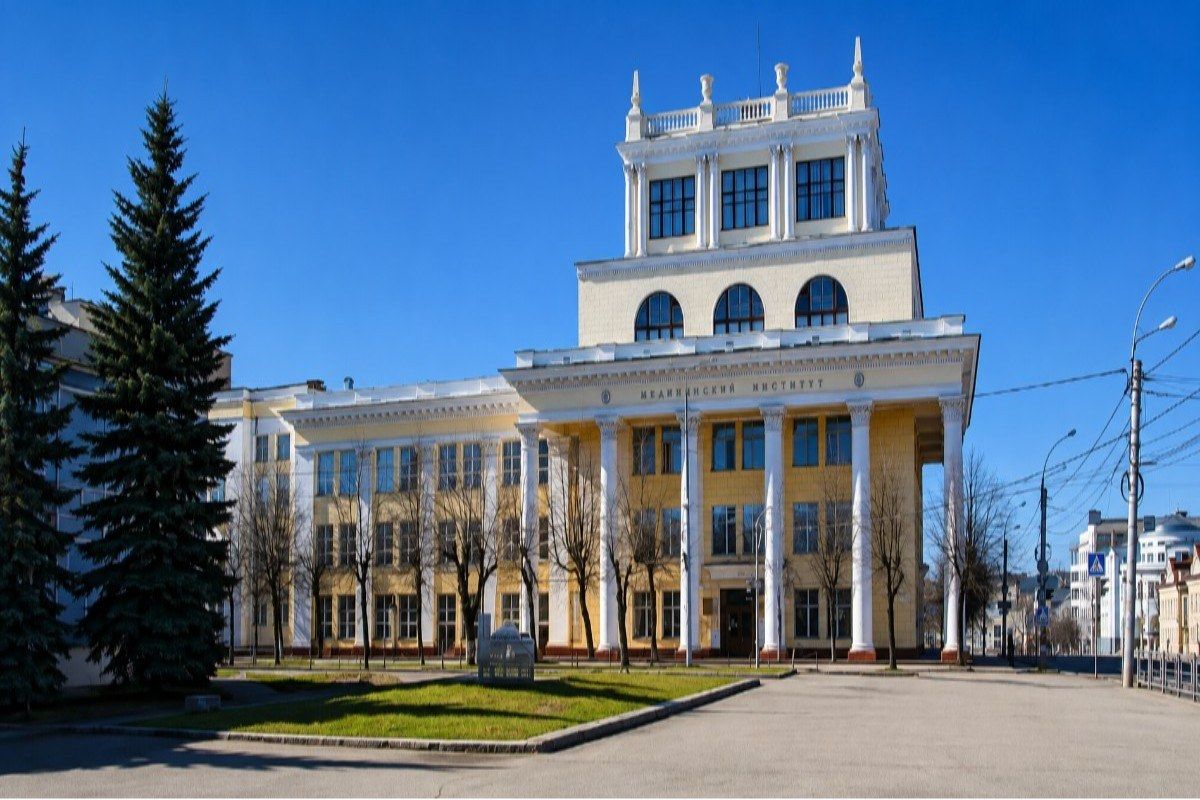
The Kabardino-Balkarian State University, or KBSU, is in Nalchik, which is the capital of the Kabardino-Balkarian Republic and is in the North Caucasus area of Russia. The dates that different sources say the university was founded are not the same, which should be made clear right away. Most sources say that it was founded in 1957. The year 1932 is given instead by at least one other source, which talks about a "legacy of over six decades" that is more in line with the year 1957 when advanced to the present day. Compared to some of the other schools we've talked about in this series, this is a pretty small gap. If it's important to their research, a potential student can easily find out the exact number by calling the university.
It doesn't matter which date is right; the university is a real institution in Russia. The university got a Certificate of Merit and a Medal from Russia's State Duma, the country's parliament, on its 50th anniversary for its outstanding service and successes. This is not just a marketing claim; it is a real award from the government. The university was named as one of the 100 best in Russia in 2008. As the winner of the All-Russian contest for the 100 best universities in the country in science and education in 2010, it was given another special diploma. At that point in its past, the university was ranked 11th in Russia among all classical universities, which was a very good showing for the whole country.
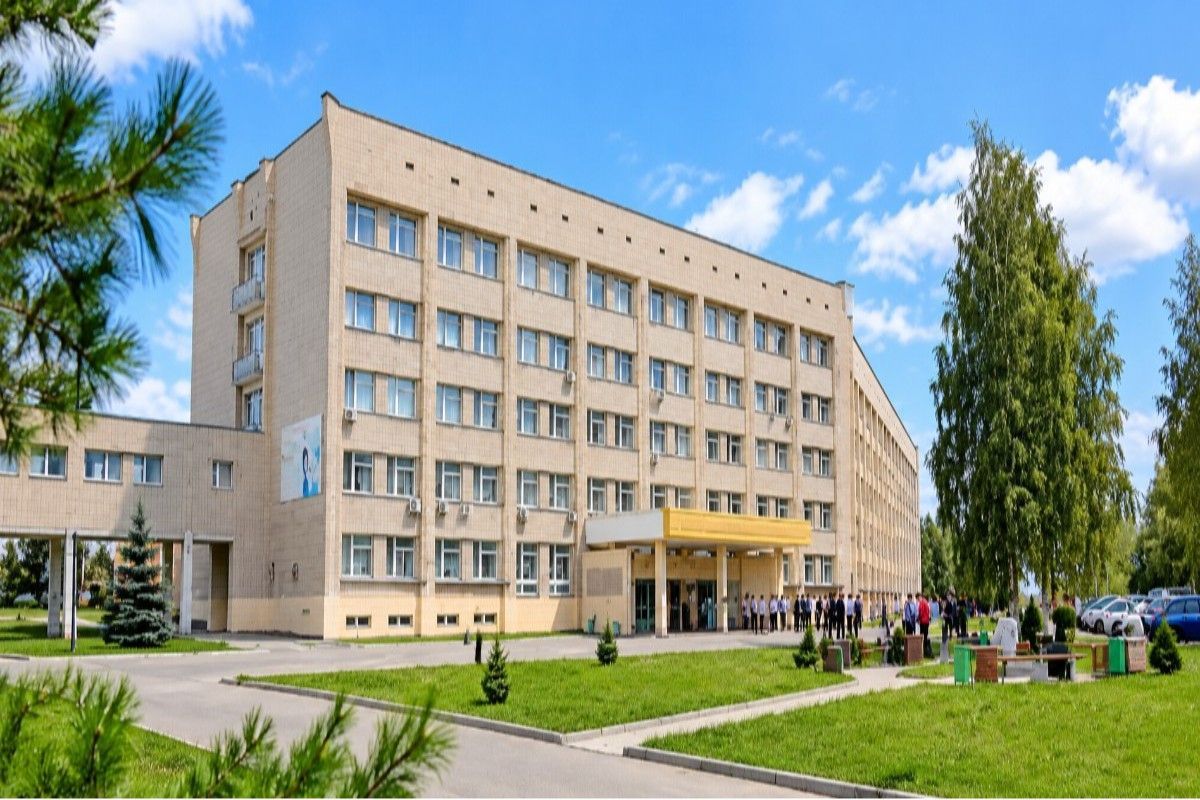
KBSU is a large, multidisciplinary university. The medical faculty is not a separate medical institute, but rather a part of a larger academic structure that covers many fields. As well as the resources of the medical staff, this gives medical students access to the whole university campus and community. According to different sources, the university has many specialized faculties and institutes that work together to offer a huge variety of undergraduate and graduate programs in both the humanities and the sciences.
Following the exact rules set by India's National Medical Commission, the MBBS program lasts for six years: 54 months of core classroom study followed by a 12-month internship. There are classes in both English and Russian. It's important to understand this because some of the other Russian medical schools in this series only teach in English for their foreign track. One source says that the English-medium MBBS track began about ten years ago, making it a somewhat newer addition to an institution that is much older and has generally been Russian-language.
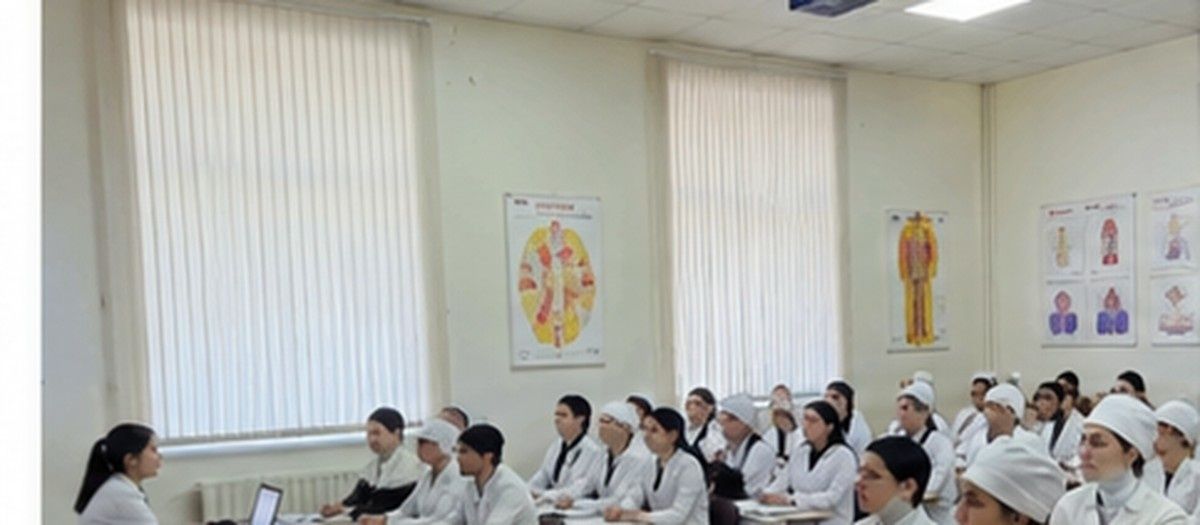
Here, clinical training is based on an organized progression. Students in their first year focus on basic science and schoolwork. From the second year on, students get real, hands-on clinical experience by working directly with local patients in hospitals and clinics that are affiliated with the school and being supervised by a doctor. According to sources, these affiliated hospitals are always busy, which means that students get a lot of real-life clinical experience and work to do while they are training. Several sources say that by the time students finish the whole program, they usually know how to use Russian as a real second language. This is a real, useful result of studying and living in a Russian-speaking clinical environment for six years, even if they are on an English-only academic track.
There is also some variation in scores across sources, which is something to keep in mind instead of picking a single number. One source ranks KBSU's School of Medicine as the 87th best in Russia and the 3,716th best in the world. Another source says it's 82nd in the country and 3,352nd in the world. More generally, a third source says that the university is ranked 12th in Russia among all medical colleges. It's more likely that these numbers come from different ranking methods, different years, or different scopes, like rankings for the whole university vs. rankings just for the medicine school. If a potential student uses rankings to help them make a choice, they should not see these as a single exact number but as a rough picture that points them in the right direction.
When it comes to recognition, the picture is really the same across a lot of different sources. There is a WDOMS listing for the World Health Organization, the National Medical Commission of India, FAIMER, ECFMG in the US, and UNESCO. At least one source says that the program closely follows the NMC's Foreign Medical Graduate Licentiate (FMGL) Regulations of 2021. This is a specific reference to the regulations, which is more reliable than a general claim of recognition. This consistency across many different consulting and admissions pages really adds weight to the big picture. However, as with any claim we've looked at in this series, the best way to be sure is to check each body's main listing directly.
Cost is one area where sources agree pretty well, which is a real plus. Several sources agree on the range: education costs between USD 2,500 and USD 2,567 per year; one source says the annual fee is around 395,000 Russian Rubles; and another says it costs between INR 2.8 lakh and INR 4.5 lakh per year. These numbers are pretty close to each other, which is a good sign because at some other schools in this set, tuition numbers were spread out in a way that was harder to understand. Several sources also make it clear that KBSU does not charge a donation or capitation fee to enter, which is another positive fact that keeps coming up.
Living in Nalchik has real, useful appeal that goes beyond the facts. The city is in the Caucasus region, which is said to be healthy and peaceful by many sources. It is a very different environment from Russia's bigger, busier towns. There is said to be an Indian mess on the grounds of the hostels, so students can get familiar food without having to cook for themselves. This is a practical detail that is especially important for a large group of Indian students. Sources also say that officials meet new students at the airport in Nalchik, help them get to the hostel, and take care of their first medical exams and visa paperwork. This is a really helpful service for students who are just starting out in a new country.
The process for getting in is the same at all of these Russian medical colleges. There isn't a different test to get into college. Applicants must be at least 17 years old by December 31 of the year they want to enter and no more than 25 years old. For general applicants, they need to have at least 50 percent aggregate marks in Physics, Chemistry, and Biology, or 40 percent for applicants from reserved categories. They also need to have passed the NEET and have a score that is valid for up to three years from the year it was cleared.
Simply put, Kabardino-Balkarian State University is a real, long-standing, officially state-recognized school that has the support of the Russian government. It also has consistently low, generally agreed-upon tuition rates and a clear policy that doesn't accept donations for admissions. Its rankings come from a variety of sources, so they shouldn't be taken as exact. Its teaching model, which uses both English and Russian, is a reflection of the university's history as a Russian-language school. For a student who wants a real low-cost school with a history that is recognized by the government and a unique setting in the Caucasus, KBSU is a solid, well-supported choice among the Russian schools we've looked at so far.
No hidden charges, no donation. The full picture of costs at MBBS in Kabardino Balkarian State University Faculty of Medicine.
Tuition Fee
Approx. USD 2,500 to 2,567/year (~INR 2.09 to 2.15 lakh/year)
USD2,530 & 2.12 lakh
Hostel Fee
Not clearly published as one confirmed figure;
USD 700 & 0.59 lakh
Food & Meals
USD 1,000 & 0.84 lakh
per year
Insurance
USD 250 & 0.21 lakh
per year
Donation
No Donation
No Hidden Fee
Total Estimated Cost
USD 26,880 & ~22.48 lakh
6 years
25–35%
Average FMGE first-attempt pass rates for students from many overseas medical universities. Students from structured programs consistently score higher.
Students returning to India need to clear the FMGE/NExT exam. MBBS in Kabardino Balkarian State University Faculty of Medicine integrates exam-oriented coaching into the regular curriculum so students are prepared from day one.
A structured program that takes you from foundational sciences to clinical mastery.
Medical biology, chemistry/biochemistry, physics and introductory scientific disciplines support the basic-medical curriculum.
Human anatomy, including systematic study of the structure of the human body. Histology, embryology and cytology are introduced as the microscopic and developmental foundations of medicine.
General pathology introduces mechanisms and morphological changes associated with disease.
Normal physiology develops understanding of organ-system function.Biochemistry, cell biology and molecular processes are studied in greater depth.
Forensic medicine, public-health and related professional disciplines are incorporated into the broader medical curriculum.
Pathological anatomy and pathophysiology examine disease mechanisms and structural changes. • Pharmacology introduces drug actions, therapeutic principles and adverse effects.
Clinical teaching takes place increasingly on hospital and healthcare-facility bases rather than only in university classrooms.
General surgery and clinical diagnostics introduce systematic patient assessment and surgical principles.
Students undertake supervised practical training at KBSU's clinical bases, including the Republican Clinical Hospital, Republican Children's Clinical Hospital and Cardiology Center.
Internal medicine develops diagnosis and management of adult medical disorders. • General surgery develops operative and peri-operative clinical skills.
Completion of the specialist program is followed by Russia's primary specialist accreditation process; KBSU reports that sixth-year graduates undergo this assessment before obtaining the right to practise medicine in Russia.
The final year emphasizes supervised clinical practice across major medical specialties.
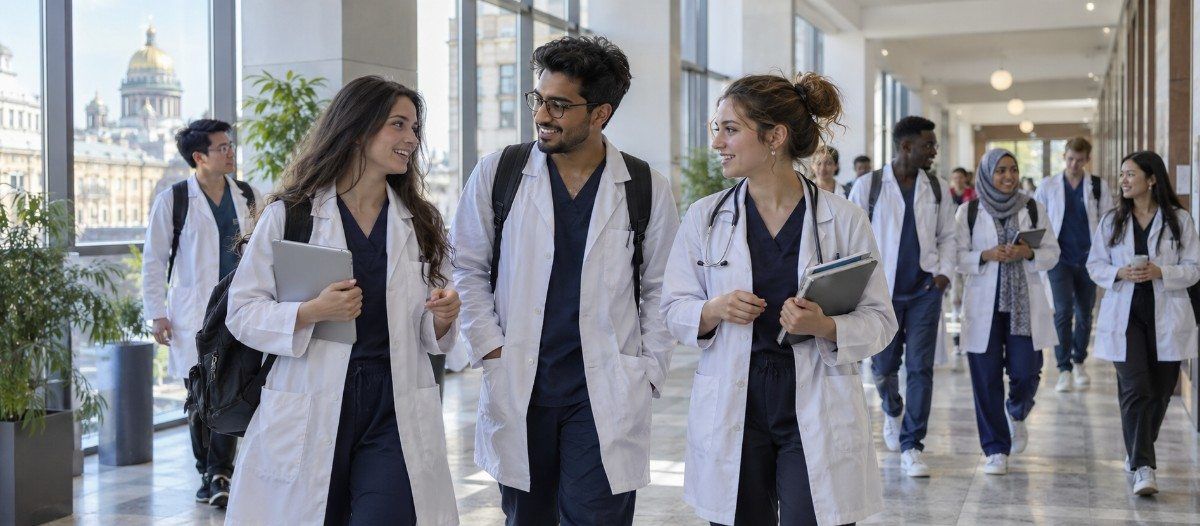
Furnished hostel rooms with Wi-Fi, laundry, 24/7 security, and Indian mess on or near campus.
Indian restaurants and mess facilities serving vegetarian and non-vegetarian home-style food daily.
Strong Indian community with cultural events, festival celebrations, and peer support groups.
Students get hands-on clinical training in government and private hospitals affiliated with the university.
Practical information for students planning to study at MBBS in Kabardino Balkarian State University Faculty of Medicine.
Prepare for all seasons. Thermal wear for winters, light clothing for summers. University provides heating in hostels.
Student visa processed with university invitation letter. Direct and connecting flights from major Indian cities.
Health insurance included in fees. Medical facility on campus plus city hospitals easily accessible.
Local SIM cards available. WhatsApp and video calls keep you connected with family back home.
Average monthly expenses of $150–$250 covering food, transport, and personal needs.
University library, online databases, and study groups. Seniors mentor juniors through academic challenges.
Our team guides you through every step — from application to arriving on campus.
Shortlist 3–5 NMC-approved universities on fees, city, FMGE reputation, and hostel quality.
Submit the application with academic documents and NEET scorecard.
Receive the Admission/Offer Letter from the university.
Pay the initial tuition instalment via the official channel.
Receive the Invitation Letter, issued by Russia's Ministry of Foreign Affairs — your visa depends on this.
Apply for the Student Visa via Embassy/VFS; realistic processing time is 2–4 weeks.
Arrange winter clothing, travel/health insurance, and a 5–8% currency buffer for ruble fluctuation in the final weeks before travel.
Travel, typically late August to early September.
Complete enrollment, a medical check-up, and hostel allotment on arrival.
Attend orientation; classes begin in the first/second week of September.
Admission Helpline — Contact our counsellors for step-by-step assistance.
“The faculty here is incredibly supportive. The clinical training during hospital rotations has given me real confidence in patient care.”
“Affordable fees without compromising on quality. The campus facilities and hostel life made my transition abroad very smooth.”
“English medium instruction and WHO-recognized curriculum were the deciding factors for me. No regrets so far — excellent experience overall.”
“The university helped with everything from visa to accommodation. Hospital exposure from year three has been invaluable for my FMGE prep.”
“Just cleared my licensing exam on the first attempt. The structured coaching and mock exams during final year were a game-changer.”
“Safe campus, good food options, and a strong Indian student community. The teaching methodology is very practical and hands-on.”
Teaching runs in both English and Russian; the English-medium MBBS track specifically began roughly a decade ago, per at least one source.
No separate university entrance exam is required; admission runs on academic document review, alongside standard NEET qualification for Indian applicants.
Yes, valid for up to 3 years from the year it was cleared.
Approx. USD 2,500 to 2,567/year, a figure cited with genuine consistency across multiple sources
Yes, per multiple consistent sources: WHO (WDOMS listed), NMC, FAIMER, ECFMG, and UNESCO.
No, per multiple independent sources stating plainly that no capitation or donation fee applies.
Most sources say 1957; at least one source says 1932. Confirm the exact date directly with the university.
A peaceful, healthy city in Russia's Caucasus region, with an on-site Indian mess and airport pickup services described across sources for new international students.
Sources show a spread, from around 82nd to 87th nationally in some rankings, to 12th among Russian medical institutions in another; treat these as directional rather than one precise figure.
Students prioritising genuinely low, well-agreed tuition costs, a real government-recognised institutional history, and a distinctive Caucasus regional setting, comfortable with a bilingual English-Russian teaching environment.
Our expert counsellors will guide you through the complete admission process — from documents to airport pickup.