
1. Is this program taught in English?
+Yes, based on general sources covering the university's General Medicine program, though university-specific confirmation was limited.
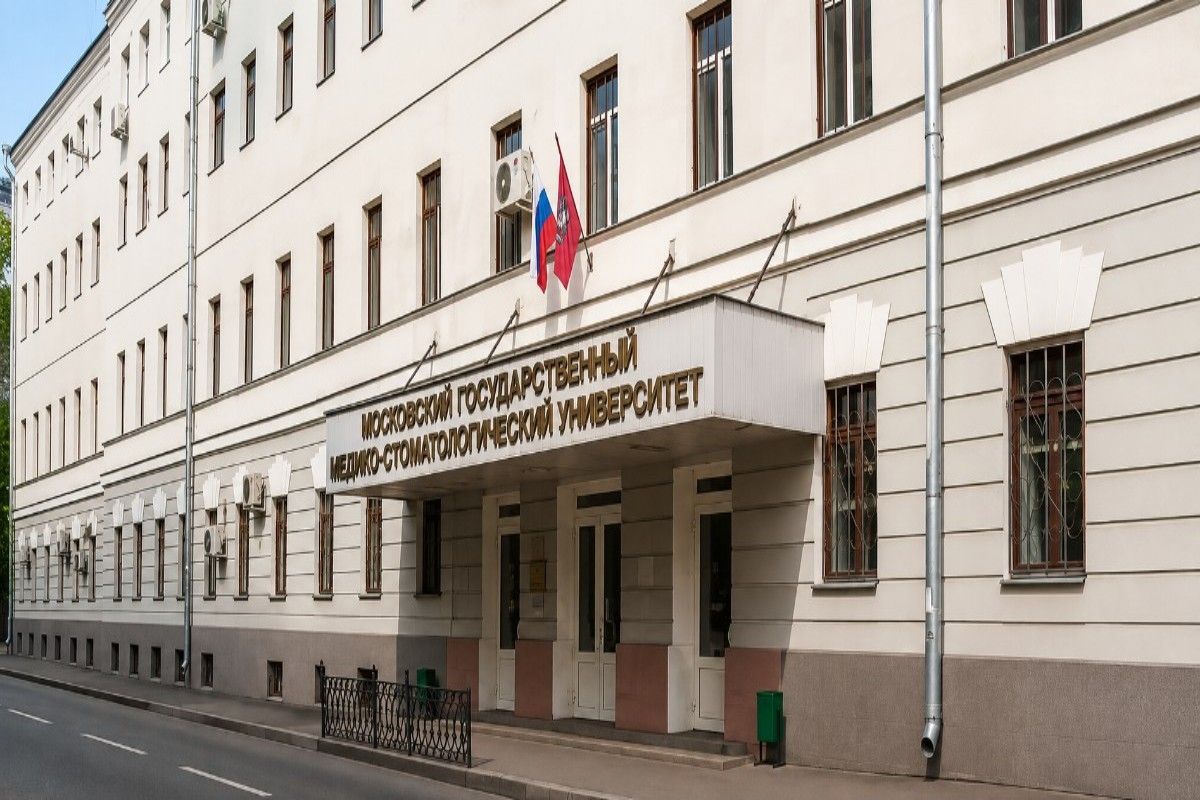
 Russia | Est. 1906
Russia | General sources describe Russian medical universities as broadly recognised by the WHO, India's NMC, WFME, ECFMG, and FAIMER; RUM-specific, independently verified accreditation documentation was not clearly located for this profile given the institution's. | English medium
Expert will call you within 2 hours
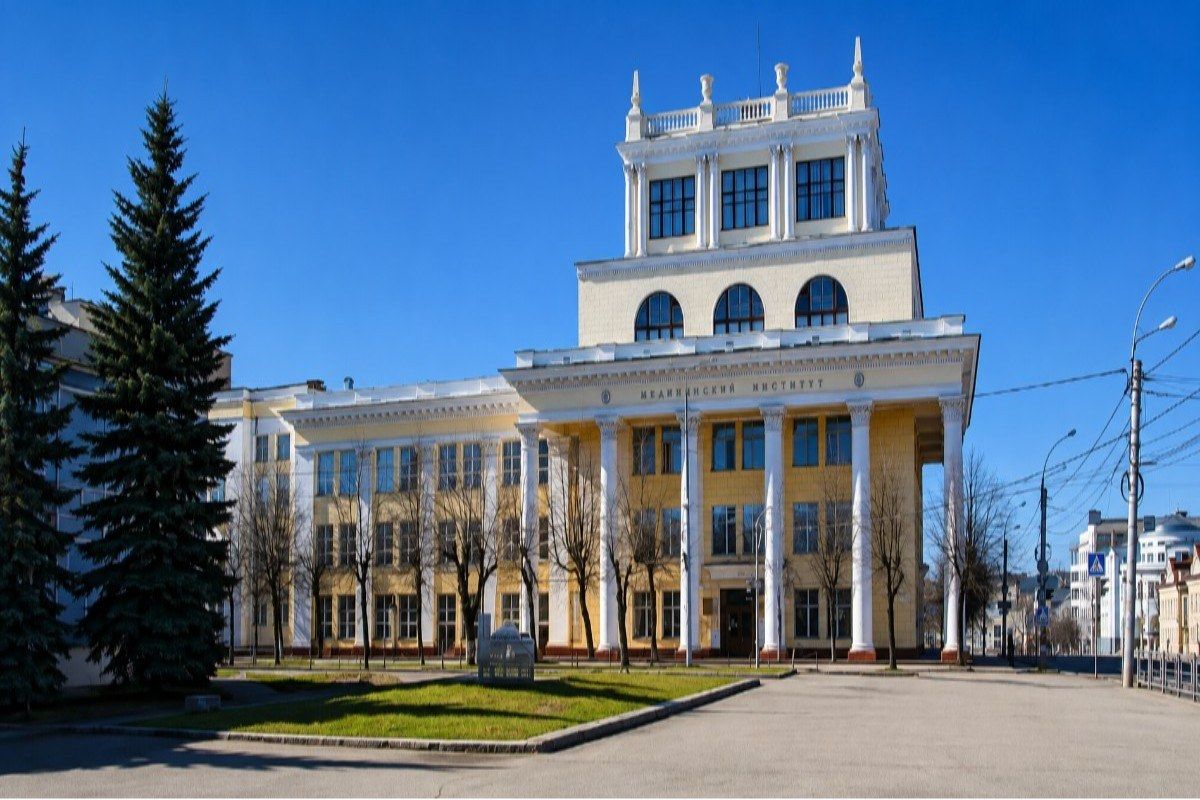
The Russian University of Medicine, which is sometimes just called RUM, has one of the hardest names of all the schools we've talked about so far. People who want to find out more about this university on the web should be aware of this story. In fact, this group's current name is a change to the name of an older group that was called the A.I. You can choose from three well-known medical schools in Moscow. In that area, the Evdokimov Moscow State University of Medicine and Dentistry is called "Third Med," which is different from "First Med" and "Second Med." Use the school's old name or a name that sounds like it, like Moscow State University of Medicine and Dentistry (MSUMD) or Moscow State University of Medicine and Dentistry. The school you will find has a new name.
University has had many names over the years, but its history goes back further than that. It started running as the Moscow State Dental Institute on April 2, 1922, when it was officially named that. Adding it to the group was the job of the People's Commissariat of Health of the Russian Soviet Federative Socialist Republic. However, this date, 1922, is not the real start of the process. For the first time in the area, Dr. I.M. Kovarsky opened the first school for oral surgery in 1892. This is what led to the university being built here. Moscow was run by the Soviet government at the time, so the first Kovarsky school was moved to other Moscow schools. Because of this, the House of Soviet Dentistry was built. In addition to the traditional Kovarsky school, it had a surgical demonstration clinic, a chemistry lab, and several dental care facilities. In the end, this group turned into the modern college we know today.
There are big and long-lasting effects on the university that come from the fact that it was started in dentistry. A lot of people still say that RUM is the best school in Russia for dentistry, general medicine, and health sciences. This school is very different from the other Russian medical schools we've talked about so far because of these things. In contrast to most of those schools, which were founded on the idea of general medicine, this one started out as a small business that taught dentistry.
The school has been practicing dentistry for a long time, and it also has a regular General Medicine track that is the same as the MBBS program. So that students from other countries can understand, it is taught in English and is based on the standard Russian medical school curriculum, which is a six-year program used all over the country. The name of the school was changed from the Evdokimov era to the Russian University of Medicine because of recent events. Older materials, on the other hand, will still use the Evdokimov or MSUMD names, while newer materials will only have the RUM title on their titles. A lot of different sources will likely keep talking about the school in the same way that has already been described, so people who want to apply should be ready for that.
There are other sources that talk about medical education in Russia in general, rather than just this one university. From what these sources say, it sounds like all of Russia's medical universities follow the same process for getting recognized. The WHO, India's National Medical Commission, WFME, ECFMG, and FAIMER have all given their approval to these universities. It was harder for this profile to find RUM-specific recognition paperwork that was as clear and consistent as it was for some of the bigger, more stable Russian institutions that were talked about earlier in this series. This was because RUM recently changed its name. This issue needs to be made clear as soon as possible. People who want to apply should first get a current copy of their accreditation from RUM's admissions office. Then, they should compare it to the official lists kept by the WHO and India's National Medical Council. This is because the school's name and logo were changed not long ago.
As for how much tuition is, this profile couldn't find a single confirmed rate that was directly linked to the Russian University of Medicine. Most publications that write about medical education in Russia agree that Moscow's medical colleges have some of the most expensive tuition fees in the country. The reason for this is that living and doing business in Moscow is much more expensive than in other cities like Saransk or Vladikavkaz, which are talked about in other parts of this series. Some websites say that the cost of an MBBS degree in Russia can be anywhere from USD 2,800 to USD 6,900 per year. The exact cost can change depending on the city and university. On a scale, these prices are about the same as where schools are in Moscow. That being said, the admissions office at RUM should give you a clear and up-to-date written fee quote more often than some of the other schools we've looked at in this series. The research did not find a number that was unique to universities, which is why this is the case.
If you really want to live in Moscow, there are some real-world things you need to think about. Moscow is the capital and biggest city of the country. There is no way that a smaller city in the country could compete with its level of infrastructure, transportation, and culture amenities. When compared to Saransk and Vladikavkaz, this means that everyday costs of living, eating, and getting around are higher in Russia. If you want to be close to a big city and still be able to afford it, this is a real trade-off that you should think about when making plans.
Indian applicants have to follow the standard national rule, just like applicants to the other schools in this set. India's National Medical Commission says that if you want to study medicine abroad, you must have a valid score on the National Eligibility and Eligibility Test (NEET). Also, graduates must pass either the FMGE or the NExT exam before they can work as doctors in India after they graduate. This is true no matter what the university's name is, how long it has been around, or what changes it has made to its name recently.
At its most basic, the Russian University of Medicine has been around since 1892 and has had a number of different names over that time. Its main goal is to improve people's overall health, but it also pays extra attention to dentistry. It is based in Russia's capital city. Before enrolling in this school, you should do a lot more research on it than on some of the other schools in this series that give more accurate information. However, this is because it just changed its name from Evdokimov, and we couldn't find a clear published figure that directly related to the cost of tuition or the university's recognition. For someone really wanting to go to this university, they should only trust written proof that comes straight from the school.
No hidden charges, no donation. The full picture of costs at MBBS in Russian University of Medicine.
Tuition Fee
USD 4,000 - 6,900 INR ~ 3.34 to 5.77 lakh/year
USD 5,400 INR 4.51 lakh
Hostel Fee
USD 1,800 INR 1.51 lakh
USD 1,800 INR 1.51 lakh
Food & Meals
USD 1,800 INR 1.51 lakh
per month
Insurance
USD ~9,300 INR ~7.78 lakh
per year
Donation
No donation
No hidden
Total Estimated Cost
USD ~55,800 INR ~46.68 lakh
6 year
25–35%
Average FMGE first-attempt pass rates for students from many overseas medical universities. Students from structured programs consistently score higher.
Students returning to India need to clear the FMGE/NExT exam. MBBS in Russian University of Medicine integrates exam-oriented coaching into the regular curriculum so students are prepared from day one.
A structured program that takes you from foundational sciences to clinical mastery.
Focus on normal human body structure and function at cellular and systemic levels.
General human anatomy, histology, cytology, medical biology, biochemistry, physiology, and normal psychology.
Shift toward understanding disease processes, pharmacological interventions, and diagnostics.
Pathological anatomy, pathophysiology, pharmacology, microbiology, virology, immunology, and general surgery.
Intensive clinical postings in university-affiliated hospitals, emergency centers, and specialized departments.
Internal medicine, hospital surgery, pediatrics, obstetrics and gynecology, neurology, psychiatry, oncology, traumatology, infectious diseases, and public health.
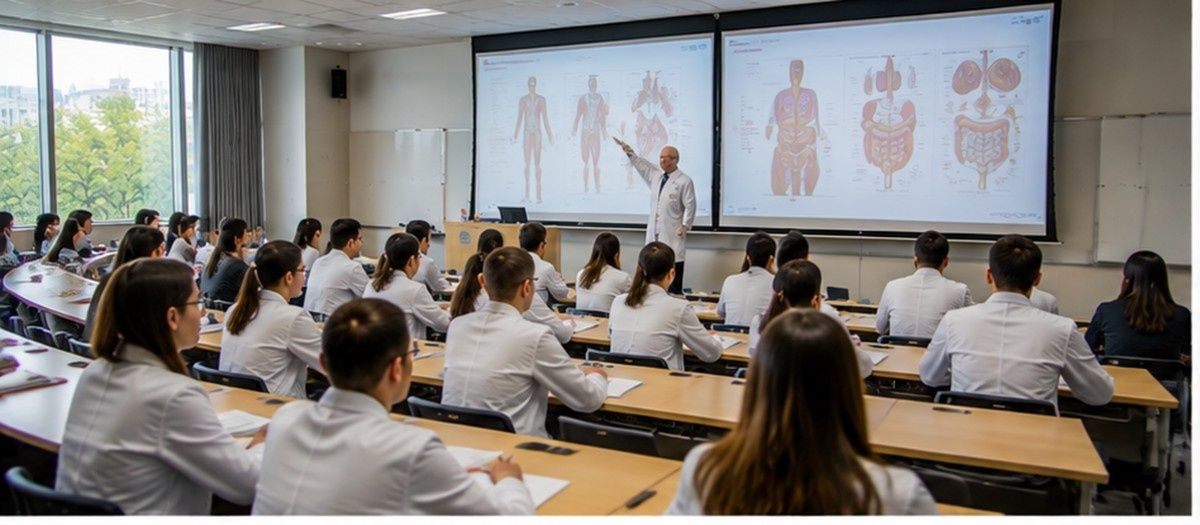
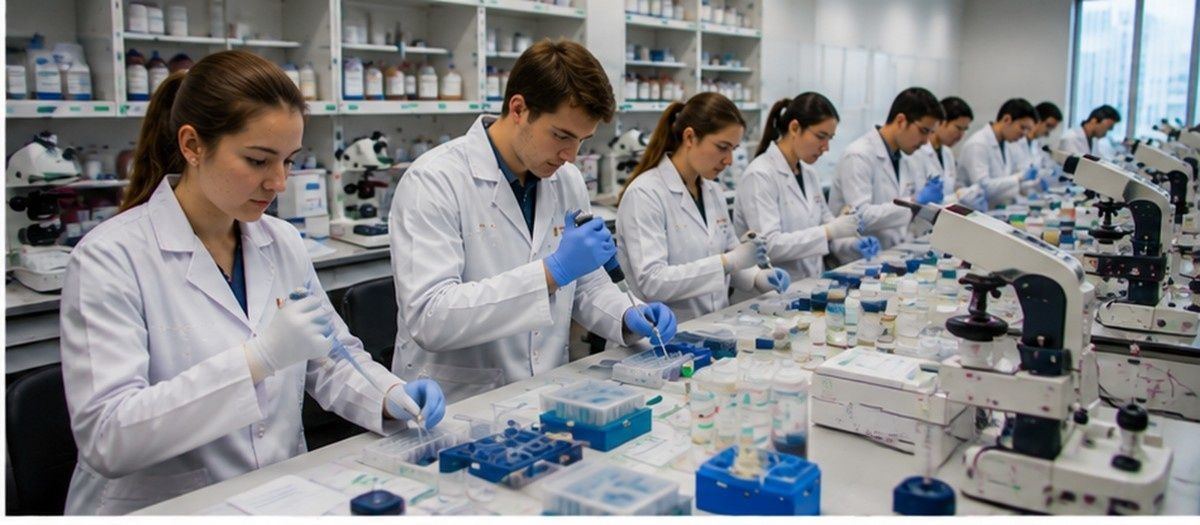
Furnished hostel rooms with Wi-Fi, laundry, 24/7 security, and Indian mess on or near campus.
Indian restaurants and mess facilities serving vegetarian and non-vegetarian home-style food daily.
Strong Indian community with cultural events, festival celebrations, and peer support groups.
Students get hands-on clinical training in government and private hospitals affiliated with the university.
Practical information for students planning to study at MBBS in Russian University of Medicine.
Prepare for all seasons. Thermal wear for winters, light clothing for summers. University provides heating in hostels.
Student visa processed with university invitation letter. Direct and connecting flights from major Indian cities.
Health insurance included in fees. Medical facility on campus plus city hospitals easily accessible.
Local SIM cards available. WhatsApp and video calls keep you connected with family back home.
Average monthly expenses of $150–$250 covering food, transport, and personal needs.
University library, online databases, and study groups. Seniors mentor juniors through academic challenges.
Our team guides you through every step — from application to arriving on campus.
Shortlist 3–5 NMC-approved universities on fees, city, FMGE reputation, and hostel quality.
Submit the application with academic documents and NEET scorecard.
Receive the Admission/Offer Letter from the university.
Pay the initial tuition instalment via the official channel.
Receive the Invitation Letter, issued by Russia's Ministry of Foreign Affairs — your visa depends on this.
Apply for the Student Visa via Embassy/VFS; realistic processing time is 2–4 weeks.
Arrange winter clothing, travel/health insurance, and a 5–8% currency buffer for ruble fluctuation in the final weeks before travel.
Travel, typically late August to early September.
Complete enrollment, a medical check-up, and hostel allotment on arrival.
Attend orientation; classes begin in the first/second week of September.
Admission Helpline — Contact our counsellors for step-by-step assistance.
“The faculty here is incredibly supportive. The clinical training during hospital rotations has given me real confidence in patient care.”
“Affordable fees without compromising on quality. The campus facilities and hostel life made my transition abroad very smooth.”
“English medium instruction and WHO-recognized curriculum were the deciding factors for me. No regrets so far — excellent experience overall.”
“The university helped with everything from visa to accommodation. Hospital exposure from year three has been invaluable for my FMGE prep.”
“Just cleared my licensing exam on the first attempt. The structured coaching and mock exams during final year were a game-changer.”
“Safe campus, good food options, and a strong Indian student community. The teaching methodology is very practical and hands-on.”
Yes, based on general sources covering the university's General Medicine program, though university-specific confirmation was limited.
No specific, confirmed entrance exam requirement was located for this university beyond standard NEET qualification for Indian applicants.
Yes, per standard National Medical Commission rules.
No university-specific figure was found; general Moscow-tier Russian medical tuition runs roughly USD 4,000 to 6,900/year. Confirm the exact current rate directly with admissions.
General sources describe Russian medical universities as broadly recognised by WHO, NMC, WFME, and ECFMG; RUM-specific documentation was not independently confirmed for this profile.
It was formerly known as the A.I. Evdokimov Moscow State University of Medicine and Dentistry (MSUMD), and is informally called "Third Med" within Russia; it now operates under the rebranded name Russian University of Medicine
Historically, dentistry, tracing back to Russia's first dedicated dental teaching institution in 1892, alongside its current General Medicine offerings.
The university's recent rebrand made it genuinely harder to locate independently verified, name-specific tuition and accreditation figures during this research, unlike some of the more stably named, longer-documented Russian universities covered elsewhere.
Extensive infrastructure and cultural access as Russia's capital, paired with a meaningfully higher cost of living than regional cities like Saransk or Vladikavkaz.
Students specifically drawn to the university's historic dentistry strength or its Moscow location, who are prepared to do additional, direct verification of current tuition and accreditation given the limited university-specific documentation found during this research.
Our expert counsellors will guide you through the complete admission process — from documents to airport pickup.