
1. Is the programme taught in English?
+Yes, The full six-year General Medicine programme runs in English.
 Russia | Est. 1950
Russia | Ministry of Health of the Russian Federation, state accreditation by Rosobrnadzor, listed in the World Directory of Medical Schools (school ID F0000774) | English, with compulsory Russian language in years 1 to 3 medium
Expert will call you within 2 hours
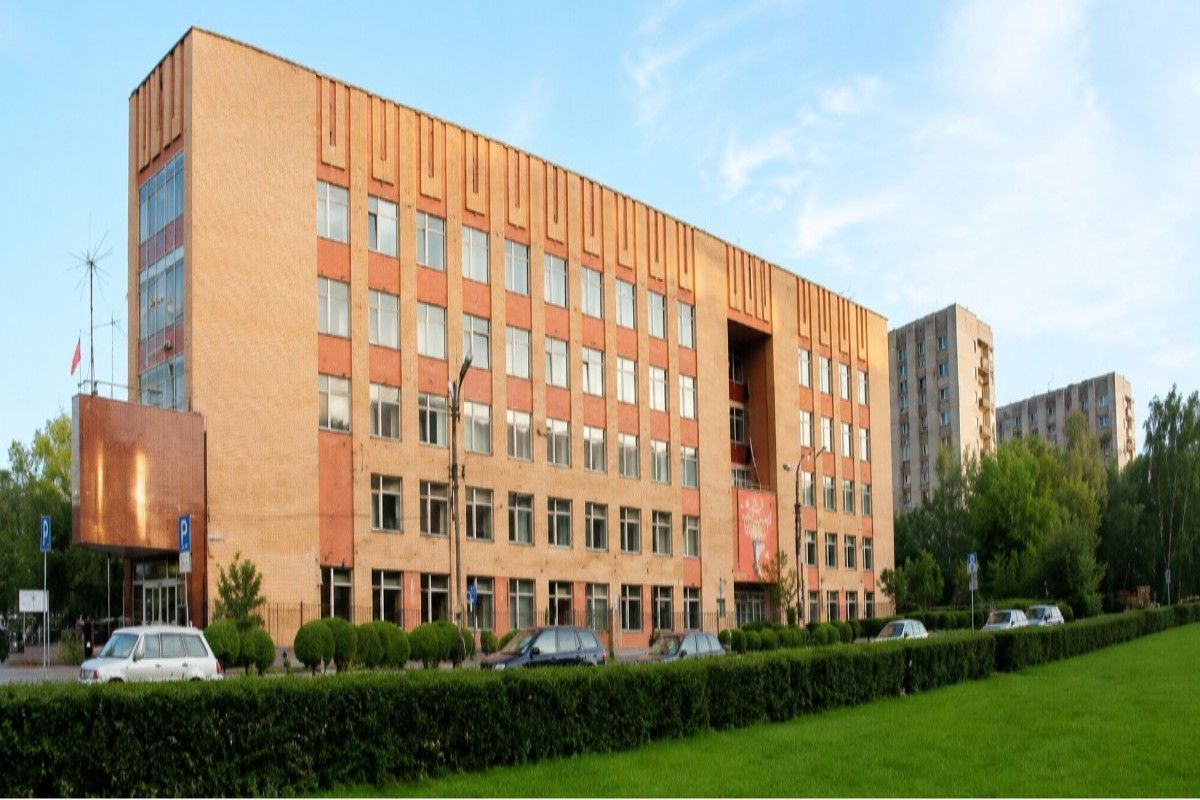
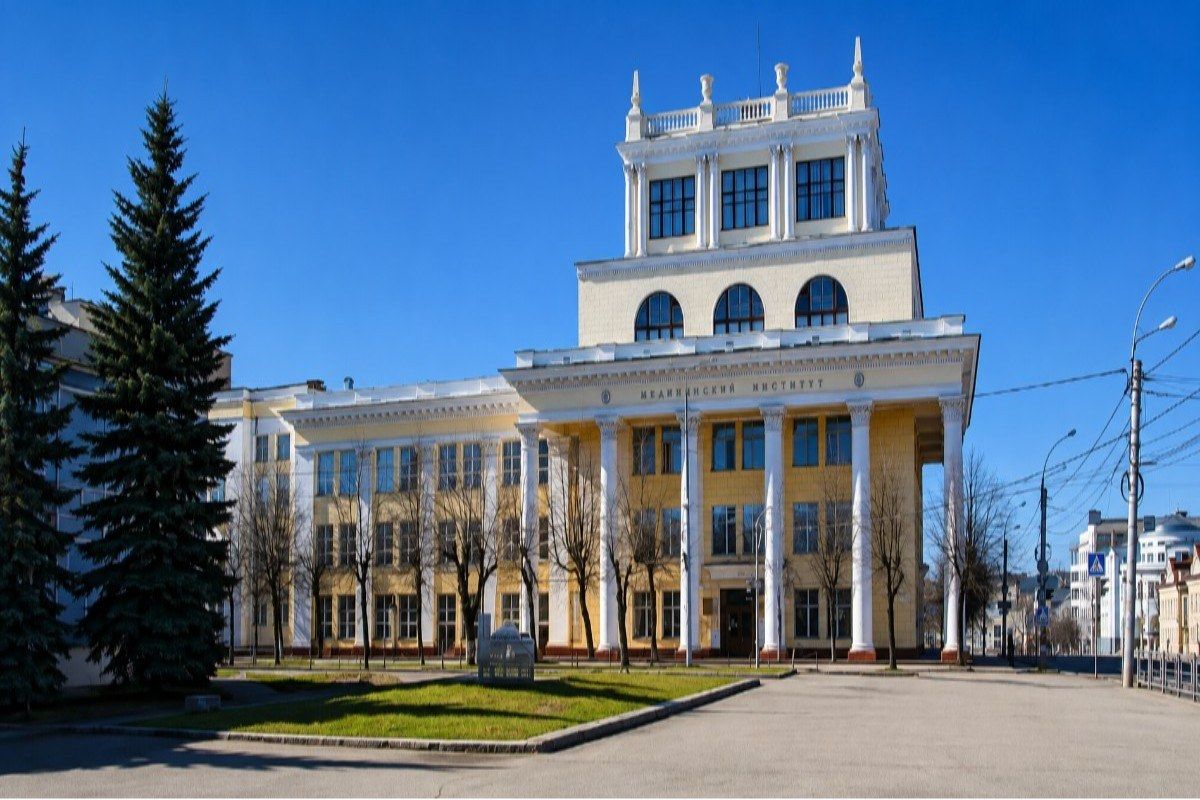
Ryazan State Medical University named after Academician I.P. Pavlov sits about 200 kilometres southeast of Moscow, in a city that has grown around education, engineering and healthcare. The university opened in 1943 in Moscow as the Third Moscow State Medical Institute and moved to Ryazan in 1950, taking over the buildings and clinical base of the regional hospital network. It carries the name of Ivan Petrovich Pavlov, the physiologist born in Ryazan who won the Nobel Prize in 1904. That link matters to the institution. Physiology and clinical research still hold a central place in the way it teaches medicine.
The university operates under the Ministry of Health of the Russian Federation. It is one of the older federal medical schools in central Russia, and it trains doctors, dentists, pharmacists, clinical psychologists and nursing specialists. Roughly nine thousand students study here at any time, and around one in six comes from outside Russia. Indian, Egyptian, Nigerian, Malaysian and Sri Lankan students make up most of the international group. The Faculty of Foreign Students runs the English-medium General Medicine programme, and it has done so since the 1990s, so the teaching staff has decades of practice with students who arrive without any Russian.
The General Medicine programme runs for six years and awards the degree of Doctor of Medicine, which Russia records as the specialist qualification in General Medicine. You study in English for the whole programme. Russian language classes run alongside your medical subjects for the first three years, and they are compulsory. This is not a formality. From year three you enter hospital wards and speak with patients directly, and Russian is the only language most patients use. Students who take the language classes seriously find clinical years far easier than those who do not.
Teaching splits into two clear halves. The first three years cover the preclinical sciences at the main campus on Vysokovoltnaya Street. Anatomy runs in dissection halls with cadaveric material, which many European schools have replaced with digital models. Ryazan has kept the traditional approach. Histology, biochemistry, physiology, microbiology and pathology follow in dedicated laboratories, and each subject ends with an oral examination in front of a departmental panel. Oral examinations are standard across Russian medical education, and you should prepare for them from the first week rather than the final month.
Clinical training starts in year three and expands each year after that. The university uses more than twenty affiliated hospitals and clinics across Ryazan Oblast. The Regional Clinical Hospital, the Regional Clinical Cardiology Dispensary, the Regional Children's Clinical Hospital and the Semashko City Clinical Hospital carry most of the teaching load. Ryazan Oblast serves a population above one million, and the regional hospitals act as referral centres for the whole area, so the case mix stays broad. You see cardiology, trauma, obstetrics, paediatrics, infectious disease and oncology in volume rather than in isolated demonstrations.
The university also runs a simulation and accreditation centre. Students practise cannulation, catheterisation, suturing, delivery, airway management and advanced life support on manikins before they touch a patient. Russia now requires primary accreditation testing for every medical graduate, and part of that test happens in a simulation station, so the centre serves both training and examination purposes. International students take the same accreditation examination as Russian students if they intend to practise in Russia.
Research at Ryazan concentrates on cardiology, pharmacology, physiology, morphology and public health. The university publishes the I.P. Pavlov Russian Medical Biological Herald, a peer-reviewed journal indexed in Scopus. Undergraduate students can join departmental research circles from year two. These circles meet outside timetabled hours, present at the annual student scientific conference and sometimes produce published abstracts. If you plan to apply for postgraduate training in Europe or North America later, this is the clearest route to a publication record while you are still an undergraduate.
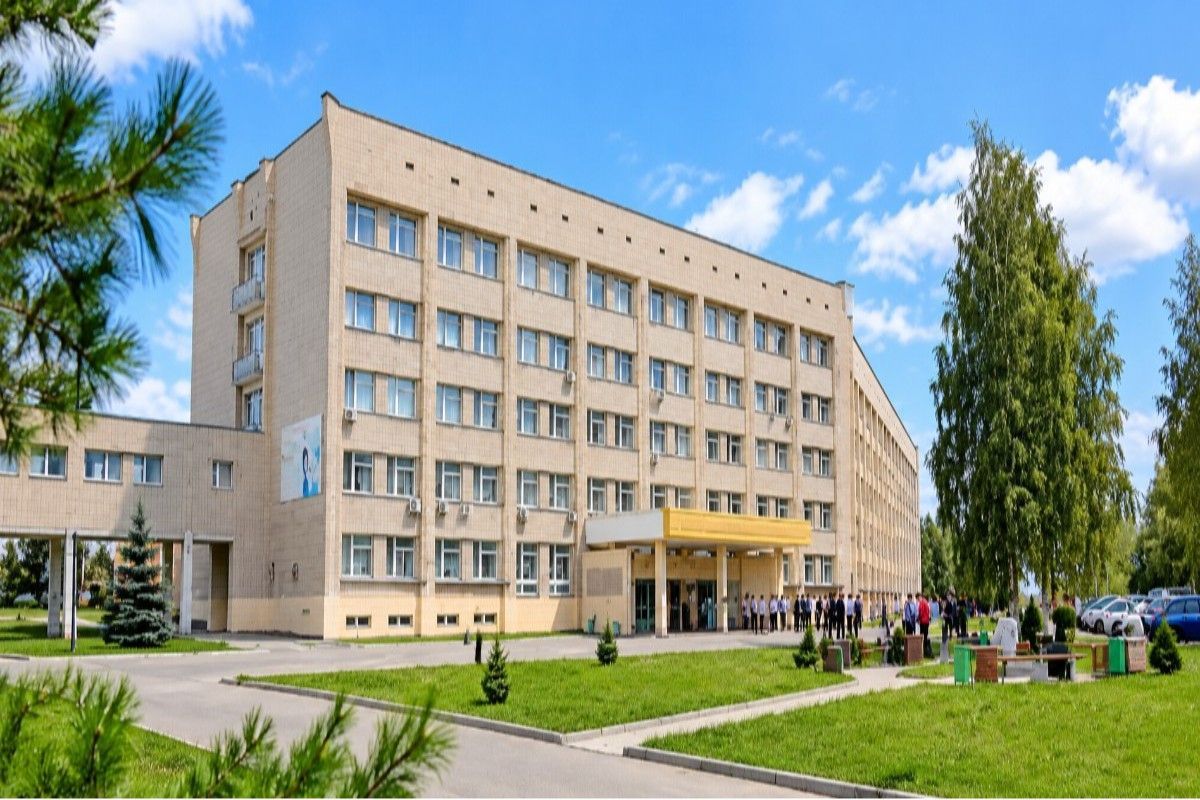
Campus facilities cover the practical side of student life. The main academic buildings hold lecture theatres, laboratories, a central library with an electronic catalogue and reading rooms that stay open into the evening. The university runs five hostel blocks within walking distance of the campus. Rooms house two or three students, and each floor shares kitchens, laundry facilities and bathrooms. Entrance control operates around the clock. Indian students have organised their own kitchen arrangements in several blocks, and Indian grocery shops operate in the city centre. A student canteen and several cafes serve the campus, and halal food is available in Ryazan through local suppliers.
Ryazan itself keeps costs low. The city has about 530,000 residents, and monthly living expenses sit well below Moscow or Saint Petersburg. Public transport covers the city cheaply, and the campus, hostels and main teaching hospitals all lie within a compact area. Trains reach Moscow in under three hours, and Moscow's international airports handle the flights that matter for travel home. Winters run cold, with temperatures often below minus ten degrees Celsius from December to February, and you should budget for proper winter clothing before you arrive or buy it locally in your first week.
Student life extends past the timetable. The university runs sports clubs, a gym, a swimming pool arrangement with a city facility, a student theatre and cultural societies. International student associations organise national day celebrations, and the Indian student community marks Diwali, Holi and Independence Day on campus. Sport competitions between faculties run through the academic year.
Recognition matters most to students who plan to return home. Ryazan State Medical University appears in the World Directory of Medical Schools, which is the reference list that most licensing bodies use. It holds Russian state accreditation from Rosobrnadzor and operates under the Ministry of Health. Graduates can register for the ECFMG pathway to the United States, PLAB in the United Kingdom, and the licensing routes used in several other countries. Indian graduates must pass the Foreign Medical Graduate Examination, which the National Board of Examinations now runs as the NExT examination, before they can register with a State Medical Council in India. You should also confirm that your intake meets the National Medical Commission rules on course duration, medium of instruction and internship before you accept an offer.
Admission for international students runs through the Faculty of Foreign Students. You need a completed higher secondary qualification with physics, chemistry and biology, and Indian applicants must hold a valid NEET qualification and an NMC eligibility certificate. The university does not require an entrance examination for most international applicants, although it does check documents carefully and may interview you. Applications usually open in spring, and the intake begins in September. A February intake sometimes runs, but it is smaller and not guaranteed each year.
Fees stay predictable. The university publishes tuition in roubles and adjusts the figure each academic year. Hostel charges, medical insurance, visa registration and the first year Russian language support are billed separately, and none of them is large. You should confirm the current rouble figure with the admissions office before you transfer money, because currency movement changes the dollar equivalent more than the university changes its published price.
Ryazan suits a student who wants a state medical university with a long teaching record, real cadaveric anatomy, high patient volume in clinical years and a cost of living that stays low for six years. It does not suit a student who expects to avoid Russian entirely or wants a large metropolitan city outside the lecture hall.
No hidden charges, no donation. The full picture of costs at MBBS in Ryazan State I.P. Pavlov Medical University Medical Faculty.
Tuition Fee
USD ~4,500 - 5,500 INR ~3.5 Lakh - 4.2 Lakh
USD 4,200 INR 3,69,600
Hostel Fee
USD ~150 INR ~13,200
USD 150 INR 13,200
Food & Meals
USD 1200 INR 1,05,600
per month
Insurance
USD 250 INR 0.21 lakh
per year
Donation
No donation
No hidden fee
Total Estimated Cost
USD ~6,350 INR ~5,58,800
6 Year
25–35%
Average FMGE first-attempt pass rates for students from many overseas medical universities. Students from structured programs consistently score higher.
Students returning to India need to clear the FMGE/NExT exam. MBBS in Ryazan State I.P. Pavlov Medical University Medical Faculty integrates exam-oriented coaching into the regular curriculum so students are prepared from day one.
A structured program that takes you from foundational sciences to clinical mastery.
You build the structural foundation. Anatomy dominates the timetable, and dissection sessions run weekly. Russian language starts here so you can hold basic ward conversations by year three.
Medical biology, general chemistry, biochemistry basics, histology, Latin, Russian language, history of medicine.
You move from structure to function. Laboratory work increases, and you complete your first supervised nursing practice in a hospital during the summer.
Physiology, biochemistry, microbiology, immunology, general hygiene, patient care practice, Russian language.
Clinical work begins. You learn history taking, physical examination and basic diagnostic reasoning, and you start seeing patients on wards under supervision.
Pathophysiology, pharmacology, propaedeutics of internal medicine, general surgery, radiology, Russian language.
Rotations run through the main specialities. You present cases, interpret investigations and assist in procedures.
Surgery, obstetrics and gynaecology, paediatrics, neurology, dermatology, ophthalmology, otorhinolaryngology
You take more responsibility on the ward. Case presentations and clinical reasoning carry most of the assessment weight.
Advanced surgery, oncology, infectious diseases, psychiatry, traumatology, anaesthesiology, forensic medicine.
You work as a subintern with defined duties. The year ends with the state final examination and, for those staying in Russia, the primary accreditation test.
Surgery, obstetrics and gynaecology, emergency medicine, public health and health management, state final examination.
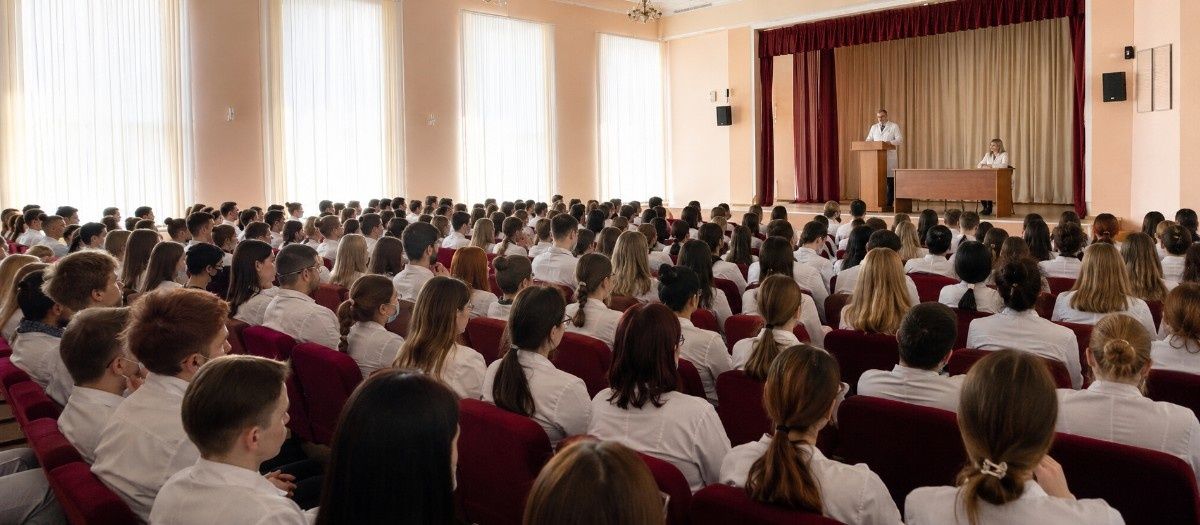
Furnished hostel rooms with Wi-Fi, laundry, 24/7 security, and Indian mess on or near campus.
Indian restaurants and mess facilities serving vegetarian and non-vegetarian home-style food daily.
Strong Indian community with cultural events, festival celebrations, and peer support groups.
Students get hands-on clinical training in government and private hospitals affiliated with the university.
Practical information for students planning to study at MBBS in Ryazan State I.P. Pavlov Medical University Medical Faculty.
Prepare for all seasons. Thermal wear for winters, light clothing for summers. University provides heating in hostels.
Student visa processed with university invitation letter. Direct and connecting flights from major Indian cities.
Health insurance included in fees. Medical facility on campus plus city hospitals easily accessible.
Local SIM cards available. WhatsApp and video calls keep you connected with family back home.
Average monthly expenses of $150–$250 covering food, transport, and personal needs.
University library, online databases, and study groups. Seniors mentor juniors through academic challenges.
Our team guides you through every step — from application to arriving on campus.
Shortlist 3–5 NMC-approved universities on fees, city, FMGE reputation, and hostel quality.
Submit the application with academic documents and NEET scorecard.
Receive the Admission/Offer Letter from the university.
Pay the initial tuition instalment via the official channel.
Receive the Invitation Letter, issued by Russia's Ministry of Foreign Affairs — your visa depends on this.
Apply for the Student Visa via Embassy/VFS; realistic processing time is 2–4 weeks.
Arrange winter clothing, travel/health insurance, and a 5–8% currency buffer for ruble fluctuation in the final weeks before travel.
Travel, typically late August to early September.
Complete enrollment, a medical check-up, and hostel allotment on arrival.
Attend orientation; classes begin in the first/second week of September.
Admission Helpline — Contact our counsellors for step-by-step assistance.
“The faculty here is incredibly supportive. The clinical training during hospital rotations has given me real confidence in patient care.”
“Affordable fees without compromising on quality. The campus facilities and hostel life made my transition abroad very smooth.”
“English medium instruction and WHO-recognized curriculum were the deciding factors for me. No regrets so far — excellent experience overall.”
“The university helped with everything from visa to accommodation. Hospital exposure from year three has been invaluable for my FMGE prep.”
“Just cleared my licensing exam on the first attempt. The structured coaching and mock exams during final year were a game-changer.”
“Safe campus, good food options, and a strong Indian student community. The teaching methodology is very practical and hands-on.”
Yes, The full six-year General Medicine programme runs in English.
Yes. Russian classes are compulsory for the first three years, and you need them for ward work.
About USD 4,200 per year, roughly INR 3,69,600.
Yes, for Indian students. You also need an NMC eligibility certificate.
No. The university screens documents and may hold a short interview.
Yes, under school ID F0000774.
Six years, including the final subinternship year.
About USD 700 per year for a shared room in a campus block.
Yes, after passing the FMGE or NExT examination and registering with a State Medical Council.
September. A smaller February intake runs in some years.
Our expert counsellors will guide you through the complete admission process — from documents to airport pickup.