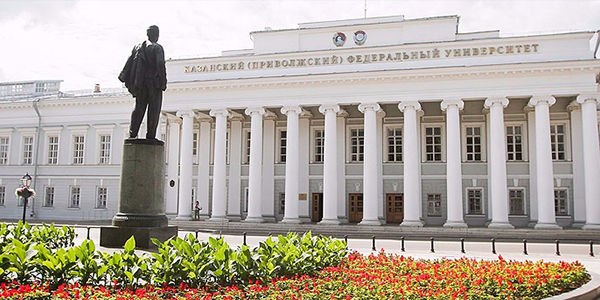
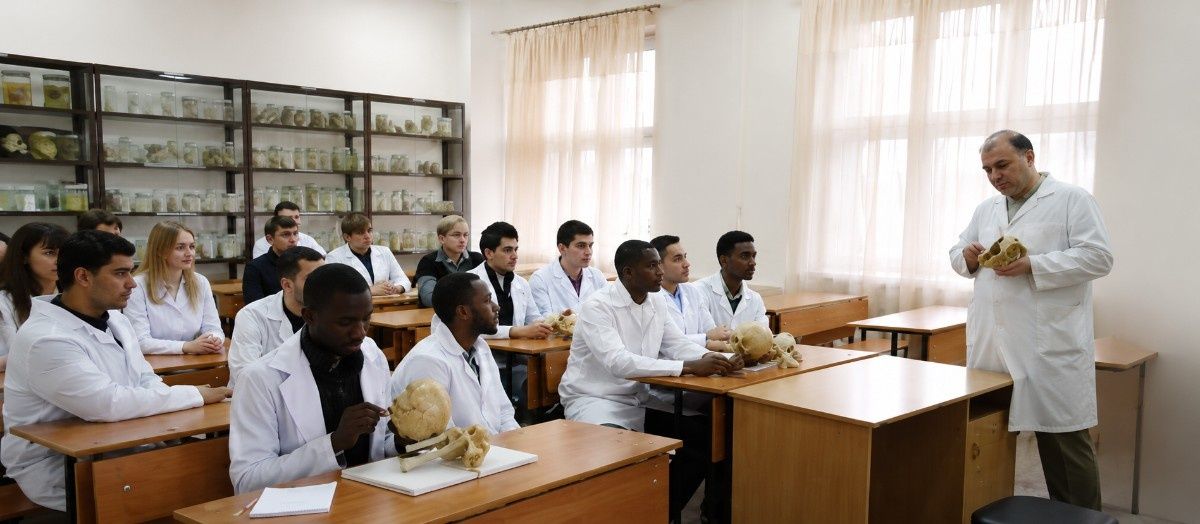
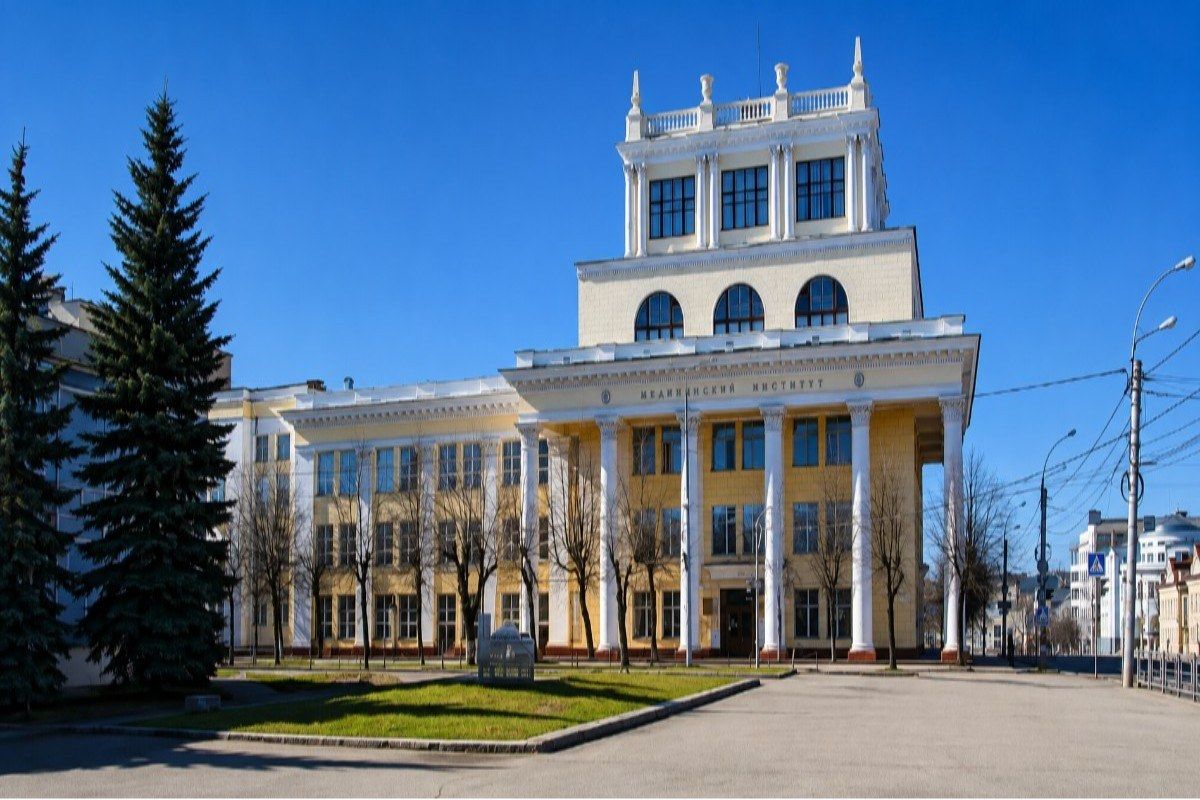
Kazan Federal University (KFU) is one of Russia's oldest and most distinguished comprehensive universities, founded in 1804, making it 222 years old and one of the few universities in the world whose alumni include Leo Tolstoy, Vladimir Lenin, and Nobel Prize winners. The university's medical programme is housed within the Institute of Fundamental Medicine and Biology (IFMB), which was established specifically to bring KFU's strengths in biological, chemical, and natural sciences directly into the service of medical education and research. This unique institutional arrangement, a research-intensive comprehensive university rather than a standalone medical school, gives KFU's medical students access to the broadest scientific ecosystem available at any Russian medical programme. KFU is ranked among the top 5 universities in Russia (QS World University Rankings and other major indices consistently place it in the world's top 400), and the IFMB is internationally recognised as a cutting-edge research and academic centre. Unlike standalone medical institutes, KFU students have access to 15+ research institutes, cross-disciplinary collaboration with law, humanities, IT, and natural science faculties, and international exchange networks spanning over 50 countries. The English-medium MBBS programme at KFU was launched approximately nine years ago and has grown rapidly to serve a large international student body, including 1,500+ Indian students who represent the largest Indian student community at any Kazan-based university. The six-year MD (MBBS equivalent) programme at KFU's IFMB follows the standard Russian structure: foundational sciences in Years One to Three, progressive clinical integration and hospital rotations in Years Four to Six, and a mandatory clinical internship in the sixth year. Students conduct their clinical rotations at affiliated hospitals in Kazan, which serves as both the capital of Tatarstan and a major medical hub for the wider Volga region. Total 6-year MBBS fees at KFU for 2026 are approximately ($42,650 to $46,000 USD / ₹38 to ₹42 Lakhs INR), placing it at the moderate-to-upper end of the Russian market but reflecting its elite university status, research environment, and the comprehensive scientific foundation it provides. Kazan itself is one of Russia's most culturally vibrant cities, often called the "third capital" of Russia after Moscow and St. Petersburg. It is the capital of the Republic of Tatarstan, a majority-Muslim republic, which gives the city a distinctly multicultural character, blending Russian Orthodox and Islamic cultural traditions. For Indian students from Muslim backgrounds, Kazan is one of the most culturally comfortable cities in Russia. The city has a well-developed public transport system, affordable local markets, and a growing international student community.