
Q1. What is the MBBS fees at Kazan State Medical University for Indian students?
+The tuition fee is 636,000 Russian rubles in Kazan State Medical University.
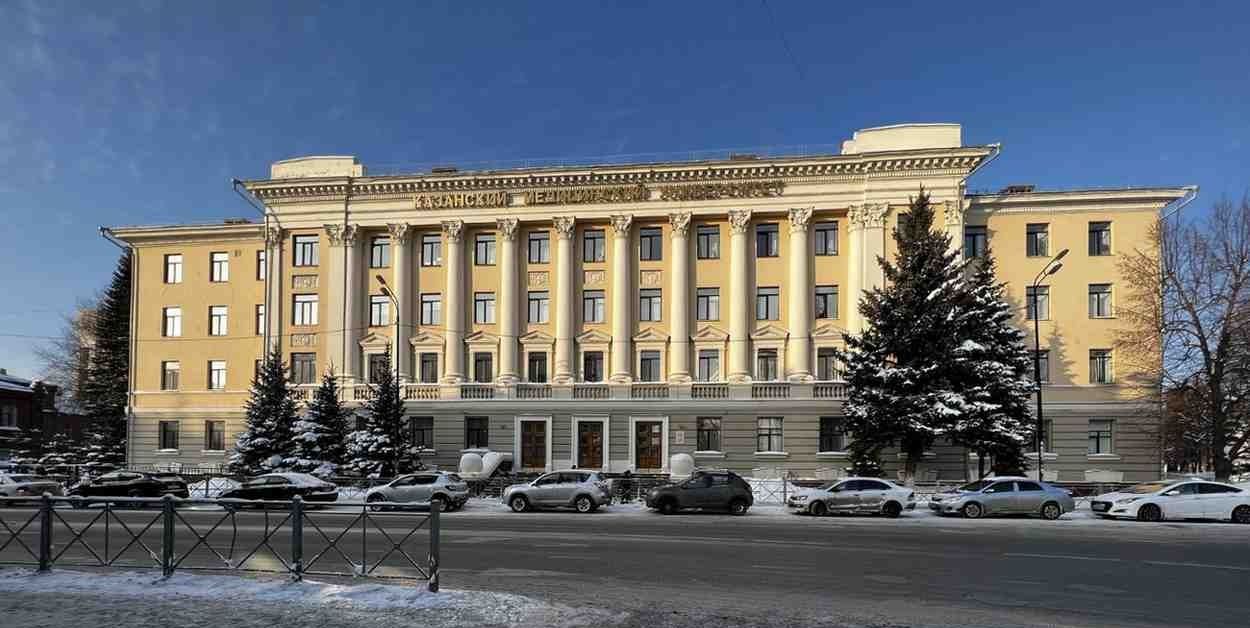
 Russia | Est. 1814
Russia | Ministry of Health of the Russian Federation | English & Russian medium
Expert will call you within 2 hours
Since 1814, Kazan State Medical University (KSMU) has been shaping skilled doctors and healthcare leaders. Choosing MBBS in Russia at KSMU means joining a legacy of excellence that has trained generations of doctors for over two centuries.
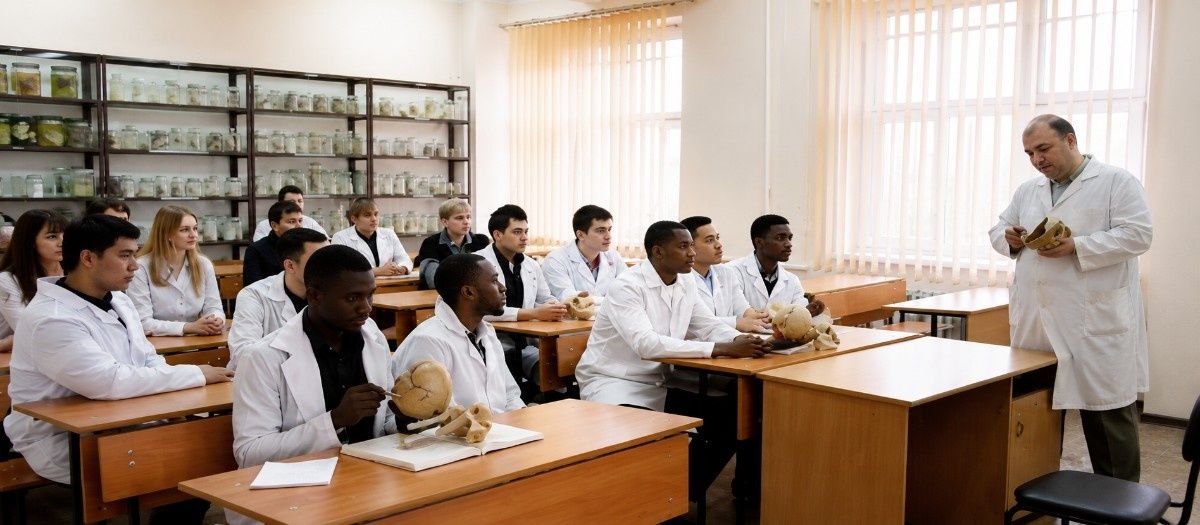
KSMU is more than just a university; it’s a global hub for medical education. It offers strong programs in Clinical Medicine, Preventive Medicine, Pharmacy, Nursing, and more. Its modern labs, teaching hospitals, and dedicated faculty create a hands‑on, supportive environment where future doctors are trained to meet international standards. For students dreaming of MBBS abroad, KSMU provides the perfect blend of academic rigor and cultural diversity.
It’s not just about studying medicine; it’s about growing into a compassionate, confident professional.
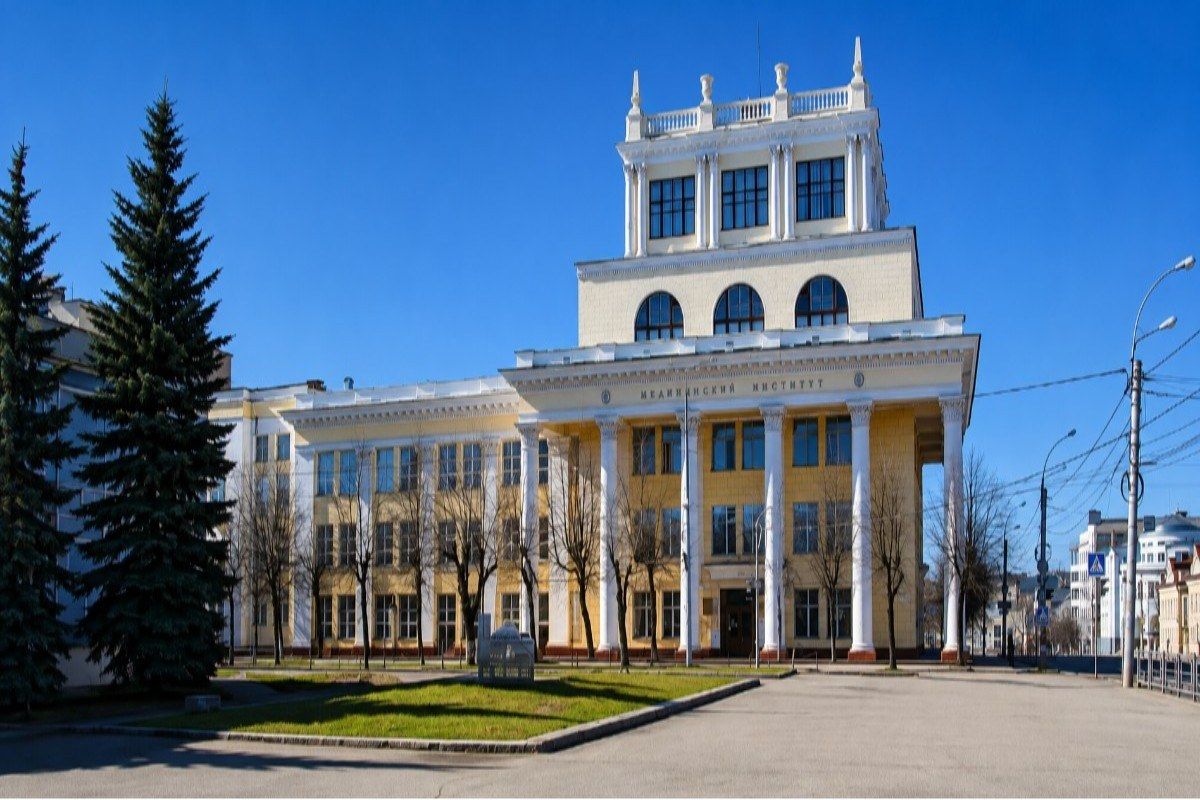
Kazan State Medical University is located in Kazan, Russia, a historic and vibrant city situated near the Volga River. It’s a city where Tatar and Russian traditions come together beautifully, creating a rich cultural atmosphere that feels both unique and welcoming.
Kazan State Medical University was established in 1814, marking the beginning of its long-standing legacy in medical education. The institute later became an independent medical institute in 1930 and received university status in 1994. Over this period, Kazan Medical School trained generations of medical professionals who have left a significant mark in the medical field.
NMC Foreign Medical Graduate Licentiate (FMGL) Regulations, 2021 are as follows: minimum course duration of 54 months, medium of instruction being English, and the course must include theory, practical, and clinical training. The NMC also expects foreign medical graduates to undergo the prescribed internship/clinical training requirements in the university where they’re enrolled.
Kazan State Medical University is a Russian state medical university enrolled under the Ministry of Health of the Russian Federation. For Indian students, however, Russian institutional status alone does not automatically mean eligibility for medical registration in India. Students must fulfill the Kazan State Medical University NMC recognition requirements, including/NExT clearance and registration requirements, if you’re planning to practice in India. If you plan to study abroad after completing MBBS, you need to clear USMLE to practice in the US, UKMLA to practice in the UK, AMC to practice in Australia, MCCQE to practice in Canada, and DHA to practice in Gulf countries.
As students enter their 5th and 6th years of MBBS, they get more hands‑on experience through clinical and primary care training. Clinical years are an important part of a medical student's transformation. It is one thing to read about a disease in a textbook; it is another to stand beside a patient, listen carefully, observe symptoms, and slowly learn how a doctor thinks.
Accommodation is an important concern for every parent sending their child away from home. University hostel accommodation is available by application. Moreover, students will have access to Indian food items, thus addressing the food concern of most parents.
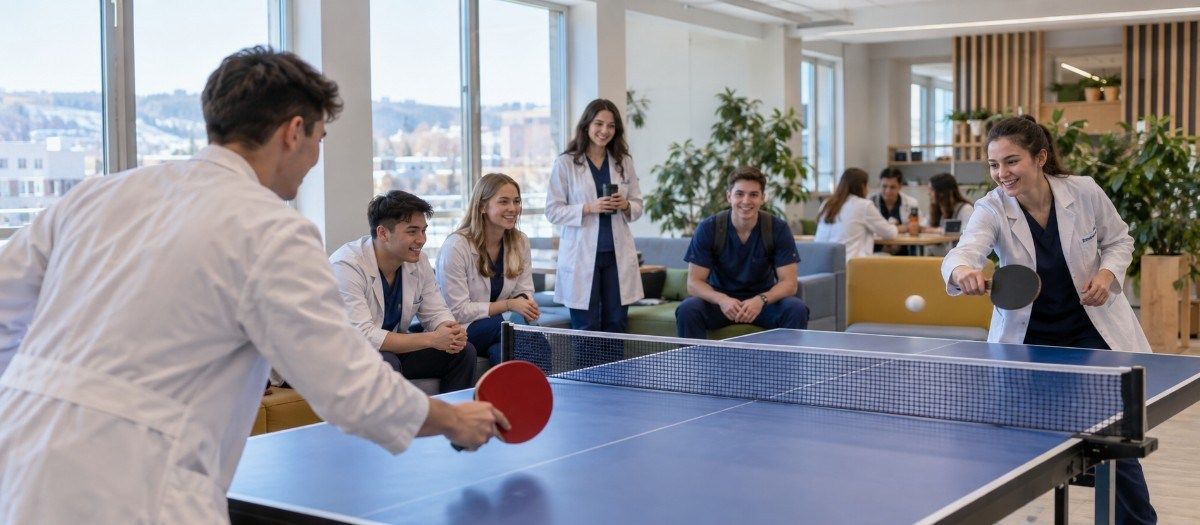
KSMU gives students plenty of opportunities to enjoy university life beyond lectures and medical studies. With more than 40 student organisations, over 60 scientific circles, more than 20 sports sections and teams, and 9 creative groups, students can choose activities that match their interests. Whether it is exploring a scientific topic, joining a sports activity, volunteering, or taking part in cultural and creative events, there are different ways to stay active, meet new people, and make university life more enjoyable.
The university has an established Alumni League that helps graduates stay connected with KSMU and remain connected with other KSMU graduates and the university community. KSMU also has an Association of International Students, bringing together students from different countries and helping create a friendly and connected university community. Some of its notable graduates have built careers in areas such as medicine, healthcare administration, research and public service.
No hidden charges, no donation. The full picture of costs at MBBS in Kazan State Medical University (KSMU).
Tuition Fee
$7,482.25 USD (Approx. ~ INR 710459.84)
$7,482.25 USD (Approx. ~ INR 710459.84)
Hostel Fee
USD $800 (Approx. ~ INR 75962.16)
USD $800 (Approx. ~ INR 75962.16)
Food & Meals
3,000 USD (Approx. ~ INR 284858.10)
per year
Insurance
100 USD (Approx. ~ INR 9495.27)
per year
Donation
No donation fee
No hidden fee
Total Estimated Cost
45,000 USD (Approx. ~ INR 4272871.50)
6 Year
25–35%
Average FMGE first-attempt pass rates for students from many overseas medical universities. Students from structured programs consistently score higher.
Students returning to India need to clear the FMGE/NExT exam. MBBS in Kazan State Medical University (KSMU) integrates exam-oriented coaching into the regular curriculum so students are prepared from day one.
A structured program that takes you from foundational sciences to clinical mastery.
In the first year you will learn about structure and function of human body. Also you will learn about cellular biology and biochemical processes.
Anatomy, Histology, Biochemistry, Medical Biology
In the second year you will understand what happens when human body becomes unwell.You will understand disease mechanisms,role of microorganisms in health and illness and how medicine work to treat conditions in human body.
Pathology, Microbiology, Pharmacology.
In the third year, you deepen your understanding of drug therapy and disease processes. You’ll be introduced to internal medicine and learn how symptoms develop and how the body responds to treatment. It’s the stage where you begin to think like a doctor, piecing together the puzzle of illness and cure.
Pathophysiology, Internal Medicine basics, Pharmacology.
Students move into hospital wards and clinics, applying theory to patient care. You’ll rotate across major disciplines, learning diagnostic methods, treatment planning, and patient management under supervision. This year emphasizes bedside learning and practical skills, and it’s often the most exciting because you finally meet patients face‑to‑face.
Internal Medicine, Surgery, Pediatrics, Neurology, Psychiatry.
In the fifth year, you gain experience in maternal and child health, sensory organ diseases, cancer care, infectious diseases, and dermatological conditions. Each specialty opens a new window into human health, and you begin to see the breadth of medicine as a profession.
Obstetrics & Gynecology, ENT, Ophthalmology, Infectious Diseases, Oncology, Dermatology.
The final year consolidates knowledge and prepares students for independent practice. You’ll rotate across departments, undergo practical assessments, and complete your internship. This ensures graduates are ready for licensing exams and professional medical careers worldwide. It’s the year you stop being “just a student” and step into the world as a doctor, ready to serve with skill and compassion.
Department rotations, OSCEs, internship training.
Furnished hostel rooms with Wi-Fi, laundry, 24/7 security, and Indian mess on or near campus.
Indian restaurants and mess facilities serving vegetarian and non-vegetarian home-style food daily.
Strong Indian community with cultural events, festival celebrations, and peer support groups.
Students get hands-on clinical training in government and private hospitals affiliated with the university.
Practical information for students planning to study at MBBS in Kazan State Medical University (KSMU).
Prepare for all seasons. Thermal wear for winters, light clothing for summers. University provides heating in hostels.
Student visa processed with university invitation letter. Direct and connecting flights from major Indian cities.
Health insurance included in fees. Medical facility on campus plus city hospitals easily accessible.
Local SIM cards available. WhatsApp and video calls keep you connected with family back home.
Average monthly expenses of $150–$250 covering food, transport, and personal needs.
University library, online databases, and study groups. Seniors mentor juniors through academic challenges.
Our team guides you through every step — from application to arriving on campus.
Shortlist 3–5 NMC-approved universities on fees, city, FMGE reputation, and hostel quality.
Submit the application with academic documents and NEET scorecard.
Receive the Admission/Offer Letter from the university.
Pay the initial tuition instalment via the official channel.
Receive the Invitation Letter, issued by Russia's Ministry of Foreign Affairs — your visa depends on this.
Apply for the Student Visa via Embassy/VFS; realistic processing time is 2–4 weeks.
Arrange winter clothing, travel/health insurance, and a 5–8% currency buffer for ruble fluctuation in the final weeks before travel.
Travel, typically late August to early September.
Complete enrollment, a medical check-up, and hostel allotment on arrival.
Attend orientation; classes begin in the first/second week of September.
Admission Helpline — Contact our counsellors for step-by-step assistance.
“The faculty here is incredibly supportive. The clinical training during hospital rotations has given me real confidence in patient care.”
“Affordable fees without compromising on quality. The campus facilities and hostel life made my transition abroad very smooth.”
“English medium instruction and WHO-recognized curriculum were the deciding factors for me. No regrets so far — excellent experience overall.”
“The university helped with everything from visa to accommodation. Hospital exposure from year three has been invaluable for my FMGE prep.”
“Just cleared my licensing exam on the first attempt. The structured coaching and mock exams during final year were a game-changer.”
“Safe campus, good food options, and a strong Indian student community. The teaching methodology is very practical and hands-on.”
The tuition fee is 636,000 Russian rubles in Kazan State Medical University.
Yes, Kazan State Medical University meets the NMC requirements applicable to Indian students.
Yes, Indian students need to clear NEET and meet the applicable NMC eligibility requirements for studying medicine abroad.
Students must have completed 10+2 or equivalent with Physics, Chemistry, Biology and must have cleared NEET‑UG exam to be eligible for admission.
The MBBS programme is structured as a 6‑year course, including clinical training.
Yes, KSMU offers an English‑medium MBBS programme.
Apart from tuition fees, students should plan for hostel, food, insurance, visa, travel and personal expenses.
Yes, Kazan State Medical University provides hostel accommodation. Students are required to submit the application for it.
The process generally involves checking eligibility, submitting documents, receiving admission confirmation and completing the student visa formalities.
Graduation alone does not grant Indian medical registration; graduates must fulfil the applicable NMC requirements, that is FMGE/NExT clearance.
Our expert counsellors will guide you through the complete admission process — from documents to airport pickup.