
Q1. Is KubSMU recognised by NMC India?
+A. Yes. NMC approval means Indian graduates can sit for FMGE/NEXT and practice in India. KubSMU clears that requirement.

 Russia | Est. 1920
Russia | WHO recognised, NMC India approved, ECFMG (USA), FAIMER, WFME, AMC Australia, MCC Canada, GMC UK, Ministry of Health (Russia), Ministry of Education and Science (Russia). Graduates can attempt FMGE, NEXT, USMLE, PLAB, and AMC licensing exams. | Both English and Russian batches are available. International students are placed in English-medium sections. No IELTS o medium
Expert will call you within 2 hours
If you're looking at medical universities in Russia, KubSMU is one of those names that keeps coming up; and for good reason. It's been running since 1920, which means it has over a hundred years of actually training doctors. Not many institutions anywhere in the world can say that. The Russian Federation government set it up, and it has stayed a public university under the Ministry of Health ever since. That matters because it keeps things accountable in a way private setups sometimes don't.
The university sits in Krasnodar, a city in southern Russia. The address is Ulitsa Mitrofana Sedina, 4. Now, when Indian students hear "Russia," the first thing that worries them is the cold. Krasnodar is genuinely different on that front. Winters here rarely go below -3°C. That's nothing compared to Moscow or Siberian cities where temperatures can hit -20 or worse. The city has a kind of Mediterranean-leaning climate that most South Asian students find far easier to settle into.
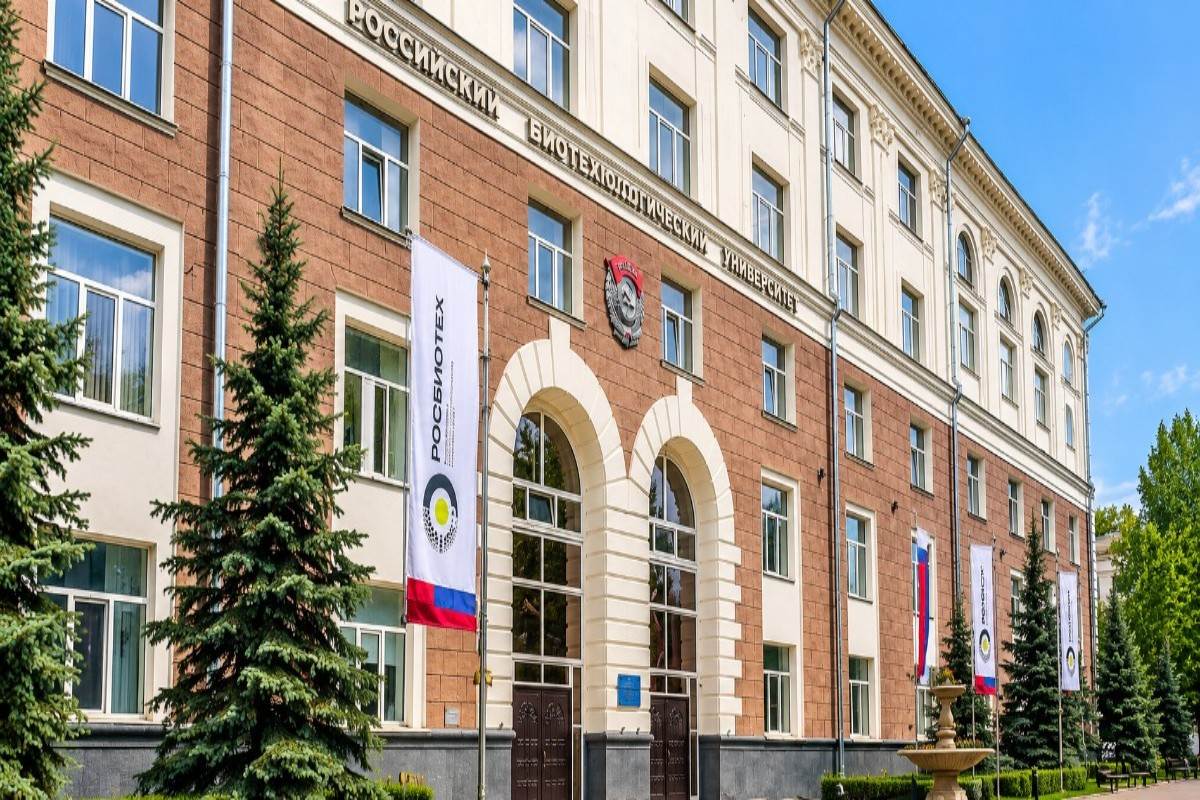
The campus has lecture halls, simulation labs, and student hostels; it's not a scattered setup where you're commuting across the city for different things. Everything is reasonably compact. Seven faculties, 66 departments, around 6,000 students total, and over 3,500 of those are international; from India, Nepal, Pakistan, parts of Africa, and elsewhere. So you're not going to feel like the only foreigner there.
General Medicine is the main draw for international students; it's the MBBS equivalent here. But the university also runs programs in Pediatrics, Dentistry, Preventive Medicine, and Pharmacy. The faculty strength is serious: over 1,300 teaching staff, including 123 academicians and 371 Candidates of Science. These aren't just administrators with titles; many are actively involved in research and clinical work.
Recognition is where KubSMU genuinely stands apart from many cheaper alternatives. It's on the WHO list, NMC India approved, ECFMG recognised, FAIMER listed, WFME accredited, plus approvals from GMC UK, AMC Australia, and MCC Canada. That's not a small thing. It means after you graduate, you actually have the option to attempt licensing exams in multiple countries; not just sit at home with a degree that nobody accepts.
The fees are around $5,709 per year for tuition. Add hostel, food, insurance, and day-to-day expenses and you're looking at roughly $6,700–$7,200 annually. Spread over six years, that typically comes to somewhere between ₹28–35 lakh all-in; no donations, no hidden charges. Compare that to private medical colleges in India where you might spend that in a single year, and the value starts to look very different.
Clinical rotations start from Year 4. Students go into affiliated hospitals and work through departments like Surgery, Internal Medicine, Pediatrics, OB-GYN, and Emergency. It's not just observation; by Year 5, students are managing patients under specialist supervision. That's the kind of hands-on exposure that makes a real difference when you sit for licensing exams or start residency.
Getting there from India isn't direct, but Krasnodar Airport is well connected through hub cities. Most students travel via Moscow or other transit points, with total journey time usually around 5–6 hours of flying.
No hidden charges, no donation. The full picture of costs at Kuban State Medical University.
Tuition Fee
Tuition is set natively at 482,000–483,000 RUB per year, which translates to approximately $5,300–$5,700 USD (roughly ₹4.50–4.80 lakhs INR).
~$5,709/year ≈ ₹4.75 lakh
Hostel Fee
On-campus accommodation is highly subsidized at approximately 60,000–80,000 RUB per year, equating to roughly $650–$900 USD (₹55,000–75,000
~$1,000/year ≈ ₹83,000
Food & Meals
₹7,000–10,000/month
per month
Insurance
₹25,000–40,000/year
per year
Donation
No Donation
No Hidden Fees
Total Estimated Cost
₹28–35 lakh — Total 6-Year Cost
6-Year
25–35%
Average FMGE first-attempt pass rates for students from many overseas medical universities. Students from structured programs consistently score higher.
Students returning to India need to clear the FMGE/NExT exam. Kuban State Medical University integrates exam-oriented coaching into the regular curriculum so students are prepared from day one.
A structured program that takes you from foundational sciences to clinical mastery.
• Medical Latin, Cell Biology, History of Medicine, basic clinical ethics
• Core pre-clinical subjects: Anatomy, Histology, Biochemistry, Biophysics
• Pharmacology, Pathological Anatomy, introductory research methods
• Physiology, Microbiology, advanced Biochemistry
• Propedeutics of Internal Medicine, early surgical training through simulation labs
• Advanced Pathology, Pathophysiology, Immunology; plus first supervised hospital exposure
• Neurology, Psychiatry, Dermatology, ENT, Ophthalmology, Infectious Diseases
• Hospital rotations: Internal Medicine, General Surgery, Pediatrics, Obstetrics & Gynecology
• Students independently manage patients under senior specialist oversight in affiliated hospitals
• Surgery, Traumatology, Emergency Medicine, Cardiology, Oncology rotations
• Passing the State Board Examinations (State Attestation) to secure the final 'Physician' degree qualification
• Compulsory full-time clinical rotations: Internal Medicine, Surgery, Pediatrics, OB-GYN, Trauma

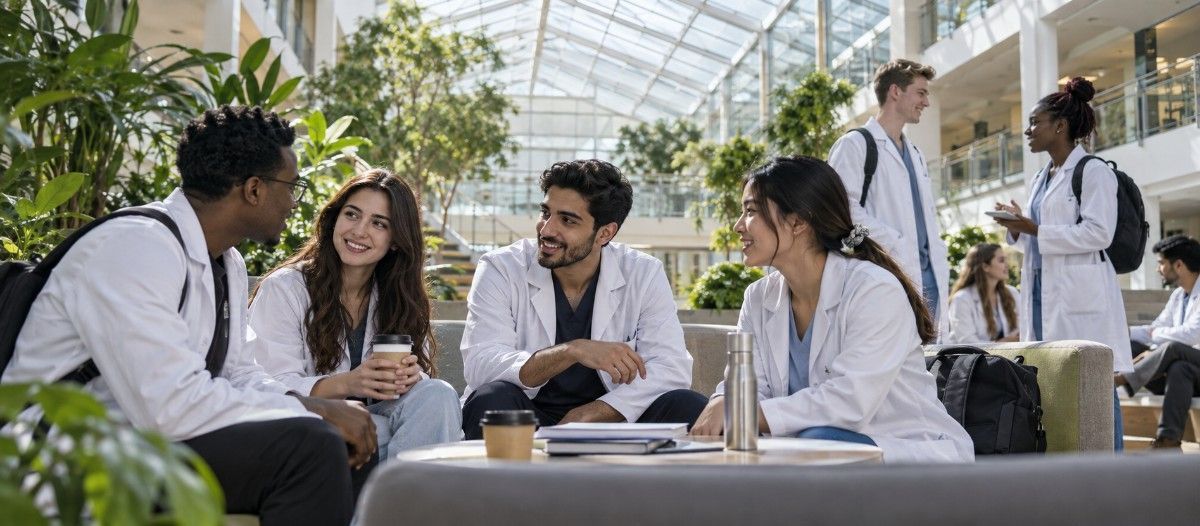
Furnished hostel rooms with Wi-Fi, laundry, 24/7 security, and Indian mess on or near campus.
Indian restaurants and mess facilities serving vegetarian and non-vegetarian home-style food daily.
Strong Indian community with cultural events, festival celebrations, and peer support groups.
Students get hands-on clinical training in government and private hospitals affiliated with the university.
Practical information for students planning to study at Kuban State Medical University.
Prepare for all seasons. Thermal wear for winters, light clothing for summers. University provides heating in hostels.
Student visa processed with university invitation letter. Direct and connecting flights from major Indian cities.
Health insurance included in fees. Medical facility on campus plus city hospitals easily accessible.
Local SIM cards available. WhatsApp and video calls keep you connected with family back home.
Average monthly expenses of $150–$250 covering food, transport, and personal needs.
University library, online databases, and study groups. Seniors mentor juniors through academic challenges.
Our team guides you through every step — from application to arriving on campus.
Shortlist 3–5 NMC-approved universities on fees, city, FMGE reputation, and hostel quality.
Submit the application with academic documents and NEET scorecard.
Receive the Admission/Offer Letter from the university.
Pay the initial tuition instalment via the official channel.
Receive the Invitation Letter, issued by Russia's Ministry of Foreign Affairs — your visa depends on this.
Apply for the Student Visa via Embassy/VFS; realistic processing time is 2–4 weeks.
Arrange winter clothing, travel/health insurance, and a 5–8% currency buffer for ruble fluctuation in the final weeks before travel.
Travel, typically late August to early September.
Complete enrollment, a medical check-up, and hostel allotment on arrival.
Attend orientation; classes begin in the first/second week of September.
Admission Helpline — Contact our counsellors for step-by-step assistance.
“The faculty here is incredibly supportive. The clinical training during hospital rotations has given me real confidence in patient care.”
“Affordable fees without compromising on quality. The campus facilities and hostel life made my transition abroad very smooth.”
“English medium instruction and WHO-recognized curriculum were the deciding factors for me. No regrets so far — excellent experience overall.”
“The university helped with everything from visa to accommodation. Hospital exposure from year three has been invaluable for my FMGE prep.”
“Just cleared my licensing exam on the first attempt. The structured coaching and mock exams during final year were a game-changer.”
“Safe campus, good food options, and a strong Indian student community. The teaching methodology is very practical and hands-on.”
A. Yes. NMC approval means Indian graduates can sit for FMGE/NEXT and practice in India. KubSMU clears that requirement.
A. English. You don't need Russian to follow lectures or exams. That said, basic Russian is taught from Year 1; and you'll genuinely need it once hospital rotations begin from Year 4.
A. Yes, if you're Indian. It's an NMC rule that applies to all foreign medical universities, not just KubSMU.
A. hostel, food, visa, insurance. No donation fees. Many Indian private colleges charge that in a single year.
A. Winters hover around 0°C to -3°C. It occasionally snows but nothing severe. It's the warmest major university city in Russia; most Indian students adjust within their first winter.
A. Yes. There's an Indian mess on or near campus, and the local Indian student community is large enough that grocery stores and restaurants have followed. It's not home, but it's far from difficult.
A. Dentistry, Pediatrics, Pharmacy, and Preventive Medicine; across seven faculties total. Good options if family members are also considering studying abroad.
A. You can attempt the licensing exams; USMLE, PLAB, AMC respectively. KubSMU holds the required recognitions. Clearing those exams is your own effort, but the degree qualifies you to try.
A. From Year 4 you're in actual hospitals; rounds, procedures, patient notes. By Year 5 you're managing cases under specialist supervision. Year 6 is a full internship. It's hands-on, not just observation.
A. Class 10 and 12 certificates, NEET scorecard, valid passport, passport photos, medical fitness certificate, and the completed application form.
A. Initially, yes. Patients and staff speak Russian. But KubSMU starts Russian classes from Year 1 specifically for this. Most students manage comfortably by Year 3 or 4.
A. Founded 1920. Over a hundred years of continuous medical education; that means deep hospital ties, experienced faculty, and a graduate network built over generations.
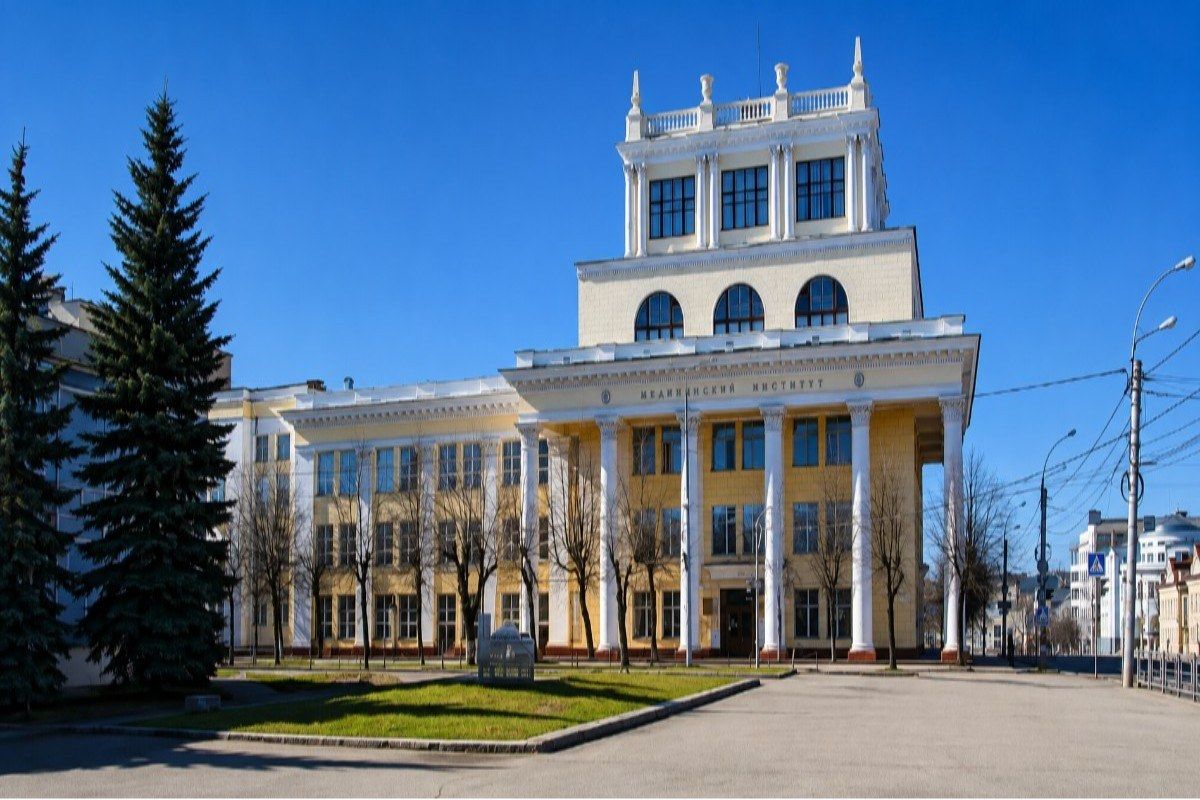
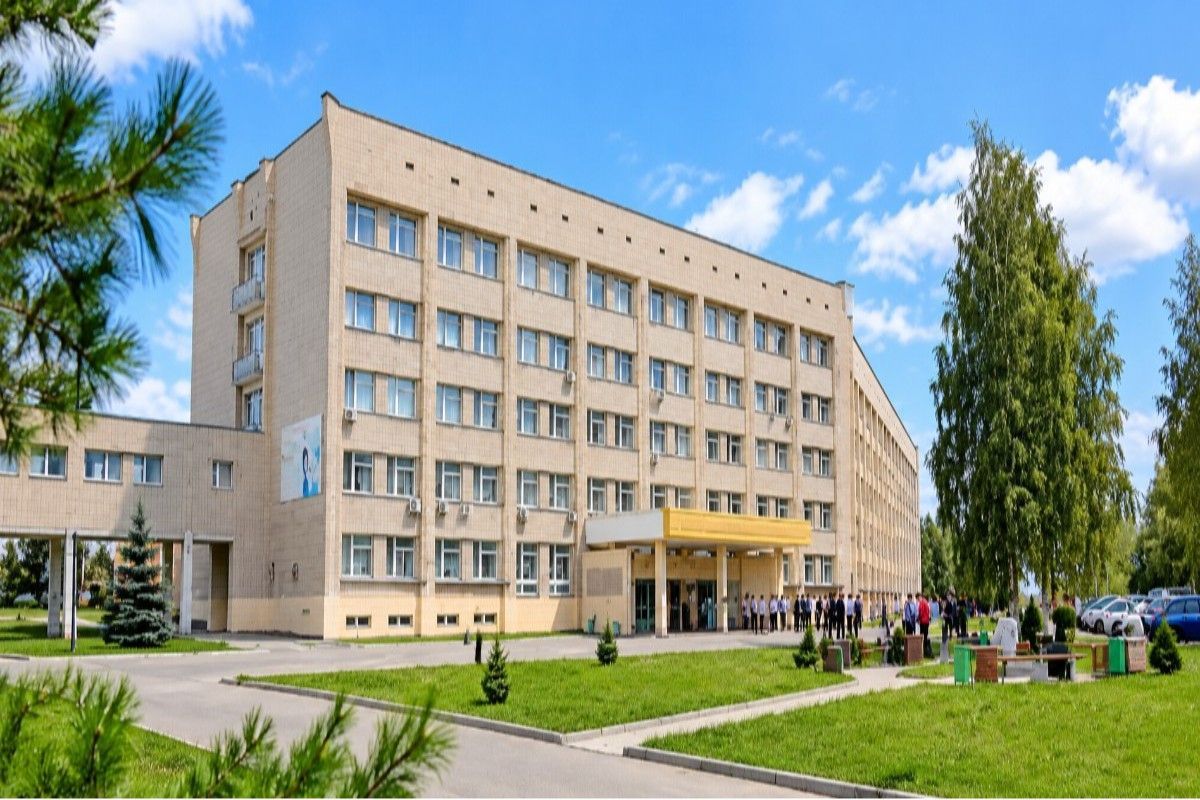
Our expert counsellors will guide you through the complete admission process — from documents to airport pickup.