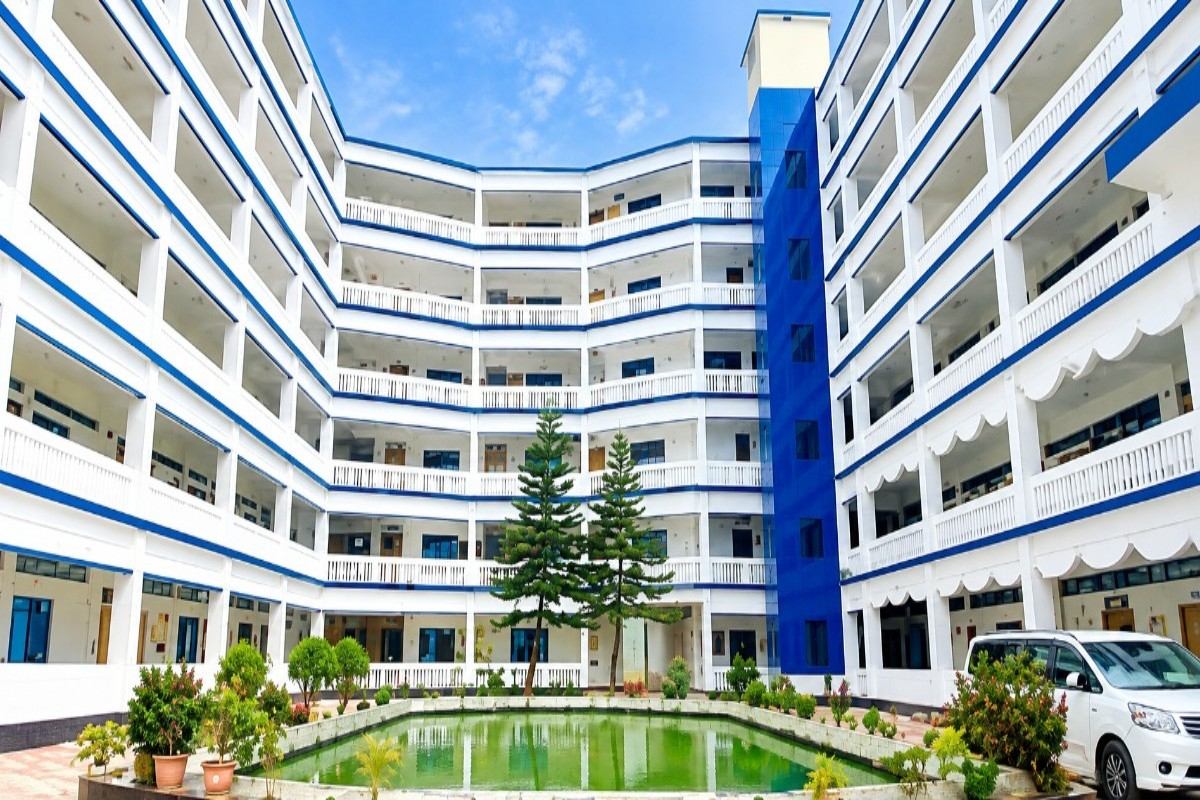
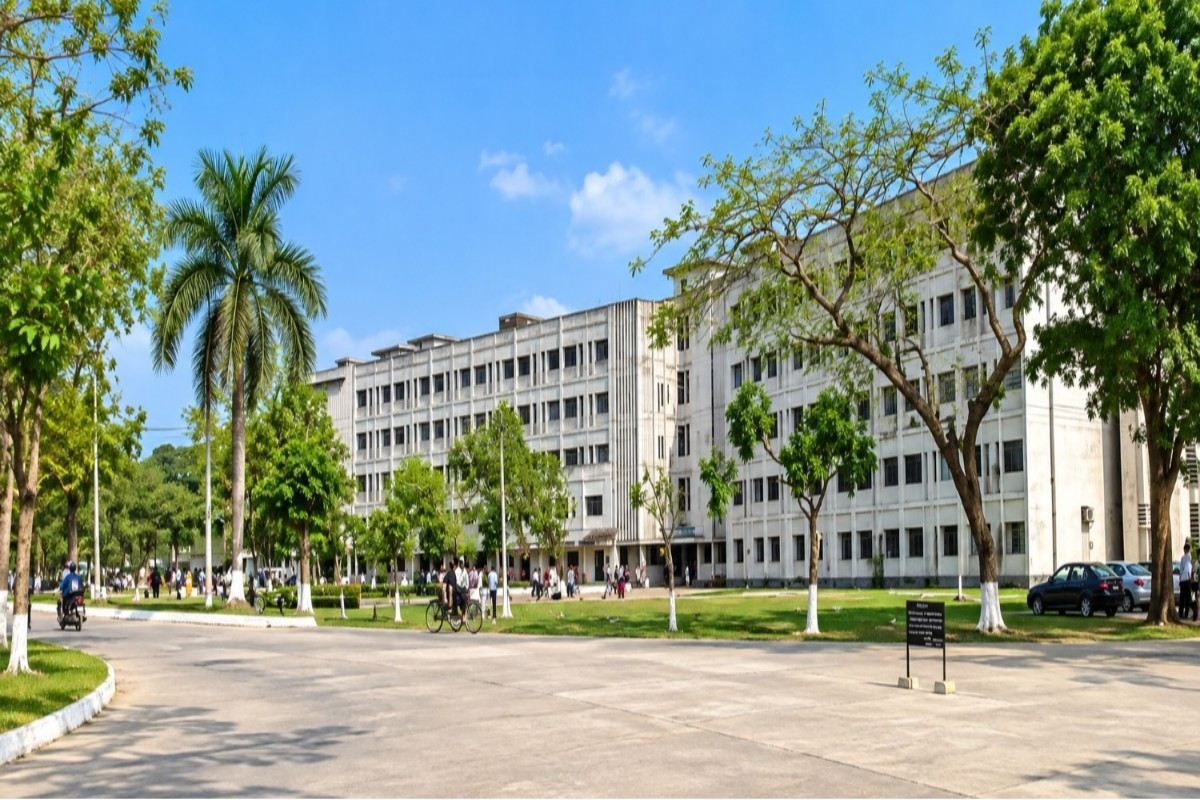
Search "MBBS in Bangladesh" and you'll land on the same five names over and over, with Samorita usually squeezed in as a budget option and not much else. That undersells it. This is a city-campus college inside one of Dhaka's busiest medical corridors, running off a working 500-bed hospital rather than a purpose-built teaching block, and that distinction matters more than most admission consultants let on.
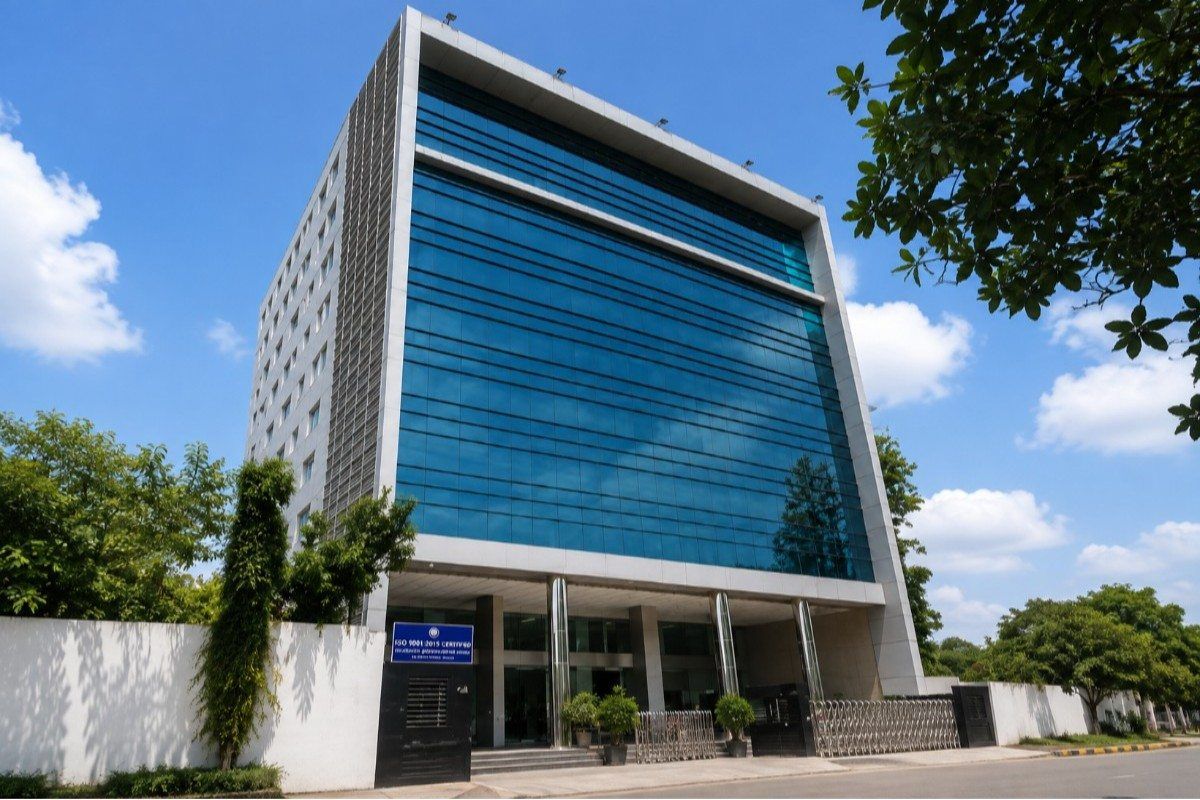
M.H. Samorita Hospital and Medical College was established in 2010 and sits on Love Road in Tejgaon, close to the heart of Dhaka. It runs under the academic affiliation of the University of Dhaka, one of Bangladesh's oldest and most established public universities, which sets and conducts the exams rather than the college itself.
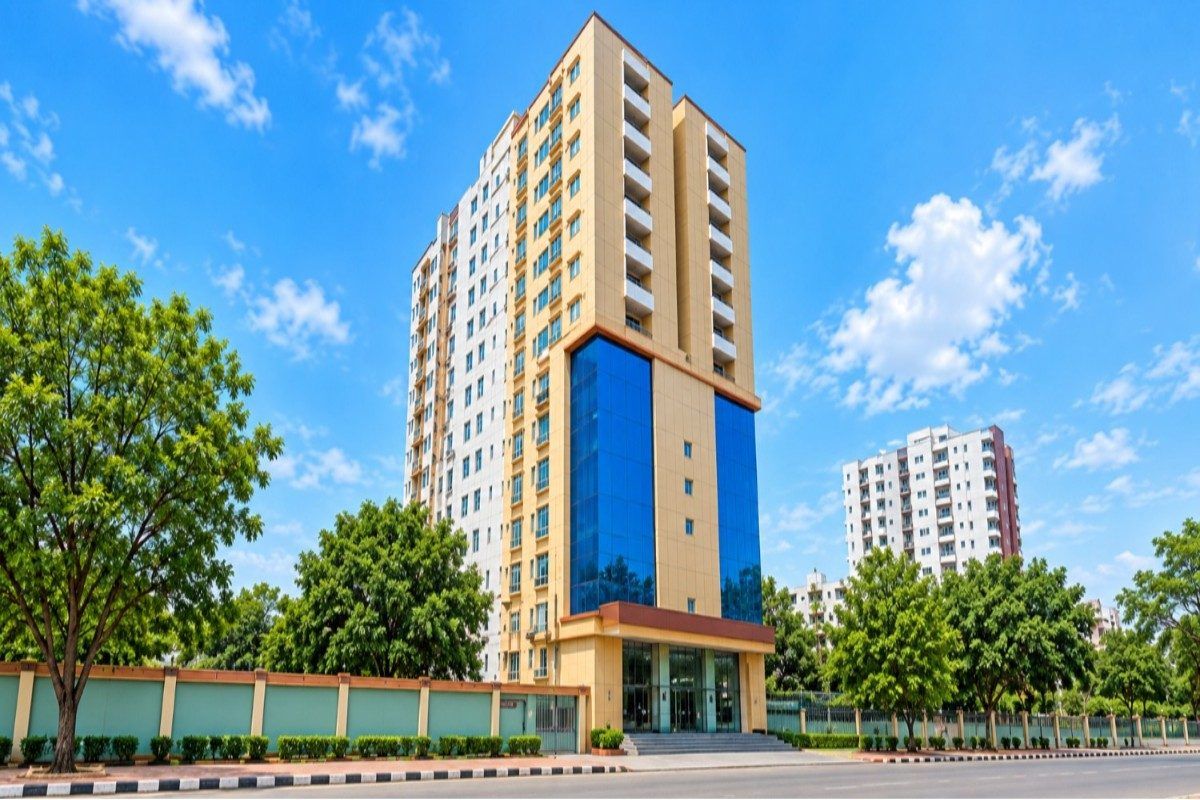
The attached hospital isn't a small add-on ward. It's a full-service 500-bed facility with its own ICU, CCU, NICU, dialysis unit, and general and specialised outpatient departments handling a genuinely high daily patient load. For a student, that translates into more hands-on exposure earlier, simply because there are more patients moving through the system every single day.
Being in Tejgaon also means the campus is urban through and through not the quiet, green setting some other MBBS-abroad destinations advertise. You get proximity to the airport, to the city's other hospitals, and to a large working population, but you trade away the calm-campus experience. Worth knowing before you commit, not after you land.
What the Cost Actually Looks Like
Here's where a lot of blogs get sloppy quoted fees for Samorita swing wildly depending on which consultancy page you land on, anywhere from USD 33,000 to USD 50,000 for the full course. That spread isn't a typo; different agents bundle hostel, food, and one-time charges differently, and some quote pre-2024 numbers that were never updated. The table below reflects the more consistent figures reported across multiple current sources, but treat it as a planning estimate, not a quote get the college's own fee circular before you pay anything.
Cost Item | Per Year (USD / INR approx.) | 6-Year Total (INR approx.) |
Tuition Fee (Year 1) | USD 20,000 | ~INR 17.2 lakh | Included below |
Tuition Fee (Year 2–5) | USD 8,000 | ~INR 6.9 lakh | ~INR 27.5 lakh (4 years) |
Hostel & Mess | Bundled into most quoted packages | Confirm exact split with college |
Food (if separate) | INR 60,000–96,000 | INR 3.3–5.3 lakh |
Books & Study Material | INR 15,000–20,000 | INR 0.8–1.1 lakh |
Travel (India–Bangladesh) | Varies with visa category and airfare | INR 40,000–80,000 total |
Other Costs (visa, insurance, misc.) | INR 10,000–20,000 | INR 0.6–1 lakh |
Total Estimated (course + living) | $41,000 to $43,000 USD | INR 40–42 lakh approx. |
Note: INR conversions assume roughly 86 INR per USD. A one-time charge for document translation and police verification also applies in the first year at most Bangladesh medical colleges, and Samorita is no exception ask for this in writing before you transfer any money.
Why Samorita Gets Dismissed Too Quickly
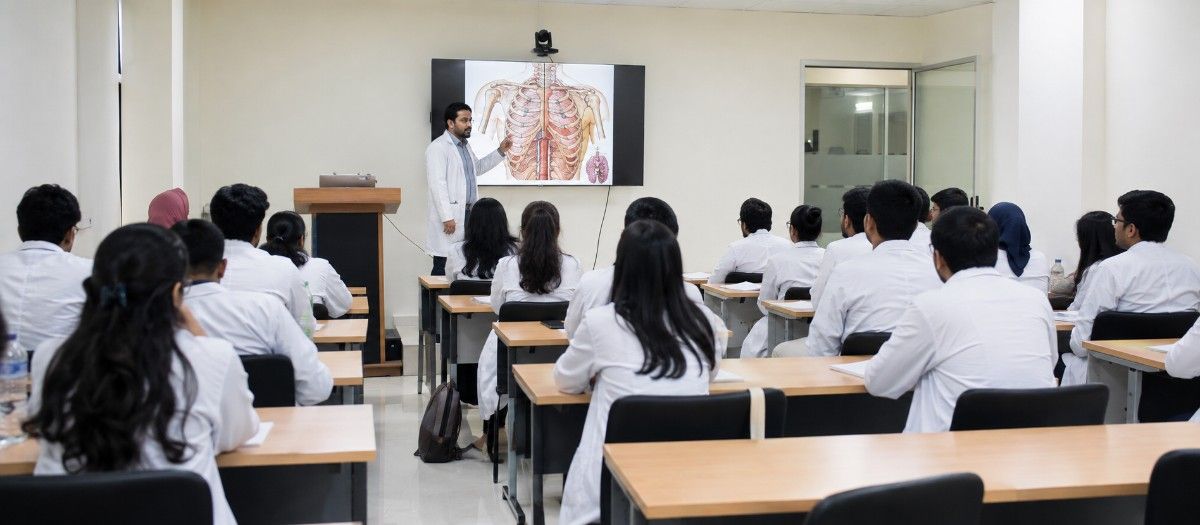
Most "MBBS in Bangladesh" roundups list Samorita somewhere in the middle of a table and move on. The bigger, more interesting story is what a Dhaka University affiliation actually buys you. Dhaka University runs the professional exams centrally, which means the assessment standard doesn't depend on any single college trying to grade its own students generously a structural safeguard that's easy to overlook when everyone's fixated on fee comparisons instead.
The hospital load is the other underreported piece. A 500-bed hospital with a functioning NICU and dialysis unit in a dense city like Dhaka sees a case mix that's broader than what many smaller teaching hospitals can offer more trauma, more infectious disease, more chronic-care follow-up. Students who rotate through busy general hospitals tend to walk into FMGE and NExT with pattern recognition that's harder to build in quieter settings.
What almost nobody mentions, and what actually matters for 2026 admissions, is the India–Bangladesh visa situation. Following the political changes in Bangladesh in mid-2024, Indian visa services slowed sharply through 2025, with processing stretching from weeks to months in many cases. Medical visas kept moving throughout on urgent grounds, and by mid-2026 India had committed to and largely completed a full restoration of standard visa categories, including student visas. If you're researching this college using a blog written in 2023 or early 2024, none of that context will be in it and it's exactly the kind of thing you should be asking your consultant about directly before you commit to a six-year program.