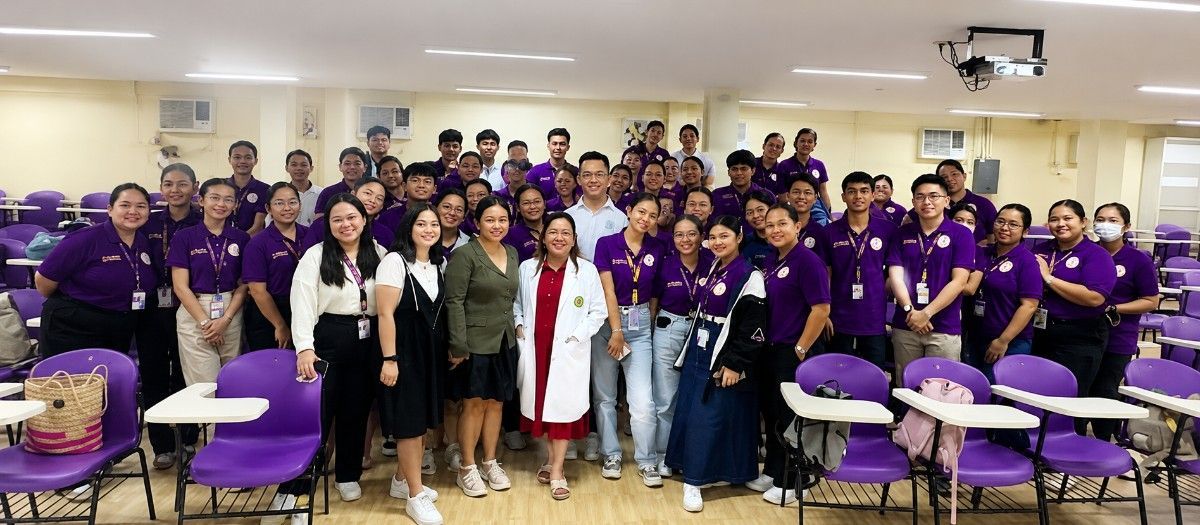
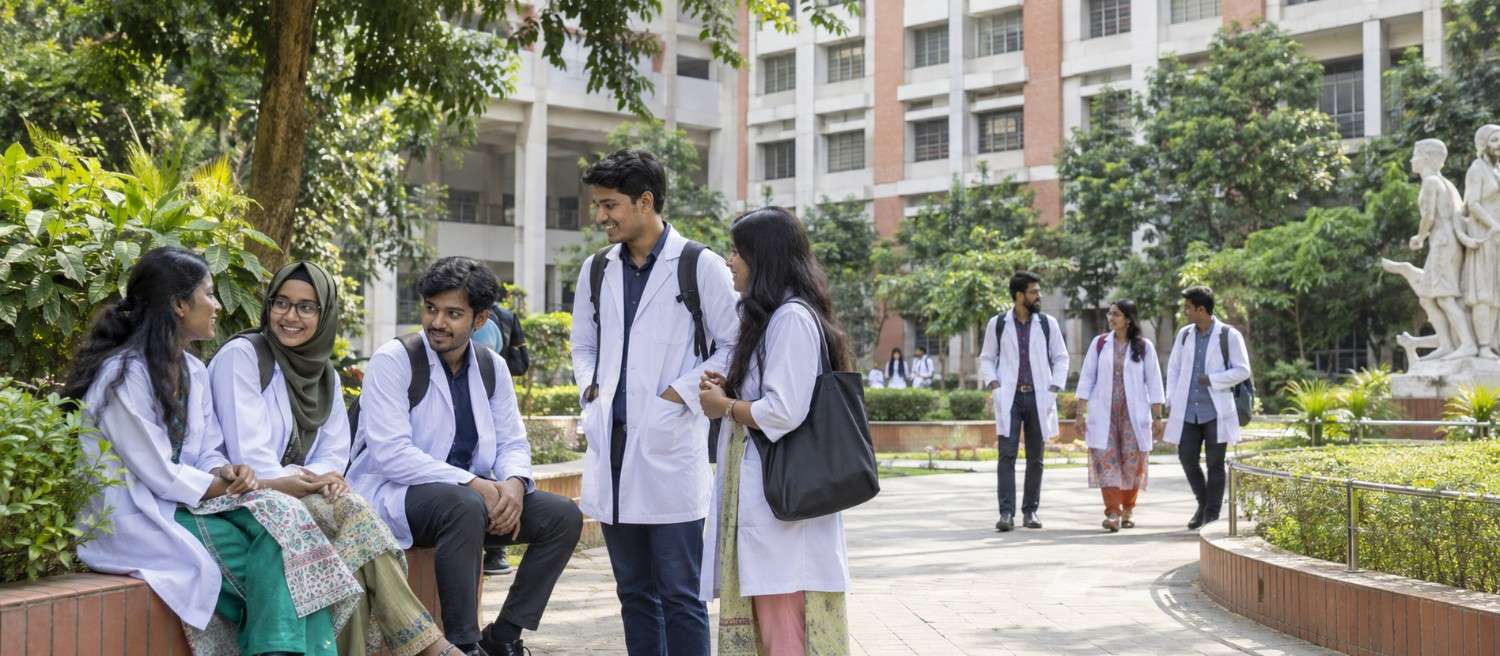
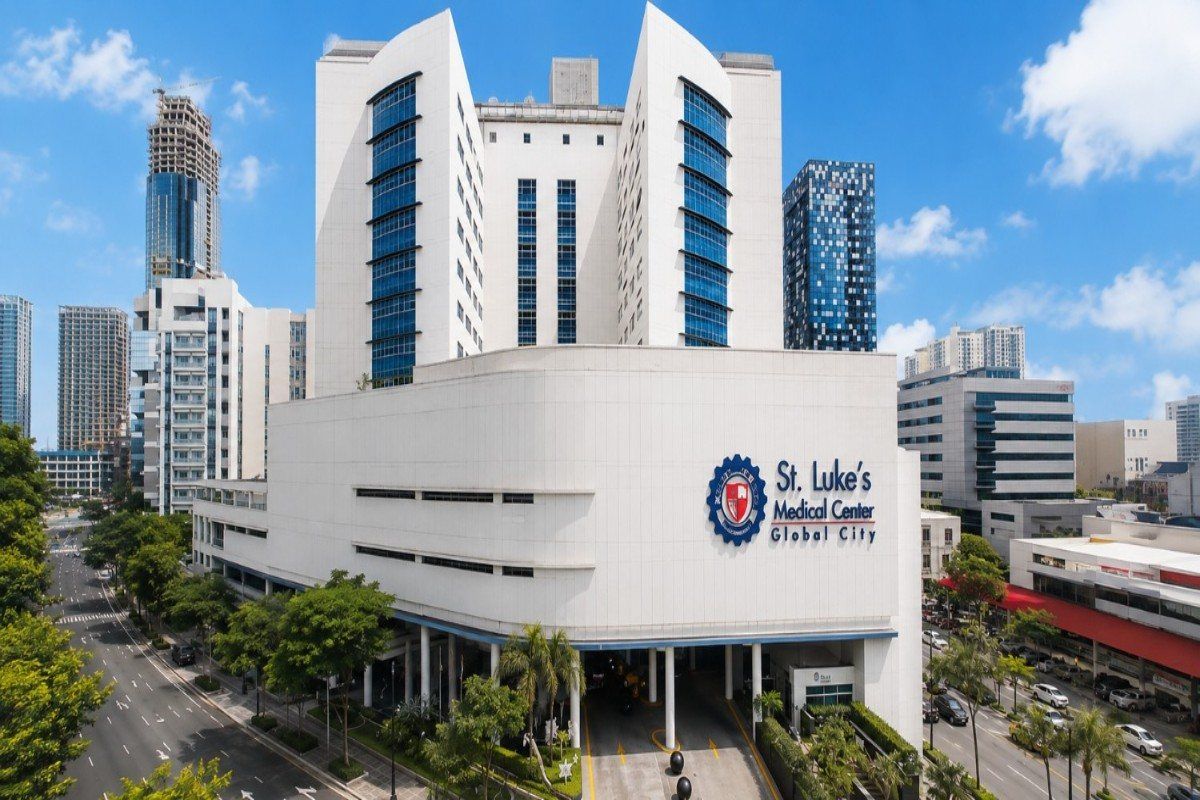
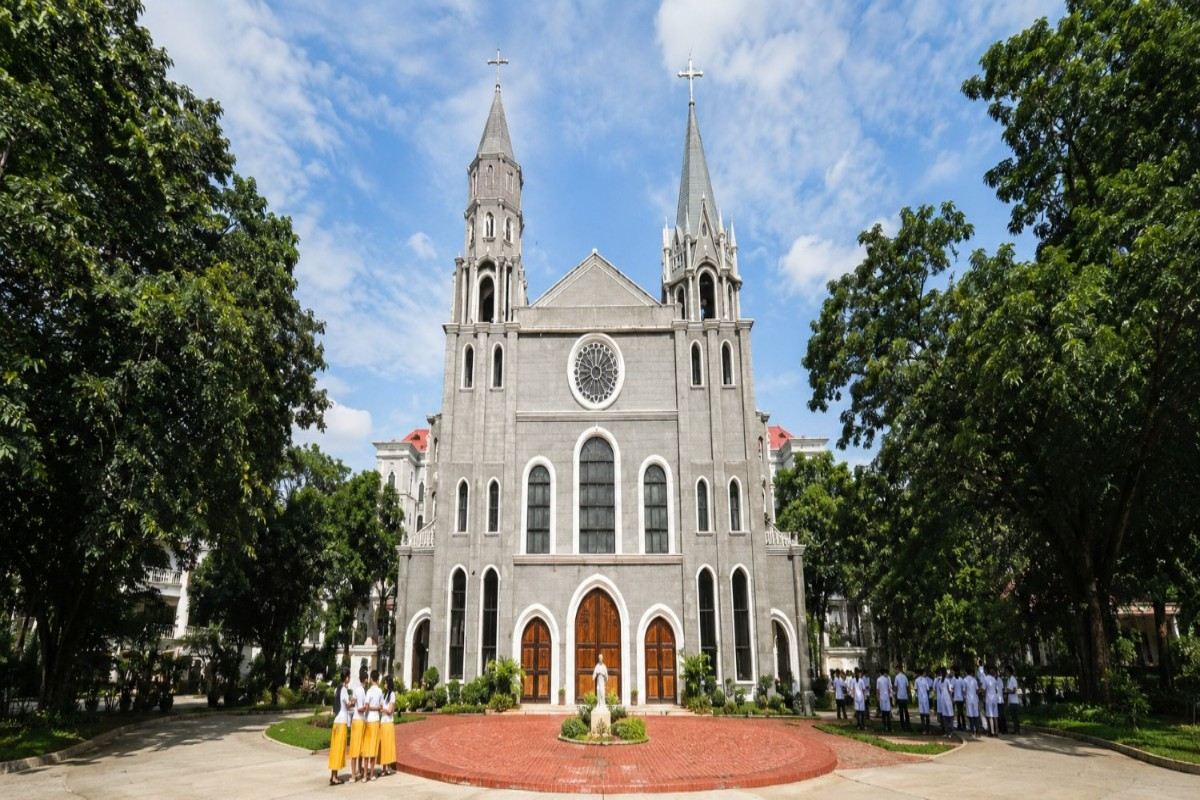
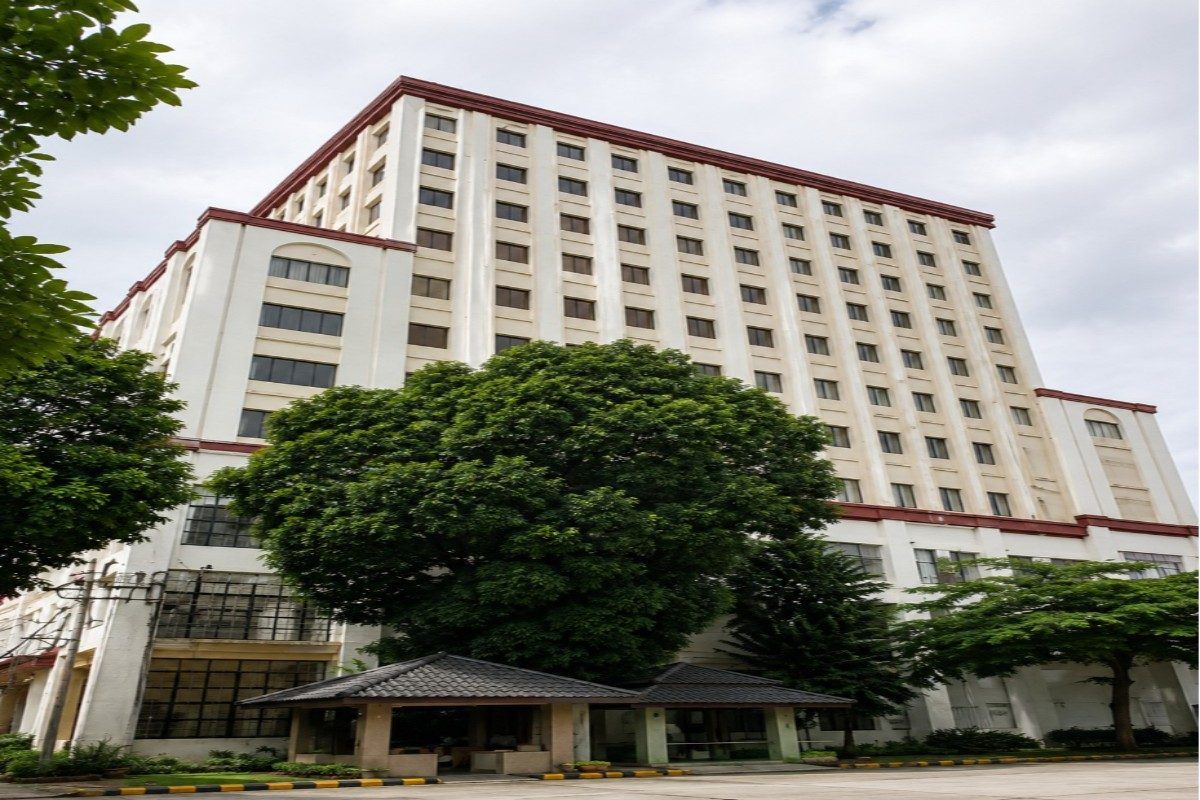
The Filemon D. Tanchoco Foundation College of Medicine is the medical school of Manila Central University (MCU), one of the oldest private educational institutions in the Philippines. Located in Caloocan City within Metro Manila, the college has played an important role in medical education and physician training for several decades. What makes the institution unique is its long history of healthcare education, its connection to a university with deep roots in Philippine higher education, and its direct access to clinical training through Manila Central University Hospital.
The history of Manila Central University dates back to 1904 when it was established as the Escuela de Farmacia del Liceo de Manila. The institution was founded to provide pharmaceutical education during a period when healthcare training opportunities were limited in the country. Over time, the school expanded its academic offerings and developed into a comprehensive university.
In 1947, the institution adopted the name Manila Central University. The university continued to grow by introducing programmes in medicine, dentistry, pharmacy, nursing, medical technology, and other professional disciplines. This expansion helped strengthen its position as one of the Philippines' notable healthcare education providers.
The Filemon D. Tanchoco Foundation College of Medicine was established in 1974 to address the increasing need for qualified physicians in the Philippines. The college was named in honour of Dr. Filemon D. Tanchoco, whose contributions supported the advancement of medical education and healthcare training within the institution.
From its early years, the college focused on combining scientific knowledge with practical clinical experience. The curriculum was designed to prepare students for modern medical practice while emphasising professionalism, ethical conduct, and patient-centred care.
During the following decades, the college expanded its facilities, laboratories, teaching resources, and hospital affiliations. Investments in healthcare education infrastructure helped improve the quality of training available to students. New teaching methods and updated curricula ensured alignment with changing medical education standards.
A major strength of the college has been its close relationship with Manila Central University Hospital. This teaching hospital serves as an important training centre where students gain hands-on clinical experience under physician supervision. The hospital provides exposure to a broad range of medical specialties and patient populations.
The Doctor of Medicine programme follows standards established by the Commission on Higher Education and Philippine medical education authorities. Students receive instruction in anatomy, physiology, biochemistry, pathology, microbiology, pharmacology, internal medicine, surgery, paediatrics, psychiatry, neurology, community medicine, and obstetrics and gynaecology.
The curriculum combines classroom lectures, laboratory work, case discussions, simulation exercises, and clinical exposure. Students progress through different phases of medical education, gradually moving from foundational sciences to direct patient care.
Community healthcare remains an important component of the programme. Students participate in outreach activities, public health programmes, and preventive healthcare initiatives. These experiences help them understand healthcare challenges at both individual and community levels.
Research is integrated into medical training. Faculty members and students engage in projects involving clinical medicine, public health, healthcare delivery, epidemiology, and medical education. Research participation encourages critical thinking and evidence-based medical practice.
The college attracts students from different regions of the Philippines as well as international applicants. The use of English as the primary medium of instruction makes the programme accessible to students from diverse educational backgrounds.
Faculty members include experienced physicians, surgeons, specialists, researchers, and healthcare professionals. Their involvement in clinical practice allows students to learn from professionals actively engaged in patient care and healthcare leadership.
Caloocan City is one of the major cities within Metro Manila, the National Capital Region of the Philippines. It forms part of one of Southeast Asia's largest urban areas, with millions of residents living across the metropolitan region. This large population creates extensive opportunities for clinical exposure and healthcare training.
The city's location within Metro Manila gives students access to major hospitals, specialty centres, government healthcare institutions, research facilities, and professional organisations. Medical students benefit from being close to many of the country's leading healthcare providers.
Student life combines academic study with the opportunities available in the Philippine capital region. Students have access to shopping centres, libraries, cultural attractions, sports facilities, restaurants, and entertainment venues. The metropolitan environment also provides opportunities for professional networking and career development.
The tropical climate includes warm temperatures throughout the year with seasonal rainfall patterns. International students generally adapt quickly to the local climate and lifestyle.
Transport links are extensive. Students can travel using buses, rail systems, taxis, ride-sharing services, and road networks connecting different parts of Metro Manila. Ninoy Aquino International Airport provides international connectivity for students travelling from abroad.
Accommodation options include university-affiliated residences, private dormitories, apartments, and shared housing. Students can select accommodation based on budget, location, and personal preferences. Many housing options are available within easy reach of the campus and teaching hospital.
Indian students form part of the international student community studying medicine in the Philippines. Many benefit from established support networks, English-medium instruction, and a healthcare education system influenced by American medical training models.
What makes Manila Central University's Filemon D. Tanchoco Foundation College of Medicine unique is its combination of historical legacy, healthcare-focused education, strong clinical training through its university hospital, and its location within the Philippines' largest metropolitan healthcare environment. These strengths continue to support the development of future physicians serving both local and international communities.